The 16 Most Amazing Peaks around Donnington
Donnington locations in the United Kingdom are characterized by low-lying terrain or rolling hills, with elevations generally falling below the 300-meter threshold for mountains. For example, Donnington in Gloucestershire has a maximum elevation of 273 meters, and Donnington in West Sussex reaches only 13 meters. While the Shropshire Hills, an Area of Outstanding Natural Beauty, includes upland areas, Donnington itself is not noted for mountain peaks.
Best mountain peaks around Donnington
- The most popular mountain peaks is Herefordshire Beacon (British…
Last updated: May 9, 2026
Herefordshire Beacon (British Camp)
Highlight • Summit
Tip by

Midsummer Hill Iron Age Hillfort
Highlight • Historical Site
Tip by

Sign up now to discover places like this
Get recommendations on the best single tracks, peaks, & plenty of other exciting outdoor places.
Sign up for free
Millennium Hill
Highlight • Viewpoint
Tip by

Jubilee Hill
Highlight • Viewpoint
Tip by

Pinnacle Hill
Highlight • Natural Monument
Tip by

Sign up for free to discover even more peaks around Donnington.
Sign up for free
Already have an account?
Start today with a free account
Your next adventure awaits.
Login or Signup
Tips from the Community

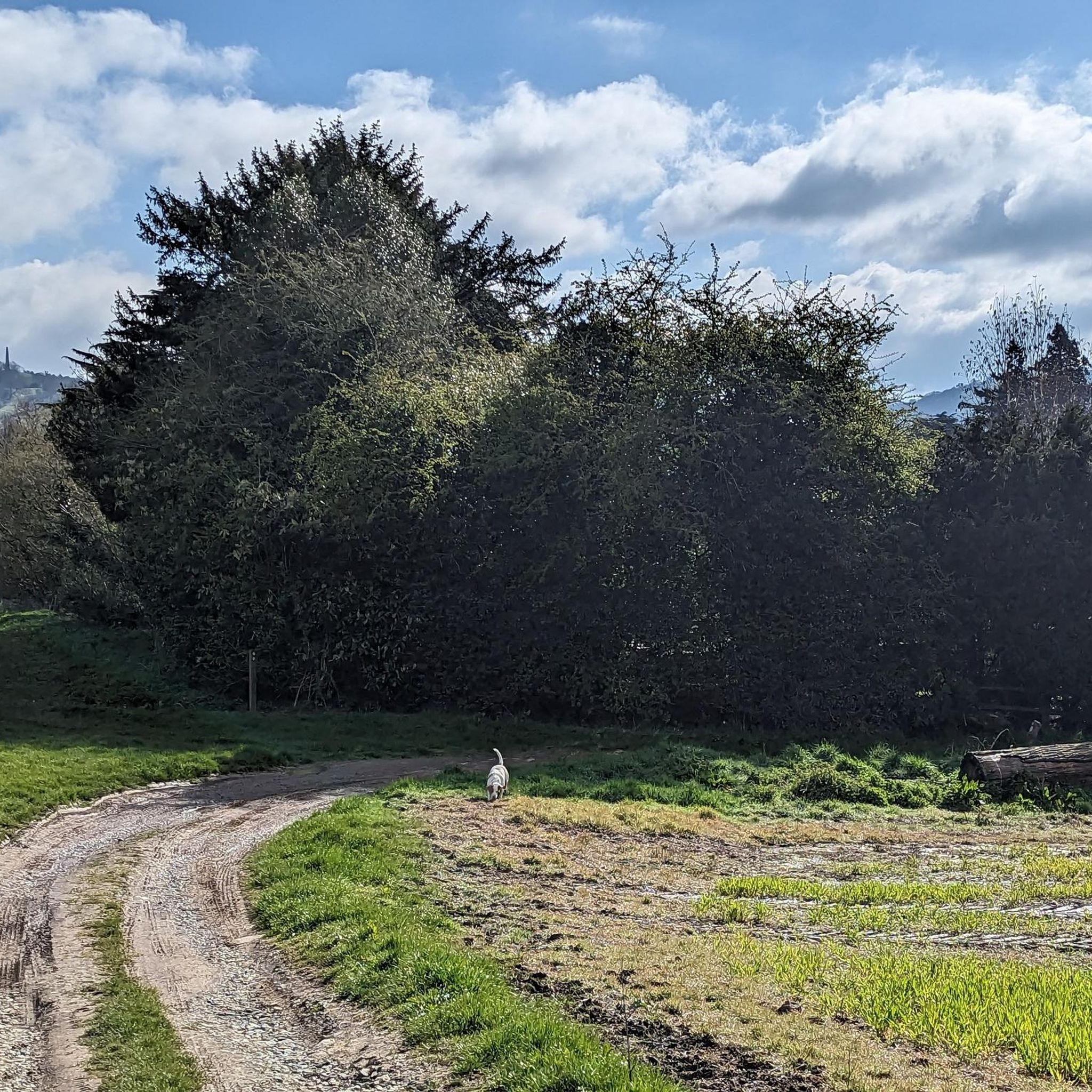
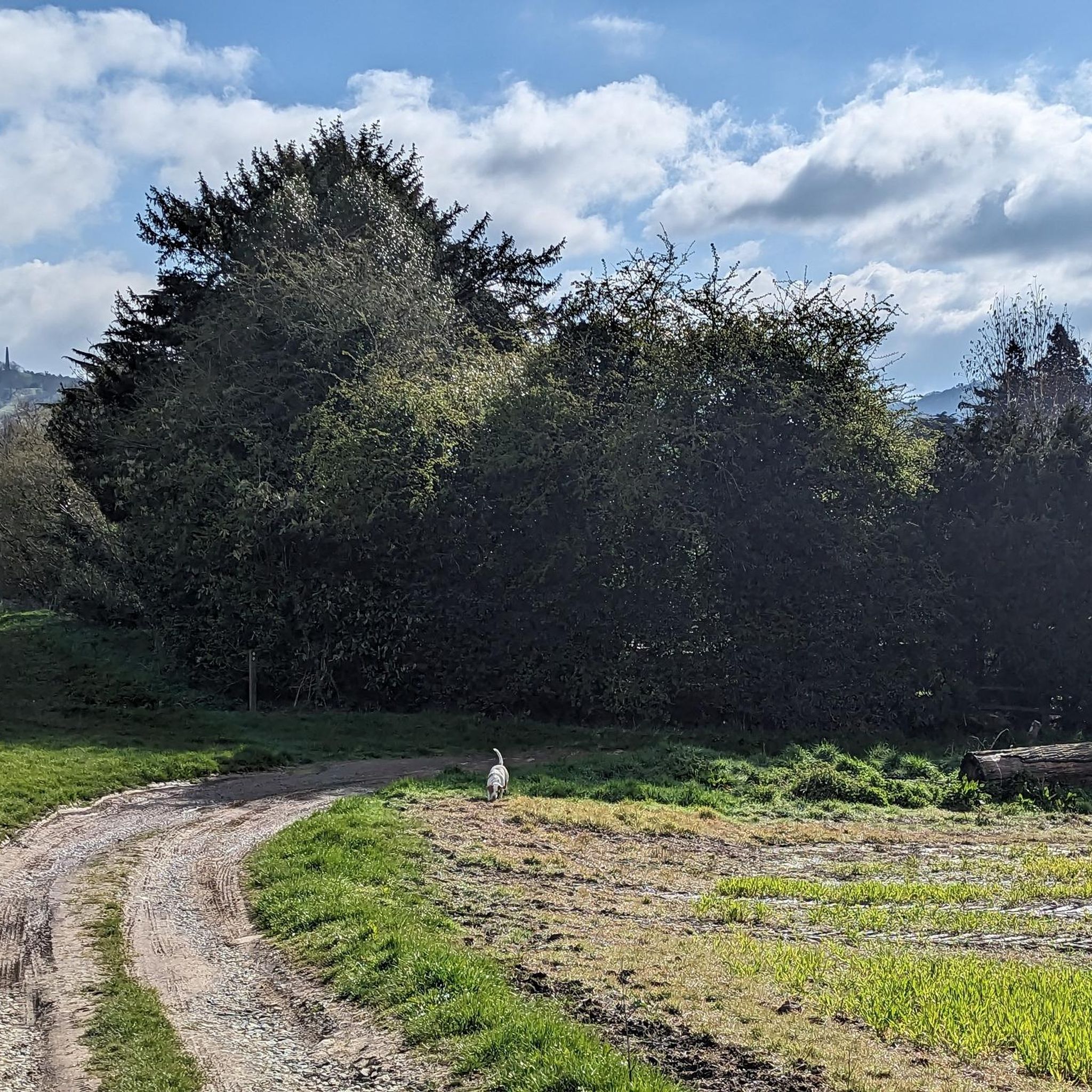
Pinnacle Hill isn't really much of a pinnacle, but it is the highest point between the Wyche and Wynds Point, and as such is a fine viewpoint in both directions.
0
0
This little top is a fine viewpoint both north to Perseverance Hill and beyond to the Worcester Beacon, and south to Pinnacle Hill.
0
0
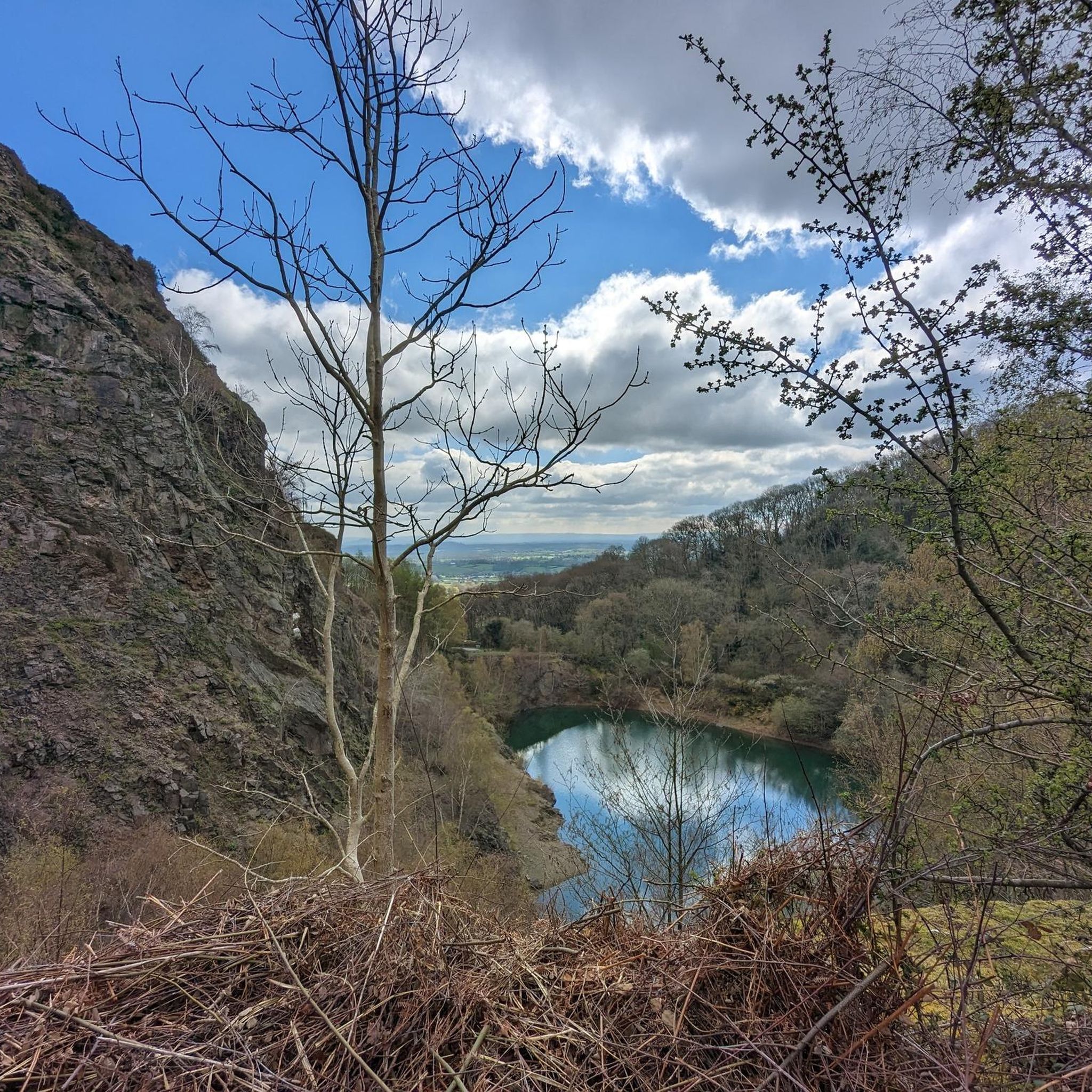
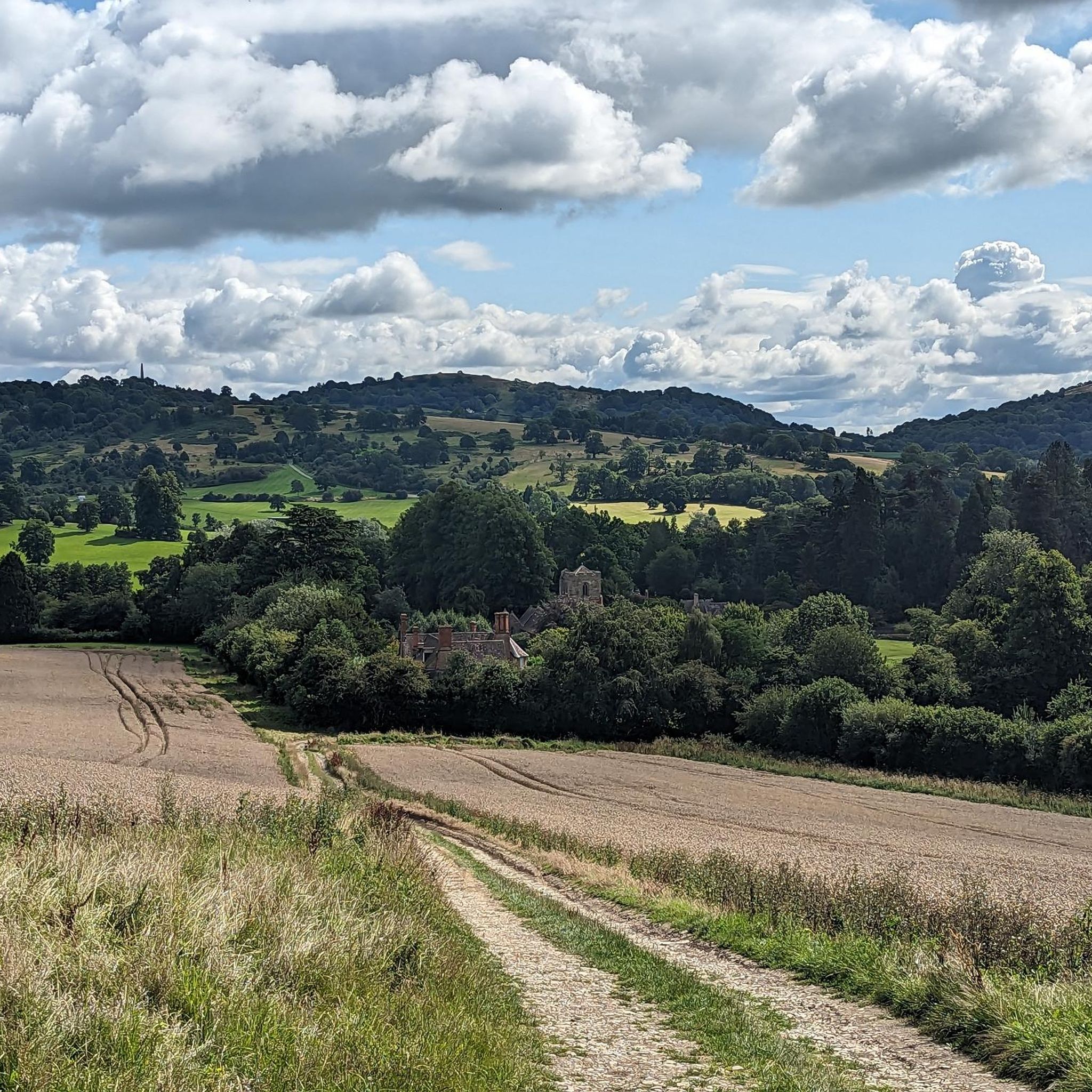
One of the finest hills in the Malverns with it's Iron Age Hillfort (yes another one on the Malverns!), and superb views west across Eastnor Park. It used to be heavily wooded on the Eastern Side, but Ash Die-back disease has caused a huge number of large mature Ash trees to be felled in recent times. This is still a hill to be savoured and you will not see too many people here either.
0
0
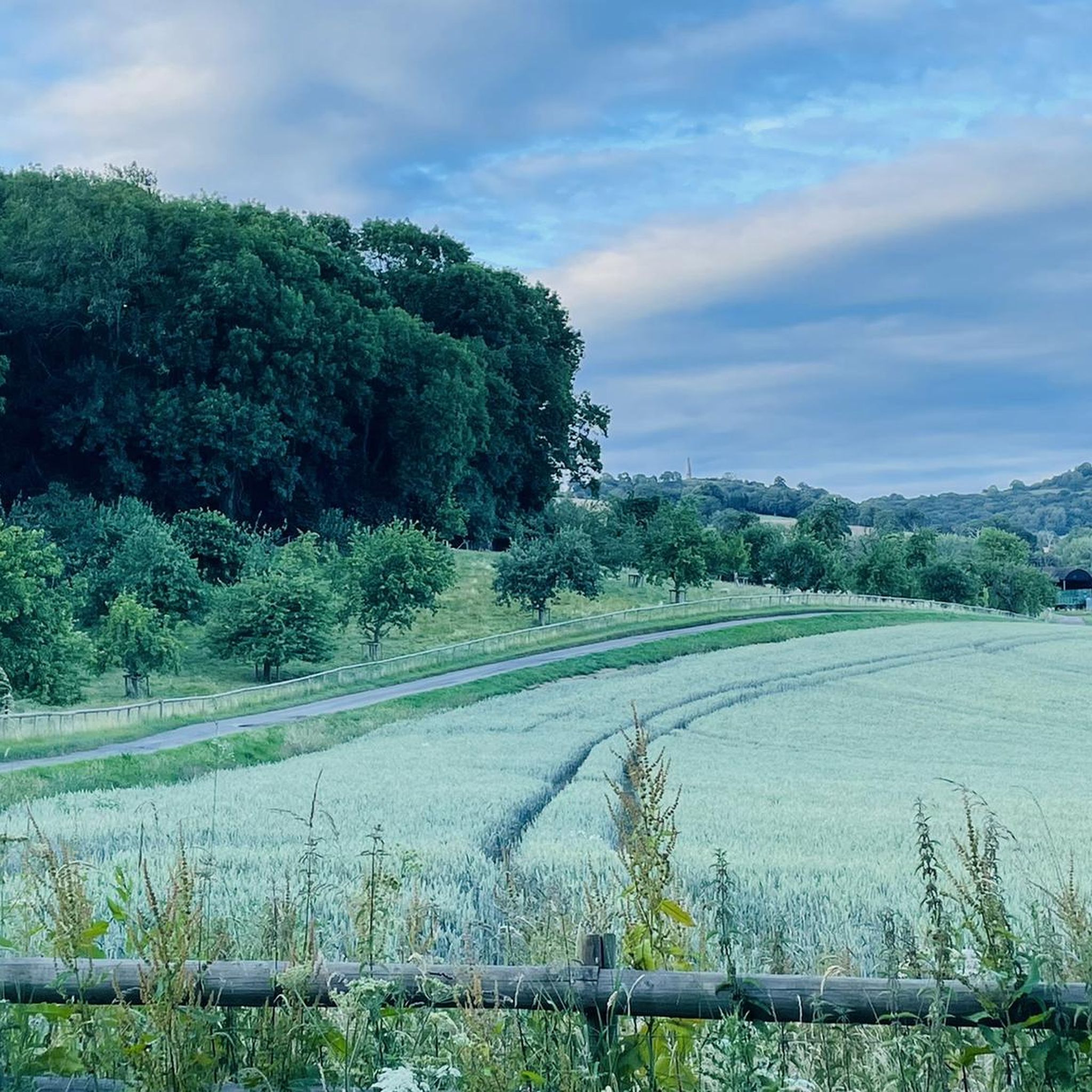
The other end of Hereford beacon, with good views of the Eastnor Estate with it's obelisk.
0
0

Midsummer Hill rises in the southern part of the Malvern Hills and is a very worthy objective. Site of a former hillfort, along with neighbouring Hollybush Hill, it provides extensive views, with the impressive Eastnor Castle visible in the Herefordshire countryside. A hike to the top could be combined with Herefordshire Beacon to the north, or a longer outing traversing the entire Malvern ridge.
0
0

Jubilee Hill is situated in the range of Malvern Hills that runs about 13 kilometres (8 mi) north-south along the Herefordshire - Worcestershire border. It lies between Perseverance Hill and Pinnacle Hill and has an elevation of 327 metres (1,073 ft). Jubilee Hill was named by the Malvern Hills Conservators in 2002 in honour of the Golden Jubilee of Elizabeth II. The Duke of York unveiled a plaque at the top of the hill, commemorating its new identity, in 2003. The plaque was taken away by someone sometime in March/April 2018. The site was also previously known, and is still today by a group of locals, as 'Dad's Hill', after a well-loved local bicycle shop-owner called Mr Earp who climbed Jubilee Hill frequently. Commemorated there upon his death a local group still climb the hill on the same day every year in his name[citation needed]. Jubilee Drive, the road which runs along the western (Herefordshire) side of the hills, was built and named for the Golden Jubilee of Queen Victoria, in 1887. Source: Wikipedia
0
0
Pinnacle Hill is situated in the range of Malvern Hills in England, running about 13 kilometres (8 mi) north-south along the Herefordshire-Worcestershire border. It lies between Jubilee Hill and Black Hill and has an elevation of 357 metres (1,171 ft). It is the site of two possible Bronze Age round barrows.
0
0
The Herefordshire Beacon is one of the highest peaks of the Malvern Hills. It is surrounded by a British Iron Age hill fort earthwork known as British Camp. The fort subsequently had a ringwork and bailey castle built inside its boundary and there is evidence of 120 huts in the area. British Camp has been a scheduled monument since 1923. On the eastern slope of Herefordshire Beacon, there is a disused reservoir, British Camp Reservoir, which holds approximately 213,000 cubic metres (7,500,000 cu ft) of water. Herefordshire Beacon represents one of the Malvern Hills, 1,109 feet (338 m) high, and is the second highest summit in the hills. It is within the county of Herefordshire, but is directly adjacent to the border with Worcestershire to the east. Atop Herefordshire Beacon, there is an Iron Age hill fort, known as British Camp, and would have held a settlement between 4th century BCE and 1st century CE. A ringwork and bailey castle was built within the site of the hill fort, and there is evidence of 120 huts having been built within the boundaries of the fort. The hill fort received scheduled monument status on 10 August 1923. Nearby to British Camp, on the eastern slope of Herefordshire Beacon, there is a reservoir called British Camp Reservoir. It has a capacity of 213,000 cubic metres (7,500,000 cu ft), although it has not been used for many years. In 2017, Severn Trent proposed to dismantle the treatment plant associated with the reservoir and drain it, leaving an 8,000 cubic metres (280,000 cu ft) pond. source: Wikipedia
0
0
Frequently Asked Questions
Are there actual mountain peaks in Donnington?
Donnington locations in the United Kingdom are generally characterized by low-lying terrain or rolling hills, with elevations typically falling below the 300-meter threshold for mountains. For example, Donnington in Gloucestershire has a maximum elevation of 273 meters, and Donnington in West Sussex reaches only 13 meters. While Shropshire, where one Donnington is located, has upland areas like the Shropshire Hills, Donnington itself is not noted for mountain peaks.
Where are the 'peaks around Donnington' actually located?
The peaks highlighted in this guide, such as Herefordshire Beacon (British Camp), Midsummer Hill Iron Age Hillfort, and Millennium Hill, are primarily located in the Malvern Hills. These hills are situated on the border of Herefordshire and Worcestershire, offering elevated experiences a short distance from Donnington.
What are the most popular peaks to visit near Donnington?
Among the most popular peaks near Donnington is Herefordshire Beacon (British Camp), known for its Iron Age hill fort and extensive views. Visitors also highly rate Midsummer Hill Iron Age Hillfort for its historical significance and vistas, and Millennium Hill, a viewpoint within the Malvern Hills offering multiple routes to the top.
What kind of views can I expect from these peaks?
From the peaks around Donnington, particularly those in the Malvern Hills, you can expect splendid and extensive views of the surrounding landscape. For instance, Herefordshire Beacon offers panoramic vistas, while Midsummer Hill provides views that include Eastnor Castle.
Are there any historical sites on these peaks?
Yes, several peaks feature significant historical sites. Herefordshire Beacon (British Camp) and Midsummer Hill Iron Age Hillfort both host well-preserved Iron Age hill forts. The earthworks of British Camp also extend around Millennium Hill, and Pinnacle Hill is the site of two possible Bronze Age round barrows.
Are these peaks suitable for beginners or families?
Many of the highlighted peaks, such as Herefordshire Beacon and Millennium Hill, are generally classified as intermediate in difficulty. While they offer rewarding experiences, some climbs can be steep. Families with younger children or those seeking easier walks might prefer routes with less elevation gain or shorter distances, though the views from the summits are worth the effort for those able to undertake the climb.
What outdoor activities can I do near these peaks?
The area around Donnington and the Malvern Hills offers a variety of outdoor activities. You can find numerous hiking trails, including moderate routes like the 'Ledbury & Eastnor loop — Malvern Hills'. For cyclists, there are road cycling routes such as 'A loop of the Malvern Hills & Worcester from Ledbury', and mountain biking trails like 'Fossil Bank Viewpoint – Bennetts at British Camp loop'. You can explore more options on the dedicated guides for Hiking around Donnington, Road Cycling Routes around Donnington, and MTB Trails around Donnington.
Are there hiking trails to the summits?
Yes, there are numerous hiking trails leading to the summits of these peaks. For example, Millennium Hill offers multiple routes to its top. Many of these trails are part of longer routes traversing the Malvern Hills ridge, providing opportunities for extended hikes with continuous views. You can find detailed hiking routes in the Hiking around Donnington guide.
What do visitors enjoy most about these peaks?
Visitors particularly enjoy the stunning panoramic views rewarded after the climbs, the exploration of ancient Iron Age hill forts, and the sense of achievement from reaching the summits. The rich heritage and the opportunity to combine historical discovery with outdoor activity are also highly appreciated.
What is the best time to visit the peaks near Donnington?
While specific seasonal considerations are not detailed, generally, the Malvern Hills are enjoyable year-round. Spring and summer offer lush greenery and warmer weather, ideal for hiking and enjoying the views. Autumn brings beautiful foliage, and even winter can be rewarding for crisp, clear days, though conditions may be more challenging.
Can I bring my dog on the trails to these peaks?
The Malvern Hills, where these peaks are located, are generally dog-friendly, with many trails suitable for walks with your canine companion. However, it's always advisable to keep dogs on a lead, especially near livestock or in areas with ground-nesting birds, and to check for any specific local restrictions or signage.
Are there any other notable peaks in the Malvern Hills?
Beyond the most popular ones, the Malvern Hills feature other notable peaks. Jubilee Hill, named in honour of The Queen's Golden Jubilee, and Pinnacle Hill, known for its steep climb and possible Bronze Age barrows, are also significant points along the ridge, offering further exploration and views.
Most popular attractions around Donnington

Get inspired with the komoot mobile app


Explore more
See even more amazing summits around Donnington with these guides:
