Attractions and Places To See around Ambrosden - Top 20
Best attractions and places to see around Ambrosden include a blend of historical sites, natural landscapes, and points of interest. The village has historical roots dating back to Saxon times, with Roman pottery discovered in the area and the Roman road Akeman Street passing nearby. Natural features like Graven Hill and the River Ray contribute to the area's appeal. Visitors can explore a variety of landmarks and natural settings.
Best attractions and places to see around Ambrosden
- The most popular…
Last updated: October 5, 2026
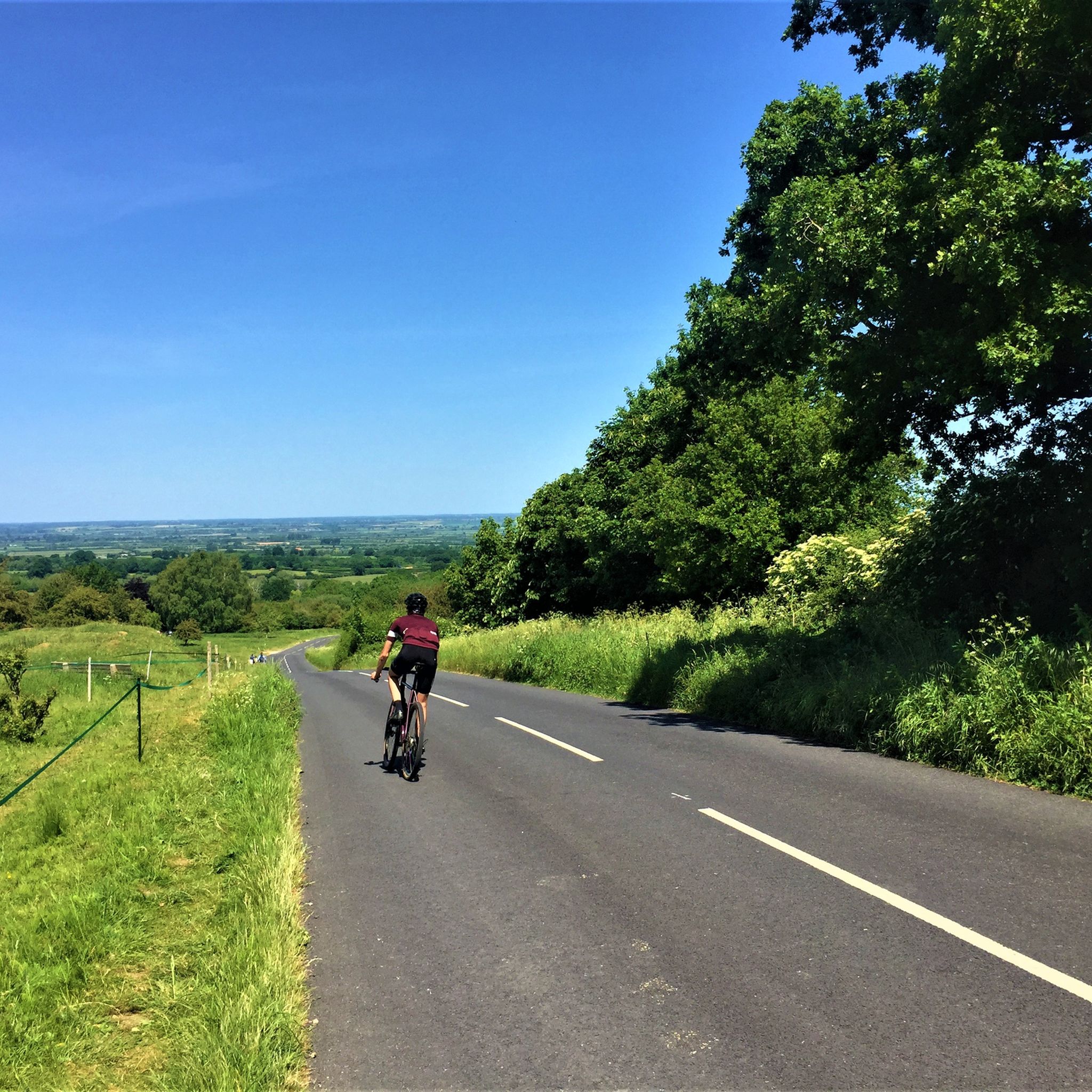
Brill Windmill
Highlight • Viewpoint
Tip by

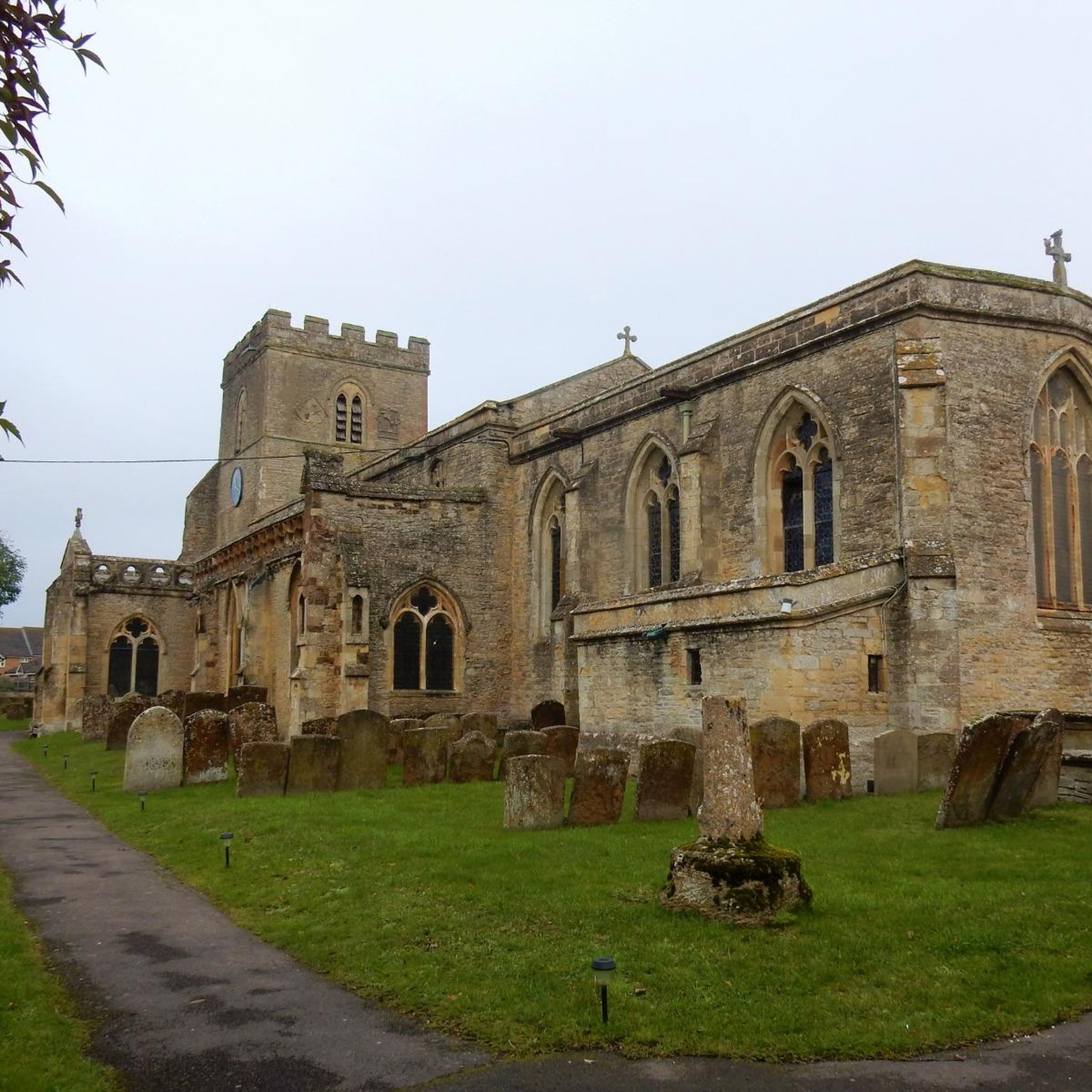
St Mary’s Church, Hampton Poyle
Highlight • Religious Site
Tip by

Sign up now to discover places like this
Get recommendations on the best single tracks, peaks, & plenty of other exciting outdoor places.
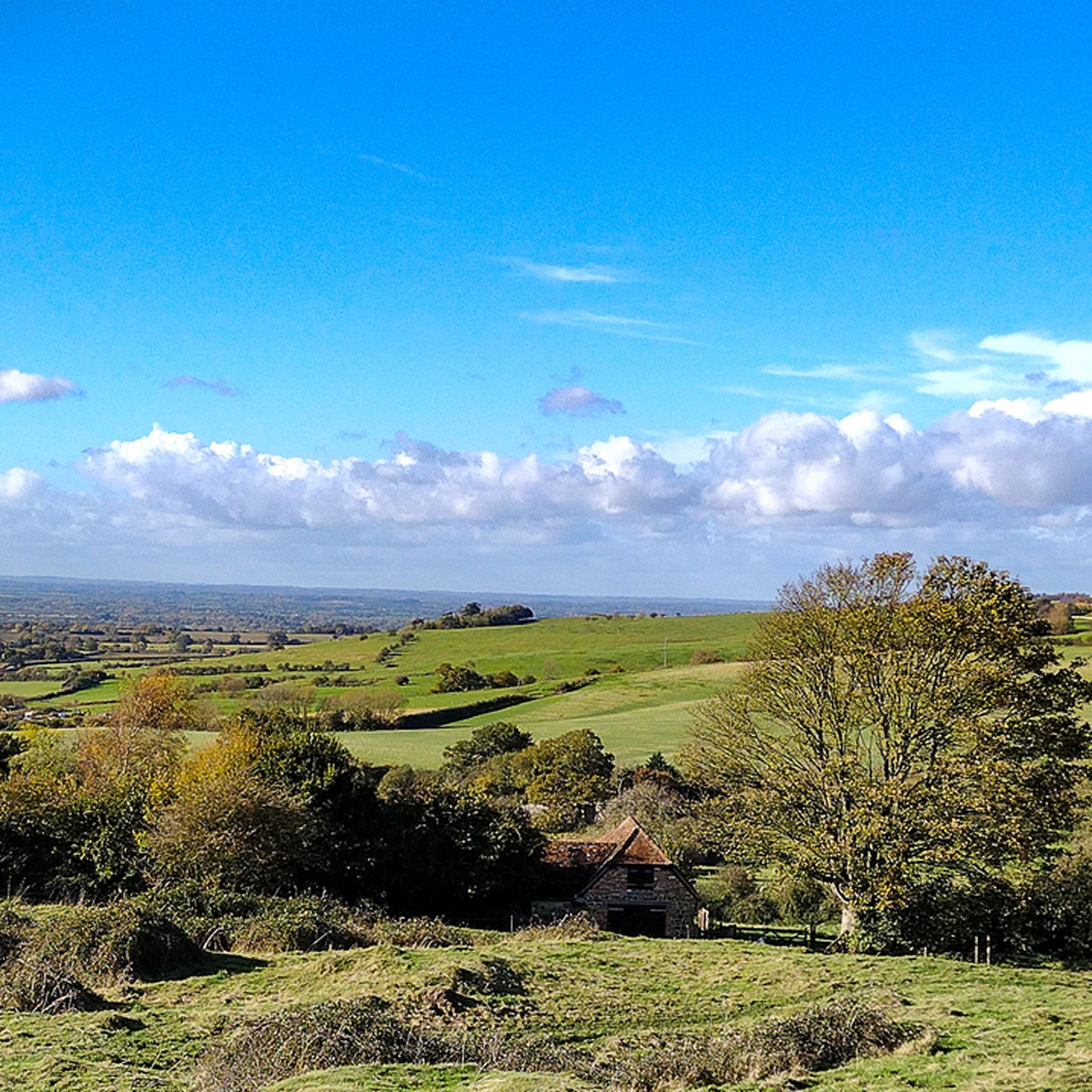
Diamond Jubilee Obelisk, Tusmore Park
Highlight • Historical Site
Tip by

Tusmore House
Highlight • Monument
The house …
Tip by

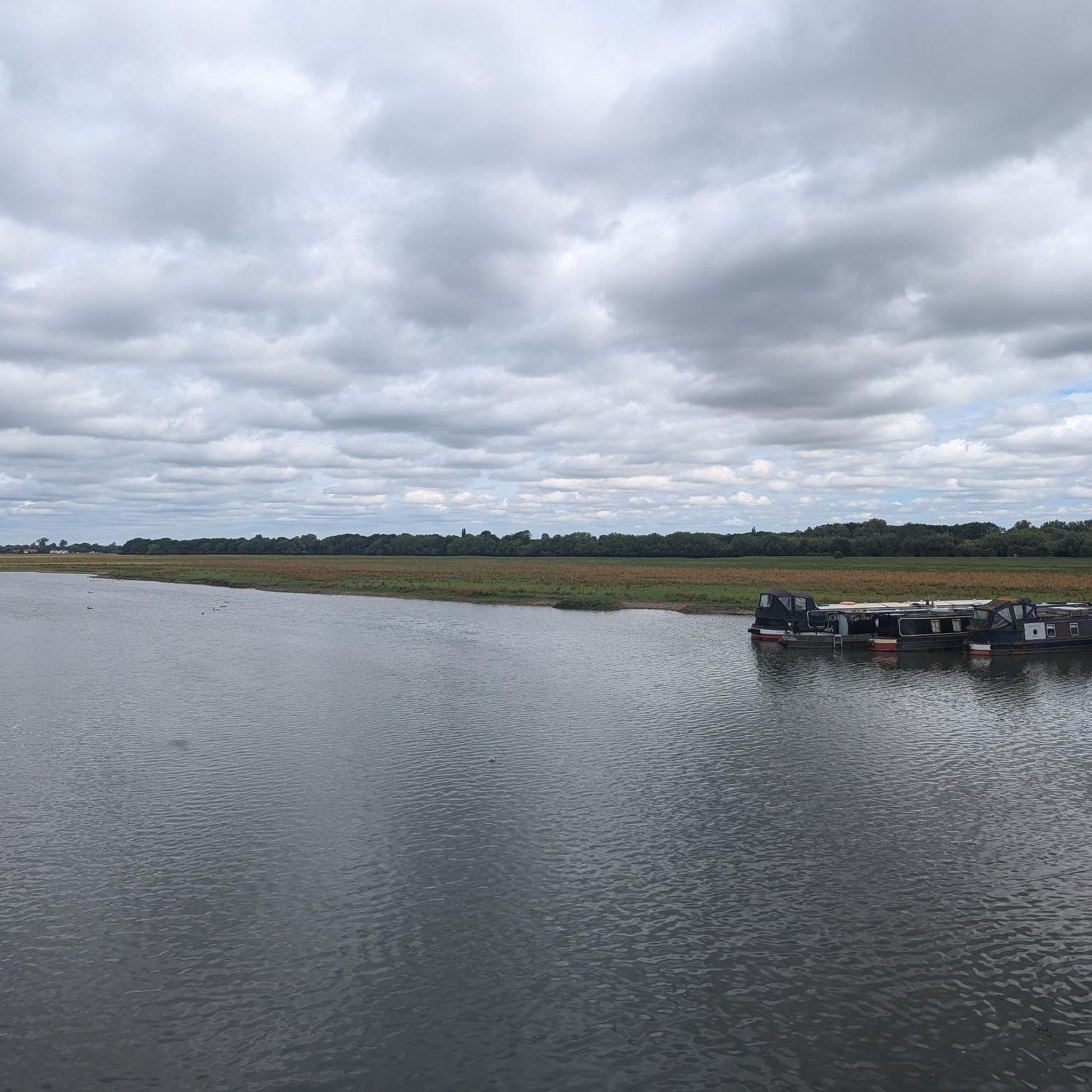
Oxford Canal Towpath Between Tackley and Lower Heyford
Highlight • Bridge
Tip by

Sign up for free to discover even more attractions around Ambrosden.
Already have an account?
Start today with a free account
Your next adventure awaits.

Tips from the Community

J. R . R. Tolkien often visited Brill when he lived in Oxford, and used it as his basis of Bree where beloved character Frodo Baggins meets Aragorn for the first time.
0
0

A beautiful park with an obelisk as the centrefold, built in 2012 to mark the Queen's Diamond Jubilee.
3
0

The roads on the west of the Mill are the easiest to ascent, the steepest is for descending is to the south towards Oakley
1
1

On the edge of the village, surrounded by fields grazed by sheep and horses, St Mary’s Hampton Poyle enjoys one of the loveliest settings of any church in Oxfordshire. Built of local stone around the same time as St Mary’s Kidlington, it has many interesting features inside and out. Small and simple Two stone corbels greet you at the large oak entrance door, which opens into the south aisle. The core of the church is a simple 13th-century chapel, consisting of a nave and chancel. The north and south aisles were added in the 14th century and the double bellcote at the west end is thought to date from the early 18th century. The chancel The chancel contains some fine features from the 13th-century ‘Early English’ period, including a lancet window and a priest’s door on the south side. The three-light east window, with its geometric tracery, dates from the late 13th century. The glass was renewed in the Victorian period. Medieval stained glass from about 1400 survives in the lights at the top of the window in the north side. They represent the symbols of the four Evangelists. The ornate marble reredos behind the altar, and the tiles at the side, were added in the Victorian period. The north aisle The two recumbent effigies in the north aisle are said to represent Walter de la Poyle, who became Lord of the Manor in 1267, and Catherine, Lady of the Manor, who died in 1489. The window on the left of the north wall shows the arms of Walter de la Poyle, and the brass fixed to the wall represents John Poyle (d. 1424) and his wife Elizabeth. Low down towards the east end of the wall there is a niche containing what is thought to be a ‘heart-stone’ for the separate burial of a heart. Interlocking arms Between the nave and north aisle is an octagonal pillar with a capital showing the upper halves of four figures with their arms linked. This style of 14th-century sculpture is more common in churches further north in Oxfordshire, including Adderbury and Bloxham. The Parish Previously a parish in its own right, Hampton Poyle has been served by the Kidlington Team Ministry for a number of years and was united with the Parish in 1997. Condemned clergy Hampton Poyle’s 16th-century priest Richard Thomason was allegedly condemned to hang in chains from Duns Tew steeple for his opposition to the first prayer book of Edward VI. The 17th-century rector Edward Fulham was forced to resign and flee abroad on account of his strong Royalist views and his opposition to Puritanism.
1
0

Great spot to stop, lovely views and quite a few benches to have a rest.
2
0

After Tackley and Kirtlington, there is a 3-mile (4.8 km) stretch of the Oxford Canal with no settlements until you reach the Heyfords. The walk along the towpath here is much loved by the folk of Oxford, who use train the stations at Tackley and Lower Heyford and walk between the two. Aside from the occasional train rattling along the nearby tracks and the chugging of passing canal barges, this section is characterised by peace, serenity and birdsong. The canal and River Cherwell both provide a habitat for a number of bird species.
1
0

The nearest building 60 yards away is a nice pub - The Pheasant.
3
0

The beautiful view makes you forget the pain to get to the top.
2
0
Frequently Asked Questions
What historical sites can I visit around Ambrosden?
Ambrosden and its surroundings are rich in history. You can explore the medieval St Mary’s Church, Hampton Poyle, known for its 13th-century chapel core and 14th-century aisles. Within Ambrosden itself, the Grade II* listed Church of St. Mary the Virgin features Norman-era doors and 14th-century Gothic architecture. The area also has remnants of an older village and the course of Akeman Street, a Roman road, passes through the parish.
Are there any natural features or viewpoints to enjoy near Ambrosden?
Yes, the area offers several natural highlights. Brill Windmill provides spectacular views across Oxfordshire. Graven Hill, northwest of the village, is a prominent hill known for diverse wildlife including peregrine falcons and red kites. The parish is also bounded by the River Ray and its tributary, the River Bure, offering scenic spots.
What outdoor activities can I do around Ambrosden?
You can enjoy various outdoor activities. The Oxford Canal Towpath Between Tackley and Lower Heyford is popular for walking and birdwatching, offering peace and serenity along the canal and River Cherwell. For more structured routes, you can find easy hikes like the Jubilee Lake – Standing Stones loop, or explore moderate mountain biking trails such as the Bicester Village loop to Ambrosden. Discover more routes in the hiking guide and MTB trails guide for Ambrosden.
Are there family-friendly attractions in the Ambrosden area?
Many attractions around Ambrosden are suitable for families. The Brill Windmill is a family-friendly viewpoint. Historical sites like St Mary’s Church, Hampton Poyle, and the Diamond Jubilee Obelisk, Tusmore Park, offer interesting visits for all ages. The walking trails along the Oxford Canal Towpath are also a great option for a family outing.
Where can I find refreshments or a place to eat near Ambrosden's attractions?
The traditional pub, The Plough and Fleece, located directly in Ambrosden, is a good spot for refreshments after exploring the local area.
What are some unique landmarks or points of interest in the region?
Beyond the well-known sites, you can find the Diamond Jubilee Obelisk in Tusmore Park, a significant monument built in 2012. The Bicester Military Railway, an internal railway system, also passes through Ambrosden, linking various depots.
What do visitors enjoy most about the attractions around Ambrosden?
Visitors particularly appreciate the stunning views from places like Brill Windmill, with many noting the peaceful and serene atmosphere along the Oxford Canal Towpath, ideal for birdwatching. The historical depth of the churches and the natural beauty of the surrounding countryside are also frequently highlighted.
Are there any specific walking or hiking trails recommended for beginners near Ambrosden?
Yes, there are several easy walking routes. The Jubilee Lake – Standing Stones loop from Bicester, measuring about 5.2 km, is an easy option. Another is the Standing Stones – Langford Mini Henge loop, approximately 5 km. You can find more easy routes in the Easy hikes around Ambrosden guide.
What is the best time of year to visit Ambrosden for outdoor activities?
The area's trails, such as the Oxford Canal Towpath, are generally accessible in all weathers, suggesting that outdoor activities can be enjoyed year-round. However, spring and summer offer pleasant conditions for exploring the natural landscapes and historical sites.
Can I find any other notable attractions a short drive from Ambrosden?
Yes, within a reasonable driving distance, you can visit the stately home and gardens of Waddesdon Manor, or explore railway history at the Buckinghamshire Railway Centre. The National Trust properties of Boarstall Tower and Boarstall Duck Decoy are also nearby.
What kind of wildlife can I expect to see in the natural areas around Ambrosden?
Graven Hill, a prominent natural feature, is home to diverse wildlife. You might spot badgers, common pipistrelle and brown long-eared bats, and over 50 species of birds, including peregrine falcons, barn owls, and red kites. Deer, grass snakes, and great crested newts also inhabit the area.
Most popular routes around Ambrosden

Get inspired with the komoot mobile app


Explore more
Still not found the Highlight you’re looking for? See guides of the top attractions in other regions:
