Attractions and Places To See around Avenbury - Top 20
Best attractions and places to see around Avenbury include a landscape characterized by rolling hills, ancient woodlands, and river valleys. The region offers numerous viewpoints overlooking areas like the Malvern Hills and is situated near several Areas of Outstanding Natural Beauty. It is a location rich in natural features, providing opportunities for exploring diverse ecosystems and scenic vistas.
Best attractions and places to see around Avenbury
- The most popular attractions is Oyster Hill, a viewpoint that rises to 702…
Last updated: July 6, 2026
The Talbot, Knightwick
Highlight • Settlement
Tip by

The Knapp & Papermill Nature Reserve
Highlight • Natural
Tip by

Sign up now to discover places like this
Get recommendations on the best single tracks, peaks, & plenty of other exciting outdoor places.
Sign up for free
Oyster Hill
Highlight • Viewpoint
Tip by
Suckley Hills
Highlight • Viewpoint
Tip by
Hilltop Woodland in Malvern Hills National Landscape
Highlight • Viewpoint
Tip by

Sign up for free to discover even more attractions around Avenbury.
Sign up for free
Already have an account?
Start today with a free account
Your next adventure awaits.
Login or Signup

Tips from the Community

The Talbot is a particular favourite, they brew their own selection of excellent beers, and the food is superb too! It is also in a great location alongside the River Teme and below Ankerdine Hill. The little chapel in the photo above is actually the Knightwick Mortuary Chapel, and it is up a nearby hill, about 3/4 of a mile from the Talbot.
0
0
This is a delightful corner of Worcestershire. It is possible to do a circular walk along the bank of the Leigh Brook, and then back up the hill and through the woodland. Very pleasant way to while away of couple of hours or more!
0
0

Great place to visit. Mini hidden gem near the village of Alfrick. Not suitable for road cycling and cycling as a whole. But it's definitely worth getting dismounted and having a lovely walk around.
0
0

This woodland is located high on a hilltop and provides some very picturesque views of the surrounding countryside. The tracks through the woodland are wide and quite compact and are surrounded by beautiful towering trees.
1
0

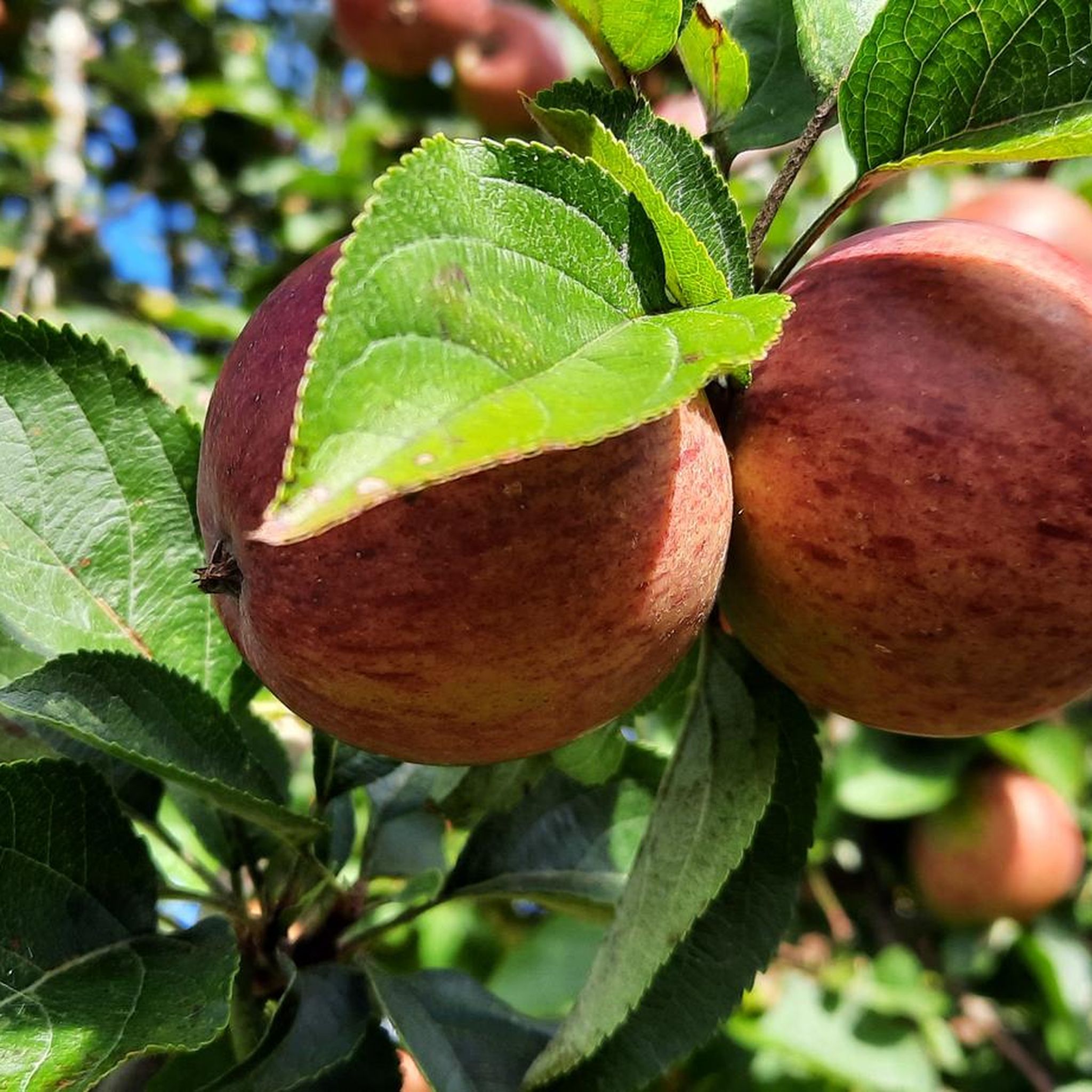
The trail around the Knapp and Papermill starts in an apple orchard with old lichen-encrusted trees that attract nuthatches and green woodpeckers. In autumn and early winter visitors should keep an eye out for butterflies such as red admiral and peacock or birds like fieldfare and redwing feasting on the fallen fruit. The Leigh Brook has cut a winding valley with steep woodlands and rich meadows. Look for grey wagtails and dippers on the brook and, during the winter months, listen for flocks of long-tailed tits and siskins in the brook-side alders. Dragonflies and damselflies thrive on the brook during spring and summer but only the luckiest of visitors may catch sight of an otter. The trail takes visitors along the brook, around meadows and through woodland. Big Meadow is a hay meadow with flowers such as knapweed, ox-eye daisy and yellow rattle together with a scattering of green-winged and common spotted orchids. Papermill Meadow is an old pasture on slightly more acid soil. This meadow is a favourite hunting ground for buzzards that breed in the valley. The much smaller Tor Meadow has orchids and cowslips. Butterflies frequent all three meadows and more than 30 species have been recorded here including common and holly blue, brimstone, purple hairstreak and white admiral. Each meadow is maintained by hay cutting and/or grazing. Woodland occupies about half the reserve and some areas are managed by coppicing. This traditional method of cutting down young stems to near ground level on a rotation ensures that trees never die and there is always a range of habitats for wildlife at different stages of re-growth. Coppicing helps to encourage the marvellous carpet of bluebells and other wildflowers (yellow archangel, stitchwort and wild garlic) that can be seen each spring. Wild service trees grow in profusion here along with both small and large-leaved lime as well as oaks and hazels. Dormice are encouraged through the provision of nest boxes, as are many species of birds and bats. The reserve is important for bats and 11 of the UK’s 17 regular breeding species are found here. Source: worcswildlifetrust.org.uk
0
0

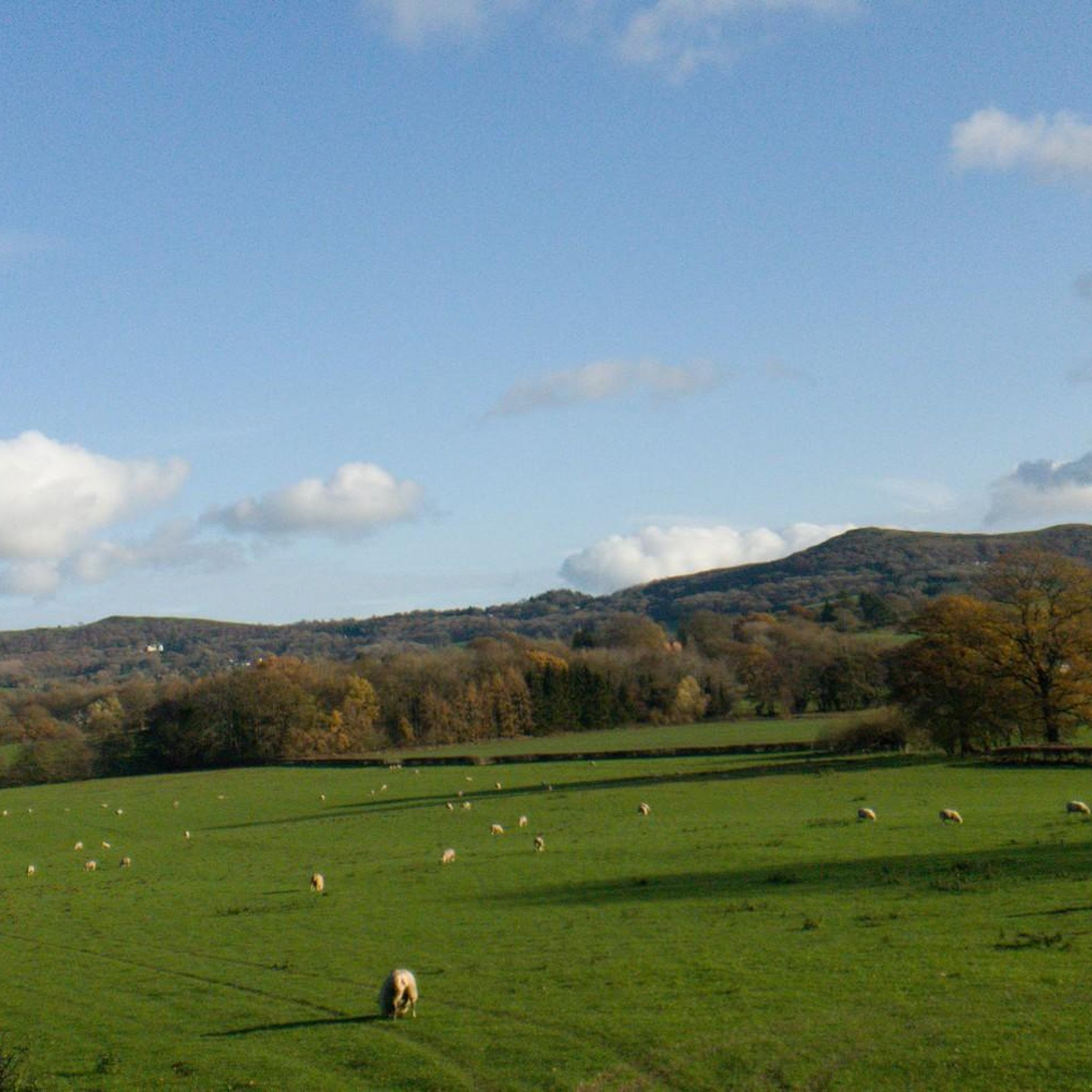
Between the Abberley Hills to the north and the Malvern Hills to the south are the gently rolling, wooded Suckley Hills, which rise above the village of the same name. It's a beautiful place for a stroll, particularly in spring and summer when the surrounding orchards and woodland are full of colour and life. Dandelions bob on the breeze, bluebells carpet the woodland and bees buzz from flower to flower.
1
0
Knightwick is a small and pretty village nestled below Ankerdine Hill and within a meander of the River Teme. It is a superb base for exploring this beautiful part of the country, with the Abberley Hills ridge and the Malverns on your doorstep and within easy driving distance of the Wye Valley AONB, the Shropshire Hills AONB, and the Cotswolds AONB. In terms of accommodation, the Talbot is a 15th-century coaching inn that serves excellent food and has rooms, perfect after a long hike.
1
0
Rising to 702 feet (214 m) above the settlements of Coddington and Colwall, Oyster Hill is a terrific viewpoint for the Malvern Hills. It is easily accessed from the market town of Ledbury, which is connected by train to Hereford and Birmingham. It is sometimes hiked in conjunction with Bradlow Knoll and neighbouring Frith Wood is a lovely place to explore, with wildflowers in spring and woodpeckers in the trees.
0
0
Frequently Asked Questions
What types of attractions can I find around Avenbury?
Avenbury is known for its diverse natural features, including scenic viewpoints, ancient woodlands, and charming settlements. You can explore places like Oyster Hill for panoramic views, the rich Blackhouse Wood Nature Reserve, and the gently rolling Suckley Hills.
Where can I find the best viewpoints in the Avenbury area?
For stunning vistas, head to Oyster Hill, which rises to 702 feet (214 m) and offers terrific views of the Malvern Hills. The Suckley Hills also provide beautiful settings for strolls with scenic outlooks.
Are there any nature reserves or ancient woodlands to explore?
Yes, the Blackhouse Wood Nature Reserve is an ancient semi-natural woodland, home to rare large-leaved lime trees and around 500 species of moths. It's a rich area for biodiversity and offers a peaceful natural escape.
What are the best times of year to visit the attractions around Avenbury?
The attractions around Avenbury are particularly beautiful in spring and summer. During these seasons, the surrounding orchards and woodlands, especially in the Suckley Hills, are vibrant with wildflowers, bluebells, and buzzing bees, making for a lively and colorful experience.
Are there family-friendly attractions in Avenbury?
Yes, the Suckley Hills are considered family-friendly, offering gently rolling, wooded terrain perfect for leisurely strolls. Additionally, the settlement of The Talbot, Knightwick, with its charming village setting, is also suitable for families.
Where can I find a good place to eat or stay in the area?
The village of Knightwick is a superb base for exploring, and its 15th-century coaching inn, The Talbot, serves excellent food and offers rooms. It's known for its own selection of excellent beers and is situated in a great location alongside the River Teme.
What kind of hiking trails are available near Avenbury's attractions?
You can find various hiking trails around Avenbury. For example, there are easy routes like the 'Wooden Horse Sculpture – Brockhampton Manor House loop from Brockhampton' (4.75 km) and moderate options such as the 'View of Bromyard – Bromyard Countryside Views loop from Bromyard' (9.35 km). You can explore more hiking routes on the Hiking around Avenbury guide.
Are there opportunities for mountain biking or cycling near these attractions?
Absolutely. For mountain biking, consider routes like the 'Leigh Castle Green – Storridge Church loop from Suckley' (27.6 km). If you prefer cycling, there are challenging routes such as the 'Northern Herefordshire hilly loop from Bromyard' (83.8 km). More options are available in the MTB Trails around Avenbury guide and the Cycling around Avenbury guide.
What do visitors particularly enjoy about the attractions in Avenbury?
Visitors appreciate the natural beauty and tranquility of the area. Highlights like Oyster Hill are praised for their 'terrific viewpoints,' while Blackhouse Wood Nature Reserve is valued for its ancient woodland and diverse wildlife. The charming village setting of The Talbot, Knightwick, is also a community favorite for its hospitality and food.
Can I combine a visit to Oyster Hill with other activities?
Yes, Oyster Hill is often hiked in conjunction with Bradlow Knoll. The neighboring Frith Wood is also a lovely place to explore, especially in spring for wildflowers or to spot woodpeckers in the trees.
What is special about the Blackhouse Wood Nature Reserve?
Blackhouse Wood Nature Reserve is a significant ancient semi-natural woodland, notable for being a stronghold for moths with around 500 species recorded. It also features rare large-leaved lime trees and a variety of other plants like wood vetch and nettle-leaved bellflower, thriving on the ridge's unique geology.

Get inspired with the komoot mobile app


Explore more
Still not found the Highlight you’re looking for? See guides of the top attractions in other regions:
