The best walks and hikes around Biddlesden
4.4
(176)
2,322
hikers
125
hikes
Hiking around Biddlesden provides access to a network of trails within the gently undulating countryside of Buckinghamshire. The area is characterized by a mix of open fields, historic parklands, and small woodlands, offering diverse scenery for outdoor exploration. Routes in this region typically feature low elevation changes, making them suitable for various fitness levels. The landscape includes features such as the historic Stowe Gardens and areas near Silverstone Circuit.
Best hiking trails around Biddlesden
- The most popular hiking route is…
Last updated: October 9, 2026
5.0
(2)
144
hikers
8.22km
02:07
40m
40m
Moderate hike. Good fitness required. Easily-accessible paths. Suitable for all skill levels.
17
hikers
Easy hike. Great for any fitness level. Easily-accessible paths. Suitable for all skill levels.

15
hikers
4.19km
01:05
20m
20m
Easy hike. Great for any fitness level. Easily-accessible paths. Suitable for all skill levels.
4.5
(2)
4
hikers
Moderate hike. Good fitness required. Easily-accessible paths. Suitable for all skill levels.
16
hikers
6.08km
01:33
20m
20m
Easy hike. Great for any fitness level. Easily-accessible paths. Suitable for all skill levels.
Get access to more routes and recommendations from other explorers.
Already have an account?
Our route recommendations are based on thousands of hikes, rides, and runs completed by other people on komoot.
Start today with a free account
Your next adventure awaits.


Tips from the Community

Accessible as part of the old-track walk at the Silverstone Interactive Museum.
0
0

Situated about 330 ft (100 m) to the east of the Corinthian Arch, the inn was built in 1717 specifically to provide accommodation for visitors to the gardens. It was expanded and rebuilt in several phases. The inn housed a small brewery, a farm and dairy. It closed in the 1850s, then being used as a farm, smithy and kennels for deer hounds. The building was purchased in a ruinous condition by the National Trust in 2005. In 2010 work started on converting it into the new visitor centre, and since 2011 this has been the entrance for visitors to the gardens.[49] Visitors had formerly used the Oxford Gates. The New Inn is linked by the Bell Gate Drive to the Bell Gate next to the eastern Lake Pavilion, so called because visitors used to have to ring the bell by the gate to gain admittance to the property. Source: Wikipedia
0
0

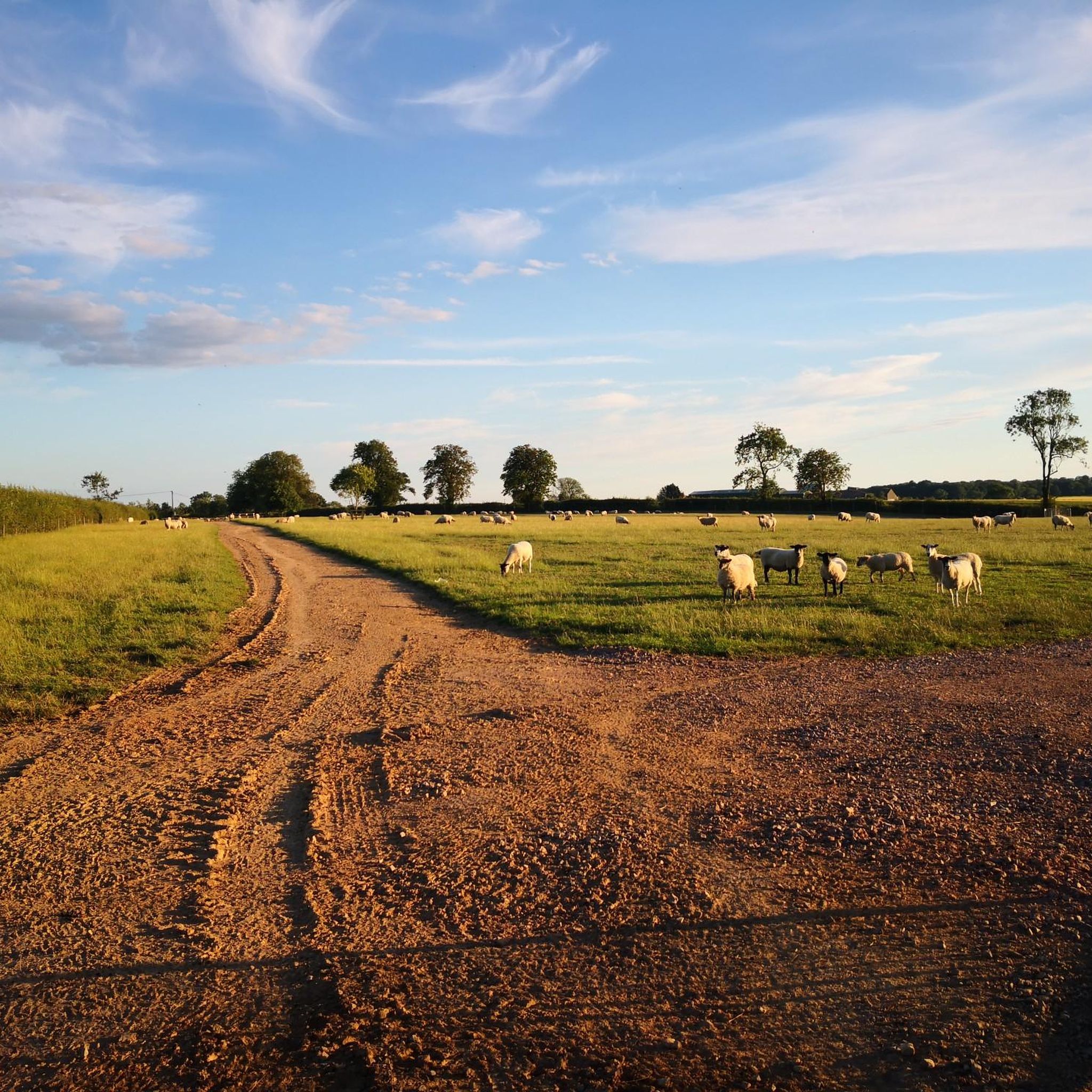
Pleasant section of walking through a mosaic of farmland.
2
0

Surrounding Stowe House, the grand 18th-century home of the powerful Temple-Grenville family, Stowe Landscape Gardens are a Georgian delight. Winding paths take you along lakesides, past architectural treats and to picture-postcard views. Dogs are welcome as long as they are kept on leads and there are even designated water bowls along the trails.
0
0
Stowe House is a beautiful Grade I-listed country house, surrounded by wonderful parkland and majestic gardens. The gardens and park are owned by the National Trust and are open to the public, while Stowe House itself is the home of the independent Stowe School. The estate has existed in various forms since the 16th century but it was in the 18th century that the powerful Temple-Grenville family built the lavish country house. It was said to be so grand that even Queen Victoria was taken aback by the splendour of its interior. However, wild parties, scandal and excessive spending saw the Temple-Grenville's go from the richest family in England to the greatest debtors in the world. Fortunately for Stowe House, investors revived its fortunes in 1922, when the school was founded.
1
0

Off the beaten track and less visited but stunning, be wary of the animal faeces splattered everywhere.
0
0
A great chance to photograph the map before entering, saves taking the proper version and contributes to taking care of the environment.
0
0
I love the examples of the 'worthies' all kinds of historical contributors and pioneers in their own right.
1
0
Frequently Asked Questions
How many hiking trails are there in Biddlesden?
Biddlesden offers a wide selection of hiking opportunities, with over 130 trails available for exploration. These range from easy strolls to more moderate excursions through the Buckinghamshire countryside.
Are there options for beginner hikers in Biddlesden?
Yes, Biddlesden is very welcoming for beginners. There are nearly 90 easy routes available, characterized by low elevation changes and well-maintained paths, making them suitable for various fitness levels.
What do other hikers enjoy the most about hiking in Biddlesden?
The hiking trails around Biddlesden are highly rated by the komoot community, with an average score of 4.5 stars from over 150 reviews. Hikers frequently praise the diverse scenery, which includes historic parklands and open countryside, and the accessibility of the routes.
Are there any circular walks in Biddlesden?
Many of the trails in Biddlesden are designed as circular routes, allowing you to start and finish at the same point. For example, the Silverstone Circuit loop from Silverstone Circuit offers a moderate 8.2 km circuit, while the Winding Forest Path – Silverstone Circuit Woods loop from Silverstone Circuit is an easier 5 km option.
Can I bring my dog on the trails in Biddlesden?
Most public footpaths and bridleways in the Biddlesden area are dog-friendly, provided dogs are kept under control, especially near livestock. Always check local signage for specific restrictions, particularly within nature reserves or private estates like Stowe Gardens, where dogs may be restricted to certain areas or require leads.
Are there family-friendly walks in Biddlesden?
Absolutely. The gentle terrain and numerous easy routes make Biddlesden ideal for family walks. Trails through woodlands and open fields provide safe and enjoyable environments for children. Consider routes that explore the edges of historic parklands for interesting sights without strenuous climbs.
What kind of views or landmarks can I expect to see on a hike?
Biddlesden's landscape is rich with historic and natural landmarks. You can explore the classical architecture within Stowe Gardens, such as the Temple of Ancient Virtue or the New Inn Visitor Centre. Other notable sights include the Diamond Jubilee Obelisk and the serene Octagon Lake.
Are there any waterfalls near Biddlesden?
Yes, you can discover the Lower Cascade Waterfall, which is a charming natural feature in the vicinity of Biddlesden. It offers a picturesque spot for a break during your hike.
Where can I find parking for Biddlesden walks?
Parking is generally available at key access points for popular trails, such as visitor centers for larger estates like Stowe Gardens or designated car parks near villages and trailheads. Some routes, particularly those starting near Silverstone Circuit, also offer specific parking facilities. Always check for local signage and potential fees.
Is Biddlesden accessible by public transport for hikers?
While Biddlesden itself is a rural village, some nearby towns and larger attractions like Stowe Gardens or Silverstone Circuit may have limited bus services connecting them to larger transport hubs. However, for most trailheads, personal transport is often the most convenient option for accessing the hiking routes.
What is the best time of year for hiking in Biddlesden?
The spring and autumn months are particularly pleasant for hiking in Biddlesden, with mild temperatures and beautiful seasonal colours. Summer offers longer daylight hours, while winter walks can be crisp and atmospheric, especially through the woodlands, though paths may be muddy.
What kind of wildlife might I encounter on the trails?
The diverse habitats around Biddlesden, including woodlands, fields, and parklands, support a variety of wildlife. You might spot common birds, deer, foxes, and various small mammals. Keep an eye out for local bird species, especially near water features or in denser wooded areas.
Are there any pubs or places to eat near the hiking trails?
Yes, the villages and towns surrounding Biddlesden often feature traditional pubs and cafes where you can refuel after a hike. These establishments provide a welcoming stop for refreshments and local fare, often with outdoor seating options during warmer months.
Most popular attractions around Biddlesden

Get inspired with the komoot mobile app


Explore more
Browse the best Hikes in other regions.
