The best walks and hikes around Tingewick
4.3
(169)
1,976
hikers
109
hikes
Hikes around Tingewick explore the Buckinghamshire countryside, an area characterized by a patchwork of open fields, hedgerows, and remnants of ancient woodland. The landscape is generally flat with gentle, rolling hills, making it accessible for most fitness levels. Many footpaths and bridleways cross through this agricultural scenery, with some routes incorporating sections of the historic Stowe Landscape Gardens.
Best hiking trails around Tingewick
- The most popular hiking route is Stowe Landscape Gardens, a 4.3 mile (6.9 km) trail that…
Last updated: August 16, 2026
4.9
(38)
424
hikers
6.93km
01:48
50m
50m
Easy hike. Great for any fitness level. Easily-accessible paths. Suitable for all skill levels.
4.1
(7)
25
hikers
11.8km
03:03
70m
70m
Moderate hike. Good fitness required. Mostly accessible paths. Sure-footedness required.

Sign up for free
4.5
(4)
44
hikers
15.8km
04:10
130m
130m
Moderate hike. Good fitness required. Easily-accessible paths. Suitable for all skill levels.
3.4
(5)
29
hikers
Moderate hike. Good fitness required. Easily-accessible paths. Suitable for all skill levels.
30
hikers
3.11km
00:48
10m
10m
Easy hike. Great for any fitness level. Easily-accessible paths. Suitable for all skill levels.
Get access to more routes and recommendations from other explorers.
Sign up for free
Already have an account?
Our route recommendations are based on thousands of hikes, rides, and runs completed by other people on komoot.
Start today with a free account
Your next adventure awaits.
Login or Signup
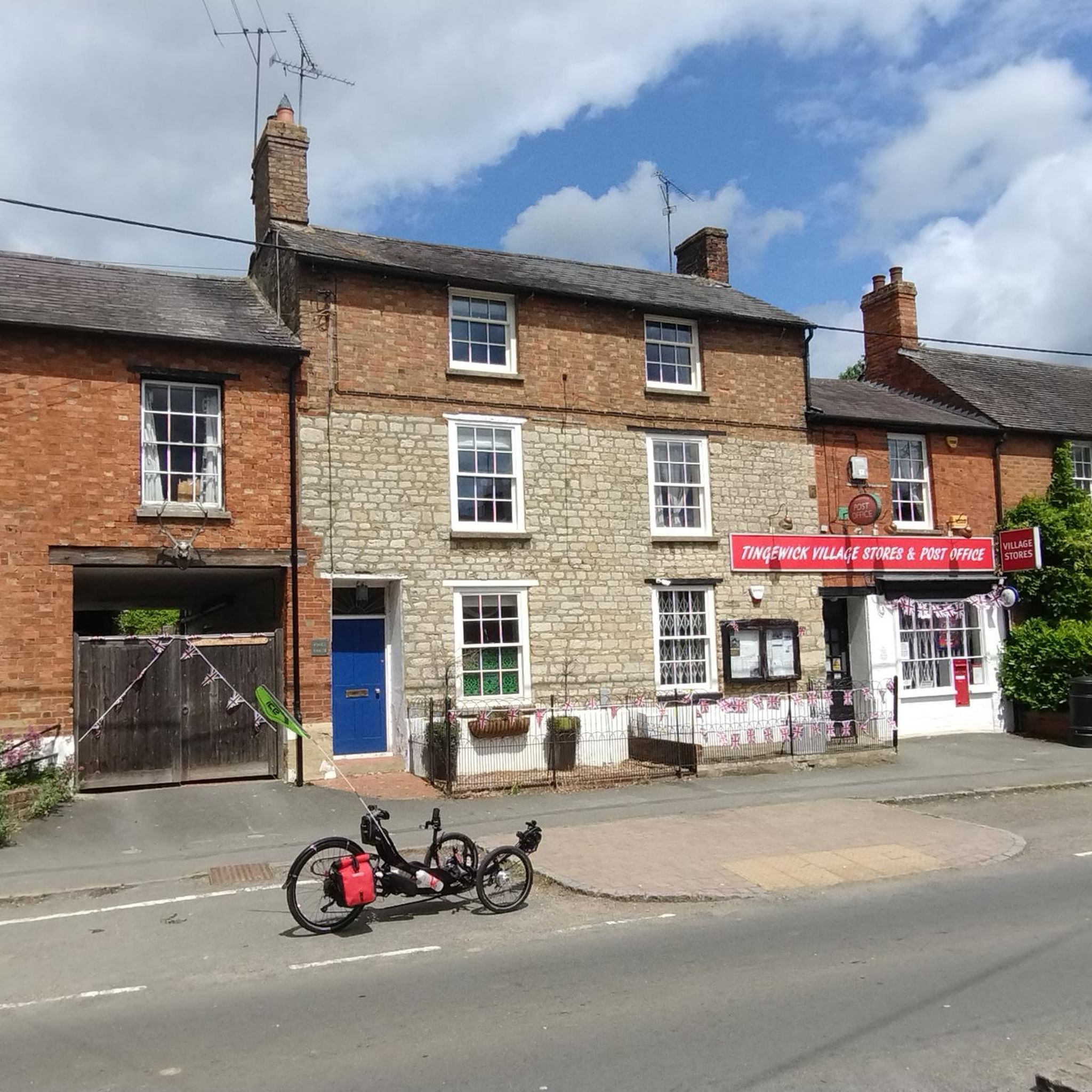


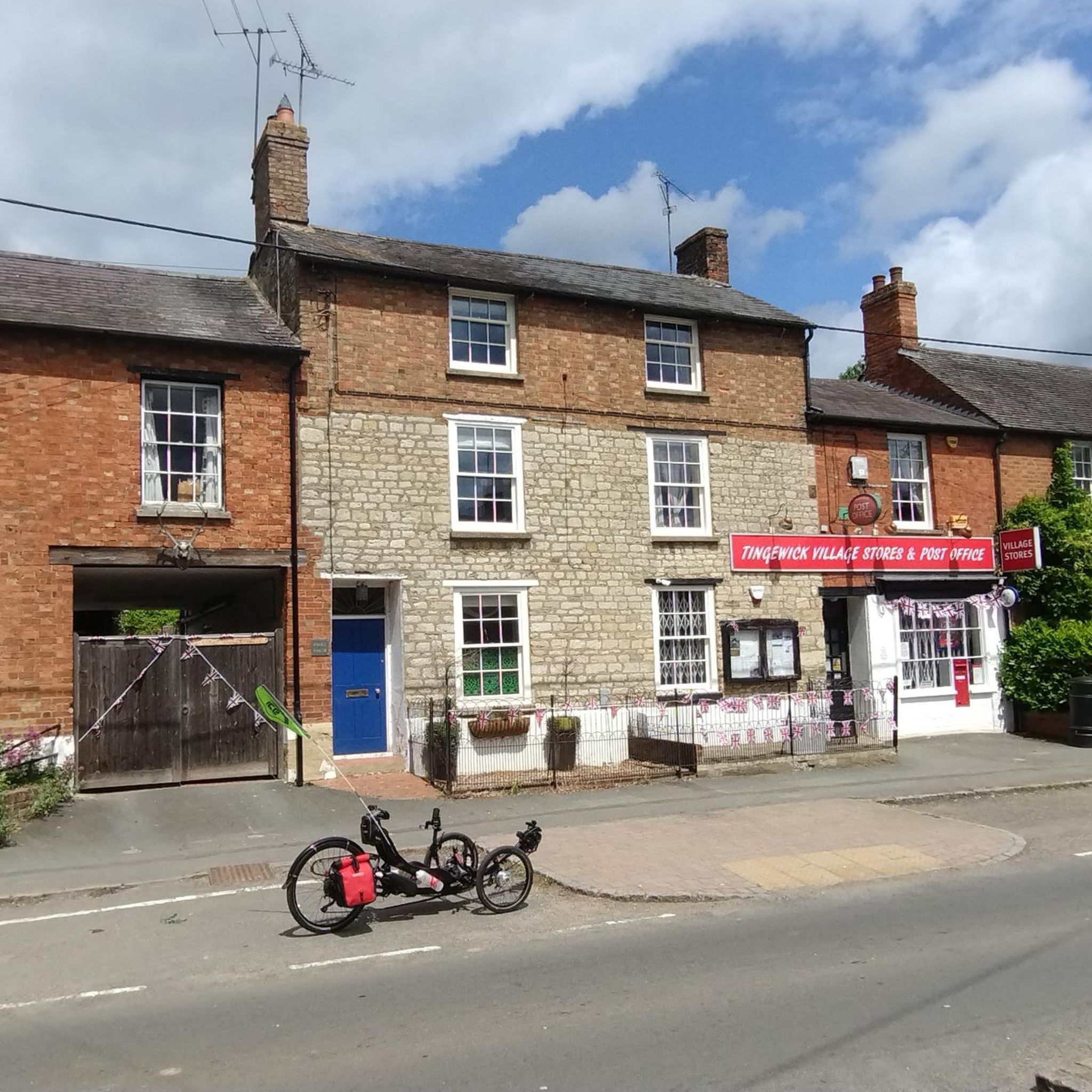
Tips from the Community

The Fane of Pastoral Poetry is a small octagonal temple of ashlar stone, four sides pierced by semi-circular headed arches. The building originally had a steeply domed roof it is now maintained as a roofless ruin. The temple was built by Gibbs in about 1726-7 on the site now occupied by Queen Caroline's Monument and was known as the Gibbs building. It was originally surrounded by the eight Rysbrack British Worthies. Plans were prepared by Borra to convert it to a Temple of Diana but this was never carried out. It was demolished and re-erected in a simpler form on its present site in the mid 1760's. Also known as the Belvedere and in the sale catalogues as the Egyptian Building. Small roofless structure 1727/3 by Gibbs, as The Belvedere. Re-erected on present site 1760's. Ashlar stone with moulded cornice. Octagonal, 4 sides pierced by semi-circular headed arches, with keyblocks, stepped architraves and impost mouldings. Blank oculi in angled faces. In a glade in the wood at the far end of the Grecian Valley is the small open-sided temple or belvedere designed by Gibbs for Lord Cobham, and first set up as part of the early, western phase of the garden in September 1729. It was originally known simply as ‘Gibbs’s Building’ and stood on a mound (accommodating an ice-house) in an almost exactly opposite relationship to the house, to the south-west, where it provided a viewpoint towards the Rotondo and the Queen’s Theatre, and housed the series of busts by Rysbrack (Bacon, Hampden, Locke, Milton, Newton, Shakespeare, Queen Elizabeth and William III) which were later transferred to the Temple of British Worthies in the Elysian Fields. Gibbs’s Building was repositioned by Earl Temple in the 1760s to frame a view of Wolfe’s Obelisk, which he had recently set up outside the gardens to the north, and was rechristened the Fane of Pastoral Poetry. The building also provided framed prospects over the surrounding park, reached via the shady groves of the Grecian Valley. Van Nost’s lead figure of Thalia, the Muse of Pastoral Poetry, was placed just to the north of it. The statue was one of his series of Apollo and the Nine Muses which was removed from the South Vista in the 1740s (see p. 24), but she no longer survives at Stowe. The four terms once outside the Fane are now at Port Lympne. Statue - Muse of Pastoral Poetry - was installed on Tuesday the 4th December 2018. This statue is a direct copy of the c18th lead statue of Heroic Poetry located on the Grenville Column which is attributed to van Nost. Originally (1720s) this statue was locatd on the south front parterre. Source: https://heritagerecords.nationaltrust.org.uk/HBSMR/MonRecord.aspx?uid=MNA130213
0
0

From here it is not far to the Palladian Bridge.
1
0
From here you have a beautiful view of the landscape.
1
0
A very prominent Palladian bridge in the park, it is one of the highlights of this property.
1
0

Enjoyable stretch of jogging along the beautiful River Great Ouse that runs through Buckingham.
0
0
Meander along paved paths through the pretty Bourton Park. The park is home to a diverse eco-system featuring kingfishers, frogs, and otters.
1
0
Woodland walk along the edge of the magnificent Stowe Landscape Gardens. If you have time, you may want to divert into the gardens and explore the many structures and statues here.
2
0
Pleasant section of walking through a mosaic of farmland.
2
0
Frequently Asked Questions
Are there many circular walks available near Tingewick?
Yes, the area is well-suited for circular hikes. Many routes combine public footpaths through farmland with trails in landscaped parks. For a longer, more varied loop, consider the Chackmore to Akeley loop via Stowe Landscape Gardens, which takes you through villages and the historic gardens.
What is the terrain like on the hiking trails?
The landscape around Tingewick is defined by gentle, rolling hills and flat river valleys. You'll encounter a mix of surfaces, including grassy field paths, farm tracks, and well-maintained gravel paths within parks like Stowe. After rain, some of the field paths can become muddy, so waterproof footwear is recommended.
Are the walks around Tingewick suitable for families and beginners?
Definitely. The majority of trails in the area are rated as easy, with minimal elevation gain. The paths are generally well-defined, making for a relaxed day out. A great option for an easy walk is the Buckingham Old Gaol loop from Buckingham, which is a short and relatively flat route.
Can I bring my dog on the trails?
Dogs are generally welcome on the public footpaths, but you will likely cross fields with livestock, so keeping them on a lead is essential. Be aware that some areas, such as the formal Stowe Landscape Gardens, may have specific rules or restricted access for dogs, so it's best to check their policy before you go.
Where can I park to start a walk near Tingewick?
Parking is often found in the villages that serve as trailheads. For walks starting in Buckingham, there are town car parks available. Some routes starting near Stowe may have dedicated parking, but this can be limited. Always check for local parking restrictions, especially when parking on village streets.
Are there any pubs or cafes on the walking routes?
Yes, many walks start or pass through villages like Tingewick, Chackmore, or Buckingham, where you can find traditional pubs and cafes. Planning your route to finish in one of these villages is a great way to enjoy refreshments after your hike.
How can I get to the trailheads using public transport?
The nearby town of Buckingham is the main hub for public transport in the area, with bus services connecting it to surrounding towns and villages. From Buckingham, you can access several trailheads on foot, including paths along the River Great Ouse and routes leading towards Stowe.
What kind of scenery can I expect on a hike?
The scenery is classic English countryside: a patchwork of agricultural fields divided by hedgerows, quiet country lanes, and sections of ancient woodland. A unique feature is the proximity to the 18th-century Stowe Landscape Gardens, where trails wind past ornate temples, bridges, and tranquil lakes.
What do other hikers think of the trails around Tingewick?
The area is highly regarded by the komoot community, with an average rating of 4.5 stars. Hikers often praise the peaceful atmosphere of the countryside and the unique experience of walking through the historic, man-made landscapes of Stowe.
Are there any long-distance paths that pass through the area?
Yes, the Bernwood Jubilee Way, a long-distance trail exploring the former royal hunting forest of Bernwood, passes near the area. You can hike sections of this trail to experience a mix of woodland and open field walking. The Ouse Valley Way also runs nearby, offering pleasant riverside paths.
What historical landmarks can I see while hiking?
The area is rich in history. The Palladian Bridge at Stowe – Palladian Bridge, Stowe loop from Mount Pleasant route is a perfect example, taking you past one of the most famous 18th-century follies in England. The wider Stowe estate contains over 40 historic temples and monuments to discover.
Most popular attractions around Tingewick

Get inspired with the komoot mobile app


Explore more
Browse the best Hikes in other regions.
