The best running trails around Monks Kirby
4.4
(27)
4,765
runners
368
runs
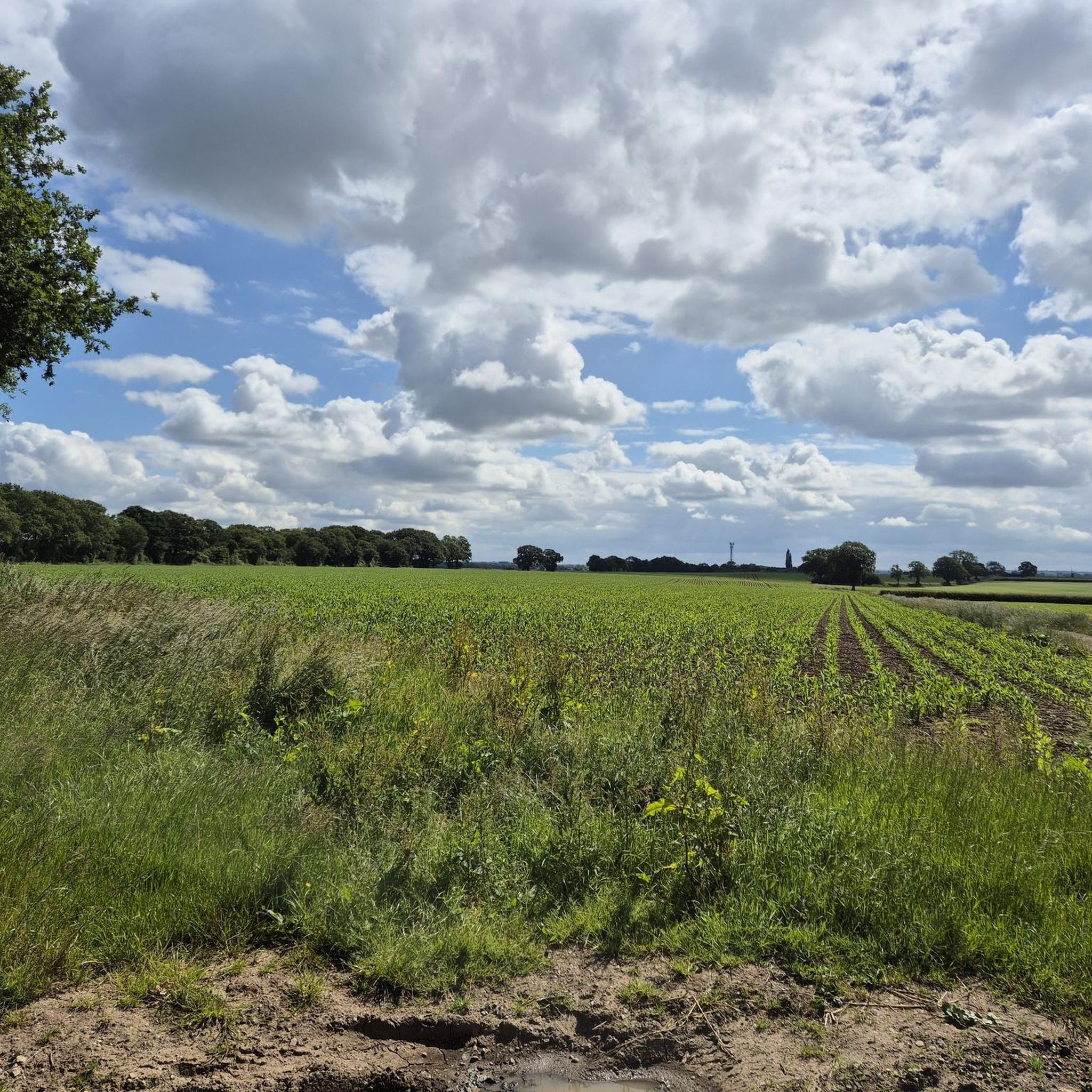
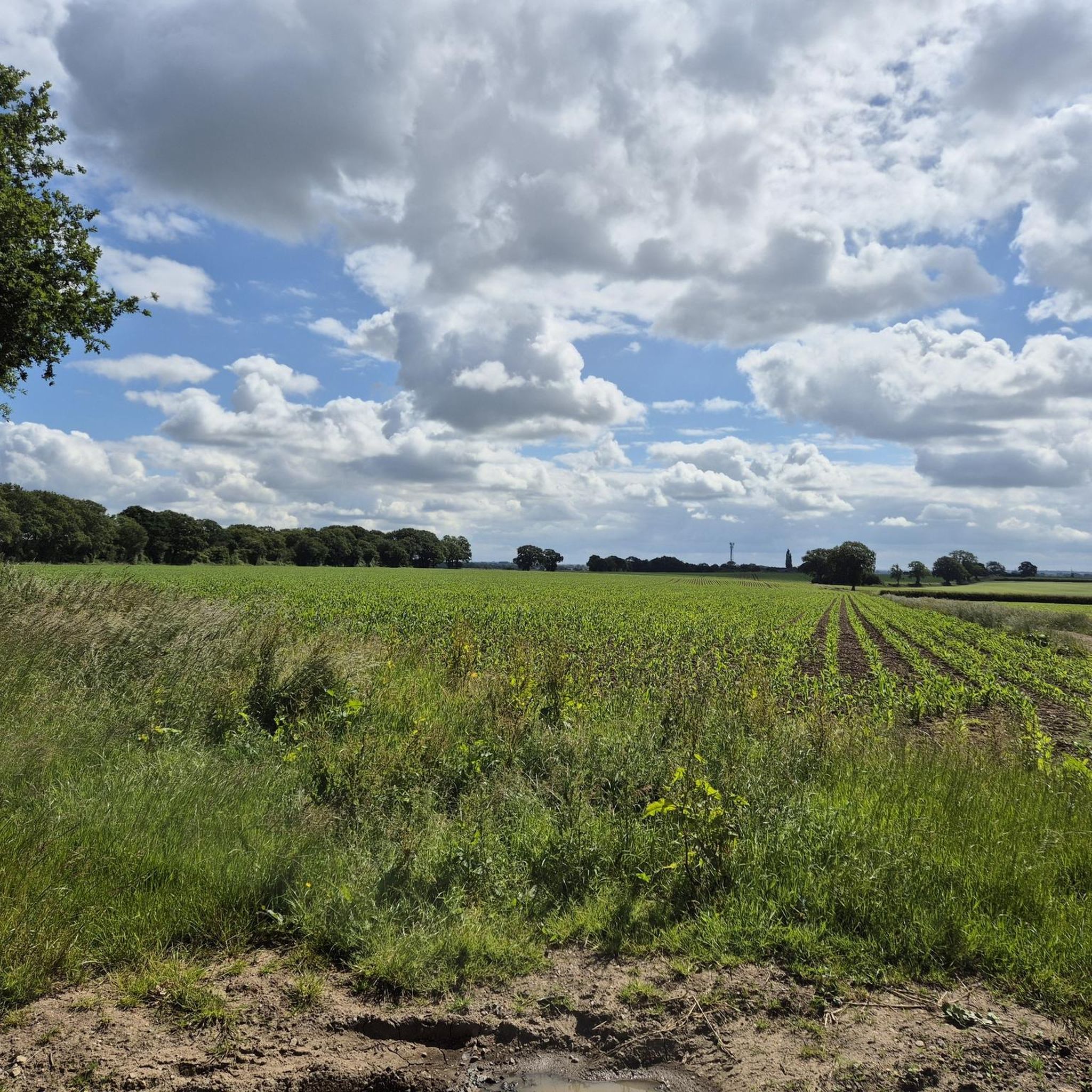
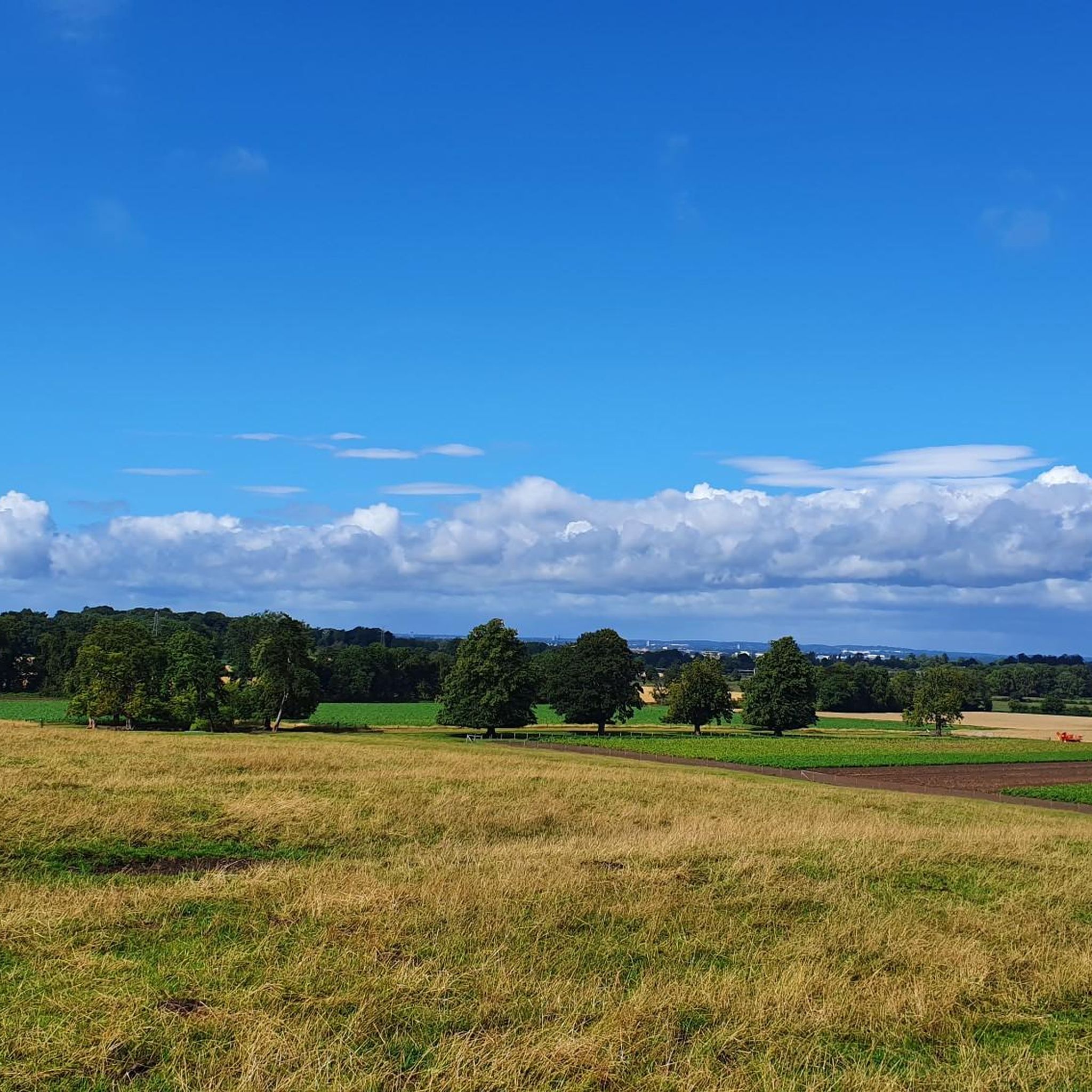
Jogging around Monks Kirby offers a varied experience through rural Warwickshire, characterized by its gentle topography and a patchwork of fields, meadows, and woodlands. The area includes significant green spaces like Fosse Meadows and Newnham Paddox, which provide shaded paths and varied terrain. Streams such as the River Swift and Smite Brook wind through the countryside, adding to the scenic variety of the running routes. This setting provides a mix of relatively level paths and gentle slopes suitable for different…
Last updated: July 7, 2026
60
runners
6.98km
00:43
30m
30m
Moderate run. Good fitness required. Mostly paved surfaces. Suitable for all skill levels.
15
runners
10.9km
01:08
120m
110m
Moderate run. Good fitness required. Mostly paved surfaces. Suitable for all skill levels.

Sign up for free
9
runners
Moderate run. Good fitness required. Mostly paved surfaces. Suitable for all skill levels.
9
runners
Moderate run. Good fitness required. Mostly paved surfaces. Suitable for all skill levels.
10
runners
10.3km
01:04
50m
50m
Moderate run. Good fitness required. Mostly paved surfaces. Suitable for all skill levels.
Get access to more routes and recommendations from other explorers.
Sign up for free
Already have an account?
Our route recommendations are based on thousands of hikes, rides, and runs completed by other people on komoot.
Start today with a free account
Your next adventure awaits.
Login or Signup

Tips from the Community

The church isn't level inside! It's well worth popping in. The VE Day memorial is very well done and worth a closer look.
0
0

Brinklow Castle is a medieval fortress that dates back to the 12th century. The ruins stand atop a hill, providing panoramic views of the surrounding countryside.
2
0


Brinklow Castle is known locally as the Tump. It's a medieval motte and bailey castle based on a prehistoric long barrow and modified in the 11th century. It's quite large for this period with a 12m high motte and a 121m by 152m bailey. The grass mounds are still clearly visible.
0
0

The parish church of ST. JOHN THE BAPTIST, on the west side of the main street, stands in a small churchyard on the slope of a hill, the ground falling from east to west, its eastern boundary being the outer ditch of the castle. It consists of a chancel, nave, north and south aisles, west tower, and north and south porches; the south porch has been converted into a vestry. It was rebuilt about the end of the 15th century and all that remains of the earlier church is the chancel, parts of the north aisle walls and possibly the staircase to the roodloft. The chancel is built of a mixture of limestone and sandstone rubble patched with bricks and tiles and has a modern steep-pitched tiled roof, modern coping and cross finial, and rebuilt buttresses. It is lighted on the east by a modern window of three pointed lights with a hood-mould and head-stops. The south side has a central buttress, and west of it are two restored lancet windows with a narrow doorway between them. The lancet to the west is divided by a transom to form a low side window. The doorway has a restored pointed arch, the splay carried down the jambs. The north side has a central buttress and another butting against the aisle wall, with a restored lancet window between them. The south aisle is built of red sandstone ashlar with a plinth of one splay, stepped down to conform with the slope of the ground. The wall is diminished in thickness by a weathered offset at sill level. It has a low-pitched lead-covered roof with a plain low parapet, with a moulded coping projected on a moulded stringcourse. The east gable is lighted by a partly restored traceried window of three cinquefoil lights under a hollow-moulded four-centred head. The south wall has buttresses at the angles, two intermediately, and a porch towards the western end. It is lighted between the buttresses by three windows similar to the one in the east wall. The porch has been rebuilt in brick and stone with a tiled roof and the entrance blocked to form a vestry. The south door, which has a four-centred arch under a square head, has been mutilated. The west end is similar to the east, but the coping is carried up as a lean-to instead of a gable. The buttress at the angle is diagonal, splayed to a point. The north aisle is built of rubble similar to the chancel and has a lean-to roof covered with lead, a battlemented parapet with trefoil panelled pinnacles at each end and crocketed finials. Originally there were two intermediate pinnacles, of which only the bases remain. The north side has diagonal buttresses at the angles, one intermediate and, towards the west, a porch. It is lighted by two three-light traceried windows with splayed fourcentred heads, the centre light trefoiled, the two outer cinquefoil; by a similar window on the east; and on the west by a trefoiled single light with a square head. The porch is timber-framed with a tiled roof, and the entrance has been fitted with a pair of modern doors. On both sides the timbering has been concealed, externally with roughcast and internally with plaster. The front retains its timbering, the entrance having a heavy moulded frame and four-centred head, carved spandrels and lintel, and a timber-framed gable plastered between the timbers. The door has a moulded four-centred head, square hood-mould, carved spandrels, and trefoil-panelled soffit and reveals which have been badly mutilated. In the centre of the hood-mould there is a shield with three swords (for Clarke). The tower is built of light-coloured sandstone ashlar with a moulded plinth and battlemented parapet on a coved string-course; at each angle there are bases for pinnacles. It rises in four stages, diminished at each stage by weathered offsets on the north and south, and on the east and west at the first and half-way up the third only. At the angles there are diagonal buttresses rising in five stages and splayed off to a sharp edge, except at the third stages on the west side which have gabled trefoiled niches. The west doorway, in a deep wave-moulded splay, is constructed of red sandstone and has a moulded four-centred arch under a square head, with carved spandrels. It is flanked by wall aracading in two tiers of trefoil-headed roll-moulded panels. Above the doorway is a tall pointed traceried window of three cinquefoil lights with a hood-mould, the tracery and mullions being modern, and in the second stage a clock dial. The tower staircase is in the south-west angle, with a loop-light to each stage and a square-headed doorway opening on to the aisle roof. The belfry is lighted on each face by pointed traceried windows of two trefoil lights, and the ringing chamber by similar windows on the north and south. Internally the floor of modern tiles has been laid to a continuous fall from east to west, probably taking the place of a series of steps, as the bases of the arcade pillars and windows are stepped down following the slope. The walls, except the arcades and tower, are plastered, the plaster being finished round all the aisle windows with scalloped edges. The chancel (28 ft. 4 in. by 15 ft. 6 in.) has four steps from the nave and three to the altar in addition to the slope of the floor. The east wall has a dado of modern coloured embossed tiles, and the window a segmental pointed rear-arch. At the east end of the south wall there is a shallow recess with a segmental pointed stop-chamfered head, probably a blocked piscina. The lancet windows have splayed recesses with square heads, and the doorway a segmental pointed rear-arch. The roof is a modern hammer-beam, its trusses supported on carved stone corbels. It is continued under the chancel arch with twin trusses, panelled between with pierced panels and supported on slender stone shafts with carved capitals and moulded bases resting on moulded corbels. The nave (48 ft. 3 in. by 17 ft. 7 in.) has a modern open roof with curved trusses resting on moulded timber corbels. Both arcades consist of five bays of pointed arches, of two splayed orders, supported on lozenge-shaped roll-moulded pillars, the arch splays dying out on the mouldings, which terminate in splayed stops on plain lozenge-shaped pedestals. At the junction of the south arcade with the chancel there is a circular stair up to a square-headed doorway which gave access to a rood, and half-way up there is a pointed opening to the aisle. It is lighted from the east by a small square-headed two-light window. The chancel arch is a modern pointed one, of two splayed orders, dying out on the north wall and on the south resting on a floriated corbel. The tower has a pointed arch of two splays to the tower and three to the nave, the inner order supported on three-quarter-round responds with moulded capitals and bases. The arch is of red sandstone with capitals of a light-coloured stone, and on the tower side in the apex there is a carving of an angel. The south-west angle is corbelled out in three steps for the tower staircase, the upper step being trefoiled, and below it there is a square-headed doorway. The pulpit and reading desk, of stone, are modern. The south aisle (49 ft. by 12 ft. 9 in.) has a lowpitched open roof of five bays with moulded members and carved bosses in the centres of the tie-beams. It probably dates from the early 16th century; the boarding and some rafters are modern. The trusses rest on stone corbels on the south wall, and on the north the outer roll mouldings of the arcade pillars are carried up with capitals in place of corbels. At the east end, the north-east angle is splayed to accommodate the staircase to the rood. The windows have hollowmoulded reveals with four-centred rear-arches, the window to the east having its arch extended eastwards and carried down to form a recess. The east wall has an offset at sill level with a chamfered stone capping, and the window reveals are carried down as a recess. In the east window there are some fragments of early coloured glass consisting of two chalices and parts of a canopy. The north aisle (45 ft. 7 in. by 9 ft. 11 in.) has a lean-to roof of five bays, of which two retain some of their original moulded members, probably early-16thcentury. The trusses are supported on stone corbels on the north wall and on square blocks of stone as capitals to the outer roll moulding of the arcade pillars. Over the door there is a painted coat of arms of George IV. The font, with a lead-lined basin, is built into the west side of the north arcade pillar opposite the door. It is of stone, with an octagonal moulded basin with paterae, and octagonal stem and base which has been rendered in cement. It has been re-dressed but is probably contemporary with the arcade. Near the door there is a small 17th-century oak chest with three hasps and fitted with lifting rings at each end. In the centre and east windows there are a few fragments of early glass, including a peacock and portions of a castle. The tower (15 ft. 10 in. by 13 ft.) has a window with widely splayed reveals, and a rear-arch of two splayed orders; the recess is carried down to include the doorway. In the chancel and aisles there are a number of 18thand 19th-century wall memorials. There are five bells, all of 1705, by Joseph Smith of Edgbaston. The registers begin in 1558.
0
0

Nice loop but can be busy with traffic, down one hill and up the other side into Brownsover
2
0
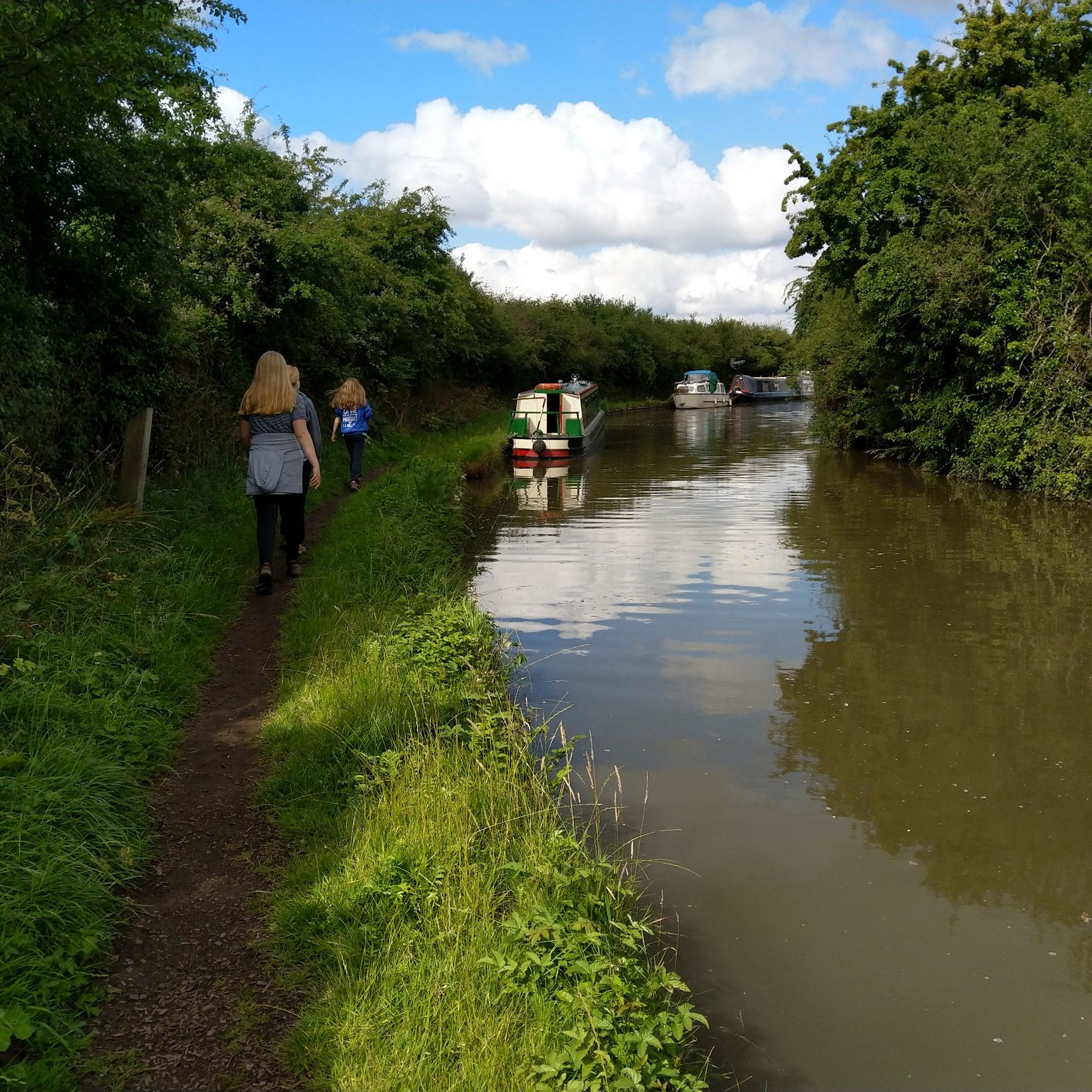
A lovely walk either side, canal a bit muddy, going towards Coventry along the canal is a bit over grown with side of the bak missing as well... Can be done though. Other way is a great ride, jump off at different bridges...
1
0
The place hasn't changed in years and the roads are still bad for bikes...
1
0
Frequently Asked Questions
How many running routes are available around Monks Kirby?
There are nearly 400 running routes in and around Monks Kirby, offering a wide variety of options for all fitness levels. You'll find everything from easy, short runs to more challenging, longer trails.
What kind of terrain can I expect on the jogging trails in Monks Kirby?
The terrain around Monks Kirby is characterized by a mix of gentle topography, including modest hills and valleys, alongside extensive flat sections. You'll encounter a patchwork of fields, meadows, and woodlands, with some routes following streams and brooks. Trails like the Brinklow Castle loop offer varied rural landscapes, while others provide straightforward paths.
Are there any easy or beginner-friendly running routes in Monks Kirby?
Yes, Monks Kirby offers 27 easy running routes, perfect for beginners or those looking for a relaxed jog. These routes typically feature gentle slopes and well-maintained paths, allowing for an enjoyable experience through the countryside.
What historical landmarks or points of interest can I see while running in Monks Kirby?
Several routes incorporate historical features. You can jog past the medieval Brinklow Castle, which offers panoramic views. The ancient Roman Road, Fosse Way, also runs through the area, providing a historic track. Additionally, you might encounter highlights like Hawkesbury Canal Junction or St John the Baptist Church on some routes.
Are there any circular running routes available?
Many of the running routes around Monks Kirby are circular, allowing you to start and finish in the same location. For example, the Lutterworth Town Centre loop and the View of Brownsover loop are popular circular options that showcase the local scenery.
What do other runners say about the trails in Monks Kirby?
The running routes in Monks Kirby are highly rated by the komoot community, with an average score of 4.3 stars from over 20 reviews. Runners often praise the varied terrain, the peaceful rural setting, and the opportunities to explore both natural beauty and historical elements.
Are the running trails in Monks Kirby suitable for families?
Yes, the area offers several family-friendly running routes, particularly the easier ones. The gentle topography and extensive green spaces, such as Fosse Meadows with its wide paths, make it suitable for families to enjoy a jog together. Always check the route details for specific difficulty and length.
What kind of natural features or wildlife can I expect to see?
Monks Kirby is rich in natural beauty. You can expect to see broadleaf woodlands, open fields, and meadows. Streams like the River Swift and Smite Brook wind through the countryside, and there's a nearby lake adding to the scenic variety. Keep an eye out for local flora and fauna, especially in areas like Fosse Meadows and Newnham Paddox.
Are there any running routes that go through woodlands or green spaces?
Absolutely. A significant portion of the area around Monks Kirby is covered in woodlands and green spaces. Fosse Meadows is a diverse natural haven with broadleaf woodlands and wide paths ideal for running. Newnham Paddox also features 115 hectares of park and woodland, including ornamental plantations like The Grove, offering shaded and scenic routes.
What is the best time of year to go running in Monks Kirby?
Monks Kirby offers enjoyable running conditions throughout much of the year. Spring and autumn provide pleasant temperatures and beautiful scenery with changing foliage. Summer is also great, especially on shaded woodland paths. Winter runs can be picturesque, but it's always advisable to check local conditions for mud or ice on trails.
Are there any routes that feature water bodies like rivers or lakes?
Yes, several routes incorporate water features. Streams and brooks, including the River Swift and Smite Brook, wind through the countryside, offering pleasant paths along their banks. The historic landscape park of Newnham Paddox also features an informal lake, providing scenic views during your run.
Where can I find parking for the running trails in Monks Kirby?
While specific parking details for every route vary, many trails start from or pass near villages and public access points where parking is typically available. For routes originating from specific locations like Clifton upon Dunsmore or Stretton under Fosse, designated car parks (CP) are often indicated. It's always recommended to check the individual route details on komoot for precise parking information.
Most popular attractions around Monks Kirby

Get inspired with the komoot mobile app


Explore more
Browse the best Running Trails & Routes in other regions.
