Attractions and Places To See around Kirby Muxloe - Top 20
Best attractions and places to see around Kirby Muxloe include a blend of historical sites and natural landscapes. This Leicestershire village is known for its 15th-century Kirby Muxloe Castle, a significant landmark. The area also offers access to natural features such as Bradgate Park and Beacon Hill, providing opportunities for outdoor exploration.
Best attractions and places to see around Kirby Muxloe
- The most popular attractions is Beacon Hill Summit, a natural monument that is the second highest peak in Leicestershire. It showcases views of Charnwood Forest and the Soar Valley.
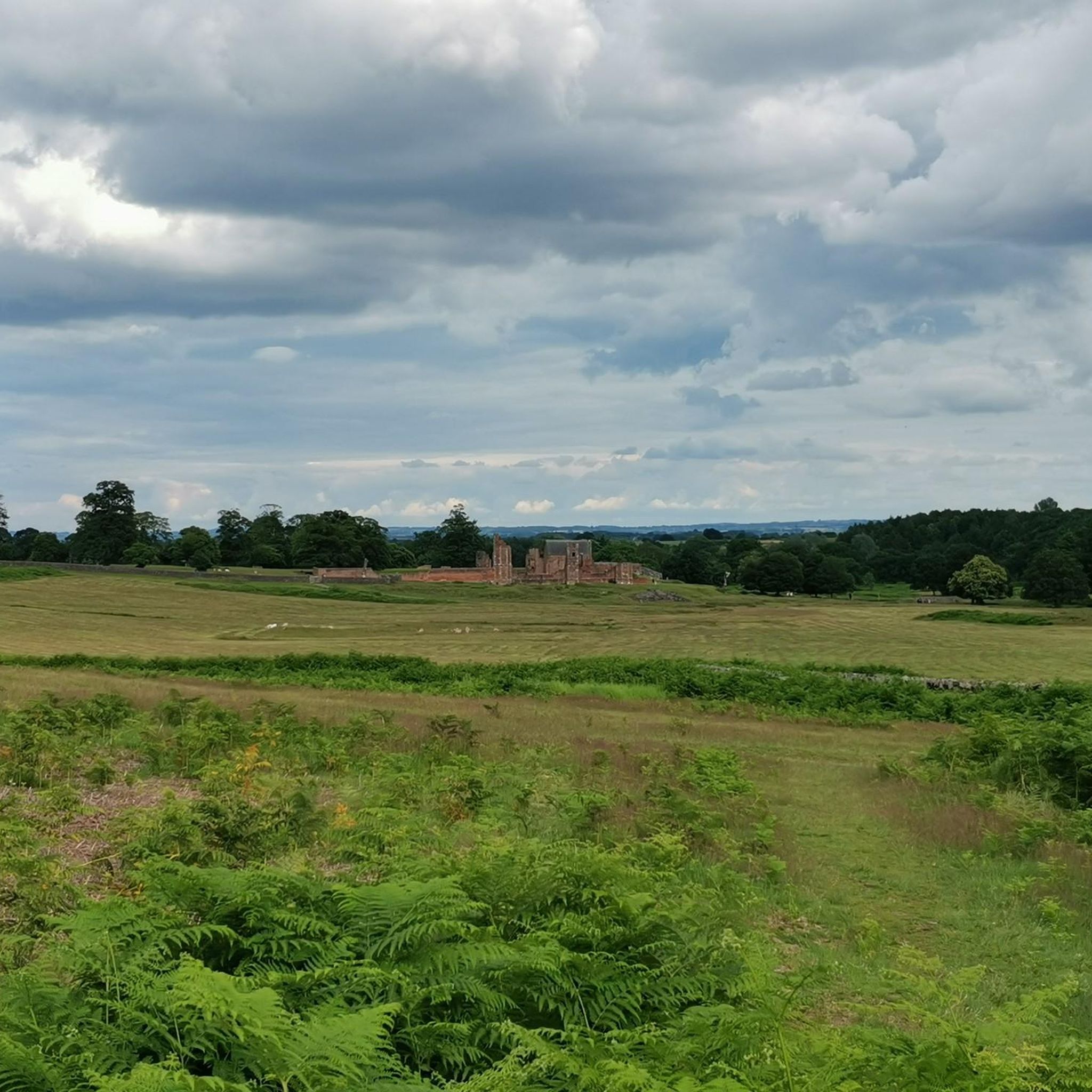
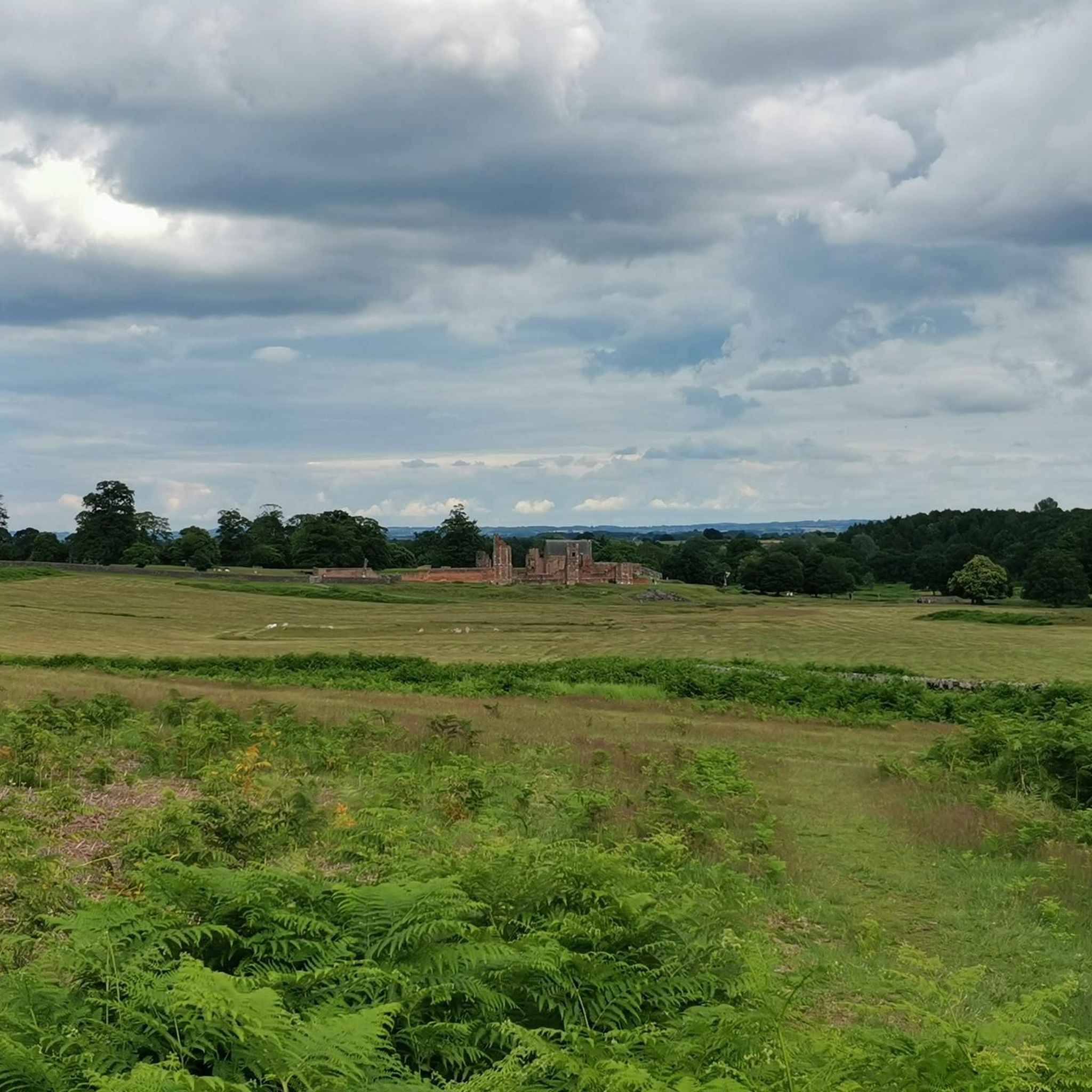
- Another must-see spot is Ruins of Bradgate House, a historical site. Bradgate House was a Tudor mansion built in the early 1500s and was lived in by the Grey family.
- Visitors also love Old John Tower, Bradgate Park, a man-made monument. Old John is the highest hill in Bradgate Park, giving its name to the folly that stands at its top.
- Kirby Muxloe is known for historical sites, natural monuments, and viewpoints. The region offers a variety of attractions to see and explore.
- The attractions around Kirby Muxloe are appreciated by the komoot community, with more than 170 upvotes and over 150 photos shared.
Last updated: October 19, 2026
Old John Tower, Bradgate Park
Highlight • Monument
The earliest recorded use of the name is on a map of 1754, which records a windmill on the site, some 30 years before the tower was built. The tower itself began life as a ruined folly, built in 1784, during the time of George Grey, 5th Earl of Stamford. He got Thomas Sketchley of Anstey to build him the mock ruin, which had strong similarities to Mow Cop, Staffordshire. It was adapted in the mid-19th century by the seventh Earl to serve as an observation tower for the practice circuit he laid out for his horses, along with the building of a stable block lower down the hill.
Tip by

Beacon Hill Summit
Highlight • Natural Monument
Situated just 2 miles from the M1 motorway and a stone's throw away from Loughborough, the peak offers superb accessibility for those seeking fabulous views with minimal effort.
Tip by

Sign up now to discover places like this
Get recommendations on the best single tracks, peaks, & plenty of other exciting outdoor places.
Ruins of Bradgate House
Highlight • Historical Site
Tip by

Bradgate Park Deer Park
Highlight • Lake
Tip by

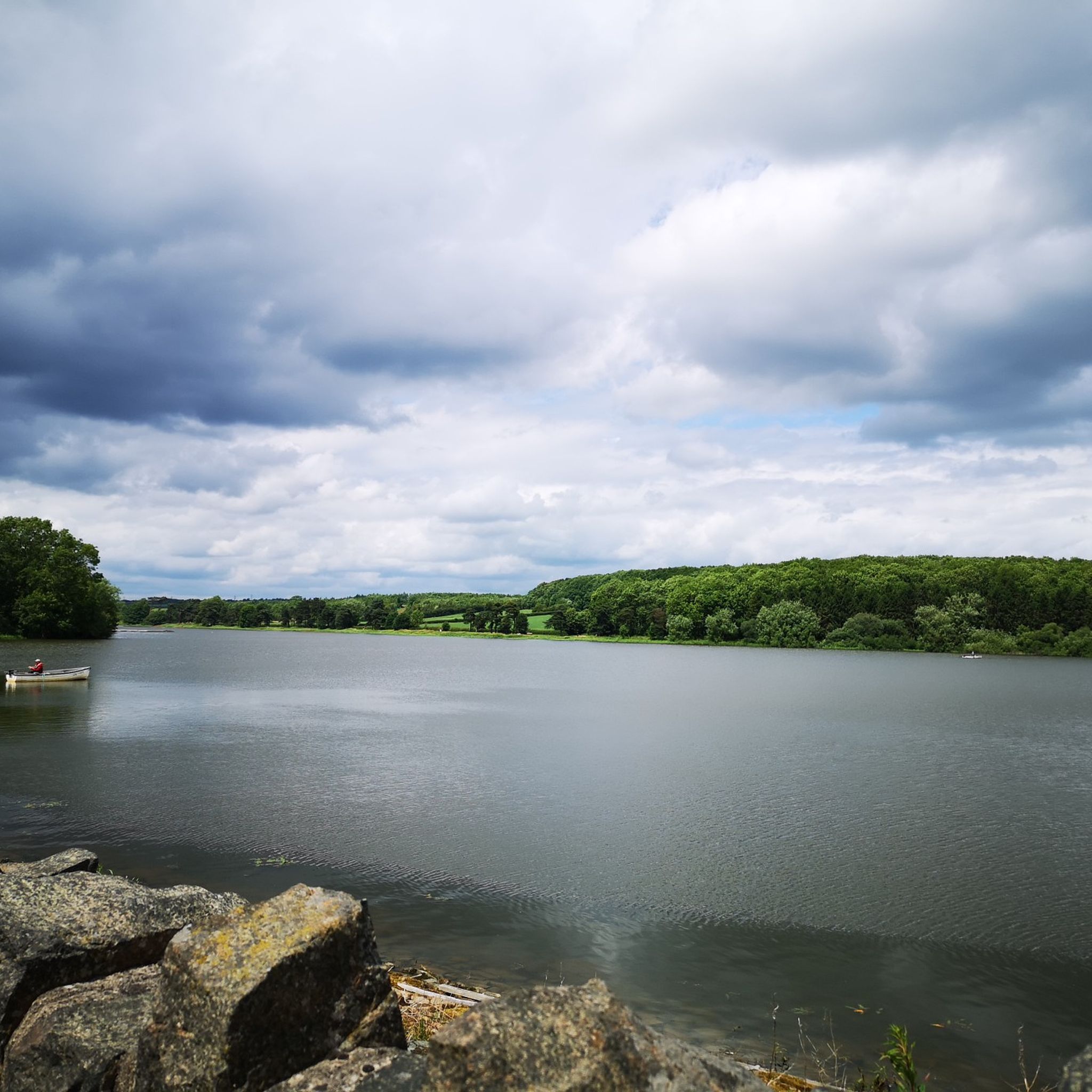
Cropston Reservoir
Highlight • Lake
Most of the land required for the reservoir, dam and waterworks belonged to the Bradgate Estate. Lord Stamford insisted that a stone wall be built around the boundary to separate the deer park from the reservoir, instead of the proposed iron railings. This wall, 1,500 yards long was eventually built at a cost of 8s 10d per yard.
Joseph Reeves, Head Gamekeeper, outside his house.
Some of the Bradgate Estate land was part of the deer park, but most was farmland let out on very long leases. One farmer, Joseph Allen, lost virtually all his farm. Two members of the Matts family had theirs considerably reduced in size.
The Gamekeeper’s house and land, together with a nearby bridge, were also in the area to be flooded. The house, together with its stables and outhouses, were demolished and the bricks sold.
Part of the footpath between Anstey and Hallgates was submerged, as was the site of the old rabbit warren (or conery).
Tip by

Sign up for free to discover even more attractions around Kirby Muxloe.
Already have an account?
Start today with a free account
Your next adventure awaits.
Tips from the Community

beacon hill country park great views at the top looking over Loughborough, cafe ,park for children, horse riding ,maze,
1
0

In September 1867, 180 acres of land was purchased for a cost of £24,000. Most of the land required for the reservoir, dam and waterworks belonged to the Bradgate Estate. Lord Stamford insisted that a stone wall be built around the boundary to separate the deer park from the reservoir, instead of the proposed iron railings. This wall, 1,500 yards long was eventually built at a cost of 8s 10d per yard. Joseph Reeves, Head Gamekeeper, outside his house. Some of the Bradgate Estate land was part of the deer park, but most was farmland let out on very long leases. One farmer, Joseph Allen, lost virtually all his farm. Two members of the Matts family had theirs considerably reduced in size. The Gamekeeper’s house and land, together with a nearby bridge, were also in the area to be flooded. The house, together with its stables and outhouses, were demolished and the bricks sold. Part of the footpath between Anstey and Hallgates was submerged, as was the site of the old rabbit warren (or conery).
3
0

Beacon Hill is a tremendous viewpoint and the second highest peak in Leicestershire. It showcases spectacular views of Charnwood Forest, the Soar Valley and beyond. Situated just 2 miles from the M1 motorway and a stone's throw away from Loughborough, the peak offers superb accessibility for those seeking fabulous views with minimal effort.
2
0

Bradgate House is one of England's great 'lost country houses', a once-magnificent Tudor mansion and the birthplace of Lady Jane Grey, the tragic 'Nine Days Queen'. The story of Bradgate House goes back long before Lady Jane's birth, however, and is intertwined with the history of Bradgate Park, a large country park in which the ruins stand. Bradgate Park began as a hunting ground in the early 13th century. It was enclosed by an earthwork bank and ditch, topped by oak timbers. In 1445 the park passed by marriage to the Grey family, who owned it for the next 5 centuries. The first grey owner was Edward Grey, whose son John married Elizabeth Woodville. After John's death at the Battle of St Albans in 1461 Elizabeth married King Edward IV. One of Elizabeth's sons by her first marriage was Sir Thomas Grey, the 1st Marquess of Dorset.
1
1
Old John is the highest hill in Bradgate Park, Leicestershire, England, on the southern edge of Charnwood Forest. It gives its name to the folly that stands at its top. The hill stands at 696 foot (212 m) high, and is a prominent landmark across Leicester and Leicestershire. The earliest recorded use of the name is on a map of 1754, which records a windmill on the site, some 30 years before the tower was built. The tower itself began life as a ruined folly, built in 1784, during the time of George Grey, 5th Earl of Stamford. He got Thomas Sketchley of Anstey to build him the mock ruin, which had strong similarities to Mow Cop, Staffordshire. It was adapted in the mid-19th century by the seventh Earl to serve as an observation tower for the practice circuit he laid out for his horses, along with the building of a stable block lower down the hill.
1
1

Toilets available at Bradgate Park car park ( Cropston )
1
0

Arrive early at Bradgate Park to enjoy it at its best. It's a lovely ride, but as a very popular attraction, the park can get very busy with pedestrians later in the day. Cyclists do not have right of way, and you may be asked to dismount on very busy days. Stick to the tarmac as cycling off-route can attract heavy fines.
3
0
Frequently Asked Questions
What historical sites can I explore around Kirby Muxloe?
Kirby Muxloe is best known for the 15th-century Kirby Muxloe Castle, a moated, brick-built fortified mansion. Nearby, you can also visit the Ruins of Bradgate House, a Tudor mansion that was once home to Lady Jane Grey, and Old John Tower, a historic folly within Bradgate Park.
Are there natural beauty spots or viewpoints near Kirby Muxloe?
Yes, the area offers several natural highlights. Beacon Hill Summit is the second-highest peak in Leicestershire, offering spectacular 360-degree views of Charnwood Forest and the Soar Valley. You can also enjoy scenic views at Cropston Reservoir and from Old John Tower in Bradgate Park.
What outdoor activities, like walking or cycling, are available around Kirby Muxloe?
The region around Kirby Muxloe is excellent for outdoor activities. You can find numerous walking trails, including easy routes around the moated Kirby Muxloe Castle grounds. For more extensive walks, explore Bradgate Park. Cyclists can enjoy various routes, with options for both road cycling and touring. For specific routes, check out the Running Trails around Kirby Muxloe, Road Cycling Routes around Kirby Muxloe, and Cycling around Kirby Muxloe guides.
Are there family-friendly attractions in the Kirby Muxloe area?
Absolutely. Many attractions are suitable for families. Bradgate Park, home to the Bradgate Park Deer Park, Ruins of Bradgate House, and Old John Tower, is a popular choice for all ages. The grounds around Kirby Muxloe Castle are also pleasant for family strolls. Beacon Hill Summit offers rewarding views with minimal effort, making it accessible for families.
Where can I see wildlife near Kirby Muxloe?
The Bradgate Park Deer Park is an excellent place to spot wild deer. The moated grounds of Kirby Muxloe Castle also support interesting local wildlife. Additionally, the Kirby Muxloe parish actively manages road verges to improve biodiversity, and local initiatives encourage recording wildlife in these 'Wild Places'.
What is the historical significance of Kirby Muxloe Castle?
Kirby Muxloe Castle is a significant 15th-century moated, brick-built fortified mansion. It was started in 1480 by William, Lord Hastings, but was never fully completed due to his execution for treason. Its well-preserved remains, including a fine gatehouse and a complete corner tower, showcase intricate brickwork patterns. You can walk around the moat for free, and guided tours of the interior are available through English Heritage.
Can I find easy walking trails around Kirby Muxloe?
Yes, there are several easy walking options. The paths around the moated Kirby Muxloe Castle are gentle and offer pleasant views. Bradgate Park also has accessible routes, though some areas can be more challenging. For specific easy cycling routes, consider the 'View of Cropston Reservoir – Ruins of Bradgate House loop' or 'Smooth Road for Cycling loop' mentioned in the Road Cycling Routes around Kirby Muxloe guide.
What are the options for cycling near Kirby Muxloe?
Cycling is a popular activity in the area. Bradgate Park is a well-known spot, though cyclists should be mindful of pedestrians. You can find dedicated routes for road cycling and touring bicycles. Explore options like the 'Cropston Reservoir – Bradgate Park loop' for touring or the 'Sutton Wharf Café – Market Bosworth Country Park loop' for road cycling. More details are available in the Cycling around Kirby Muxloe and Road Cycling Routes around Kirby Muxloe guides.
Is there parking available at the main attractions?
Parking is generally available near major attractions. For Kirby Muxloe Castle, there are parking options nearby. Bradgate Park has car parks, such as the one near Cropston Reservoir, though it can get busy, especially on weekends and holidays. It's advisable to arrive early during peak times.
What is the best time of year to visit Kirby Muxloe attractions?
The attractions around Kirby Muxloe can be enjoyed year-round. Spring and summer offer pleasant weather for outdoor activities and exploring the natural landscapes. Autumn provides beautiful foliage, especially in areas like Bradgate Park and Beacon Hill. Winter visits can be serene, though some facilities might have reduced hours. Weekends and holidays tend to be busier, so consider visiting on weekdays for a quieter experience.
Are there any cafes or pubs near the attractions?
Yes, you'll find options for refreshments. The Castle Hotel, a 17th-century pub and restaurant, overlooks Kirby Muxloe Castle and offers dining. Bradgate Park also has a cafe and an ice-cream van, particularly near Beacon Hill Summit, where you can find cakes and other treats.
What makes Beacon Hill Summit a popular spot?
Beacon Hill Summit is highly popular due to its status as the second-highest peak in Leicestershire, offering spectacular 360-degree views of Charnwood Forest and the Soar Valley. It's easily accessible, making it a rewarding destination for those seeking impressive vistas with minimal effort. Visitors often praise the great walks, cafe, and ice-cream options available.
What can I expect to see at Bradgate Park?
Bradgate Park is a large, diverse area offering a mix of natural beauty and historical sites. You can explore the Bradgate Park Deer Park, home to wild deer, and climb Old John Tower for panoramic views. The park also features the Ruins of Bradgate House, a Tudor mansion with a rich history. It's a popular spot for walking, cycling, and enjoying nature.
Is Kirby Muxloe Castle accessible to visitors?
The grounds around Kirby Muxloe Castle, including the moat walk, are generally accessible. For detailed information on interior access, especially for those with mobility concerns, it's recommended to check the official English Heritage website. They manage the site and can provide specific accessibility details for guided tours and facilities. You can find more information on their site: English Heritage - Kirby Muxloe Castle.
What are the historical connections of Bradgate House?
Bradgate House was a significant Tudor mansion built in the early 1500s. It served as the residence of the Grey family for 220 years, most notably being the childhood home of Lady Jane Grey, who was Queen of England for nine days. The house was abandoned in the 1730s and declared a ruin by 1790, but its remains offer a fascinating glimpse into this important period of English history.
Most popular routes around Kirby Muxloe
Most popular attractions around Kirby Muxloe

Get inspired with the komoot mobile app


Explore more
Still not found the Highlight you’re looking for? See guides of the top attractions in other regions:
