Attractions and Places To See around L'Esquirol - Top 20
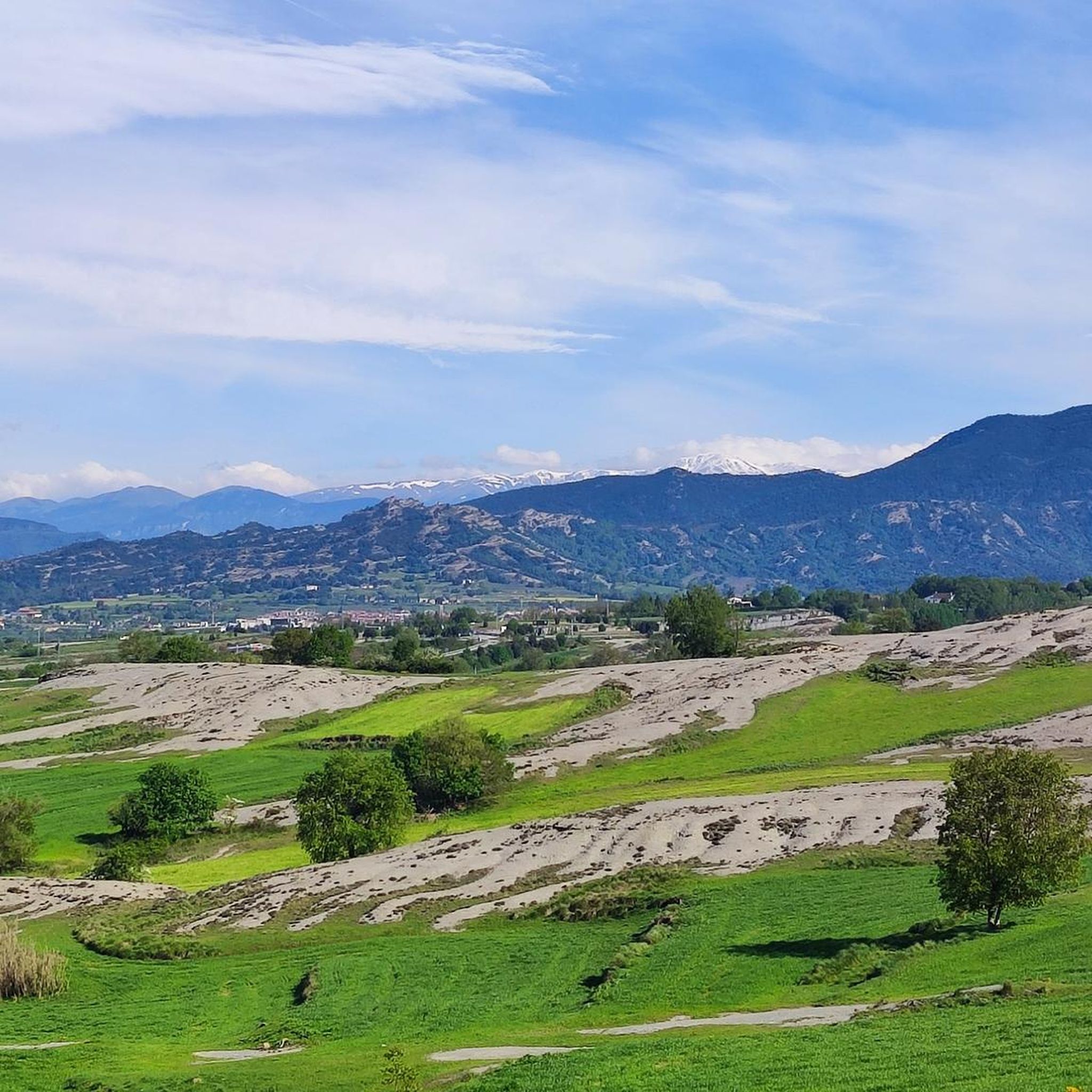
Best attractions and places to see around L'Esquirol, a municipality in the Osona county of Catalonia, Spain, blend natural beauty with rich cultural heritage. Situated as a gateway to the Collsacabra region, it offers impressive landscapes and historical sites. The area provides a variety of natural features and cultural landmarks for exploration.
Best attractions and places to see around L'Esquirol
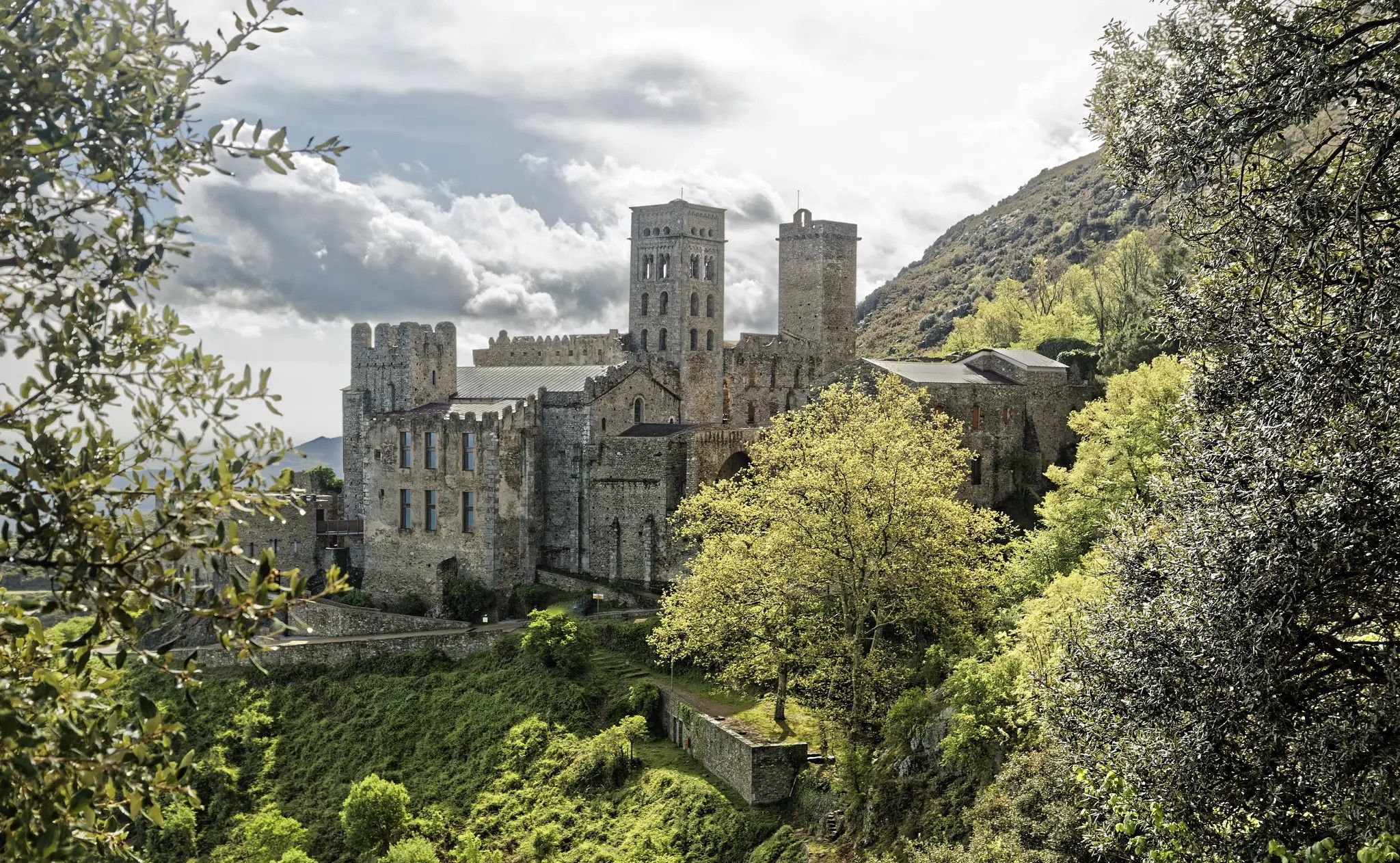
- The most popular attractions is Rupit Village, a settlement that is a medieval village dating back to the 15th century. It features picturesque alleys and houses, situated amidst natural surroundings.
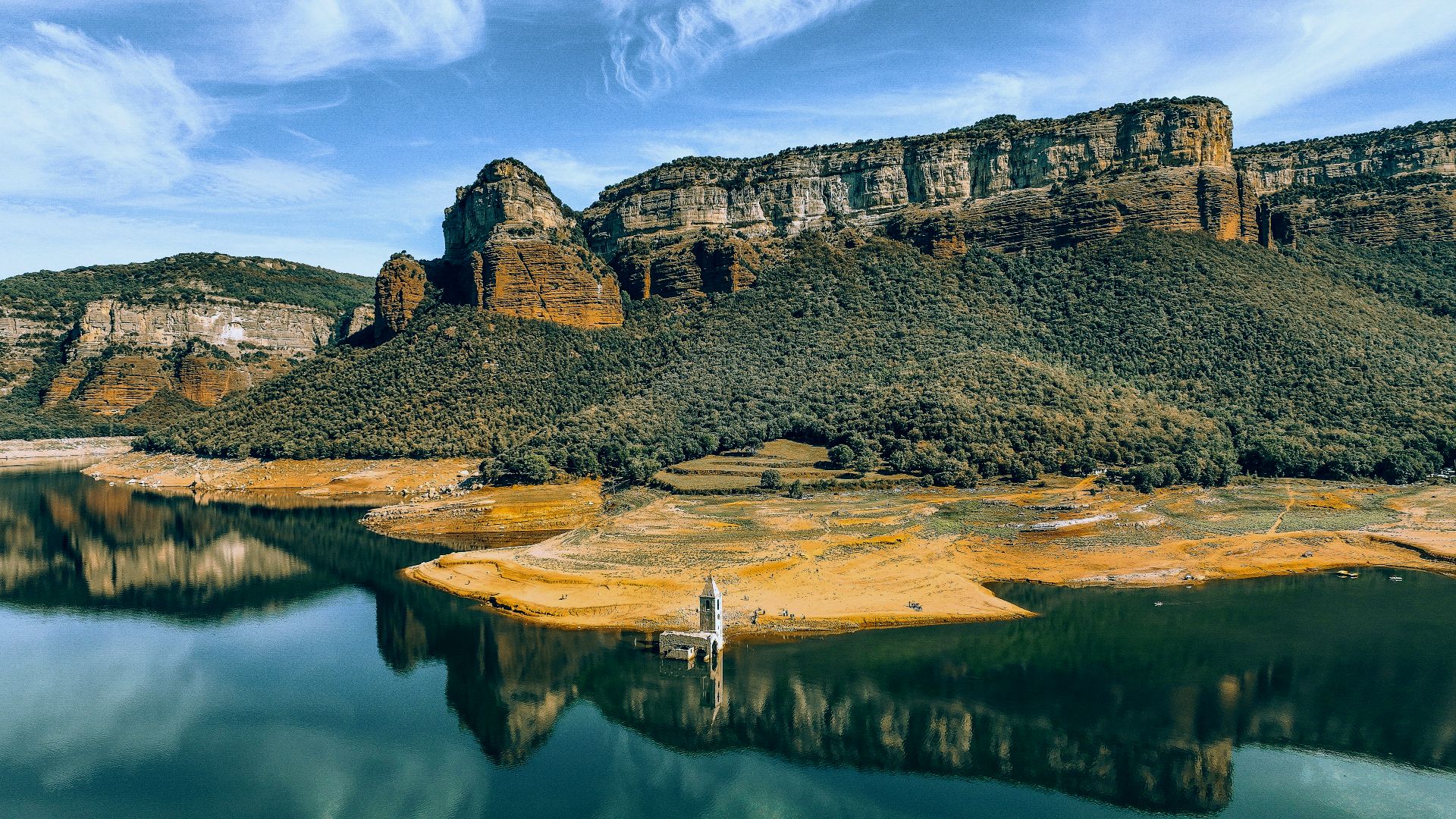
- Another must-see spot is Church of Sant Romà de Sau (Submerged Bell Tower), a religious building and historical site. When water levels are low, the bell tower of the submerged church becomes visible, offering a unique sight.
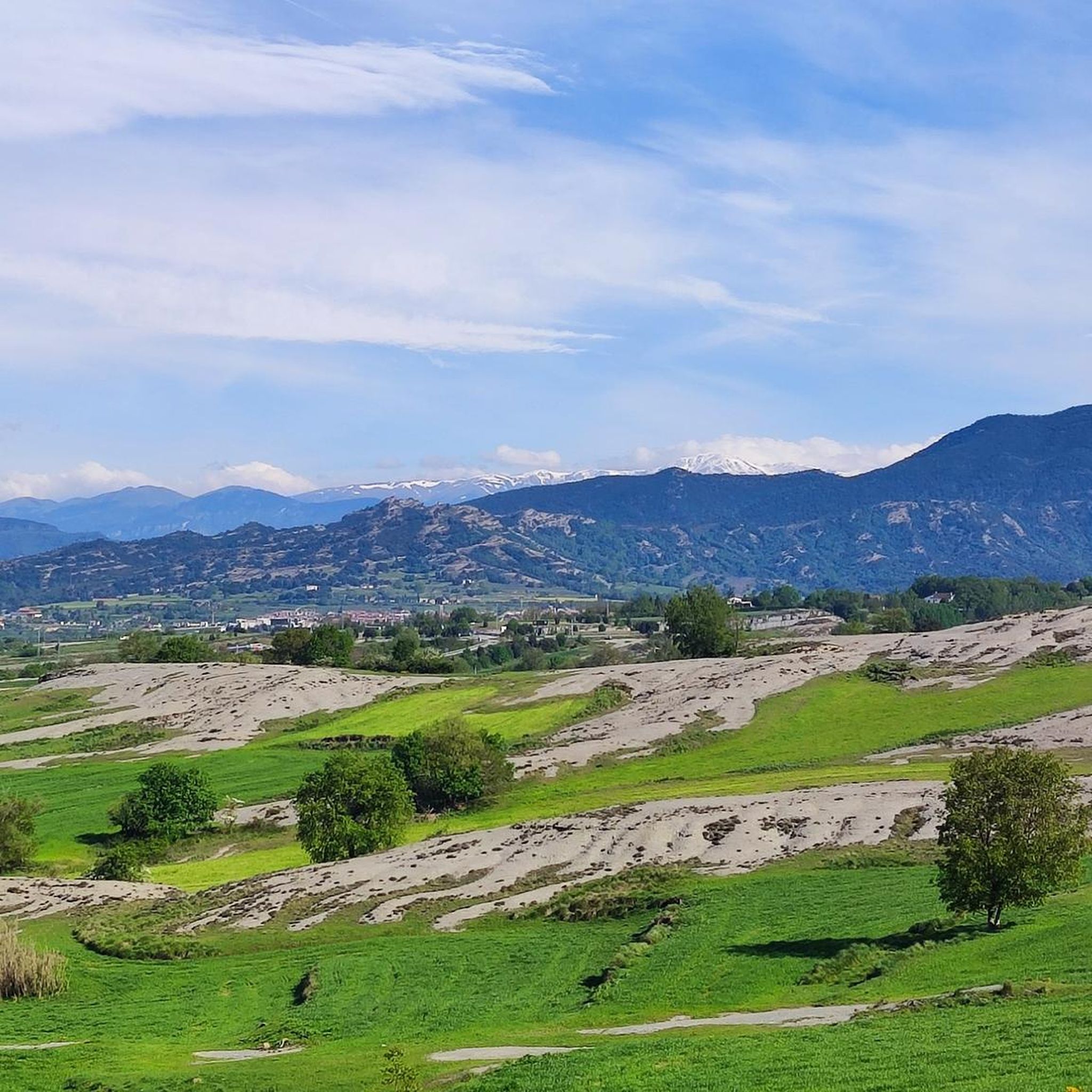
- Visitors also love Puigsacalm, a summit of 1,515 meters. This mountain is the highest point of the Serralada Transversal and offers spectacular 360º views.
- L'Esquirol is known for its impressive landscapes, historical sites, and charming villages. The area offers a variety of natural features and cultural sites to explore.
- The attractions around L'Esquirol are appreciated by the komoot community, with over 150 upvotes and more than 220 photos shared.
Last updated: May 25, 2026
Rupit Village
Highlight • Settlement
Tip by

Suspension Bridge of Rupit
Highlight • Bridge
Translated by Google •
Tip by
Sign up now to discover places like this
Get recommendations on the best single tracks, peaks, & plenty of other exciting outdoor places.
Sign up for free
Church of Sant Romà de Sau (Submerged Bell Tower)
Highlight • Religious Site
It is part of a system of three reservoirs, together with those of Susqueda and Pasteral, which joins the counties of Osona and La Selva. The reservoir, inaugurated in 1962, covered the town of San Román de Sau, the remains of which, especially the bell tower of the temple, are visible when the water level is low and, even in times of prolonged drought, the town is left to the discovered and it is possible to visit it.
The church of the Sau swamp is registered as the oldest in the world that is preserved standing in the water. This is confirmed by a study promoted by the international entity for world record records Official World Record with the collaboration of a research group from the University of Barcelona in the year 2021.
Translated by Google •
Tip by

Rupit Stream
Highlight • River
Translated by Google •
Tip by

Puigsacalm
Highlight • Summit
This peak is included in the list of the 100 peaks of the F.E.E.C. and also to that of the 100 most emblematic peaks of Catalonia.
If the most used route to climb it is from the Collada de Bracons, we can design a handful of itineraries which one is better.
Translated by Google •
Tip by

Sign up for free to discover even more attractions around L'Esquirol.
Sign up for free
Already have an account?
Start today with a free account
Your next adventure awaits.
Login or Signup
Popular around L'Esquirol



Tips from the Community

A must-visit is the small medieval village of Rupit, dating back to the 15th century! Every little alley, every side path is worth exploring... some of the steps were even naturally formed by lava. I've never seen anything so impressive before. The entire village is a listed monument.
1
0

It is a privileged area both as a town and its landscape surroundings
1
0

The Rupit suspension bridge was built in 1945 by the blacksmiths Francisco and Pere, and the bricklayers Salvi Vila and Joaquín Marsal, with the purpose of having direct access to the town. It crosses the Riera de Rupit, which flows into the Susqueda reservoir.🏞️
1
0

A great place even if the reason why this village reappears after 60 years is more than sad. Water shortage in Catalonia.
2
0

Amazing views of the Del Ter ravine
3
0

A maximum of 10 people are allowed to enter this suspension bridge at the same time.
3
2

The Rupit stream is widely known for being the protagonist of the imposing Salt de Sallent. It is only ten kilometers long, but in its short journey there are many pools and small waterfalls that give it great beauty.
3
0

Hermitage of Santa Magdalena. Chapel located on the south side of the village of Rupit, on a rocky hill visible from the village and half surrounded by the stream that passes between the deep escarpment open to the rock and which separates it from Rupit. The oldest news found is from 1660. Its interior is reminiscent of Romanesque chapels, although it was built in the 17th century. It has a small stone altar in the frontal apse, on the west side it has an attached chapel in the shape of an apse with an open tomb in the rock, in the center. You can go there, walking, along a path that leaves before entering Plaça Major on the left, turning right a little further down, in the direction of the stream that we will cross by the medieval bridge of Can Badaire .
2
1
Frequently Asked Questions
What natural wonders can I explore in L'Esquirol?
L'Esquirol is rich in natural beauty. You can visit the spectacular Salt de la Barra de Ferro, an 80-meter waterfall, or the equally impressive Salt del Cabrit. The Church of Sant Romà de Sau (Submerged Bell Tower), visible when water levels are low in the nearby Sau Reservoir, offers a unique natural and historical sight. For panoramic views, consider hiking up Puigsacalm, the highest point of the Serralada Transversal.
What historical sites and cultural landmarks are there in L'Esquirol?
The region boasts a rich history. Explore the Romanesque Església de Sant Martí Sescorts, documented since 934, or the prehistoric Dolmen de Puigsespedres. The medieval Pont de la Gorga de l'Esquirol, dating back to 1352, is also a notable landmark. You can also visit the beautiful Santuario de Puig-agut, a hermitage with distinct architecture and history.
Are there any charming villages worth visiting near L'Esquirol?
Absolutely. L'Esquirol is the gateway to the Collsacabra region, known for its picturesque villages. A must-visit is Rupit Village, a medieval settlement from the 15th century with charming alleys and houses. Other notable villages include Cantonigròs and Sant Julià de Cabrera, which serves as a starting point for trails to the Cabrera hermitage.
What outdoor activities can I do around L'Esquirol?
The area around L'Esquirol is perfect for outdoor enthusiasts. You can find numerous routes for cycling, running, and mountain biking. For cycling, explore routes like the 'Sau Reservoir – Suspension Bridge of Rupit loop' or the 'Tavertet Viewpoint – Sallent Waterfall loop'. Runners can enjoy trails such as 'Collet de Sant Julià – Castell de Cabrera loop'. Mountain bikers have options like the 'Tavertet village – Sallent Waterfall loop'. You can find more details and routes in the Cycling around L'Esquirol, Running Trails around L'Esquirol, and MTB Trails around L'Esquirol guides.
Are there family-friendly attractions in L'Esquirol?
Yes, L'Esquirol offers options for families. The charming Rupit Village is a delightful place for a family stroll, with its picturesque medieval setting. For a more active experience, the Gimkana Humor Amarillo amusement park in L'Esquirol provides excitement for families.
When is the best time to visit L'Esquirol for outdoor activities?
The region's diverse landscapes, from waterfalls to mountain ranges, make it suitable for outdoor activities across various seasons. Spring and autumn generally offer pleasant temperatures for hiking and cycling, with lush greenery or vibrant fall colors. Summer is also popular, especially for exploring waterfalls and reservoirs, though it can be warmer. Winter activities are also possible, depending on the specific trail and weather conditions.
Can I find ancient bridges in the L'Esquirol area?
Yes, the area is home to historical bridges. The Pont de la Gorga de l'Esquirol is a medieval bridge from around 1352, connecting L'Esquirol with the street of El Pont. Another historical bridge is the Pont del Molí d'en Bertrana, an ancient two-arch bridge that once served as a vital communication route for flour mills, with remnants still visible despite partial destruction.
What do visitors enjoy most about L'Esquirol?
Visitors frequently praise the blend of natural beauty and historical charm. The medieval atmosphere of Rupit Village and the unique sight of the Church of Sant Romà de Sau (Submerged Bell Tower) are often highlighted. The area's impressive landscapes, especially from viewpoints like Puigsacalm, and the tranquility of its natural corners are also highly appreciated.
Is L'Esquirol part of any long-distance walking routes?
Yes, L'Esquirol is a stage on the Catalan Way of St. James, making it a point of interest for pilgrims and long-distance hikers. This offers a unique opportunity to experience the region's landscapes and cultural heritage as part of a longer journey.
Where can I find impressive viewpoints in the L'Esquirol area?
For breathtaking vistas, consider visiting the Barra de Ferro cliff, which offers dramatic scenery over the Gorga stream. Hiking up Puigsacalm provides spectacular 360º views of the surrounding mountains and valleys. The Santuario de Puig-agut also offers good views over the plain of Vic and the Pyrenees.
Are there any castles or ancient fortifications to visit?
While some are in ruins, the region has historical castles. Castell de Cabrera and Castell de Barrès are listed as historical monuments and are part of Catalonia's Architectural Heritage Inventory, with roots dating back to the 12th and 13th centuries respectively. These sites offer a glimpse into the region's medieval past.
What is the Collsacabra region known for?
The Collsacabra region, for which L'Esquirol serves as a natural entry point, is renowned for its unique villages like Rupit and Tavertet, ancient shrines, hermitages, dramatic cliffs, and an abundance of waterfalls and cascades. It's a territory celebrated for its natural beauty and cultural richness.
Most popular routes around L'Esquirol
Most popular attractions around L'Esquirol

Get inspired with the komoot mobile app


Explore more
Still not found the Highlight you’re looking for? See guides of the top attractions in other regions:
