Attractions and Places To See around Santa Maria De Merlès - Top 20
Best attractions and places to see around Santa Maria De Merlès offer a tranquil escape into authentic rural Catalonia. This region, situated in the southern Berguedà comarca, is characterized by its rich historical heritage, including numerous Romanesque churches and medieval ruins. The natural beauty of the Riera de Merlès, a designated Natural Area of Interest, defines the landscape, providing a setting for quiet exploration and appreciation of traditional agricultural life.
Best attractions and places to see around Santa Maria De…
Last updated: August 29, 2026
Puigcercós Shelter
Highlight • Restaurant
Translated by Google •
Tip by

The Manresa Canal
Highlight • Structure
Its construction was highly problematic, as the Bishop of Vic opposed …
Translated by Google •
Tip by

Sign up now to discover places like this
Get recommendations on the best single tracks, peaks, & plenty of other exciting outdoor places.
Sign up for free
Olost and Church of Santa Maria
Highlight • Settlement
Translated by Google •
Tip by

Castell d'Olost
Highlight • Castle
Translated by Google •
Tip by

Monastery of Santa Maria de Lluçà
Highlight • Religious Site
Translated by Google •
Tip by
Sign up for free to discover even more attractions around Santa Maria De Merlès.
Sign up for free
Already have an account?
Start today with a free account
Your next adventure awaits.
Login or Signup
Popular around Santa Maria De Merlès
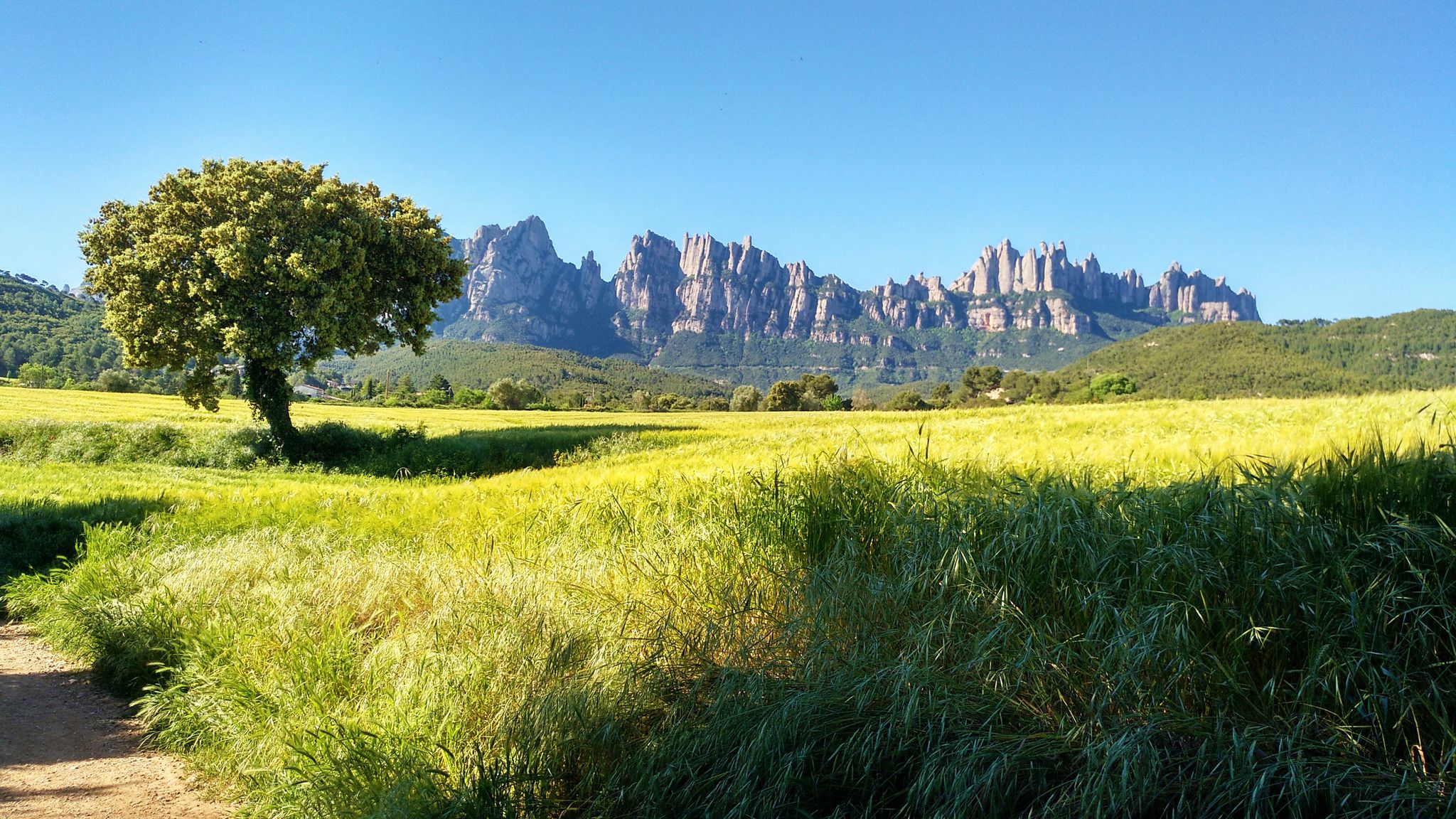
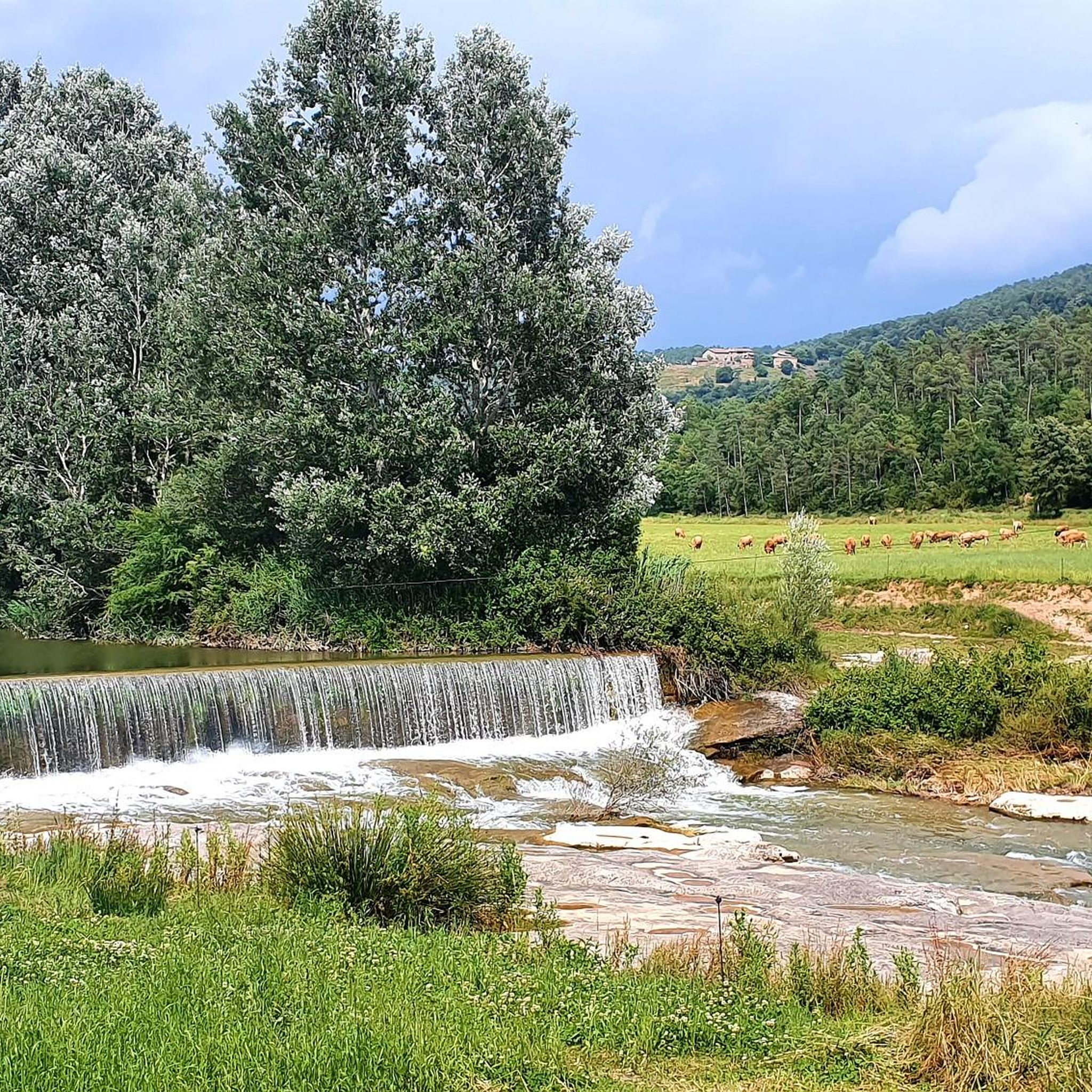
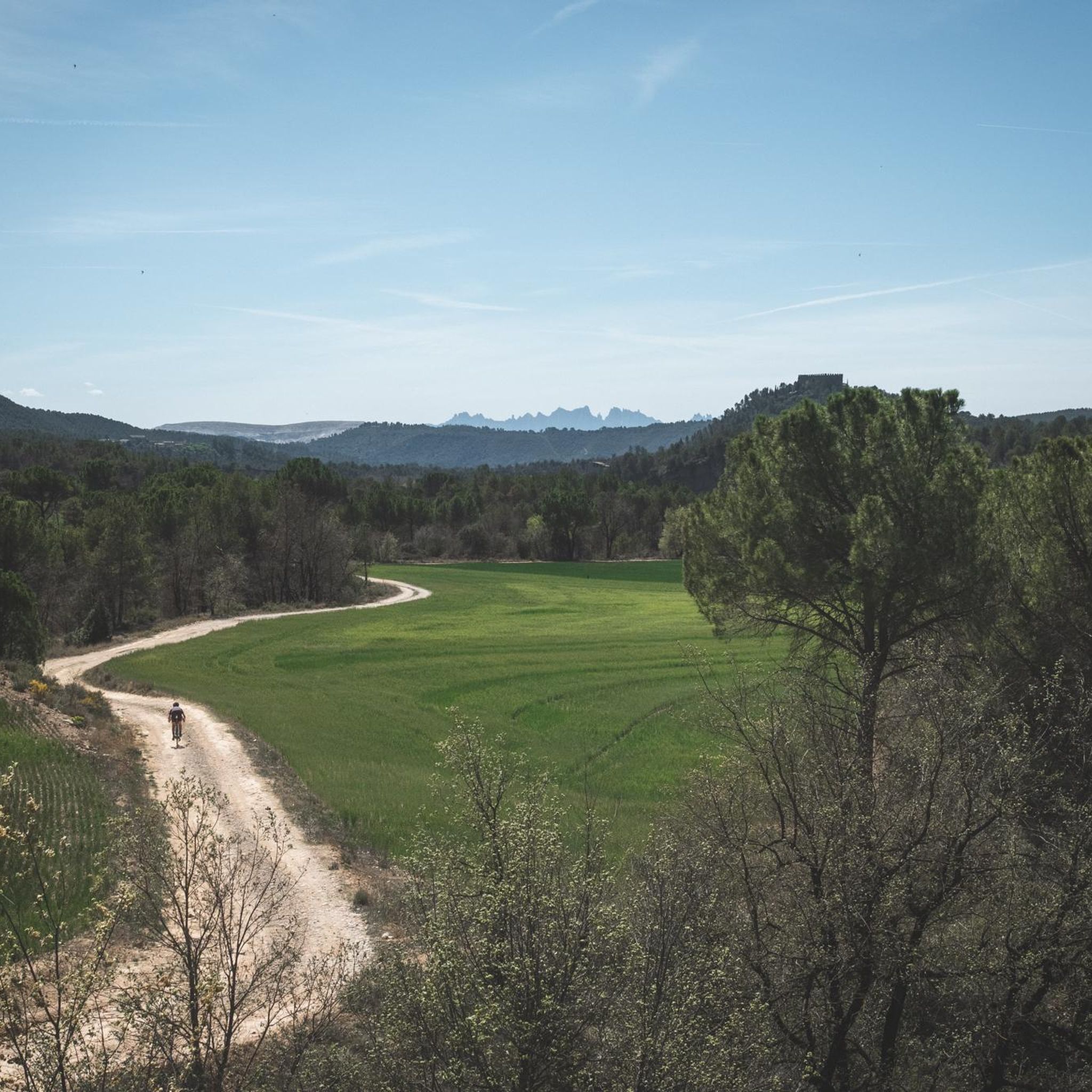
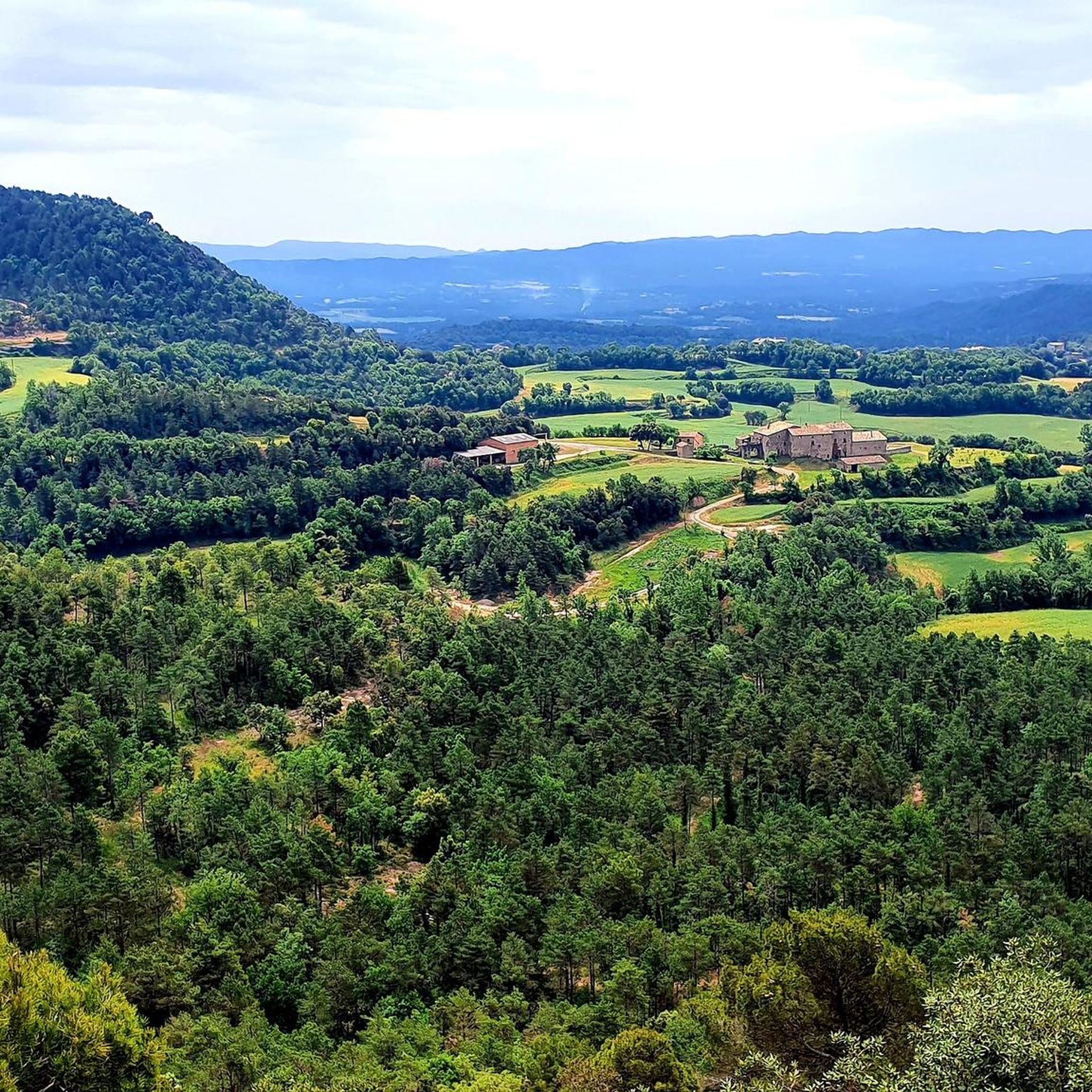
Other adventures around Santa Maria De Merlès

Tips from the Community

Logistics point and crossing of local roads from Alpens, Borredà and Riera de Merlès. There is a well-known restaurant there and it's a good place to stop on the way and get some refreshments.
0
0

The Bar-Restaurant Cobert de Puigcercós is located in the heart of Berguedà in the municipality of Borredà, near the riera de Merlès km22. At the Cobert restaurant in Puigcercós, we offer homemade cuisine with local products to enjoy authentic Catalan cuisine. You can enjoy the magnificent landscape that surrounds it and discover the thousand and one places that Berguedà offers us, such as the Riera de Merlès, the Gorg del salt, Romanesque hermitages and various fountains. If you like walking, you will find many routes in an exceptional location. Large parking area for customers and coaches. Address: Ctra. Sant Quirze de Besora in Berga, Km. 22 Postal code: 08619 Population: Borredà Telephone: 93823 99 81 Restaurant weekly break: Monday They accept groups: Yes Type of cuisine: Homemade and local cuisine Specialties of the house: Cannelloni, Pig's feet with snails, Duck with pears and game Dining capacity: 49 people Average price of the menu: Daily menu: €10 and Menu after weekends and holidays: €18 https://www.elbergueda.cat/ca/pl230/planifica/on-menjar/id15/hostal-cobert-de-puigcercos.htm
0
0

Olost is a municipality in the province of Barcelona, in the county of Osona, in the sub-county of Lluçanés. It also includes the town of Santa Creu de Jutglar. The parish of Santa María de Olost has been documented since 908 and that of Santa Creu de Jotglar since 984. From 1966 to 1991 Mosén Ramon Vila i Pujol was rector of the church of Santa María de Olost.
14
0

This 26-kilometre-long ditch that carries water to Manresa was built in the 14th century by the master Guillem Catà. Its construction was highly problematic, as the Bishop of Vic opposed its construction because it passed through the bishopric's land and threatened its promoters with excommunication. The bishop died before the works were finished and even so he really excommunicated the workers and the councilors of Manresa, in addition to interrupting the practice of the sacraments throughout the city. The bishop's successor maintained a more dialogue attitude, accepting the compensation offered by the city. However, legend has it that divine intervention became necessary, in the form of a mysterious light from Montserrat that entered through the stained glass windows of the Carmen church, at the same time that the bells began to ring by themselves. The bishop, seeing this phenomenon, regretted his position, but died shortly after, and his successor did not take long to reverse the situation and lift the excommunication.
1
1
Olost is a beautiful town that can be recognized from afar by the two bell towers of the Santa Maria church. Olost is a beautiful town, located in a small valley cut by the stream of Olost, with small shops that can be recognized from afar by the two bell towers of the church of Santa Maria. According to the legend, a couple promised a new bell tower if the virgin gave them a child; and they had a twin! It is a large nucleus, in relation to those surrounding it in the Lluçanès area, which already extended from the Sant Adjutori mountain range to the Olost stream already in modern times (17th and 18th centuries). The nerve center of Olost is Plaça Major, where the parish church and the town house are located. From this point the core is structured, both old and now. Among the streets built over the course of the 17th and 18th centuries, to the west of Plaça Major, you can count Carrer Berga, one of the longest in the town, Carrer Gelada, Carrer Nou and Carrer de Sant Adjutori, located in the ridge It also has the Raval del d'Olost, with preserved houses in Raval del Mig and Raval de Baix streets. In these older streets you can see houses framed with stone masonry walls that retain dated lintels indicating construction dates of the 17th and 18th centuries. We recommend going up to the viewpoint of Sant Adjutori, where there is the hermitage and hill from where you can observe beautiful panoramic views of the town and the mountains on the horizon that enclose the Lluçanès plateau: from the agricultural and forest landscape from Lluçanès to Montserrat, passing through the eastern Pyrenees in the north. https://turisme.llucanes.cat/municipi/olost/ https://turisme.llucanes.cat/visiteu/esglesia-santa-maria-olost/
4
0
The castle of Olost is located in a hollow – therefore in a not very strategic situation – next to the stream of Olost and to the south of the town of Olost and very close to its main nucleus, although it belongs to the municipality of Oristà. The castle arose in the 11th century after the disappearance of the castle of Oristà. It started as just a watchtower with a rectangular plan. Later on, it became a castle, although it was never a defense fortress but rather a stately residence bringing together feudal possessions. Of the old building, the tower and the Gothic chapel are currently preserved. https://ca.wikipedia.org/wiki/Castell_d%27Olost
2
0
Santa Maria de Lluçà is a work from Lluçà (Osona) declared a cultural asset of national interest. It is without a doubt the most remarkable archeological and historical building in Lluçanès. It is located in the municipality of Lluçà, at the foot of the castle. Surrounded by farmhouses, crops, forests and pastures that recall the recent autarkic past of farmhouses. https://ca.wikipedia.org/wiki/Santa_Maria_de_Llu%C3%A7%C3%A0
0
0

The castle of Olost is located in a hollow – therefore in a not very strategic situation – next to the stream of Olost and to the south of the town of Olost and very close to its main nucleus, although it belongs to the municipality of Oristà. The castle arose in the 11th century after the disappearance of the castle of Oristà. It started as just a watchtower with a rectangular plan. Later on, it became a castle, although it was never a defense fortress but rather a stately residence bringing together feudal possessions. Of the old building, the tower and the Gothic chapel are currently preserved. It is located on top of a rocky spur, to the north of the term. The plan of the current complex is trapezoidal and is the product of several construction phases, of which the oldest (15th-16th century) that is preserved in height corresponds to a square tower, dated to the 15th century, located in the East. The rest of the constructions are delivered to the tower and would be chronologically later (16th-18th centuries). To the south-west of the main complex, a square tower (from the late medieval period) is preserved, which is located on top of a hydraulic mill linked to the castle. This tower is given a section of perimeter wall, which would be later than the tower.[1] The rest of the walls and structures of the medieval construction (except for the aforementioned towers) would be located underground, together with the remains of the evolution and use of the whole complex.[1] The rest of the building consists of three floors, with a rectangular plan and a roof with a double lateral slope on the facade of the entrance door. The central part of the right facade is occupied by the tower with a rectangular plan and with the crowning with battlements redone in a modern way. Around the castle there are several outbuildings that are used as housing by the farmers.[1] The well block stands out, built with a cylindrical body made of stone and mortar, currently restored with the addition of cement, flanked by two pillars with an elongated rectangular base that support a wooden beam that acts as the axis of a double-sloped roof with Arabic tiles On one of the pilasters, on the outer and upper part, the date 1678 is preserved. Info taken from Wikipedia
1
0
Frequently Asked Questions
What historical sites can I explore in Santa Maria de Merlès?
Santa Maria de Merlès is rich in historical heritage. You can visit the significant 11th-12th century Romanesque Monastery of Santa Maria de Lluçà, known for its well-preserved cloister. The village also features the Church of Santa Maria de Merlès, other Romanesque churches like Sant Pau de Pinós and Sant Miquel de Terradelles, and the remnants of the 9th-century Merlès Castle. Don't miss the striking Medieval Bridge over the Riera de Merlès, a Gothic structure connecting different parts of the municipality.
Are there any notable Romanesque churches in the area?
Yes, the region is dotted with several important Romanesque churches. The most prominent is the Monastery of Santa Maria de Lluçà, an outstanding example of Catalan Lombard Romanesque architecture. Other notable churches include the village's namesake Church of Santa Maria de Merlès, Sant Pau de Pinós (preserving its original Romanesque apse), Sant Miquel de Terradelles (featuring an ancient Romanesque sarcophagus), and Sant Martí de Merlès with its prominent Romanesque bell tower. You can also visit Olost and Church of Santa Maria, recognizable by its two bell towers.
What natural attractions are there around Santa Maria de Merlès?
The Riera de Merlès stream is a central natural feature, recognized as a Natural Area of Interest for its beauty and environmental significance, including local otter populations. The surrounding countryside offers rolling hills, valleys, forests, and pastures ideal for gentle exploration. You can also visit the Pantano de Garet, a nearby reservoir offering opportunities to engage with nature. The area is characterized by traditional agricultural landscapes and numerous ancient masias.
Can I go hiking or cycling near these attractions?
Absolutely. The gentle terrain around Santa Maria de Merlès is perfect for outdoor activities. You can find numerous agricultural tracks and minor roads suitable for walking and cycling. For specific routes, explore the detailed guides for Hiking around Santa Maria De Merlès, Road Cycling Routes around Santa Maria De Merlès, and MTB Trails around Santa Maria De Merlès.
Are there family-friendly activities or places to visit?
Yes, Santa Maria de Merlès offers several family-friendly options. The tranquil countryside and gentle trails along the Riera de Merlès are suitable for family walks and cycling. The Camadoca wildlife center is dedicated to indigenous species and welcomes visitors to learn about local fauna, making it an educational and engaging experience for children. Many of the Romanesque churches and the Medieval Bridge are also accessible for family exploration.
Where can I experience the traditional rural charm of the region?
The entire area of Santa Maria de Merlès embodies the essence of traditional agricultural Catalonia. You can experience this by exploring the countryside, which is dotted with numerous traditional large stone farmhouses known as 'masias.' Many of these centuries-old structures still operate as working farms or have been lovingly restored, offering an authentic glimpse into the region's agricultural heritage and quiet rural life.
What is the Riera de Merlès known for?
The Riera de Merlès (Merlès Stream) is renowned for its natural beauty and environmental significance. It traverses the area, creating distinct sectors and contributing to the region's mild climate. It has been designated a Natural Area of Interest, partly due to its role in protecting local otter populations. The stream and its surroundings are popular for fishing, hiking, and cycling, offering a picturesque landscape of rolling hills, forests, and fields.
Where can I find a place to eat or rest while exploring?
A popular spot for a meal or refreshment is Puigcercós Shelter. This restaurant, located near the Riera de Merlès, offers homemade cuisine with local products and is a favorite stop for outdoor enthusiasts, including fishermen, mushroom pickers, cyclists, and bikers. It also provides a large parking area for customers.
What is the best time of year to visit Santa Maria de Merlès?
Santa Maria de Merlès offers a pleasant experience throughout much of the year. The landscape around the Riera de Merlès enjoys a milder climate compared to the more rugged northern Berguedà. Spring and autumn are particularly ideal for hiking and cycling, with comfortable temperatures and vibrant natural colors. Summer is also suitable for outdoor activities, especially near the stream, while winter offers a tranquil, quiet countryside experience.
Is there anything unique about the local wildlife?
Yes, the Riera de Merlès is particularly noted for its role in protecting local otter populations, making it an environmentally significant area. The Camadoca wildlife center is dedicated to the indigenous species found along the stream, providing an opportunity for visitors to learn more about the local fauna and conservation efforts.
Can I visit ancient megalithic structures in the area?
Yes, you can explore the Dolmen del Collet de Can Gurri. This ancient megalithic structure offers a fascinating glimpse into the prehistoric past of the region and is accessible in the surrounding countryside, providing a unique historical point of interest beyond the Romanesque era.
What is the Manresa Canal and why is it significant?
The Manresa Canal is a significant man-made structure, a 26-kilometer-long ditch built in the 14th century to carry water to Manresa. It is notable for its historical engineering and the legends surrounding its construction, including a historical dispute with the Bishop of Vic and tales of divine intervention. It continues to contribute most of the water to the city of Manresa even today.
Most popular routes around Santa Maria De Merlès
Most popular attractions around Santa Maria De Merlès

Get inspired with the komoot mobile app


Explore more
Still not found the Highlight you’re looking for? See guides of the top attractions in other regions:
