The best road cycling routes around Carballeda De Valdeorras
5.0
(5)
496
riders
38
rides
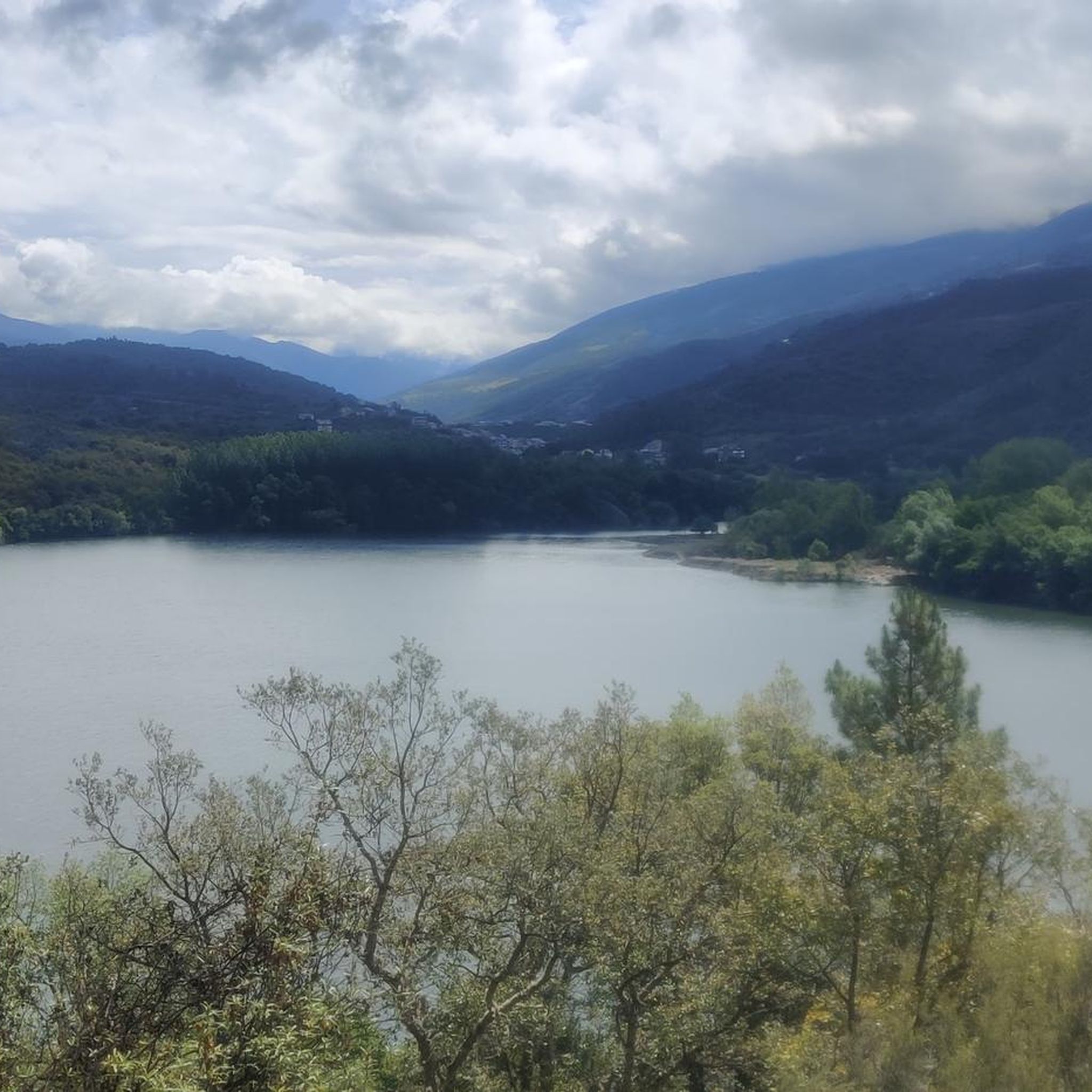
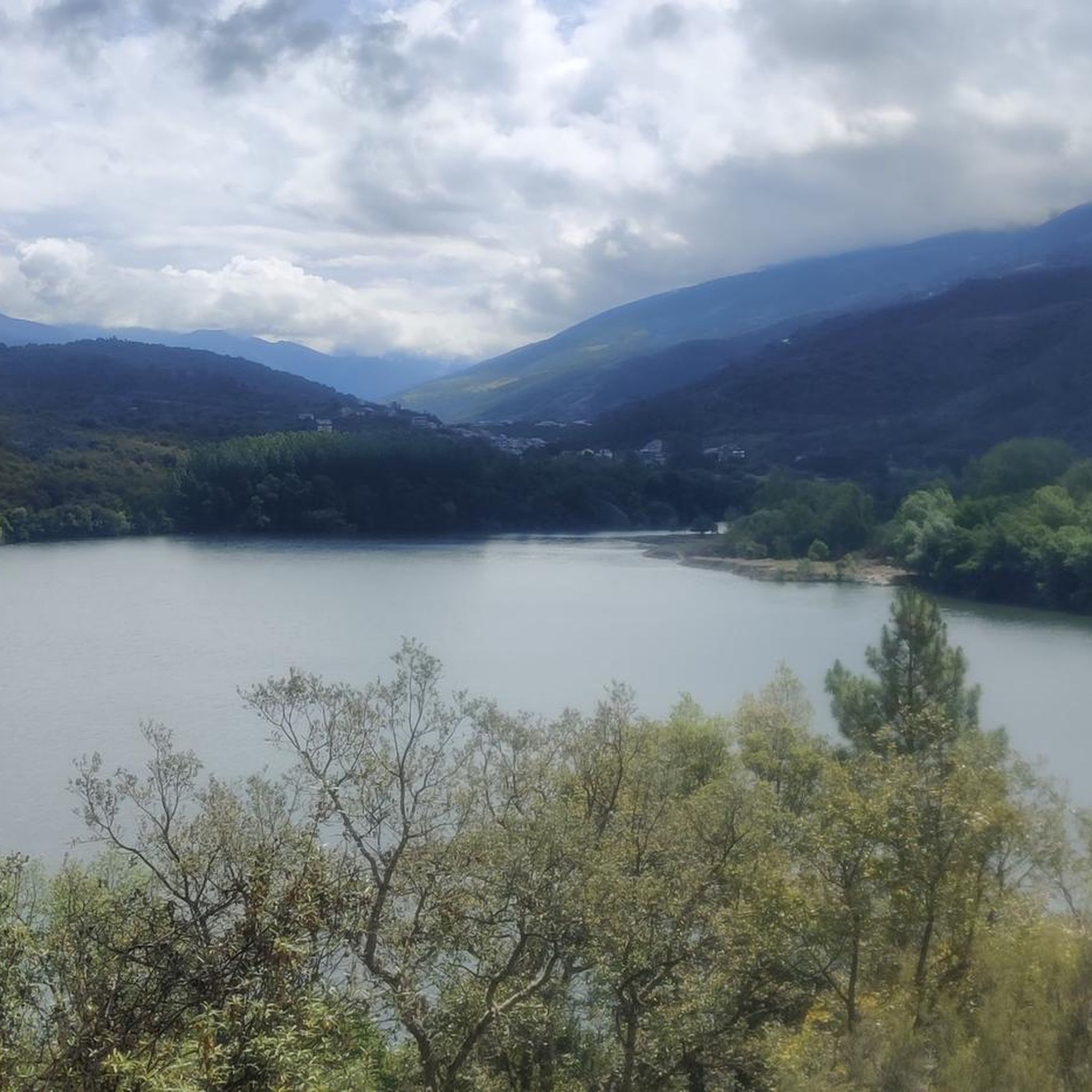
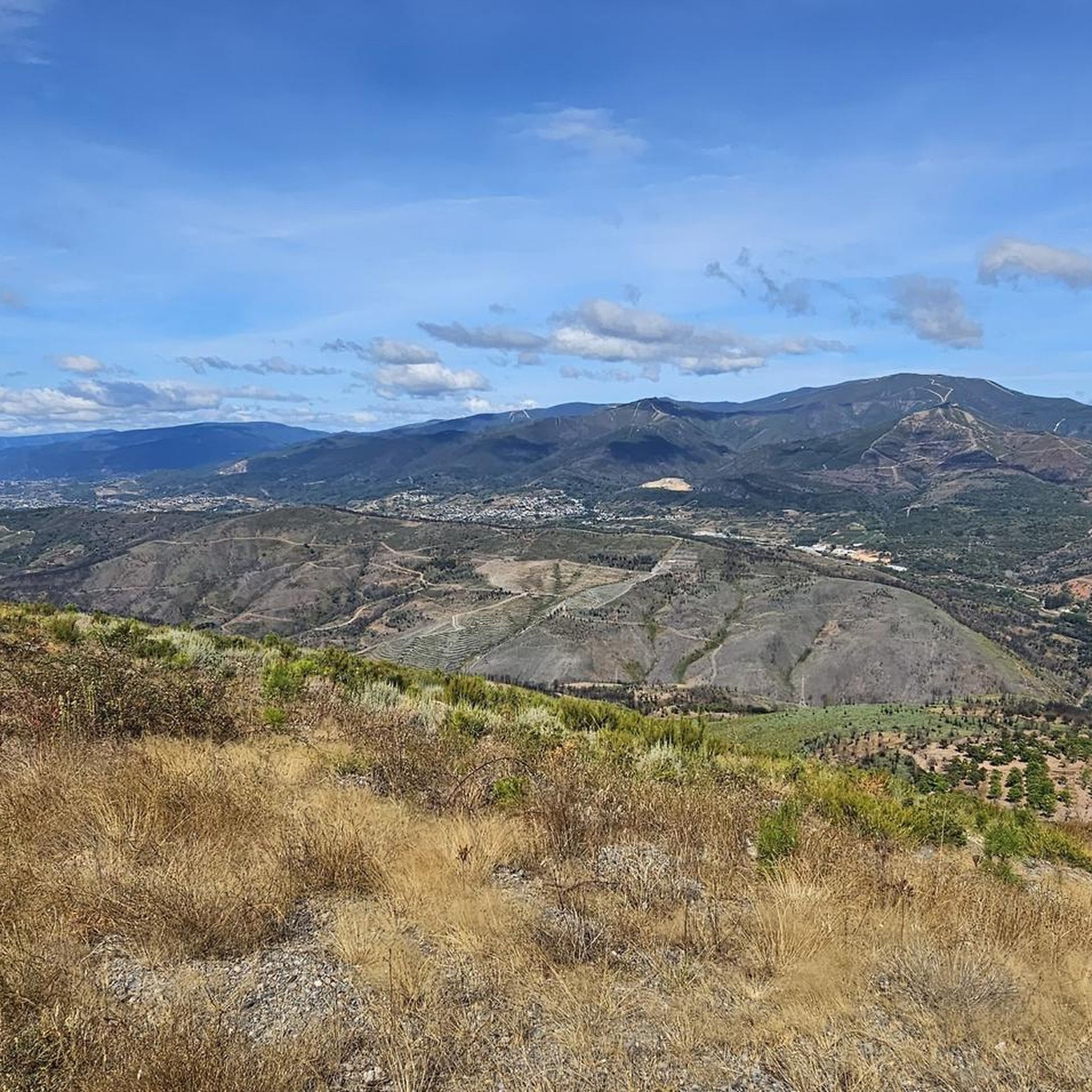
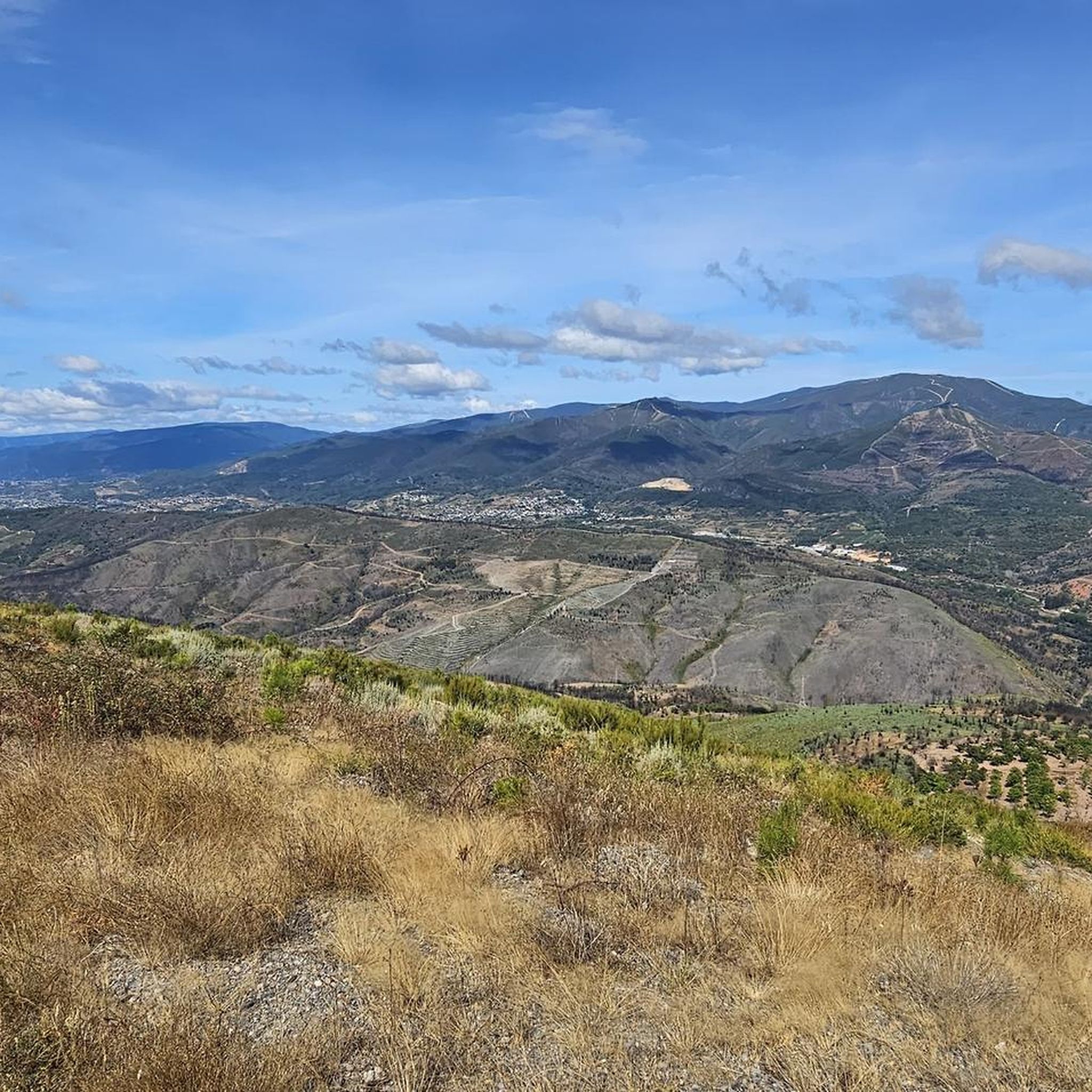
Road cycling around Carballeda De Valdeorras features a diverse landscape characterized by significant altitude variations, ranging from river valleys to mountainous peaks. The region's irregular orography includes high-altitude mountain vistas within the Peña Trevinca massif and slate and schist mountains. This varied terrain provides a wide array of challenges for road cyclists, from demanding climbs to routes along the Sil River.
Best road cycling routes around Carballeda De Valdeorras
- The most popular road cycling route is Puerto Fonte da Cova…
Last updated: May 16, 2026
38
riders
80.4km
05:04
2,280m
2,280m
Hard road ride. Very good fitness required. Mostly well-paved surfaces and easy to ride.
10
riders
145km
08:33
3,620m
3,620m
This difficult 90.1-mile (145.1 km) road cycling loop takes you through the challenging El Morredero Pass and the historic Las Médulas.

Sign up for free
40
riders
120km
07:38
3,120m
3,120m
Hard road ride. Very good fitness required. Some segments of this route may be unpaved and difficult to ride.
5.0
(1)
14
riders
Hard road ride. Very good fitness required. Mostly well-paved surfaces and easy to ride.
11
riders
50.6km
02:25
580m
580m
Moderate road ride. Good fitness required. Mostly well-paved surfaces and easy to ride.
Get access to more routes and recommendations from other explorers.
Sign up for free
Already have an account?
Our route recommendations are based on thousands of hikes, rides, and runs completed by other people on komoot.
Start today with a free account
Your next adventure awaits.
Login or Signup
Tips from the Community

The Mirador de Orellán is a spectacular observation point located in the town of Orellán, in the municipality of Borrenes, León. This viewpoint offers stunning panoramic views of the cultural landscape of Las Médulas, an ancient Roman gold mining complex declared a World Heritage Site by UNESCO. Near the viewpoint, you can visit the underground galleries that were part of the Roman gold mining system. Entry costs €3 and a helmet with headlamp is provided for the visit.
7
0

Long and hard climb. I recommend going up the Peñalba slope, the approach and the passage through the village are very pretty. One of the most beautiful in Spain.
0
0

At the end of the 11th century, Osmundo, Bishop of Astorga, ordered the construction of a bridge (partly made of iron = pons ferrata) over the Sil for the pilgrims on the Way of St. James, near which a settlement was built. At the "pons ferrata", the iron bridge, the Knights Templar built a huge castle on a surface area of 160 x 90 m to protect the pilgrims on the Way of St. James. The medieval castle complex was inhabited by the Knights Templar from 1178 to 1312. Source: Wikipedia
5
0
In O Barco de Valdeorras there are several interesting murals that beautify the town. Mural by Orde Caos: In Praza das Airas, the artist Orde Caos has created a large mural that was inaugurated by the Centro Comercial Aberto (CCA) O Barco.
13
0

The Templars' heyday from the 12th to 14th centuries led to the construction of this mighty fortress, among other things to protect the pilgrims on the Way of St. James. The rampart on the city hill stands out impressively against the mountain backdrop and absolutely conforms to the stereotypical image of a knight's castle. It is sensationally well maintained and a feast for the eyes.
6
0

The order, often referred to simply as the "Order of the Knights Templar," whose full name is "Poor Knights of Christ and of Solomon's Temple in Jerusalem," takes us mentally back to the 13th century. Founded in the Holy Land, it spread surprisingly quickly to many countries in Central Europe, and this castle complex in Ponferrada, northern Spain, was one of its numerous branches. The order gained notoriety through its dissolution in 1312 by the French king and the pope, and many of its members were burned at the stake as alleged heretics. The main reason for the dissolution, however, was not the members' human and religious misconduct (heresy), which was merely a pretext, but the legendary wealth of this order. King Philip IV of France primarily wanted to secure the treasures to bolster his coffers.
6
0
This bridge, which connects the neighborhoods of Toral and Merayo, is built over the Oza River and combines traditional architecture with the natural beauty of the area. Its slate and limestone masonry structure evokes a sense of historical authenticity. Although it is not as famous as other medieval bridges, its uniqueness and location make it an interesting place to visit. 😊
19
0

The Templar Castle of Ponferrada is a superb building. It houses the Templar Library and the Ponferrada Center for Research and Historical Studies, with over 1,400 books, including facsimiles of works by Leonardo da Vinci. It was originally a Roman camp and later a citadel. In the early 12th century, the Templars took possession of the fortress, strengthening and expanding it to serve as a residential palace and as a protection for pilgrims on their way to Santiago de Compostela. The building has an irregular square plan, and its most notable entrance is reached by crossing the moat over a drawbridge and, further on, two large crenellated towers joined by an arch. Its twelve original towers depicted the constellations.
5
0
Frequently Asked Questions
What is the general terrain like for road cycling in Carballeda De Valdeorras?
Carballeda de Valdeorras offers a diverse and challenging landscape for road cyclists. The region is characterized by significant altitude variations, ranging from approximately 400 meters in the river valleys along the Sil River to over 2,000 meters in the mountainous peaks of the Peña Trevinca massif. You'll encounter an irregular orography with demanding climbs through slate and schist mountains, as well as more moderate rides along riverbanks.
Are there road cycling routes suitable for beginners or those looking for an easier ride?
Yes, while many routes in Carballeda de Valdeorras are challenging, there are options for less experienced cyclists. The region offers 1 easy route and 12 moderate routes. These typically feature less extreme elevation changes, often following river valleys, providing a more relaxed cycling experience.
What kind of natural attractions can I expect to see while road cycling in the area?
Carballeda de Valdeorras is rich in natural beauty. You can expect to cycle through lush riverside scenery along the Sil River, ascend to high-altitude mountain vistas, and pass by significant natural features. The region is home to the Teixadal de Casaio, Europe's largest yew forest, and various natural and artificial lakes. The mountainous areas, particularly around Peña Trevinca, offer dramatic landscapes.
Are there any historical landmarks or points of interest along the road cycling routes?
Absolutely. The region is dotted with historical and cultural points of interest. For instance, the Sobradelo Medieval Bridge – Church of San Miguel de Biobra loop from Pumares passes by the 17th-century Ponte Nova de Sobradelo, a historically significant bridge over the Sil River. Other historical remnants include the Roman Bridge over the Casaio River and old tungsten mines near Teixadal.
What is the best time of year for road cycling in Carballeda De Valdeorras?
The best time for road cycling in Carballeda de Valdeorras is generally from spring through autumn. During these seasons, the weather is more favorable, and the mountain passes are typically clear of snow. While the higher peaks of Peña Trevinca can be snow-capped in winter, the lower river valleys may still offer cycling opportunities, though with cooler temperatures.
How long are the road cycling routes in Carballeda De Valdeorras?
The road cycling routes in Carballeda de Valdeorras vary significantly in length. You can find shorter, moderate rides, but many of the more challenging routes are long-distance. For example, the El Morredero and Las Médulas Loop is over 90 miles (145 km), and the Sobradelo Medieval Bridge – Church of San Miguel de Biobra loop from Pumares is about 74 miles (119 km). There are 38 routes in total, offering a wide range of distances to suit different preferences.
Are there any specific routes that offer significant elevation gain for advanced cyclists?
Yes, Carballeda de Valdeorras is known for its challenging climbs. The Puerto Fonte da Cova from Puente de Domingo Flórez – circular by La Baña route, for instance, features over 7,400 feet (2,200 meters) of elevation gain. The region's
What do other road cyclists say about the routes in Carballeda De Valdeorras?
The road cycling routes in Carballeda de Valdeorras are highly regarded by the komoot community, holding an average score of 5.0 stars from 5 reviews. Cyclists often praise the varied terrain, from river valleys to challenging mountain passes, and the extensive views offered by routes like the El Morredero and Las Médulas Loop.
Are there any family-friendly road cycling options in Carballeda De Valdeorras?
While many routes are geared towards experienced cyclists due to the significant elevation changes, families might find suitable sections along the flatter river valleys. Look for the 1 easy and 12 moderate routes available, which generally present fewer challenges. Always check the route profile and difficulty before setting out with family members.
Where can I find places to eat or stay that are cyclist-friendly in Carballeda De Valdeorras?
Carballeda de Valdeorras and the broader Valdeorras region offer various amenities for visitors. While specific cyclist-friendly establishments aren't detailed, you'll find cafes, pubs, and accommodation options in local towns and villages. It's advisable to check in advance for places that cater specifically to cyclists, especially regarding bike storage or repair facilities.
Are there any natural swimming spots or places to cool off after a ride?
Yes, Carballeda de Valdeorras offers refreshing options. You can find naturalized pools (Piscinas Naturalizadas) along the Sil River, which are fluvial beaches with naturally filtered swimming areas. These provide a great spot to relax and cool down after a challenging road cycling tour.
What are some of the most scenic viewpoints accessible by road bike in the region?
The mountainous terrain of Carballeda de Valdeorras provides numerous scenic viewpoints. Routes that ascend into the Peña Trevinca massif or traverse areas like the El Morredero and Las Médulas Loop offer extensive panoramic views of the diverse landscapes, from river valleys to high mountain vistas. The Roman Bridge over the Casaio River also provides a scenic viewpoint.
Most popular attractions around Carballeda De Valdeorras

Get inspired with the komoot mobile app


Explore more
Browse the best Road cycling routes in other regions.
