Attractions and Places To See around Navalcán - Top 20
Attractions and places to see around Navalcán offer a blend of historical, cultural, and natural sites in the tranquil province of Toledo, Castilla-La Mancha. The area features pastoral landscapes, ancient infrastructure, and significant religious buildings. Visitors can explore megalithic monuments, ethnographic museums, and well-preserved natural environments. The region provides opportunities for outdoor activities and cultural experiences.
Best attractions and places to see around Navalcán
- The most popular attractions is San Pedro de Alcántara Sanctuary, a religious building that houses…
Last updated: May 21, 2026
Aquelcabos Medieval Bridge
Highlight • Bridge
Translated by Google •
Tip by

San Pedro de Alcántara Sanctuary
Highlight • Religious Site
Translated by Google •
Tip by

Sign up now to discover places like this
Get recommendations on the best single tracks, peaks, & plenty of other exciting outdoor places.
Sign up for free
Castle of Arenas de San Pedro
Highlight • Castle
Translated by Google •
Tip by

Castle of the Constable Dávalos (Castle of the Sad Countess)
Highlight • Castle
Translated by Google •
Tip by
Río Pelayos Beach
Highlight • Beach
Translated by Google •
Tip by
Sign up for free to discover even more attractions around Navalcán.
Sign up for free
Already have an account?
Start today with a free account
Your next adventure awaits.
Login or Signup


Tips from the Community

The Pelayos River, in Arenas de San Pedro (Ávila), is a popular spot for hiking and swimming in the summer, located in the Tiétar Valley on the southern slopes of the Sierra de Gredos mountain range. It's a river with clear water that forms natural pools ideal for swimming, such as the Charco Verde (Green Pool), a popular spot in the summer. The Pelayos River recreation area has a kiosk, picnic area, and parking, making it a perfect starting point for hiking trails.
8
0
This village is located in the Sierra de Gredos mountains (Ávila) and is famous for its natural surroundings, the Castle of Constable Dávalos, the Mosquera Palace, and the Eagle Caves. It is also ideal for hiking and rural tourism.
7
0

Be careful after passing the monastery, do not miss the sign for La Cruz.
0
1
The castle was built in the 15th century by order of the constable Rui López Dávalos. It is the oldest monument in Arenas de San Pedro, and its construction spans from the end of the 14th century to the beginning of the 15th century. 😊🏰
3
0
Castle built in the 15th century. In the year 1393, King Henry III granted the title of Villa to Arenas de San Pedro, handing over its lordship to Ruy López Dávalos, constable of Castile, who began its construction. It is known as the Castle of the Sad Countess, because after the execution of Don Álvaro de Luna in 1453, Juan II allowed the town to remain in the possession of his widow, Doña Juana de Pimentel, popularly known by this nickname.
10
0
The Aquelcabos Bridge is commonly called a Roman bridge (since it was built on a previous, presumably Roman, bridge). It is the oldest bridge in Arenas de San Pedro. It is expected that it was built in the 11th century, so it is of medieval origin. It was widely used by travelers and nomadic shepherds, paying in advance for the portage or ferry. It consists of three arches, the central one being the largest of all. Its pavement has been restored with paving imitating the original. On both sides there is a stone parapet one meter high and several parts of its layout have been repaired with cement.
10
0

The castle of Constable Dávalos is located in the heart of the city of Arenas de San Pedro. Also known as ''de la Triste Condesa'', it is a Gothic style fortification. You can enjoy guided tours.
0
0

The most emblematic building of the town of Arenas de San Pedro, which is even found on its shield. Located in the heart of the town, it becomes a must-see during your stay in Arenas. The castle is Gothic in style, built in the 15th century. Popularly known as “the Sad Countess” castle.
2
1
Frequently Asked Questions
What historical and cultural sites can I explore in Navalcán?
Navalcán offers a rich blend of history and culture. You can visit the 16th-century Iglesia Parroquial de Nuestra Señora del Monte, which houses a 14th-century carving of the Cristo de la Viga. Other religious sites include the Ermita de San Pedro Apóstol and the Ermita de San Isidro. The Museo Etnográfico de Navalcán provides insights into local culture, and ancient infrastructure like Roman bridges crossing the Arroyo Porquerizo and Arroyo de la Pasadera are also points of interest.
Are there any significant castles or ancient structures nearby Navalcán?
Yes, several significant historical structures are within reach. The Dolmen de Navalcán, a megalithic monument from the Bronze Age, is a major archaeological attraction, though it's often submerged in the reservoir. You can also visit the Castle of Arenas de San Pedro, a Gothic-style castle from the 15th century, popularly known as the Castle of the Sad Countess. Additionally, the Aquelcabos Medieval Bridge, built on a previous structure, is an ancient crossing point historically used by travelers and shepherds.
Where can I enjoy nature and outdoor activities around Navalcán?
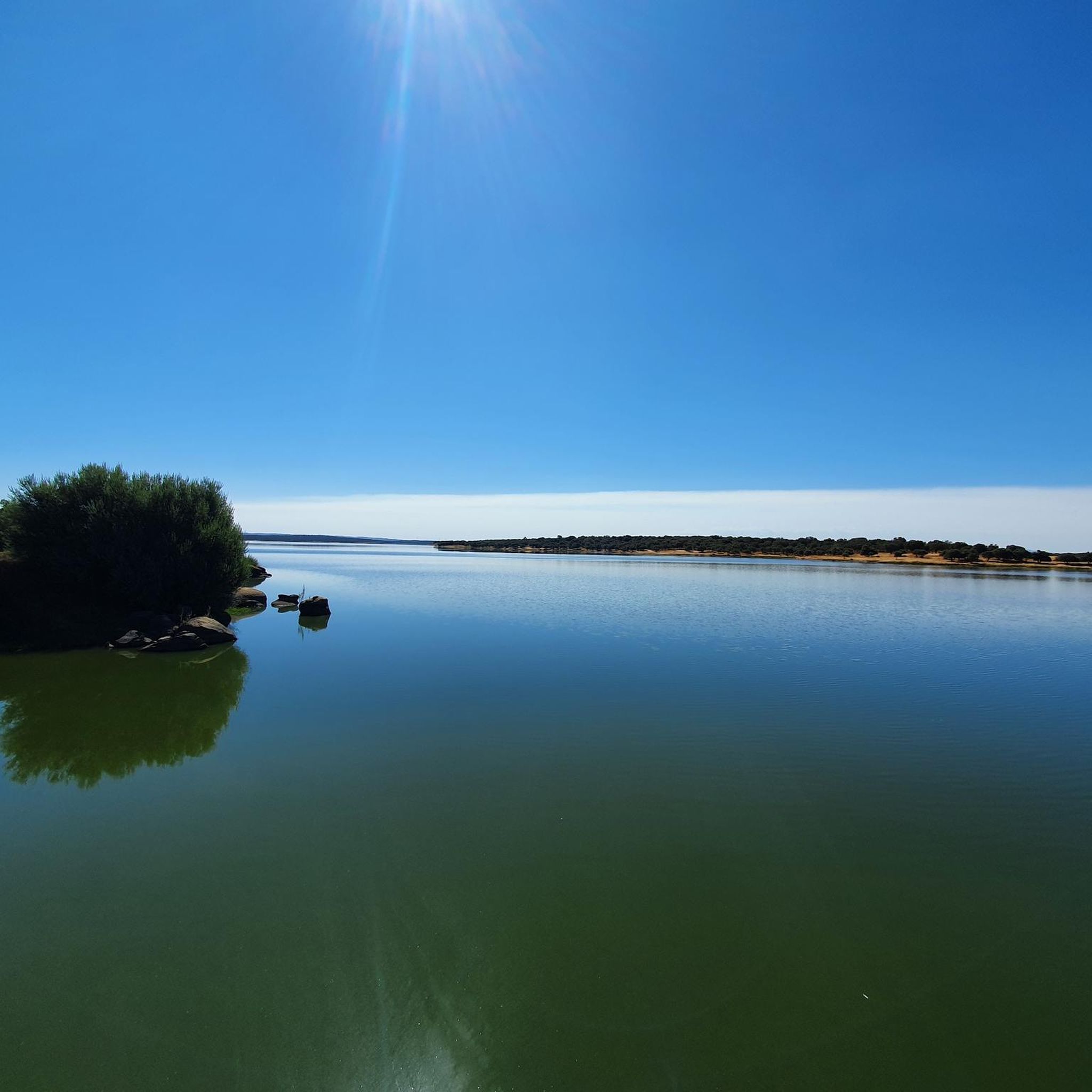
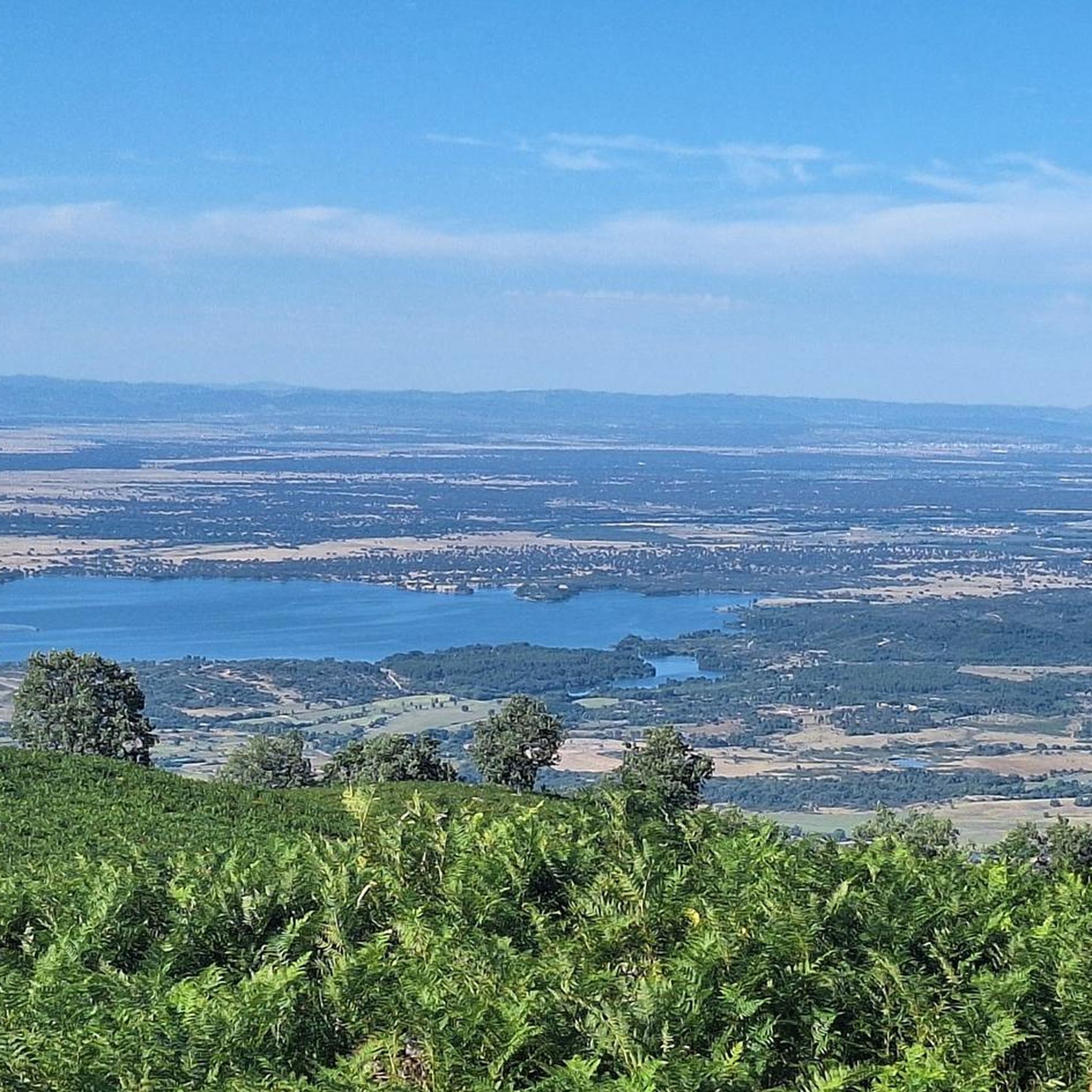
The area around Navalcán is ideal for nature lovers. The Embalse de Navalcán (Navalcán Reservoir) is surrounded by Mediterranean forests, perfect for hiking and birdwatching. The Río Tiétar and Río Guadyerbas offer beautiful landscapes for walks and photography. You'll find diverse terrains including forests, pastures, and wetlands, providing ample opportunities for outdoor exploration.
Are there specific hiking routes recommended near Navalcán?
Yes, the region boasts various hiking trails. Popular routes include those along the Río Arenal, which features natural pools like Charco Verde, and the Ruta de los Pescadores. For more detailed options, you can explore running trails around Navalcán, such as the Ruta de los Pescadores or the Río Cuevas Reservoir – Aquelcabos Medieval Bridge loop.
Are there any natural swimming spots or beaches in the area?
Yes, you can find natural swimming spots. The Río Arenal features natural pools like Charco Verde. Another popular spot is Río Pelayos Beach, located between Arenas de San Pedro and Guisando, which is a natural pool equipped for bathing with green areas and facilities.
What kind of wildlife can I expect to see around Navalcán, especially for birdwatching?
The Embalse de Navalcán and its surrounding Mediterranean forests are excellent for birdwatching, particularly during winter, spring, and autumn. You might spot notable species such as the Eurasian Black Vulture, Common Crane, and in spring, the majestic Spanish Imperial Eagle.
Are there cycling opportunities near Navalcán?
Absolutely. The area offers various cycling routes. For gravel biking, you can find routes like the Puerto de Pedro Bernardo – Mombeltrán loop. If you prefer road cycling, options include the Cinco Villas and La Centenera Loop or the Presa Navalcan y Ramacastañas circular route.
Are there family-friendly attractions or activities in Navalcán?
Many attractions around Navalcán are suitable for families. Historical sites like the San Pedro de Alcántara Sanctuary, the Aquelcabos Medieval Bridge, and the Castle of Arenas de San Pedro are all considered family-friendly. Natural areas like the Embalse de Navalcán and the Río Pelayos Beach also offer enjoyable outings for all ages.
What is the best time of year to visit Navalcán for outdoor activities?
The best times to visit Navalcán for outdoor activities like hiking and birdwatching are generally during winter, spring, and autumn. The Mediterranean forests and reservoir areas are particularly pleasant during these seasons, offering comfortable temperatures and vibrant natural scenery.
What do visitors enjoy most about the attractions around Navalcán?
Visitors appreciate the blend of historical depth and natural beauty. The San Pedro de Alcántara Sanctuary is highly valued for its religious significance and historical art. The ancient Aquelcabos Medieval Bridge is noted for its historical charm. The natural pools like those at Río Pelayos Beach are popular for refreshing swims and picnics, especially in warmer months.
Are there dog-friendly trails or areas around Navalcán?
While specific dog-friendly designations are not always explicit, the numerous hiking trails and natural areas around Navalcán, such as those along the Río Tiétar, Río Guadyerbas, and around the Embalse de Navalcán, are generally suitable for walks with dogs, provided they are kept under control and local regulations are respected.
Are there any accessible trails or attractions for visitors with mobility challenges?
Information on specific wheelchair-accessible trails is limited. However, some urban areas within Navalcán and the main paths around certain historical sites might offer easier access. It's advisable to check specific locations beforehand for detailed accessibility information.
Most popular attractions around Navalcán

Get inspired with the komoot mobile app


Explore more
Still not found the Highlight you’re looking for? See guides of the top attractions in other regions:
