Attractions and Places To See around Nombela - Top 15
Best attractions and places to see around Nombela, a municipality in the province of Toledo, Castilla–La Mancha, Spain, blend historical landmarks with local charm. Situated in the central part of the Iberian Peninsula at approximately 490 meters above sea level, Nombela is known for its historical significance, having gained 'villa' status in 1579. The region offers a mix of cultural sites and natural elements like the Saucedoso stream, providing diverse points of interest for visitors.
Best attractions and places to…
Last updated: May 21, 2026
Main Square of Pelahustán
Highlight • Settlement
Translated by Google •
Tip by

El Piélago Pass
Highlight (Segment) • Mountain Pass
Translated by Google •
Tip by
Sign up now to discover places like this
Get recommendations on the best single tracks, peaks, & plenty of other exciting outdoor places.
Sign up for free
Rollo de Justicia of Castillo de Bayuela
Highlight • Monument
Translated by Google •
Tip by

Escalona Castle Palace
Highlight • Castle
Translated by Google •
Tip by

Puente de los Molinos
Highlight • Bridge
Translated by Google •
Tip by
Sign up for free to discover even more attractions around Nombela.
Sign up for free
Already have an account?
Start today with a free account
Your next adventure awaits.
Login or Signup

Tips from the Community

It's worth seeing, especially in spring, when the stream is usually full of water and there's a small waterfall.
0
1

The place name Pelahustán seems to derive from the activity related to looms and the sale of linen that the population had in the past. In documents from the 18th century, it appears as Pelafustan. According to the dictionary of the Royal Spanish Academy, the concept of pelafustán is equated with that of pelagatos, which in turn means “insignificant or mediocre person, without social or economic position.” The town also had several water mills worked by Salamancan teleworkers. Pelahustán is located at an altitude of 673 meters above sea level and borders the terms of Higuera de las Dueñas in the province of Ávila, Nombela, Nuño Gómez, Garciotum and El Real de San Vicente in the province of Toledo, and Ceniientos in the Community of Madrid 😊
2
0

Castillo de Bayuela is a town in the Sierra de San Vicente region that has monuments that prove its historical importance, such as the Gothic-Renaissance church of San Andrés, the jurisdictional roll or some vetone boars. In addition, it has a series of ideal services for the traveler.
2
0
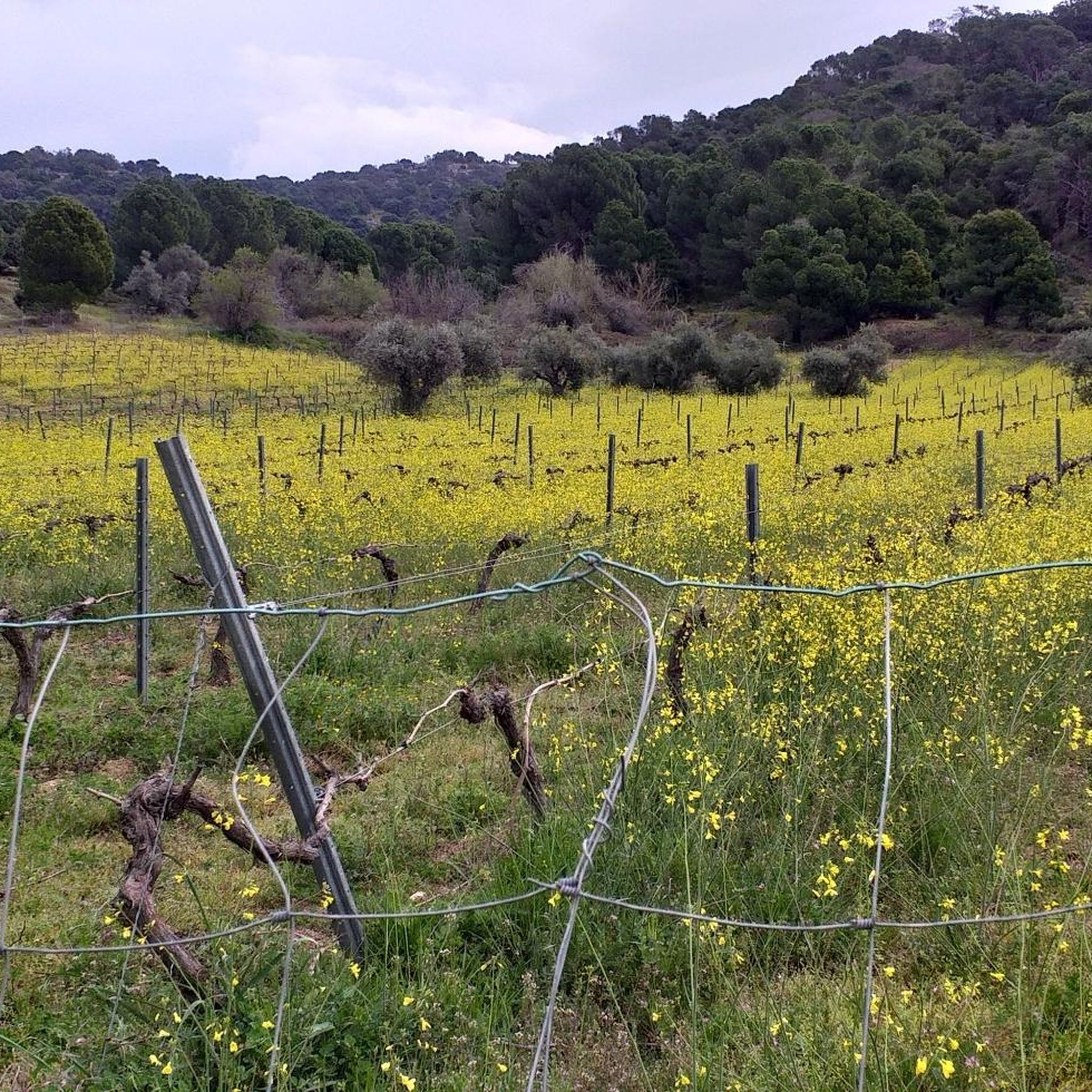
This bridge crosses the waters of the Saucedoso stream and dates from 1607, according to an inscription on one of the parapets. It is attributed to Miguel de Castro and its name comes from the mills that were located in this stream in the Middle Ages.
1
1

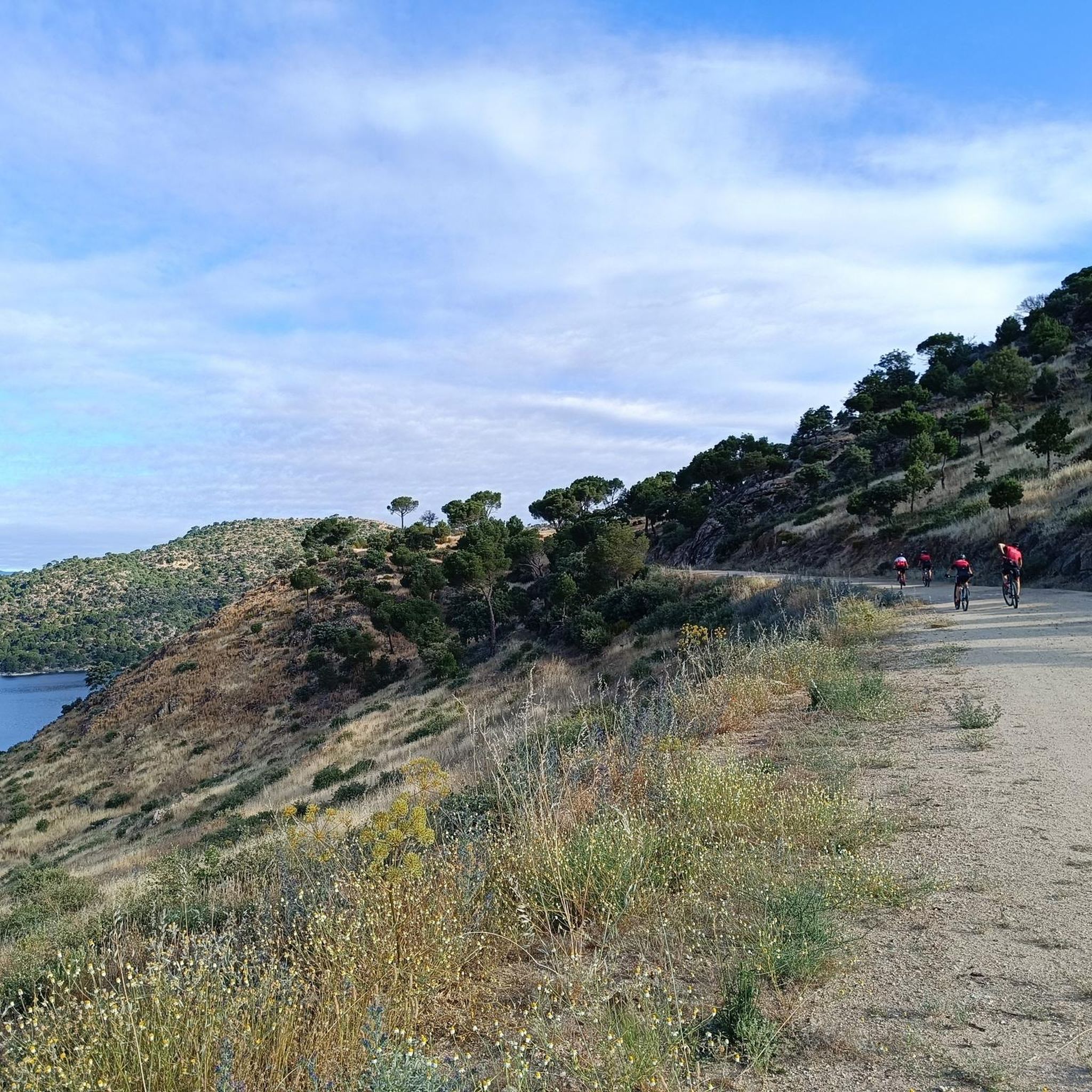
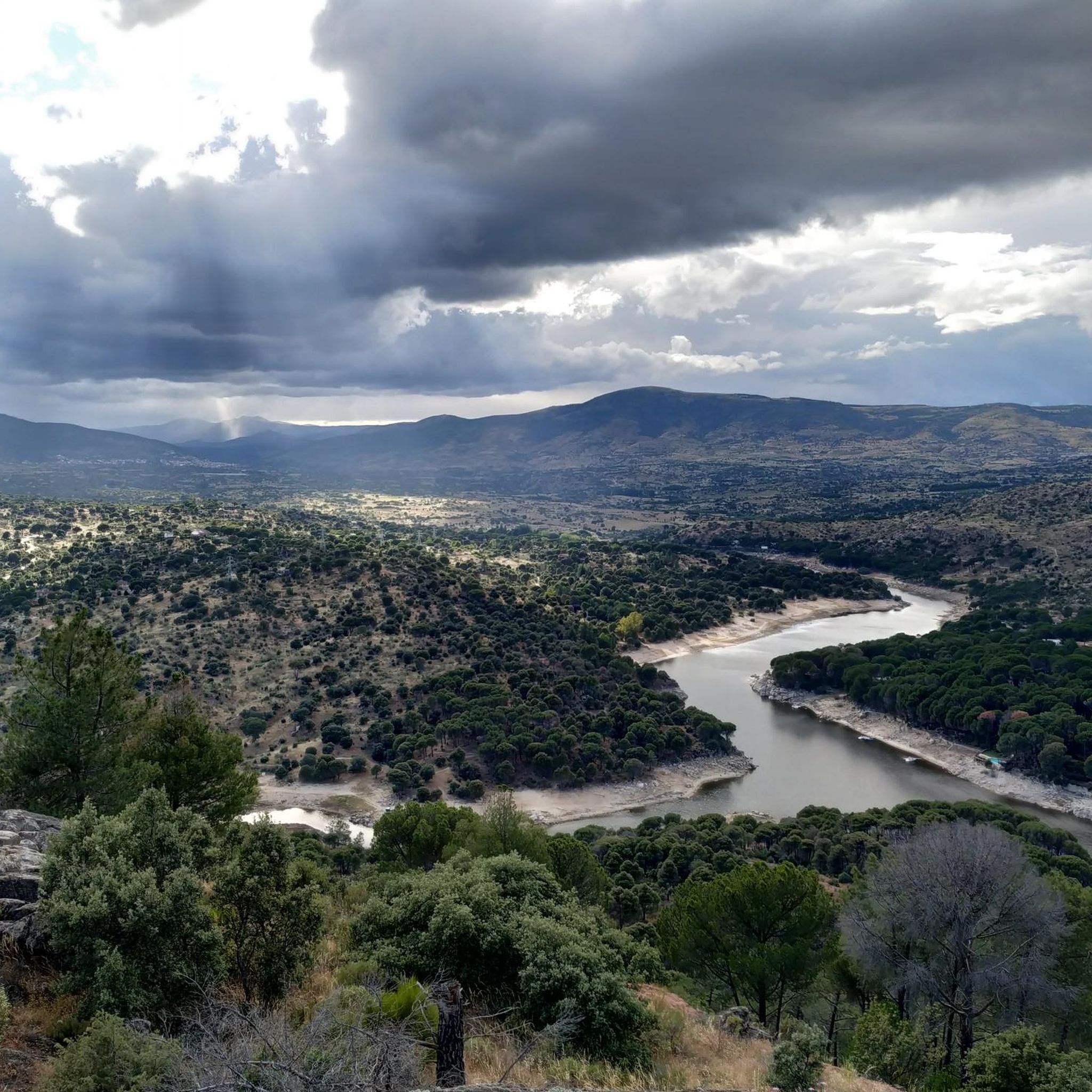
Port with beautiful views over El Real de San Vicente.
1
0

One of the most demanding and emblematic passes in the entire province of Toledo and, without a doubt, a favorite among cyclists in the Sierra de San Vicente, since it can be combined with routes in multiple directions.
1
0
Pelahustán is one of those places whose name has several possible origins, and each of the theories tells a part of the history of the town. The most accepted relates the name to the fustan fabric that was produced here, either with linen or with a mixture of silk and cotton. This cloth was coarse and rough and was used by hunters as protection, and the expression "pelar el fustán" existed as a synonym for hunting, but there was also a theory that the town was called Pelafustán with a derogatory character, like where the pelafustanes live ( rascals). On the other hand, a simpler theory is that there was a settler of these lands called Pela Hustán. Nothing to see.
2
0
This fortress of Roman origin was also used by the Arabs and finally taken over by Alfonso VI of Castile. Located at a strategic point next to the Alberche river between Ávila and Toledo, it contains an imposing 22-meter-high keep and a Mudejar palace inside.
0
0
Frequently Asked Questions
What historical landmarks can I explore around Nombela?
The region boasts several significant historical sites. You can visit the impressive Escalona Castle Palace, which has Roman, Muslim, and Castilian origins, featuring a unique Mudejar-style interior. Another notable landmark is the Puente de los Molinos, a historic bridge dating back to 1607 that crosses the Saucedoso stream. Additionally, the nearby town of Castillo de Bayuela features the Rollo de Justicia of Castillo de Bayuela, a jurisdictional roll, alongside its Gothic-Renaissance church of San Andrés.
Are there any natural features or viewpoints worth visiting near Nombela?
Yes, for natural beauty and panoramic views, consider heading to El Piélago Pass. It's a demanding mountain pass known for its beautiful vistas over El Real de San Vicente and is a favorite among cyclists in the Sierra de San Vicente. The Puente de los Molinos also offers a pleasant natural setting by the Saucedoso stream, especially in spring when the stream is full.
What kind of outdoor activities can I do around Nombela?
The area around Nombela is excellent for outdoor enthusiasts. You can find numerous routes for hiking and cycling. For hiking, explore trails like the 'Cabeza del Oso and Pelados Trail' or the 'Cerro de San Vicente and Cabeza del Oso Loop'. Cyclists often enjoy challenging routes such as the 'Puerto del Piélago – Santa María de la Nava loop'. You can find more details on these activities in the hiking guide and cycling guide for Nombela.
Are there family-friendly attractions in the Nombela area?
Absolutely. Several attractions are suitable for families. The Main Square of Pelahustán offers a glimpse into local history and culture. The Escalona Castle Palace is also considered family-friendly, allowing children to explore a historic fortress. Additionally, the Rollo de Justicia of Castillo de Bayuela and the surrounding town provide an interesting historical context for all ages.
What is special about the Main Square of Pelahustán?
The Main Square of Pelahustán is notable for its historical origins tied to fabric production. The town's name is believed to be connected to the coarse 'fustan' fabric once produced there, used by hunters. It offers a unique insight into the region's past industries and local heritage.
Can I find easy hiking trails around Nombela?
Yes, there are hiking options for various skill levels. For an easier experience, consider the 'Cerro del Castillo Loop' which is approximately 6.4 km long. You can explore more hiking routes and their difficulties in the hiking guide for Nombela.
What is the significance of Escalona Castle Palace?
The Escalona Castle Palace is historically significant as it was originally a Roman fortress, later occupied by Muslims, and eventually came under the control of Alfonso VI of Castile. Its architecture showcases a blend of Gothic and Mudejar styles, offering a fascinating journey through different historical periods. Admission to the interior is free.
Where can I find services like cafes or accommodation near Nombela's attractions?
While Nombela itself is a historic 'villa', the nearby town of Castillo de Bayuela, where the Rollo de Justicia is located, is known to have a series of services ideal for travelers, including potential cafes and accommodation options.
What makes El Piélago Pass a popular spot for cyclists?
El Piélago Pass is one of the most demanding and emblematic mountain passes in the province of Toledo. Its challenging terrain combined with beautiful views makes it a favorite among cyclists in the Sierra de San Vicente, as it can be integrated into various routes.
What is the best time of year to visit the Puente de los Molinos?
It is particularly worth seeing the Puente de los Molinos in spring. During this season, the Saucedoso stream, which the bridge crosses, is usually full of water, and you might even see a small waterfall, enhancing the natural beauty of the site.
Are there any specific cultural sites or historical monuments in Castillo de Bayuela?
Yes, Castillo de Bayuela, a town in the Sierra de San Vicente region, is rich in historical monuments. Besides the Rollo de Justicia, you can also visit the Gothic-Renaissance church of San Andrés and see ancient Vettonian boars, which are zoomorphic sculptures found in the area.
What kind of cycling routes are available around Nombela?
Nombela offers a variety of cycling routes, from touring bicycle adventures to more challenging road cycling. Popular routes include loops around Puerto del Piélago and the Main Square of Pelahustán. You can find detailed information on distances and difficulty levels in the cycling guide and road cycling guide for the area.

Get inspired with the komoot mobile app


Explore more
Still not found the Highlight you’re looking for? See guides of the top attractions in other regions:
