The best cycling routes around Las Labores
5.0
(1)
136
riders
25
rides
Touring cycling routes around Las Labores traverse the characteristic La Mancha plains, featuring vast expanses of vineyards and olive groves. The terrain is generally flat to undulating, with gentle hills offering views of the agricultural landscape. To the west, the Montes de Toledo foothills introduce more varied topography, providing opportunities for routes with elevation changes. This region offers a blend of serene agricultural scenery and access to significant natural features.
Best touring cycling routes around Las Labores
- The most popular…
Last updated: July 10, 2026
58.8km
04:03
160m
160m
Moderate bike ride. Good fitness required. Mostly paved surfaces. Suitable for all skill levels.
28
riders
Hard bike ride. Very good fitness required. Mostly paved surfaces. Suitable for all skill levels.

Sign up for free
10
riders
Hard bike ride. Very good fitness required. Mostly paved surfaces. Suitable for all skill levels.
10
riders
56.2km
04:29
600m
600m
Hard bike ride. Very good fitness required. Mostly paved surfaces. Suitable for all skill levels.
8
riders
Hard bike ride. Very good fitness required. Mostly paved surfaces. Suitable for all skill levels.
Get access to more routes and recommendations from other explorers.
Sign up for free
Already have an account?
Our route recommendations are based on thousands of hikes, rides, and runs completed by other people on komoot.
Start today with a free account
Your next adventure awaits.
Login or Signup

Tips from the Community

Alcázar de San Juan is one of the most interesting destinations in the heart of La Mancha, with a blend of history, heritage, nature, and Cervantine traditions. Its name comes from the Military Order of Saint John, which dominated the area after the Reconquista. It claims to be the birthplace of Miguel de Cervantes, as the baptismal font where, according to some studies, the writer was baptized is preserved in the Collegiate Church of Santa María la Mayor. It was an important railway junction and economic center in the 19th and 20th centuries, which shaped its urban development.
2
0

Return to the town of Campo de Criptana
0
0
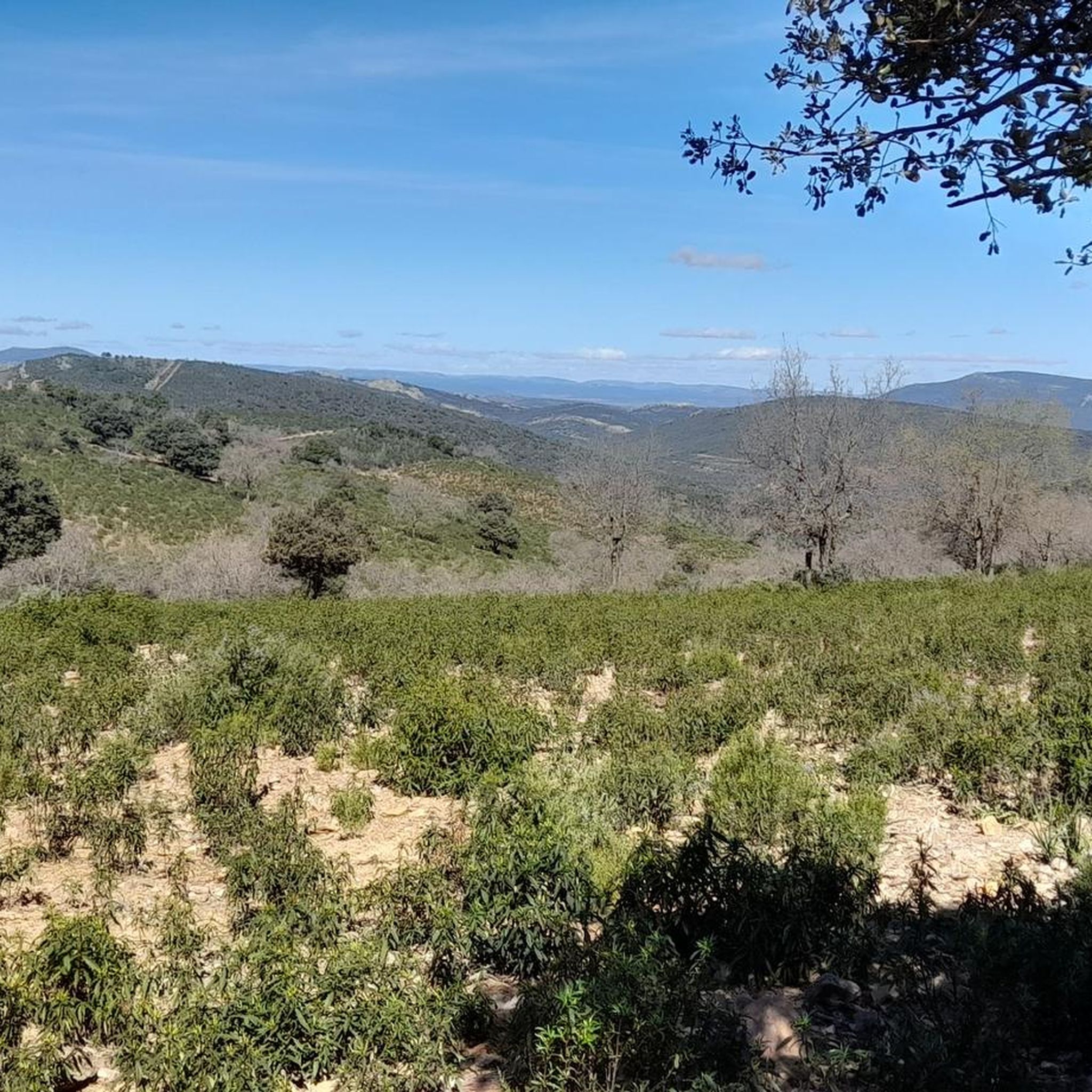
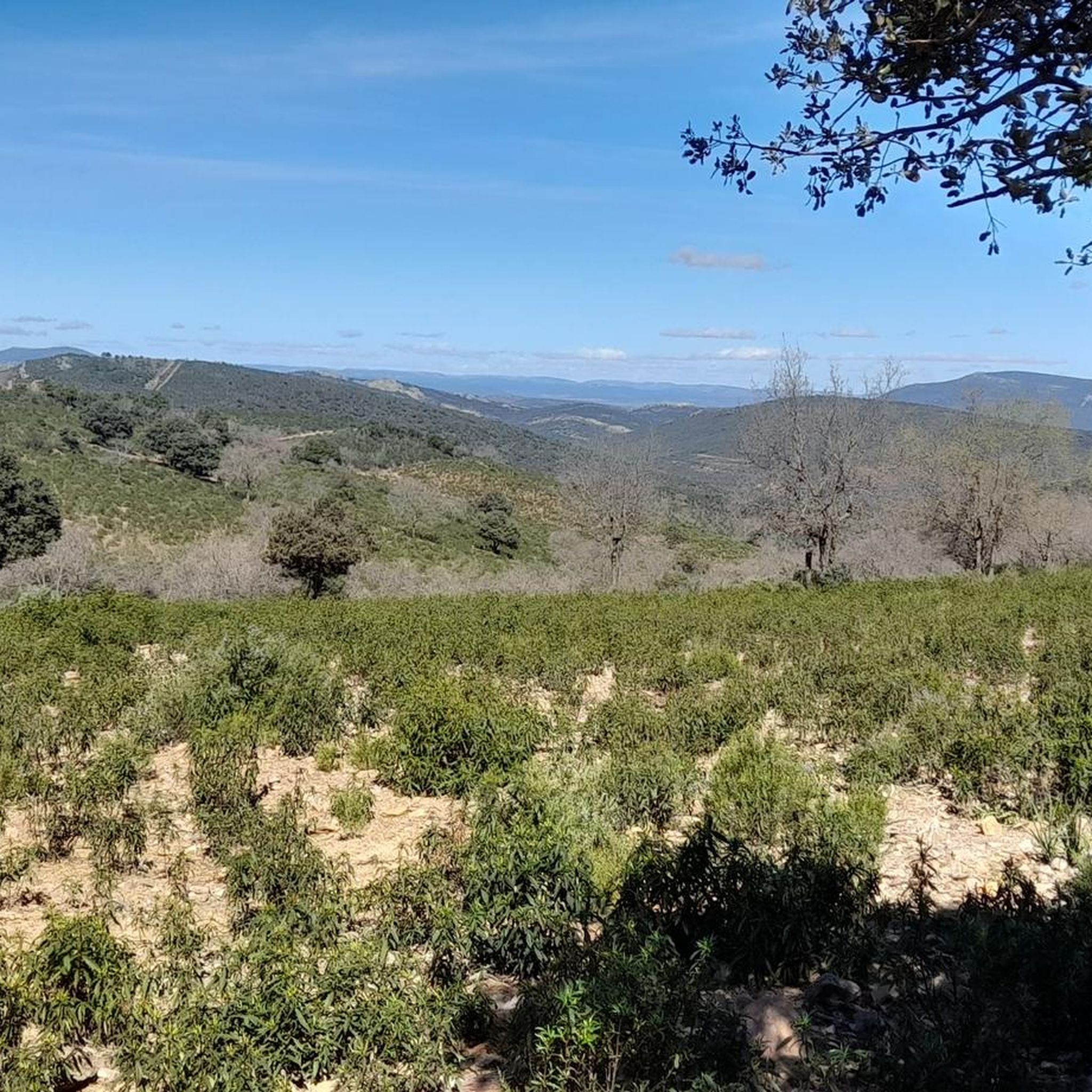
Nature and trails Sierra de Madridejos (Valdehierro) Hiking and cycling among holm oaks, rockroses, and pine forests. Cerro Calderón viewpoint with spectacular views.
5
0
This municipality is located in the La Mancha region, between the first foothills of the Montes de Toledo and the vast La Mancha plain. It is known for its cultural and natural heritage, including the Ojos del Guadiana site, the source of the Guadiana River. It also shares the Tablas de Daimiel National Park, an important wetland, with the neighboring municipality of Daimiel. Villarrubia de los Ojos has a rich history dating back to the Middle Ages, when control of the territory passed from the Order of Saint John of Jerusalem to the Order of Calatrava after the Battle of Las Navas de Tolosa in 1212. The town also boasts an interesting architectural and cultural heritage, including the Hermitage of San Cristóbal and the "San Isidro Labrador" Ethnographic Museum.
15
0
Villarrubia de los Ojos is a charming place to visit! Historic Center: Stroll through its streets and discover the traditional architecture and history of the town. San Isidro Labrador Ethnographic Museum: Learn more about local culture and traditions. Tablas de Daimiel National Park: Just 20 km away, this wetland is perfect for nature lovers. Sanctuary of the Virgin of the Sierra: A place of great religious and cultural significance.
18
0

It was built in 1859. Its main attraction is its neo-Romanesque elements, such as the archivolts at the entrance or its impressive central nave, more than twenty meters long and six meters wide. The stained glass windows on its walls, with their religious motifs, fill the interior with light and color. There are many images that are venerated in the Church. Highlights include the Virgin of Good Counsel, patron saint of the town; San Antonio Abad, male patron saint; the Virgin of Sorrows, a beautiful statue; the Santísimo Cristo de Medinaceli, with a possible Soria origin; or the Recumbent Christ, a superb carving of the Son of God. During the Civil War the Church was looted and lost some images and relics. For this and other reasons, the temple had to be renovated, starting with moving the belfry and its heavy cast iron bell to the entrance to the Church square.
1
0
This square surprises visitors with its open wooden arcades supported by footings and upright posts, painted in red ochre.
2
0
Fuente El Fresno combines natural beauty with rich ancient history. Its crystalline water source has been considered a treasure since ancient times and is believed to have been used by ancient civilizations as a sacred place of worship and purification. Visitors can enjoy a peaceful atmosphere while exploring the mysteries and legends that surround this municipality. If you are planning a visit, you will surely enjoy exploring this hidden gem of Castilla-La Mancha! 😊
7
0
Frequently Asked Questions
How many touring cycling routes are available around Las Labores?
There are over 25 touring cycling routes around Las Labores, offering a variety of options for different skill levels. You'll find routes ranging from easy to difficult, allowing you to choose an adventure that suits your experience.
What kind of terrain can I expect on touring cycling routes in Las Labores?
The terrain around Las Labores is characteristic of the La Mancha plains, featuring vast expanses of vineyards and olive groves. You can expect generally flat to undulating landscapes, with gentle hills that offer rewarding views. To the west, the Montes de Toledo foothills introduce more varied topography with some elevation changes.
Are there touring cycling routes suitable for beginners or families in Las Labores?
Yes, there are routes suitable for beginners and families. While many routes are moderate to difficult, there is at least one easy touring cycling route available. These typically traverse the flatter agricultural plains, providing a relaxed cycling experience through picturesque scenery.
What is the best time of year for touring cycling in Las Labores?
The best time for touring cycling in Las Labores is generally during spring and autumn when temperatures are milder. Summers can be very hot, and winters can be cool, so these shoulder seasons offer the most comfortable conditions for exploring the La Mancha landscapes.
Are there any circular touring cycling routes in the area?
Yes, many routes around Las Labores are designed as loops. For example, the Parque Nacional Tablas de Daimiel — circular from Villarubia de los Ojos is a popular circular route that takes you through wetlands. Another option is the Bike loop from Villarrubia de los Ojos, which offers a moderate challenge.
Can I find routes with scenic viewpoints?
Absolutely. The region offers several scenic viewpoints. The Montes de Toledo foothills, for instance, are home to the Hermitage of San Cristóbal, also known as the Mirador de la Mancha, which provides breathtaking panoramic views of the entire La Mancha plain. You can also find the La Mancha Viewpoint, which is a great spot to take in the expansive landscape.
What cultural or historical sites can I explore while cycling around Las Labores?
Las Labores is situated within the historical and literary landscape of La Mancha, famously depicted in "Don Quixote." You can cycle routes that pass through areas known for traditional windmills, such as those near Campo de Criptana, or visit the Puerto Lápice Windmills. The Campo de Criptana Windmills – Ermita de San Antón loop from Puerto Lápice is a great route to experience this cultural heritage.
Are there natural attractions or parks accessible by touring bike?
Yes, the region offers access to significant natural features. The Parque Nacional Tablas de Daimiel — circular from Villarubia de los Ojos route offers views of the wetlands near Tablas de Daimiel National Park. While direct cycling within the park might have restrictions, its presence contributes to the rich biodiversity of the wider area. The Ruidera Lakes Nature Reserve, a chain of fifteen lakes, is also within the broader Castilla-La Mancha region and offers stunning views along quiet roads.
What kind of local flora and fauna might I encounter?
While cycling through the rural environment around Las Labores, you can enjoy the local flora, including ash trees and poplars, particularly along watercourses. The area is also home to various fauna, such as nightingales and, in certain aquatic areas, otters.
What do other touring cyclists say about the routes around Las Labores?
The touring cycling routes around Las Labores are highly rated by the komoot community, with an average score of 5.0 stars from 1 review. Cyclists often praise the serene agricultural scenery, the extensive vineyards, and the varied terrain that offers options for different ability levels.
Are there challenging touring cycling routes for experienced cyclists?
Yes, for experienced cyclists seeking a challenge, there are several difficult routes available. These routes often feature more significant elevation changes, particularly as they venture into the Montes de Toledo foothills. An example is the Villarrubia de los Ojos – Puerto de los Santos loop from Villarrubia de los Ojos, which covers a substantial distance with considerable elevation gain.
Are there routes that pass by traditional Spanish villages or towns?
Many touring cycling routes in the region will take you through or near traditional Spanish villages. These routes often follow the "Ruta de Don Quijote," allowing you to experience the local culture and architecture. You might find opportunities to stop for refreshments in these villages.
Most popular attractions around Las Labores

Get inspired with the komoot mobile app


Explore more
Browse the best Cycling routes in other regions.
