The best walks and hikes around Quintanaortuño
4.2
(18)
169
hikers
5
hikes
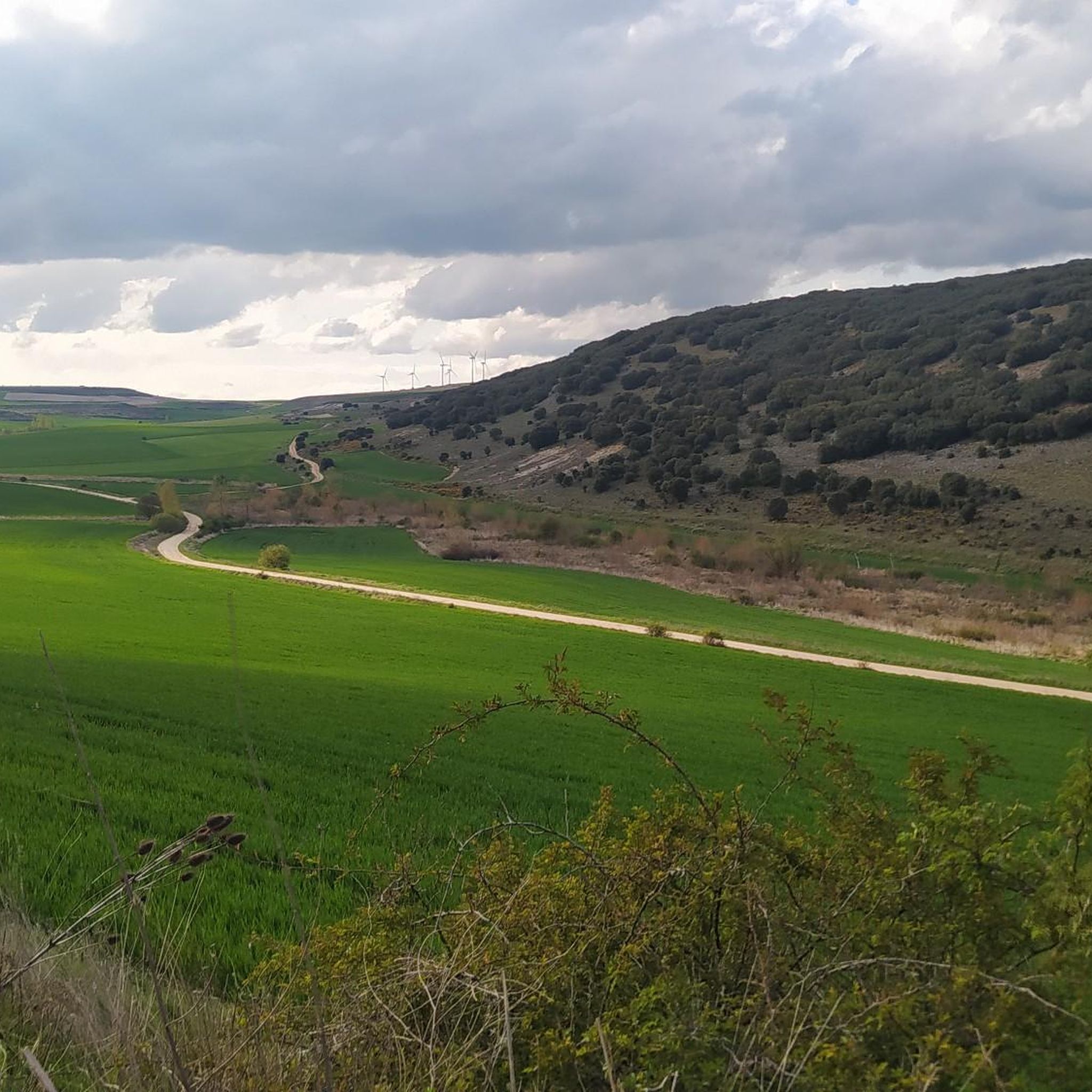
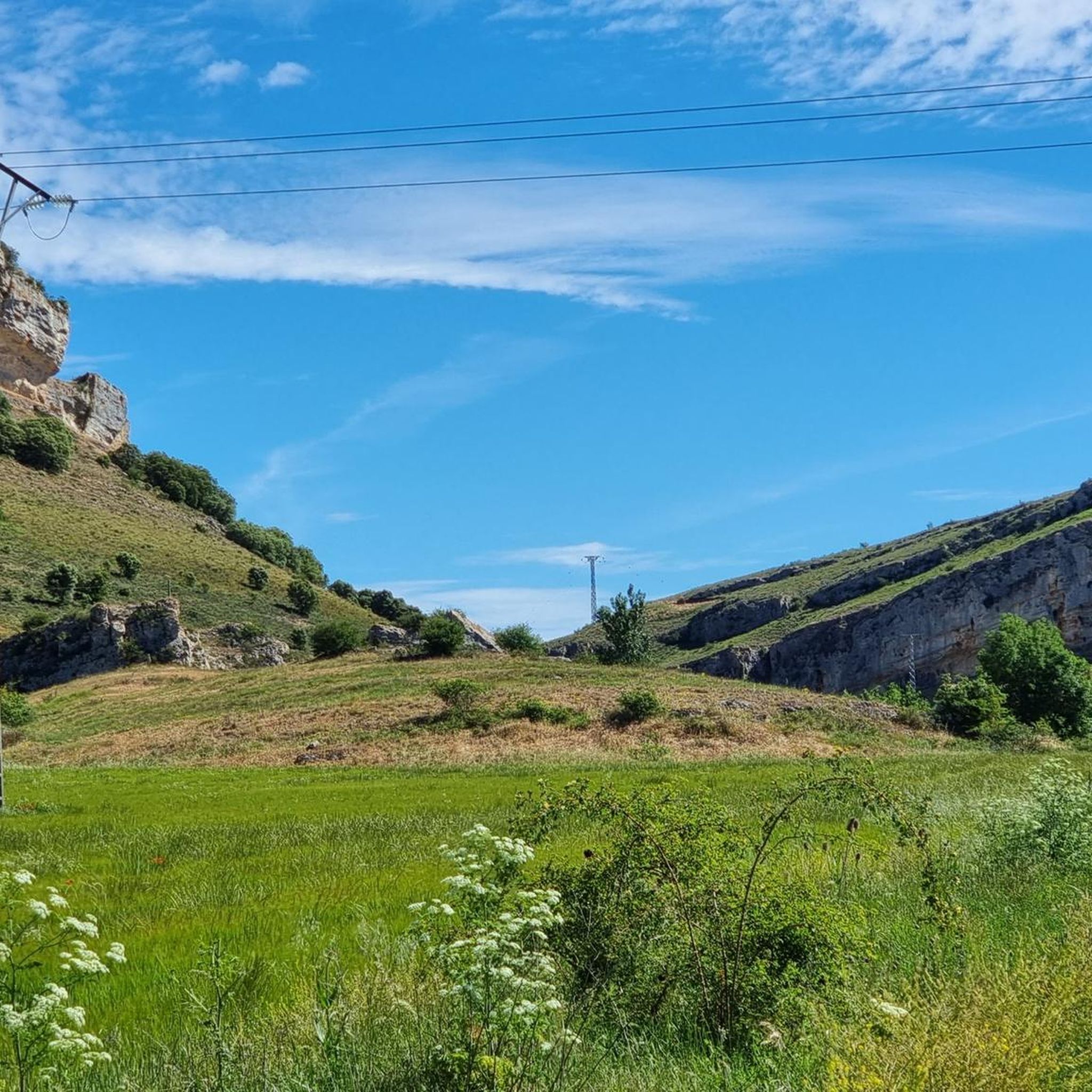
Hiking around Quintanaortuño offers access to the diverse landscapes of the Burgos province in Spain. The region is characterized by river valleys, gorges carved by waterways like the Ubierna River, and varied terrain including mountains and dense forests. Hikers can expect paths that traverse from gentle riverbanks to elevated viewpoints, showcasing the area's natural beauty and geological formations. This setting provides a range of outdoor activities for different preferences and fitness levels.
Best hiking trails around Quintanaortuño
- The most popular…
Last updated: July 4, 2026
4.2
(5)
39
hikers
8.42km
02:09
30m
30m
Moderate hike. Good fitness required. Easily-accessible paths. Suitable for all skill levels.
20
hikers
Easy hike. Great for any fitness level. Easily-accessible paths. Suitable for all skill levels.

Sign up for free
17
hikers
10.7km
02:44
40m
40m
Moderate hike. Good fitness required. Easily-accessible paths. Suitable for all skill levels.
4.4
(5)
11
hikers
9.55km
02:27
40m
40m
Moderate hike. Good fitness required. Easily-accessible paths. Suitable for all skill levels.
3.0
(1)
11
hikers
7.63km
02:05
120m
120m
Moderate hike. Good fitness required. Easily-accessible paths. Suitable for all skill levels.
Our route recommendations are based on thousands of hikes, rides, and runs completed by other people on komoot.
Start today with a free account
Your next adventure awaits.
Login or Signup


Tips from the Community

The Church of San Lorenzo el Real is one of the most prominent Baroque churches in Burgos. It was built between 1684 and 1694 by the Society of Jesus, on the site of a more modest building. After the expulsion of the Jesuits at the end of the 18th century, the church became a parish church and was dedicated to the martyr Saint Lawrence.
7
0
The Arch or Gate of Saint Stephen is one of the historic gates of the old walled city of Burgos, built in the 13th century to replace an older one that had become too small due to the city's growth. This gate, along with that of Saint Martin, is one of the oldest preserved, and both feature a distinctly Mudejar style, the work of Moorish builders who were part of the Mudejar construction community in Burgos.
10
0
The Church of San Lesmes Abad is one of the most emblematic churches in Burgos, both for its historical significance and its connection to the Camino de Santiago. It was built in the 14th century, following the order of John I of Castile in 1383 to demolish the old hermitage of San Juan, where the tomb of San Lesmes, patron saint of Burgos, was located. San Lesmes (Adelelmo de Burgos) was a Benedictine monk who dedicated his life to caring for pilgrims and the sick. He died in 1097, and his remains rest in this church.
14
0
The Marceliano Santa María Museum is dedicated to one of Castile’s most important painters, Marceliano Santa María (1866–1952), known as the “Painter of Castile” for his landscapes and historical scenes that capture the soul of the region.
13
0
Formerly known as the Lesser Market Square, it is now the center of the city's social life. Its origins date back to the Middle Ages, when it was used to hold weekly markets, hence the name Lesser Market Square. However, throughout its history, it has also been known as Royal Square, Constitution Square, or Republic Square. Built in 1221 in the Gothic style by King Ferdinand III and Bishop Don Mauricio, it was declared a UNESCO World Heritage Site in 1984.
2
0
Its construction began on July 20, 1221, at the initiative of King Ferdinand III the Saint and Bishop Maurice. It replaced an old 11th-century Romanesque cathedral, promoted by Alfonso VI. It was consecrated in 1260, although services had already been held there since 1230. Throughout the 15th to 18th centuries, extensions and renovations were carried out in Flamboyant Gothic, Renaissance, and Baroque styles.
8
0
The Cathedral of Santa María de Burgos, also known as Burgos Cathedral, is one of the most impressive monuments of Gothic art in Spain and was declared a World Heritage Site by UNESCO in 1984.
9
0
Burgos's North Market Square, also known as Plaza de España, has been a focal point of local commerce for decades. It was once the site of the North Market, opened in 1968, which served as a distribution center for fresh produce such as meat, fish, and fruit.
14
0
Frequently Asked Questions
What kind of terrain can I expect on hikes around Quintanaortuño?
The region around Quintanaortuño, situated in the Burgos province, offers diverse terrain. You'll find river valleys and gorges carved by waterways like the Ubierna River, as well as paths that traverse mountains and dense forests. Expect a mix of gentle riverbanks and elevated viewpoints, showcasing unique geological formations and varied landscapes.
Are there any easy hiking trails suitable for beginners in Quintanaortuño?
Yes, there are options for easier walks. For instance, the Juan de Garay Ship Sculpture – PlazaDelMercadoNorte loop from AXA is an easy 3.5-mile (5.7 km) trail that takes approximately 1 hour 26 minutes, leading through urban areas and along the river.
What are some notable landmarks or points of interest I can see while hiking near Quintanaortuño?
While exploring the area, you can encounter several interesting landmarks. These include the Monument to El Cid and the Mile 0 of the Camino del Cid. You might also pass by the historic San Esteban de Olmos Monastery, offering a blend of natural beauty and cultural heritage.
How many hiking routes are available in the Quintanaortuño area?
There are 5 hiking routes available in the immediate Quintanaortuño area, ranging from easy to moderate difficulty. These routes provide a good variety for different preferences and fitness levels.
What do other hikers say about the trails in Quintanaortuño?
The hiking routes around Quintanaortuño are highly regarded by the komoot community, holding an average rating of 4.3 stars from over 17 reviews. Hikers often appreciate the varied terrain, which includes both historical urban paths and access to the broader natural landscapes of Burgos province.
Are there any longer, more challenging hikes available?
For those looking for a longer moderate challenge, consider the IglesiaSanLorenzoElReal – Plaza Mayor of Burgos loop from AXA. This route covers approximately 6.8 miles (10.9 km) and typically takes around 2 hours 47 minutes to complete.
Can I find circular hiking routes in Quintanaortuño?
Yes, several routes in the area are circular. For example, the Burgos Castle – Arch of Fernán González loop from Barriada de la Tejera is a moderate 4.8-mile (7.7 km) circular trail that takes about 2 hours 7 minutes, offering historical sights.
What kind of natural features can I expect to see on the trails?
The region is rich in natural features. You can expect to see river valleys, gorges, and dense forests, particularly juniper forests. The Ubierna River itself contributes to the local scenery, and the broader Burgos province is known for its diverse ecosystems and geological formations.
Is the area suitable for nature observation or photography?
Absolutely. The diverse ecosystems and varied landscapes, from riverbanks to elevated viewpoints, support a variety of flora and fauna. This makes the region an ideal destination for wildlife observation and nature photography, especially in its forests and along river valleys.
Are there any trails that follow old railway lines or similar paths?
Yes, the area features paths like the Beautiful road on old train tracks, which offers a unique hiking experience. Additionally, the Santander - Mediterranean Nature Trail is another example of a dedicated trail that might incorporate such features.
Most popular routes around Quintanaortuño
Most popular attractions around Quintanaortuño

Get inspired with the komoot mobile app


Explore more
Browse the best Hikes in other regions.
