Top 15 Castles around Castellar Del Vallès
Best castles around Castellar Del Vallès are situated in a region characterized by its historical significance and varied landscape. The area features hills and riverbanks, providing strategic locations for ancient fortifications. These sites often offer panoramic views of the surrounding terrain. The castles here represent centuries of architectural evolution and cultural heritage.
Best castles around Castellar Del Vallès
- The most popular castles is La Mola and the Monastery of Sant Llorenç del Munt, a summit that is the highest…
Last updated: August 16, 2026
La Mola and the Monastery of Sant Llorenç del Munt
Highlight • Summit
Translated by Google •
Tip by

Sentmenat Castle
Highlight • Castle
The castle is in a strategic place. The façade, oriented to the …
Translated by Google •
Tip by

Sign up now to discover places like this
Get recommendations on the best single tracks, peaks, & plenty of other exciting outdoor places.
Sign up for free
Guanta Castle
Highlight • Castle
Translated by Google •
Tip by
Montbui Castle
Highlight • Castle
Translated by Google •
Tip by
Gallifa Castle
Highlight • Castle
Translated by Google •
Tip by
Sign up for free to discover even more castles around Castellar Del Vallès.
Sign up for free
Already have an account?
Start today with a free account
Your next adventure awaits.
Login or Signup
Popular around Castellar Del Vallès
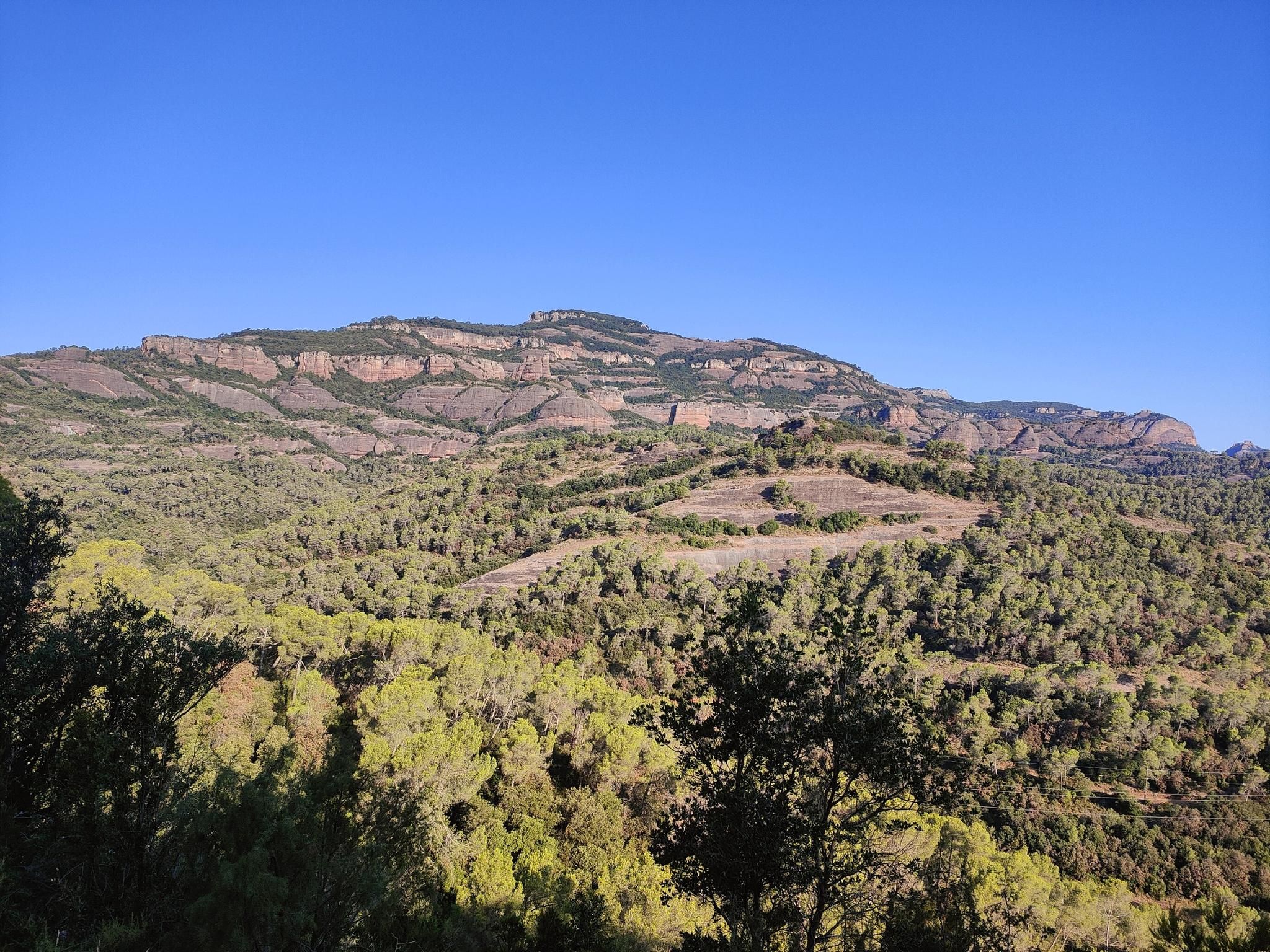
Spaces to breathe – loop of the Vallès Natural (GR 173)
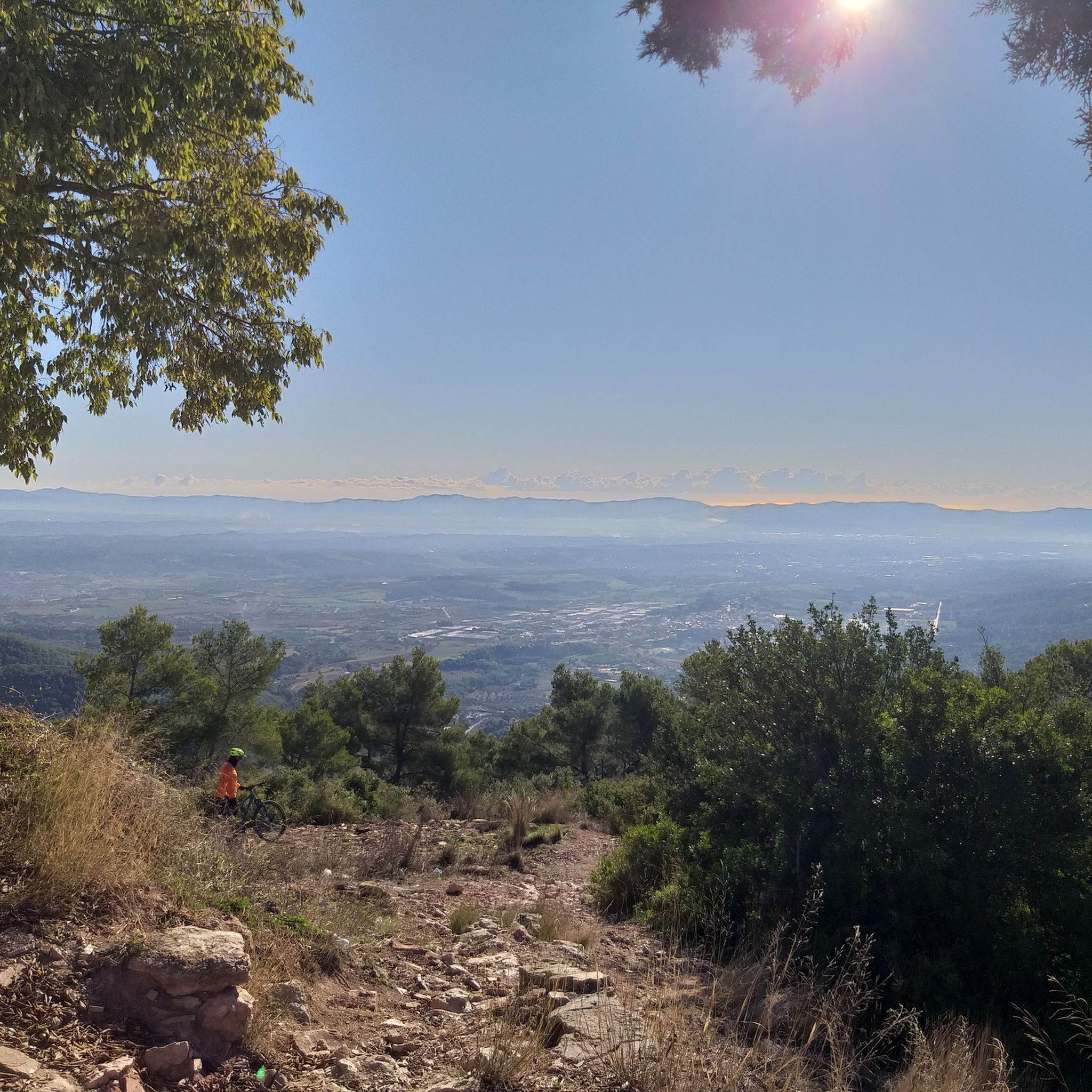
MTB Trails around Castellar Del Vallès
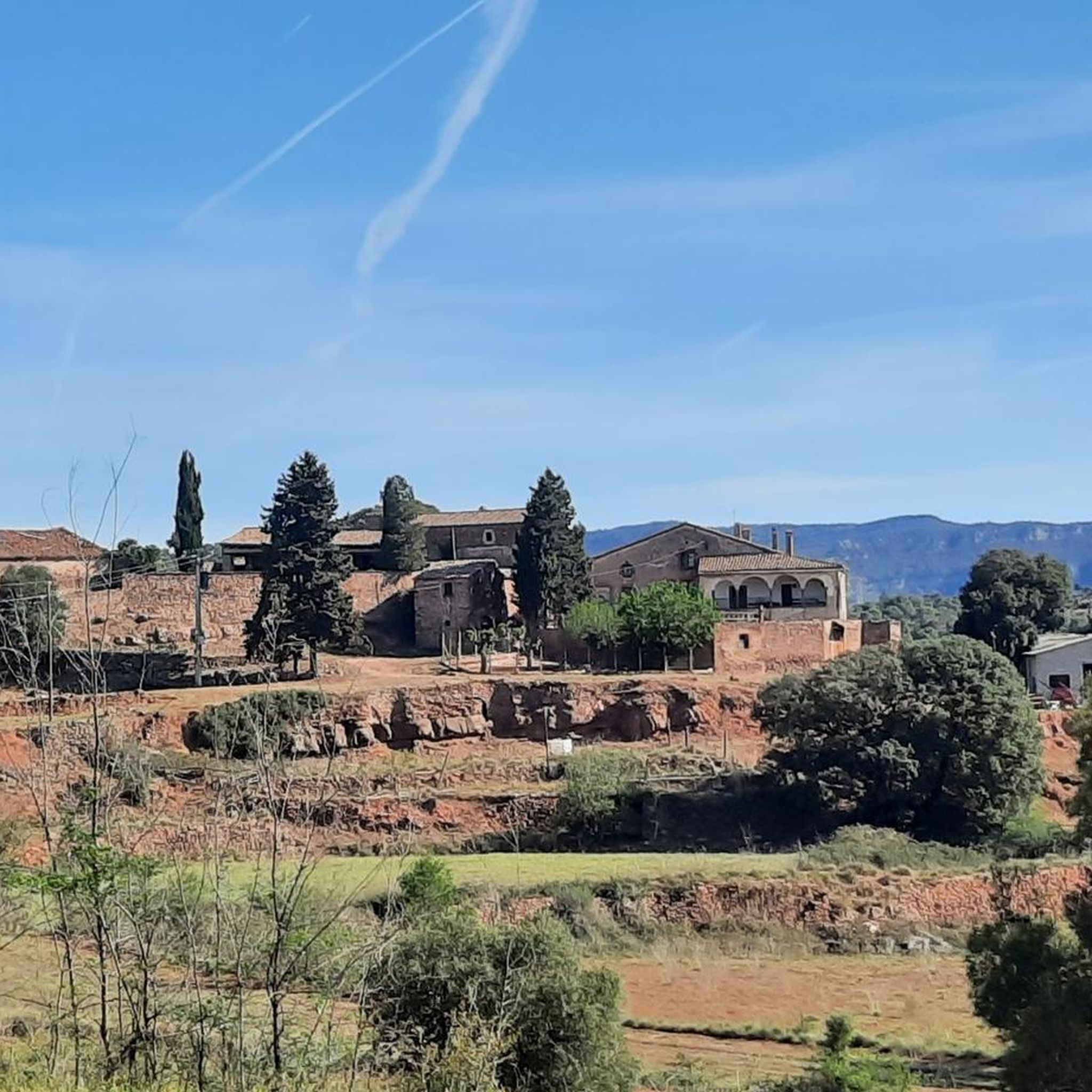
Hiking around Castellar Del Vallès
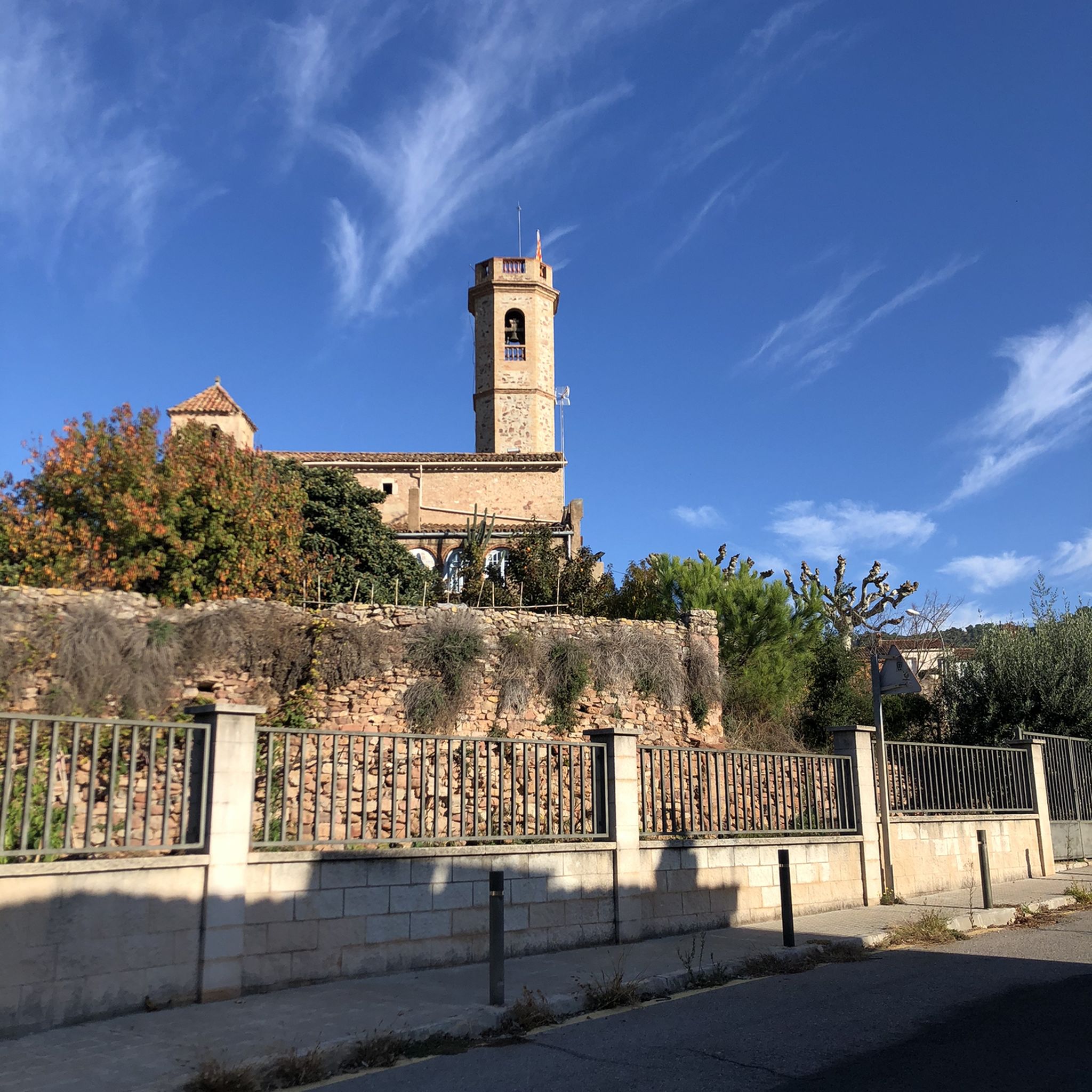
Road Cycling Routes around Castellar Del Vallès
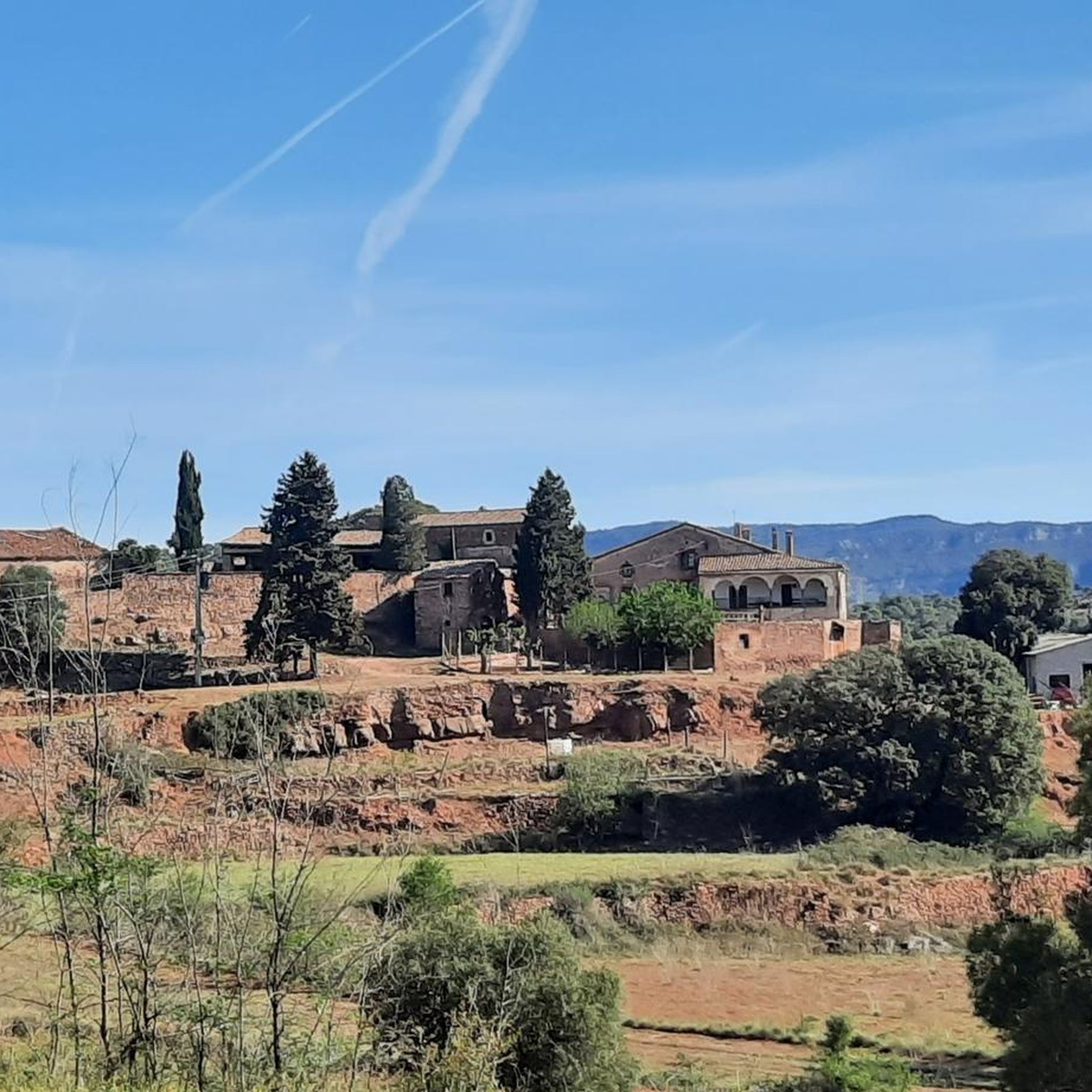
Running Trails around Castellar Del Vallès
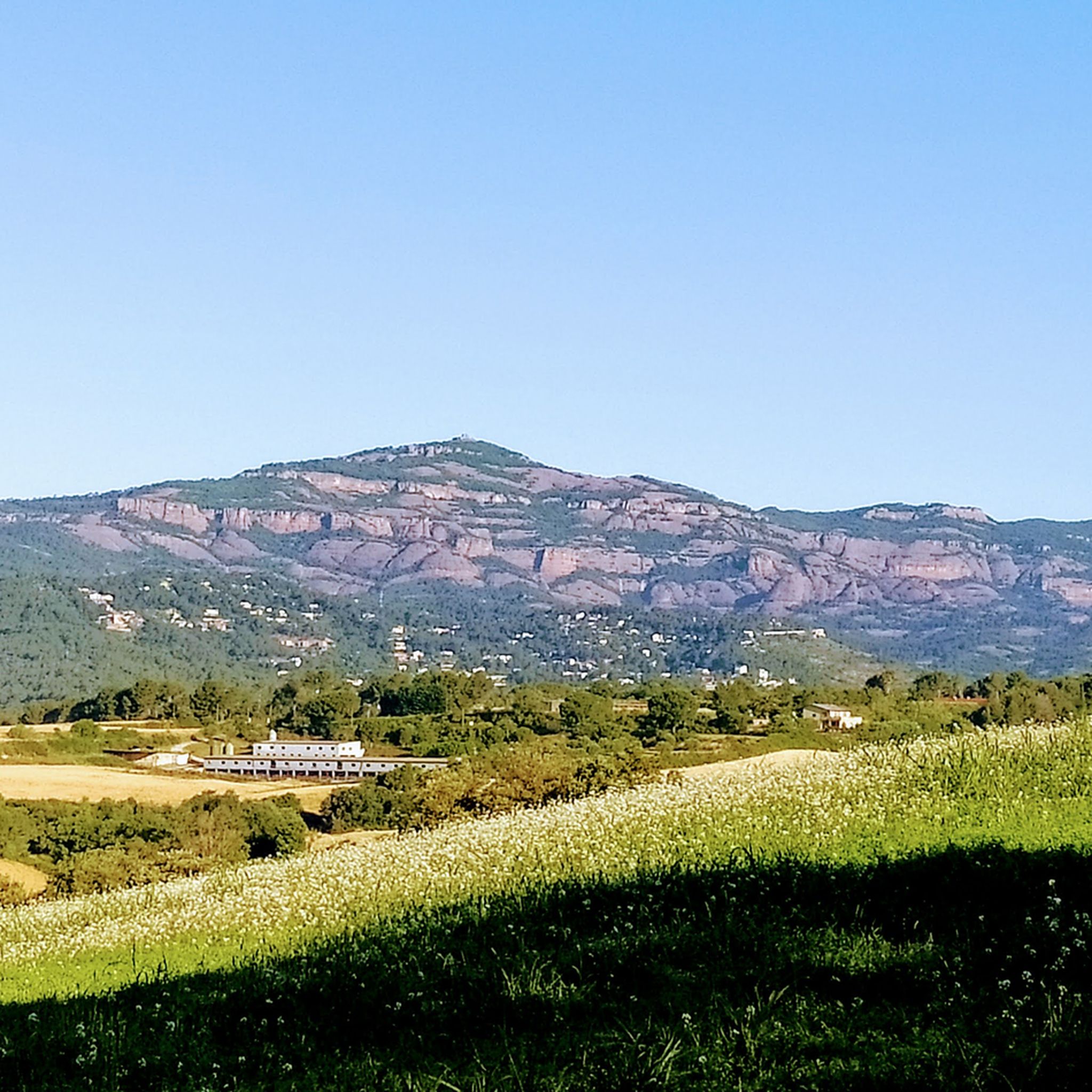
Cycling around Castellar Del Vallès
Gravel biking around Castellar Del Vallès
Mountain Hikes around Castellar Del Vallès
Other adventures around Castellar Del Vallès

Tips from the Community

The restaurant has been closed since the fall of 2025.
1
0

Casa de Guanta, a restaurant better known as Castell de Guanta, is a place to have a good breakfast or lunch, in a very quiet and hidden area, on the cliff that forms the Sentmenat stream.
0
0

O Casa de Guanta, is a restaurant that is halfway up the forest track in the Guanta area. The real Castle, its remains, are at Roca del Corb, near the house and can be reached by following the Puig Rodó path. Continuing on, you can connect with the Farell road. In the house there is a restaurant called Castell de Guanta where Teresa prepares delicious dishes and breakfasts.
1
0

Very pleasant and diverse walk through leafy areas and open areas
3
0

Dear Banderas, after discussing with you the frustrated visit to the Castle last Wednesday, I decided to return following your recommendation but you won't believe it, it was also closed today, Monday, so for now I will have to content myself with your photographs. Thank you
5
0

Gallifa Castle is a small fortification dating from the 10th century. Today only remains of the walls and other buildings of the castle remain, including part of a tower. The Romanesque chapel, on the other hand, was restored in the 20th century.
0
0

The highest peak in the natural park. Here is the Romanesque monastery of Sant Llorenç del Munt (10th century). There is also a very popular restaurant where you can enjoy one of the most spectacular views over much of Catalonia, thanks to the 1,104 m height.
4
0
Frequently Asked Questions
What is the most significant castle directly within Castellar del Vallès?
The most prominent castle directly within Castellar del Vallès is the Castell de Clasquerí, also known as Castell de Castellar. Dating back to at least 1010, it showcases centuries of architectural evolution with Gothic and historicist styles. It features a trapezoidal plan, two towers, a central courtyard, and the Gothic-style Chapel of Santa Bàrbara. Its strategic location on the Ripoll river offers panoramic views of the town.
Are there family-friendly castles to visit around Castellar del Vallès?
Yes, Guanta Castle is noted as family-friendly. Although currently in ruins, its exterior is beautiful, and it offers a dedicated children's area, making it suitable for visits with the whole family. Many routes leading to it are also considered easy and enjoyable for all ages.
What kind of historical features can I expect to see at these castles?
The castles around Castellar del Vallès offer a rich glimpse into history. For example, Sentmenat Castle is a large Gothic building with walls three meters thick, rebuilt on older foundations. Montbui Castle, with its origins in the 10th century, includes the castle complex and the church of San Mateo. The Castell de Clasquerí also features a well-preserved Gothic chapel with historical paintings.
What are the best times to visit the castles around Castellar del Vallès?
Visiting during spring and autumn generally offers the most pleasant weather for exploring the castles and their surroundings. The temperatures are mild, and the natural landscapes are vibrant. Summer can be warm, but early mornings or late afternoons are still good for visits. Winter visits are possible, but some facilities or routes might have reduced hours or be less accessible depending on weather conditions.
What outdoor activities can I do near these castles?
The region around Castellar del Vallès offers numerous outdoor activities. You can find excellent options for hiking, mountain biking (MTB), and road cycling. For example, there are routes like the 'Guanta Castle – Pic del Vent Summit loop' for hiking, or the 'Sentmenat Castle – Torre Marimon loop' for MTB. You can explore more routes and activities on the dedicated guides for hiking, MTB, and cycling around Castellar del Vallès.
Are there any castles that offer panoramic views?
Yes, several castles provide spectacular views. La Mola and the Monastery of Sant Llorenç del Munt, while primarily a summit with a monastery, is often associated with castles due to its historical significance and offers breathtaking views over much of Catalonia from its 1,104 m height. Montbui Castle also rewards visitors with majestic views of the Vallés Oriental and Vallés Occidental regions. The Castell de Clasquerí, situated on a hill, also provides picturesque views of Castellar del Vallès.
What should I wear when visiting castles in this region?
Comfortable walking shoes are highly recommended, as many castles involve walking on uneven terrain, stairs, or trails. Layered clothing is also advisable, especially if you plan to explore both indoors and outdoors, as temperatures can vary. A hat and sunscreen are useful during sunny days, and a light jacket can be helpful during cooler months or in shaded areas.
Are there places to eat or cafes near the castles?
Yes, some castle sites or nearby areas offer dining options. For instance, Guanta Castle has a good restaurant nearby that serves traditional cuisine with local products. The site of La Mola and the Monastery of Sant Llorenç del Munt also features a very popular restaurant where you can enjoy refreshments with spectacular views.
What makes the castles around Castellar del Vallès unique?
The castles in this region are unique due to their blend of historical significance, varied architectural styles, and strategic locations. They range from well-preserved Gothic structures like Sentmenat Castle to medieval ruins like Guanta Castle, each telling a story of centuries of evolution. Their positions on hills and riverbanks often provide natural defense and stunning panoramic views, reflecting the region's rich cultural heritage.
How long does it typically take to visit a castle in this area?
The duration of a visit can vary depending on the castle and your interest. For a site like the Castell de Clasquerí, allowing 1-2 hours would be sufficient to explore its structure and chapel. For castles that are more in ruins or part of a larger natural park, such as La Mola or Guanta Castle, you might spend longer, especially if you combine the visit with hiking or enjoying the surrounding nature and views. Plan for half a day if you intend to explore the immediate surroundings or nearby trails.
Are there any lesser-known or 'hidden gem' castles worth exploring?
While the Castell de Clasquerí is the most prominent, exploring the remains of Gallifa Castle can offer a unique experience. Documented since 999, it preserves parts of its walls, two fortified portals, and a Romanesque chapel. It's located on top of the town of Gallifa and offers a glimpse into ancient history, with Iberian remains found from the 8th century BC. The site is often guarded by a friendly local who shares stories, making for a special visit.
What kind of natural landscapes surround these castles?
The castles are often nestled within diverse natural landscapes. For example, La Mola and the Monastery of Sant Llorenç del Munt is located within a natural park, offering mountainous terrain and lush greenery. The Castell de Clasquerí is situated on a hill by the Ripoll river, surrounded by ravines. These settings provide not only historical context but also opportunities for scenic walks and enjoying the local flora and fauna.
Most popular routes around Castellar Del Vallès
Most popular attractions around Castellar Del Vallès

Get inspired with the komoot mobile app


Explore more
Looking for the best castles somewhere else? Discover other guides around Castellar Del Vallès:
