The best road cycling routes around Jódar
5.0
(5)
884
riders
20
rides
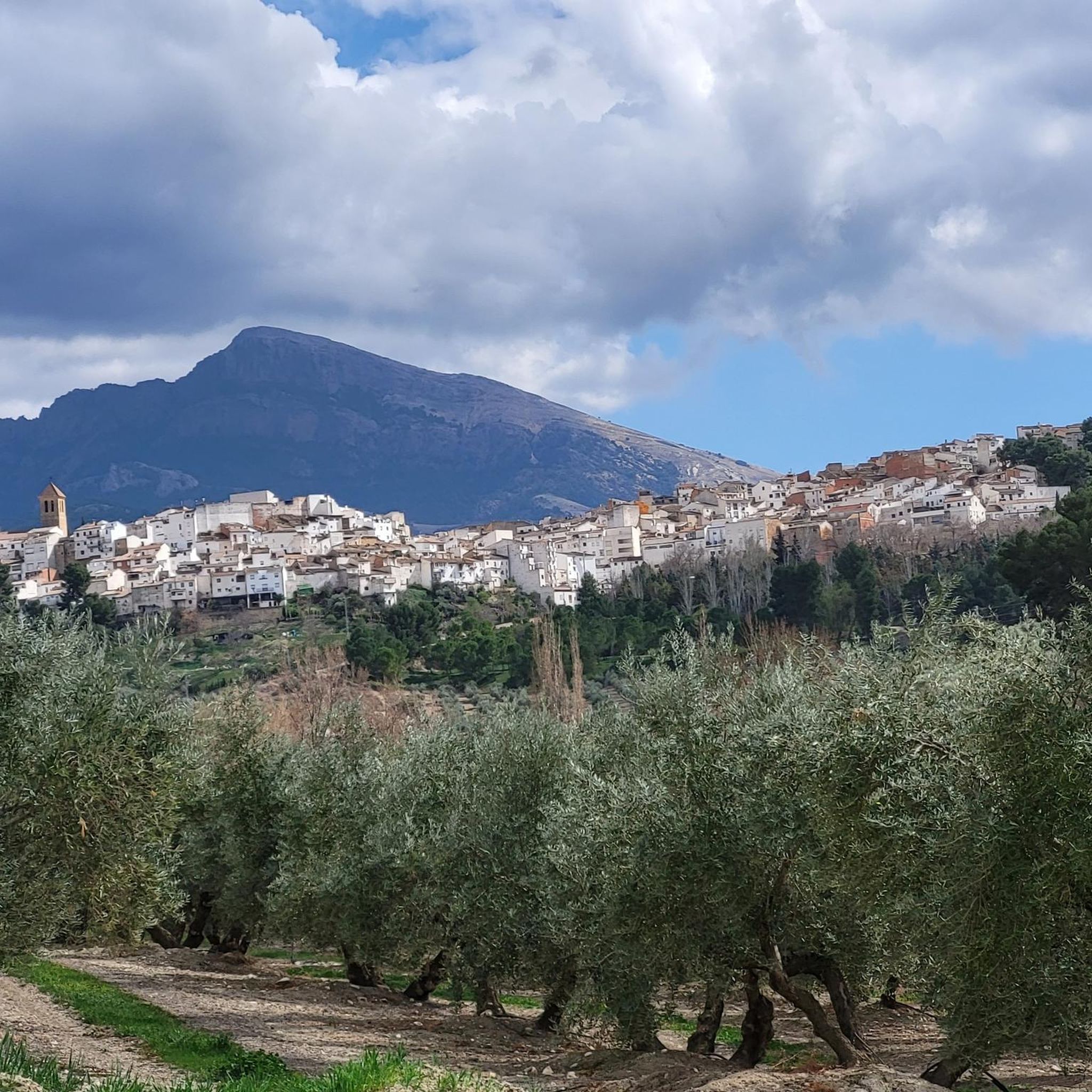
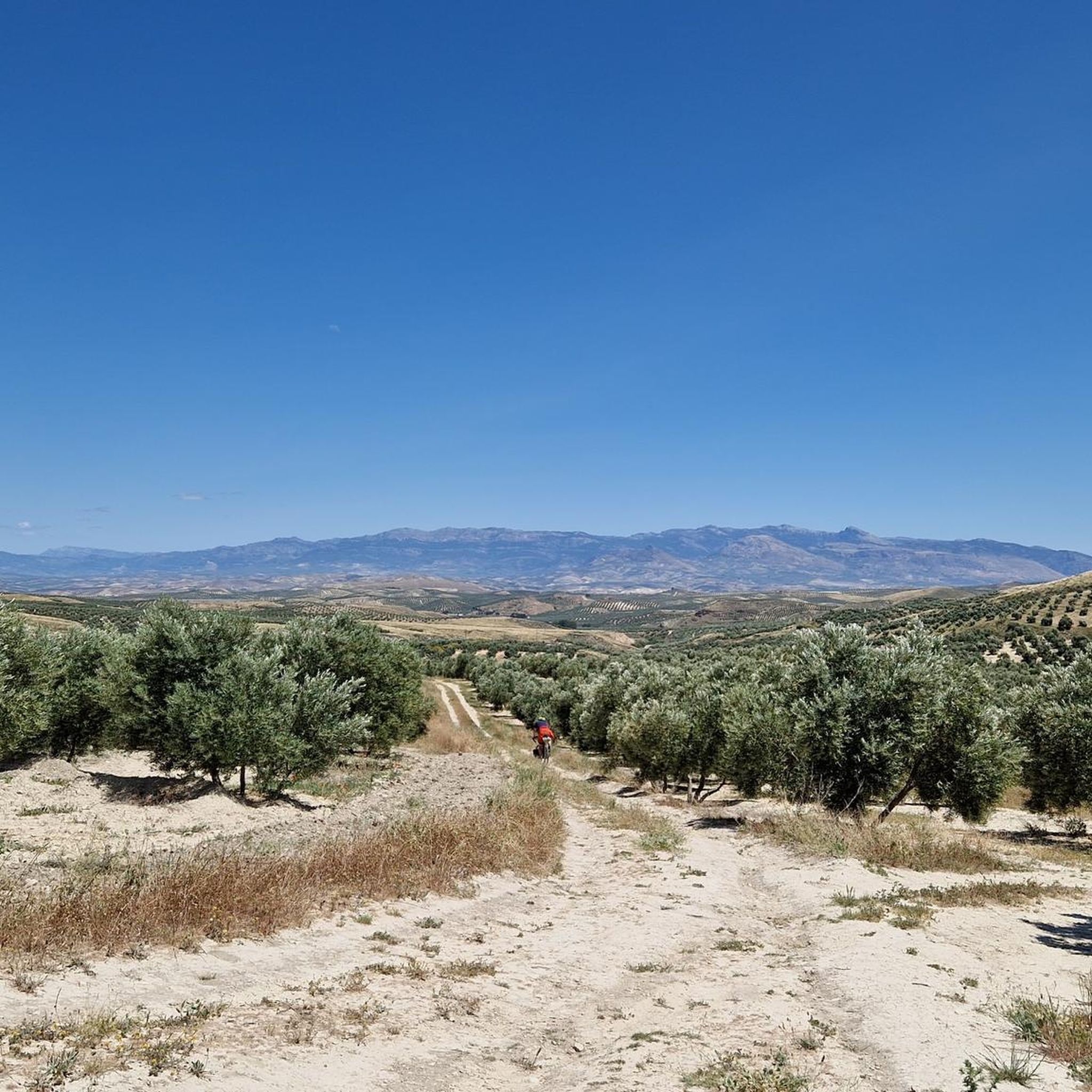
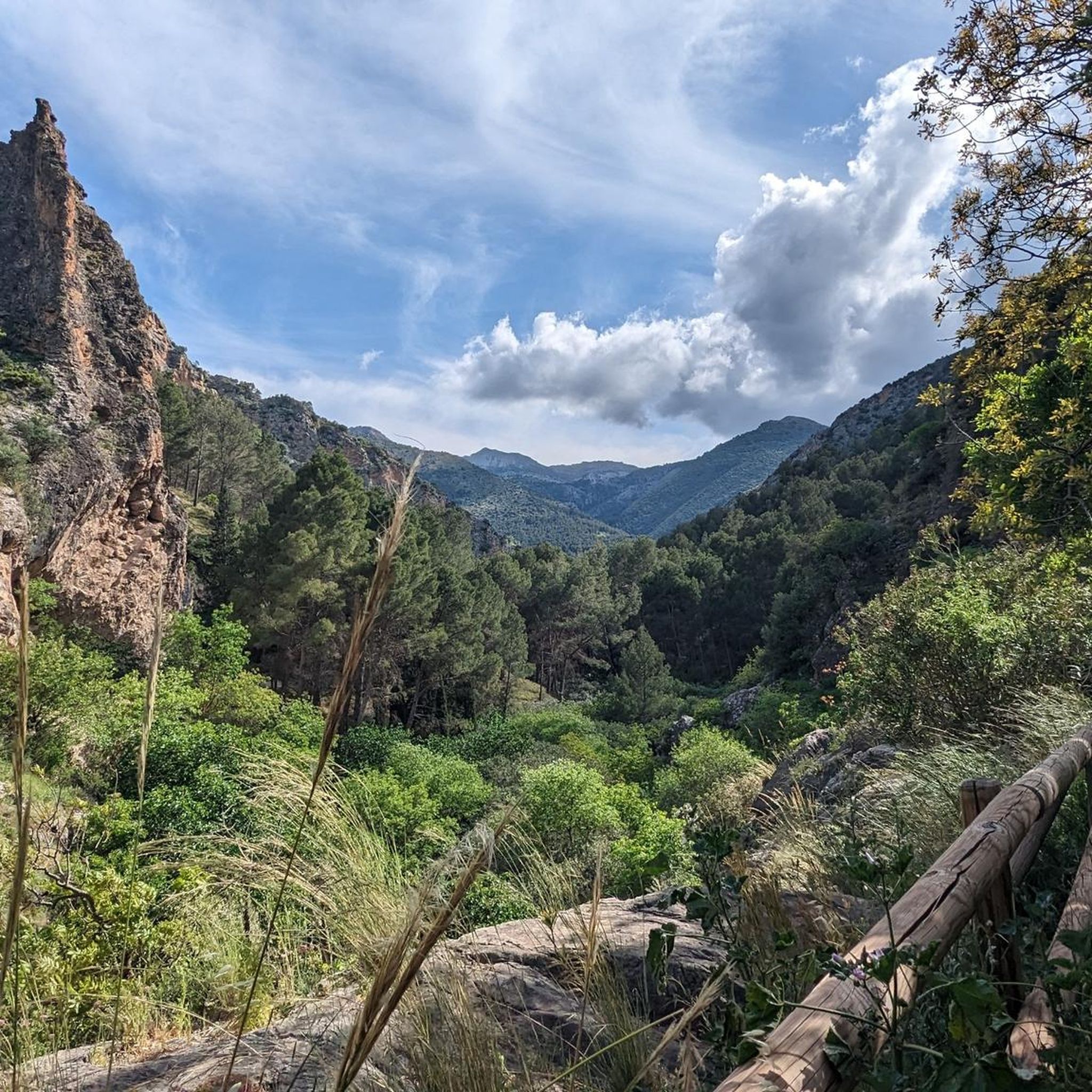
Road cycling routes around Jódar traverse a landscape characterized by rugged, steep limestone terrain within the Sierra Mágina Natural Park. The region features significant elevation changes, with routes winding through vast olive groves at lower altitudes and transitioning into mountain forests of Holm and Gall oaks, and pine trees at higher elevations. This area offers diverse natural features, including notable mountains and varied topography, providing a range of road cycling experiences.
Best road cycling routes around Jódar
- The most popular…
Last updated: July 7, 2026
3
riders
75.3km
03:37
1,020m
1,020m
This difficult 46.8-mile (75.3 km) road cycling route in Andalusia features 3349 feet (1021 metres) of climbing and passes castles.
20
riders
66.4km
03:27
1,070m
1,080m
Hard road ride. Very good fitness required. Some segments of this route may be unpaved and difficult to ride.

Sign up for free
12
riders
74.3km
03:48
1,120m
1,110m
Hard road ride. Very good fitness required. Mostly well-paved surfaces and easy to ride.
5.0
(2)
12
riders
88.2km
04:21
1,310m
1,310m
Hard road ride. Very good fitness required. Mostly well-paved surfaces and easy to ride.
8
riders
60.0km
03:00
1,000m
1,000m
Hard road ride. Very good fitness required. Mostly well-paved surfaces and easy to ride.
Get access to more routes and recommendations from other explorers.
Sign up for free
Already have an account?
Our route recommendations are based on thousands of hikes, rides, and runs completed by other people on komoot.
Start today with a free account
Your next adventure awaits.
Login or Signup

Tips from the Community

Declared a National Monument in 1931, the cathedral stands on the site of an ancient Roman temple, later transformed into a Visigothic structure and then into a mosque after the arrival of the Muslims. In 1227, it became the cathedral seat under the Marian patronage of the Nativity. It acquired its Renaissance character in the 16th century, after more than half of the building collapsed in 1567. Andrés de Vandelvira and other important Andalusian architects imbued the cathedral with the classical style then prevalent in religious art. Until the end of the century, the temple was transformed piecemeal. The main portal was designed in 1587 by Juan Bautista Villalpando, featuring a relief of the Nativity of the Virgin, sculpted by the Jesuit Jerónimo del Prado from Baeza. The Puerta de la Luna (Moon Gate) is one of the oldest elements of the cathedral, with its distinctive 13th-century polylobed arch. Above it stands the 14th-century Gothic rose window, one of the few elements that survived the collapse of the cathedral in 1567. Therefore, the reconstruction was entrusted to Andrés de Vandelvira, who contributed his mastery to give the cathedral the Renaissance richness it boasts today. The combination of Mudéjar, Gothic, and Renaissance styles allows one to observe the passage of time through its walls, telling its story through each of its architectural styles. In addition to visiting the interior of the cathedral, it is highly recommended to climb the tower, from where you will be rewarded with spectacular views of the town and its surrounding countryside.
1
0
Opposite the Jabalquinto Palace stands the Church of Santa Cruz, one of the few Romanesque churches in all of Andalusia. Built in the 13th century, after the conquest of the Upper Guadalquivir Valley by Ferdinand III, it preserves remnants of 15th and 16th-century frescoes.
1
0

The Pópulo square, also known as Plaza de los Leones (Lions' square), is one of the most emblematic and picturesque corners of Baeza. This square is part of the monumental Renaissance complex that led to the city being declared a UNESCO World Heritage Site in 2003.
6
0

The Castillo de Bedmar, also known as the Castillo Nuevo de Bedmar, is a historic fortress located in the municipality of Bedmar y Garcíez in the province of Jaén, Spain. The castle was originally built in the 15th century by the Order of Santiago and served as a defensive bastion against the invasions of the Nasrid Kingdom of Granada. The castle is located in a strategic location in the Sierra Mágina, which made it an important border fortress during the Middle Ages. It has a rich history of conflict between Christian and Muslim rulers, changing hands several times. Today the castle is in a state of disrepair, but it remains a fascinating example of medieval military architecture.
8
0
This beautiful village, surrounded by olive groves, is located at the foot of the Sierra Magina mountain range, with olive trees on one side and mountains on the other. The village, the most populated in the park, extends over a hill under the watchful eye of a beautiful castle, which is also part of the historical artistic site. It also has a beautiful parish church. The municipality is located in the Sierra Magina Natural Park, part of the Subbetic region, which offers beautiful and spectacular views. As for the vegetation, holm oaks and gall oaks are common, as well as pines and salgareños. The rich and varied flora and fauna are also important. Part of the Alto Guadalquivir nature reserve, an important wetland of great ecological importance, is also located in the district.
7
0
A town located in the southeast of the province, at the foot of the Sierra de Cazorla and facing the olive-growing countryside. Birthplace of the painter Rafael Zabaleta, to whom he has dedicated a museum with a large part of his work. It is a colorful collection of narrow streets with white houses in which the church of San Pedro and San Pablo, the church of the hospital, the Arco de la Manquita de Utrera and the Arco de Los Santos or del Señor stand out.
11
0
The Castillo de Jódar is an impressive medieval fortress in Jódar. The castle has its origins in the 8th century during the Emirate. It has gone through several phases, with important constructions during the Almoravid and Almohad periods, as well as Gothic modifications to the towers of homage. The castle is located on the slope of Cerro San Cristóbal and is surrounded by the town of Jódar. It has two main towers, the Torre Norte and the Torre Sur, with dimensions of 15.30 x 12.60 metres and 13.50 x 12.40 metres respectively. The castle also had a large water reservoir, an aljibe, for water supply. In 2012, restoration and rehabilitation work was carried out to restore the castle and use it as a museum. The Torre Norte now houses the Centro de Interpretación de la Historia de Jódar, opened in 2013, while the Torre Sur houses the Visitor Centre of the Parque Natural de Sierra Mágina.
7
0

It's fun to climb the tower: 196 steps to a beautiful view.
0
0
Frequently Asked Questions
How many road cycling routes are available around Jódar?
There are over 20 road cycling routes around Jódar, offering diverse experiences from moderate to difficult. The komoot community has explored these routes over 900 times, rating them highly for their scenic beauty and challenging terrain.
What kind of terrain can I expect on road cycling routes in Jódar?
Jódar's road cycling routes are characterized by rugged, steep limestone terrain within the Sierra Mágina Natural Park. You'll encounter significant elevation changes, with routes winding through vast olive groves at lower altitudes and transitioning into mountain forests of Holm and Gall oaks, and pine trees at higher elevations.
Are there road cycling routes suitable for beginners in Jódar?
While many routes in Jódar are moderate to difficult, there is at least one easy road cycling route available. These routes typically feature less demanding climbs and offer a gentler introduction to the region's beautiful landscapes.
What are some notable natural features I might see while cycling in Jódar?
As you cycle, you'll pass through extensive olive groves and ascend into mountain forests of Holm and Gall oaks, pine trees, and salgareños. The region is part of the Sierra Mágina Natural Park, offering breathtaking views of precipitous cliffs and high summits. You might also encounter natural wonders like the Oleander grove of Cuadros River or the amazing Zurreón waterfalls.
Are there any circular road cycling routes around Jódar?
Yes, many of the road cycling routes around Jódar are designed as loops. For example, the Jódar, Peal de Becerro, and Quesada Loop is a popular 75 km route connecting several towns, and the View of Castillo de Jódar – Castle of Jódar loop from Jódar offers a 74 km ride through the foothills of Sierra Mágina.
What historical landmarks can I explore along the road cycling routes?
You can incorporate historical sites into your rides. The View of Castillo de Jódar – Castle of Jódar loop from Jódar takes you past the ancient Castillo de Jódar, a well-preserved Moorish fortress offering panoramic views. Other routes might lead you near the magnificent Albanchez de Mágina Castle or the historic town of Bedmar.
What is the best time of year for road cycling in Jódar?
The region offers good cycling conditions for much of the year. While higher peaks like Pico Mágina can be snow-capped in winter, the lower-lying routes through olive groves are generally accessible. Spring and autumn provide pleasant temperatures, while summer can be warm, making early morning or late afternoon rides ideal.
Are there any long-distance road cycling routes for experienced riders?
Yes, Jódar is known for routes with significant elevation gains, catering to experienced cyclists. For instance, the Castle of Jódar – View of Castillo de Jódar loop from Jódar is a challenging 88 km route with over 1300 meters of ascent, ideal for those seeking a demanding ride.
What do other road cyclists enjoy most about cycling in Jódar?
The area is highly rated by the komoot community, with an average score of 5.0 stars from more than 7 reviews. Cyclists often praise the stunning and varied landscapes, from the 'sea of olive trees' to the rugged mountain terrain, and the challenging climbs that offer rewarding views.
Can I find routes that pass through towns or villages with amenities?
Many routes connect various towns and villages, providing opportunities for breaks and refreshments. For example, the Jódar, Peal de Becerro, and Quesada Loop passes through several settlements where you can find cafes or other services.
Are there any routes that offer views of the Sierra Mágina Natural Park's highest peaks?
Many routes provide dramatic backdrops of the Sierra Mágina mountains. While cycling, you'll have views of peaks like Carboneras, La Golondrina, and Jódar mountain. The highest peak in the province, Pico Mágina Summit (2,167 m), also forms a dramatic backdrop for many rides.
Are there any road cycling routes that feature natural monuments?
Yes, some routes will bring you close to significant natural monuments. The region is home to the 'Pinar de Cánavas,' known for its exceptionally large, centennial Aleppo pines. You might also find routes near the Source of the Cuadros River or the Cueva del Agua de Bedmar.
Most popular attractions around Jódar

Get inspired with the komoot mobile app


Explore more
Browse the best Road cycling routes in other regions.
