The best MTB trails around Lake Kośno
4.9
(16)
135
riders
23
rides
Mountain biking around Lake Kośno features a landscape characterized by dense woodlands, rolling hills, and the presence of the lake itself, offering varied terrain for cyclists. The region includes numerous forest paths and trails that wind through natural areas, providing a mix of surfaces from gravel to dirt. Elevation changes are generally moderate, with some routes presenting more significant climbs. The area's natural features make it suitable for different levels of mountain biking experience.
Best mountain bike trails around Lake…
Last updated: May 13, 2026
3
riders
29.7km
02:10
200m
200m
Moderate mountain bike ride. Good fitness required. Suitable for all skill levels.
6
riders
54.9km
03:23
350m
350m
Moderate mountain bike ride. Good fitness required. Suitable for all skill levels.

Sign up for free
5.0
(1)
4
riders
77.0km
05:58
550m
550m
Hard mountain bike ride. Very good fitness required. Advanced riding skills necessary.
5
riders
44.8km
03:18
300m
300m
Moderate mountain bike ride. Good fitness required. Suitable for all skill levels.
5.0
(1)
4
riders
26.9km
01:48
170m
170m
Easy mountain bike ride. Great for any fitness level. Suitable for all skill levels.
Get access to more routes and recommendations from other explorers.
Sign up for free
Already have an account?
Our route recommendations are based on thousands of hikes, rides, and runs completed by other people on komoot.
Start today with a free account
Your next adventure awaits.
Login or Signup
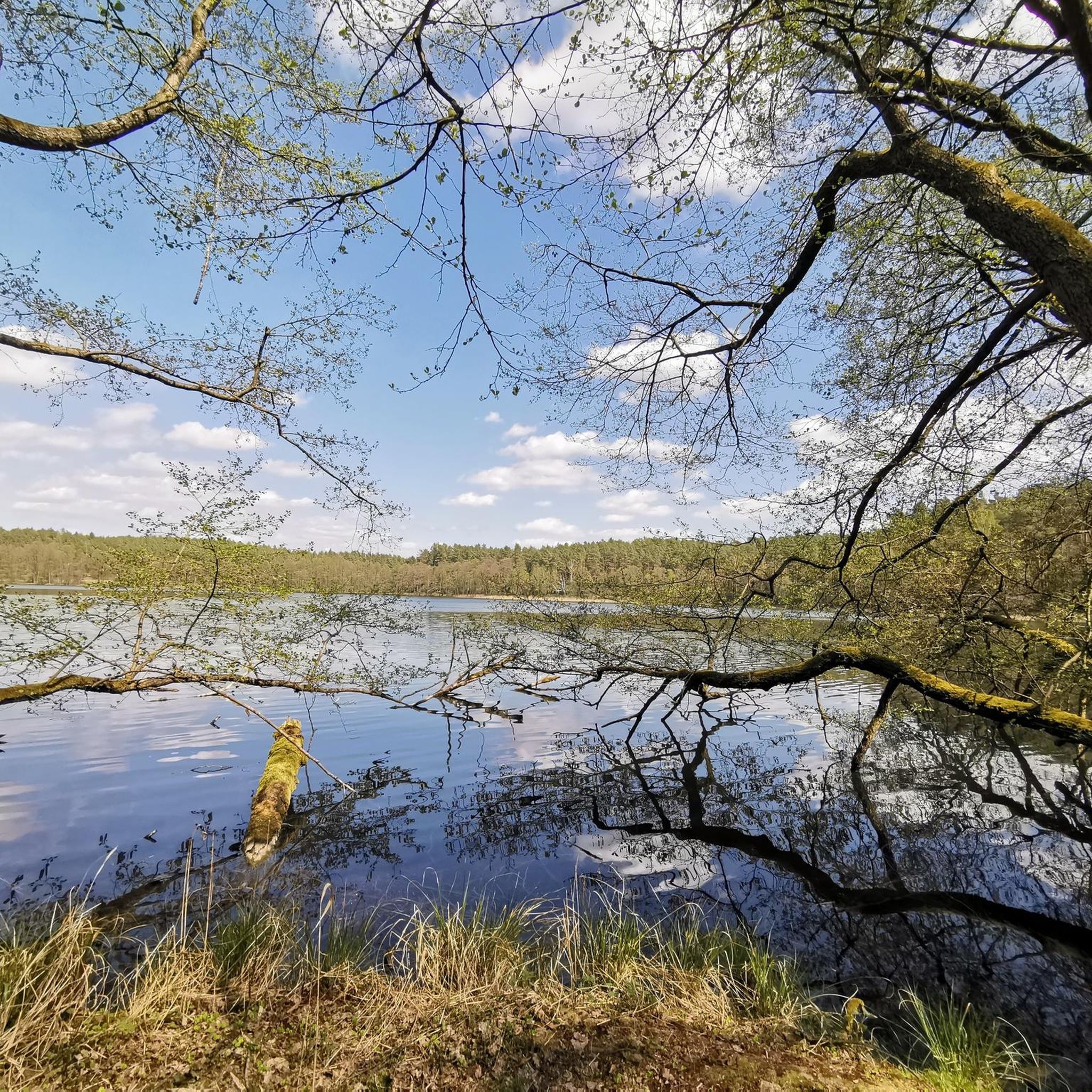
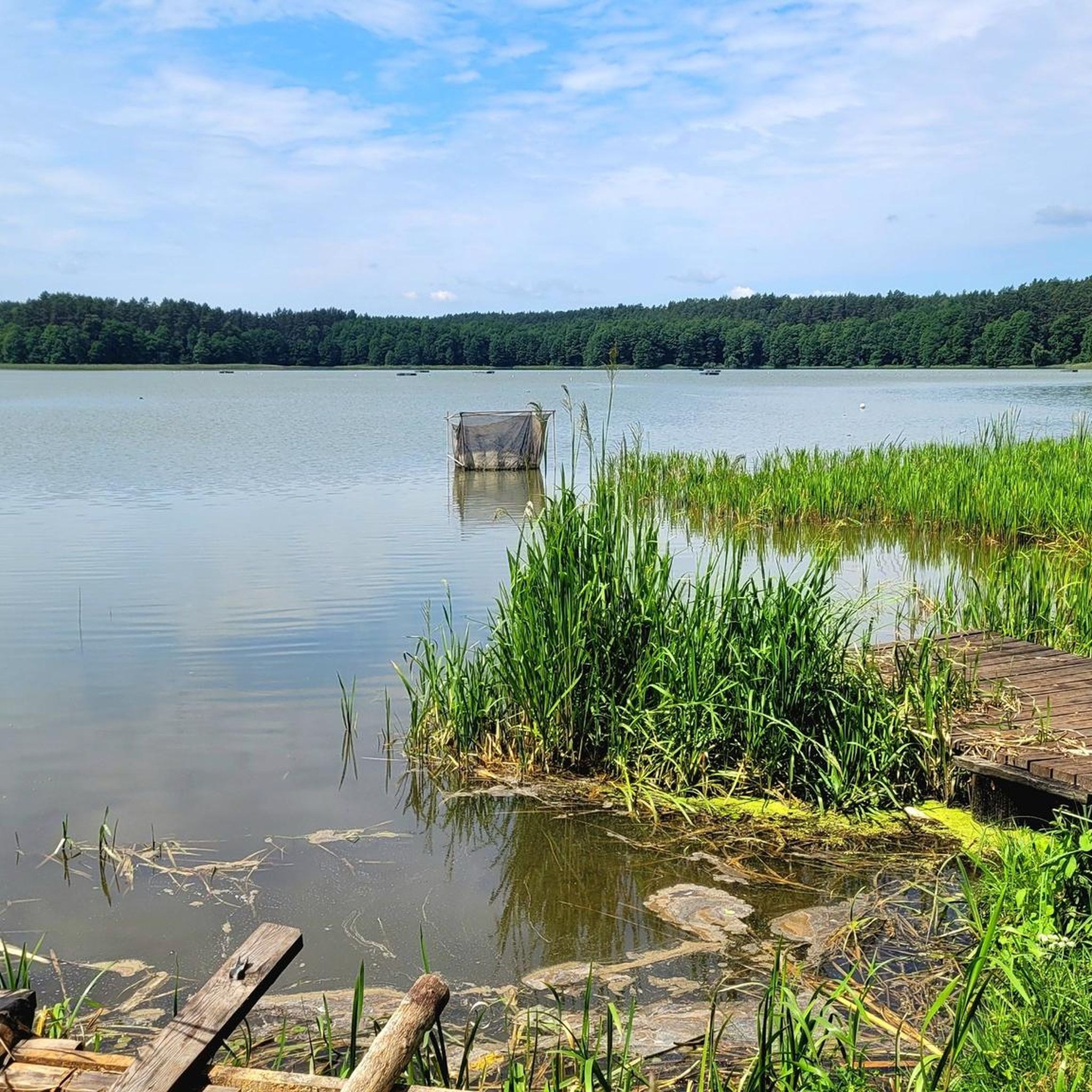
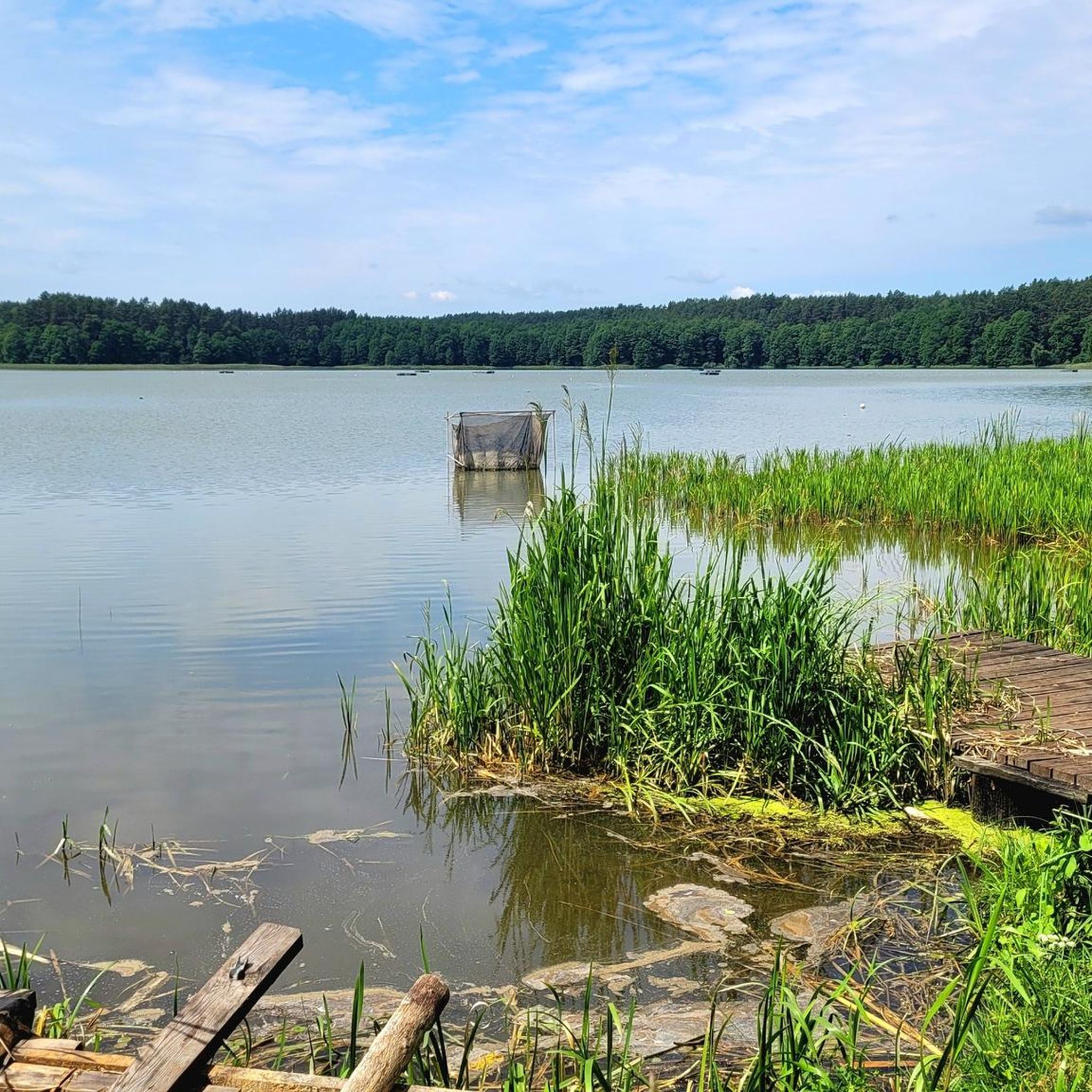
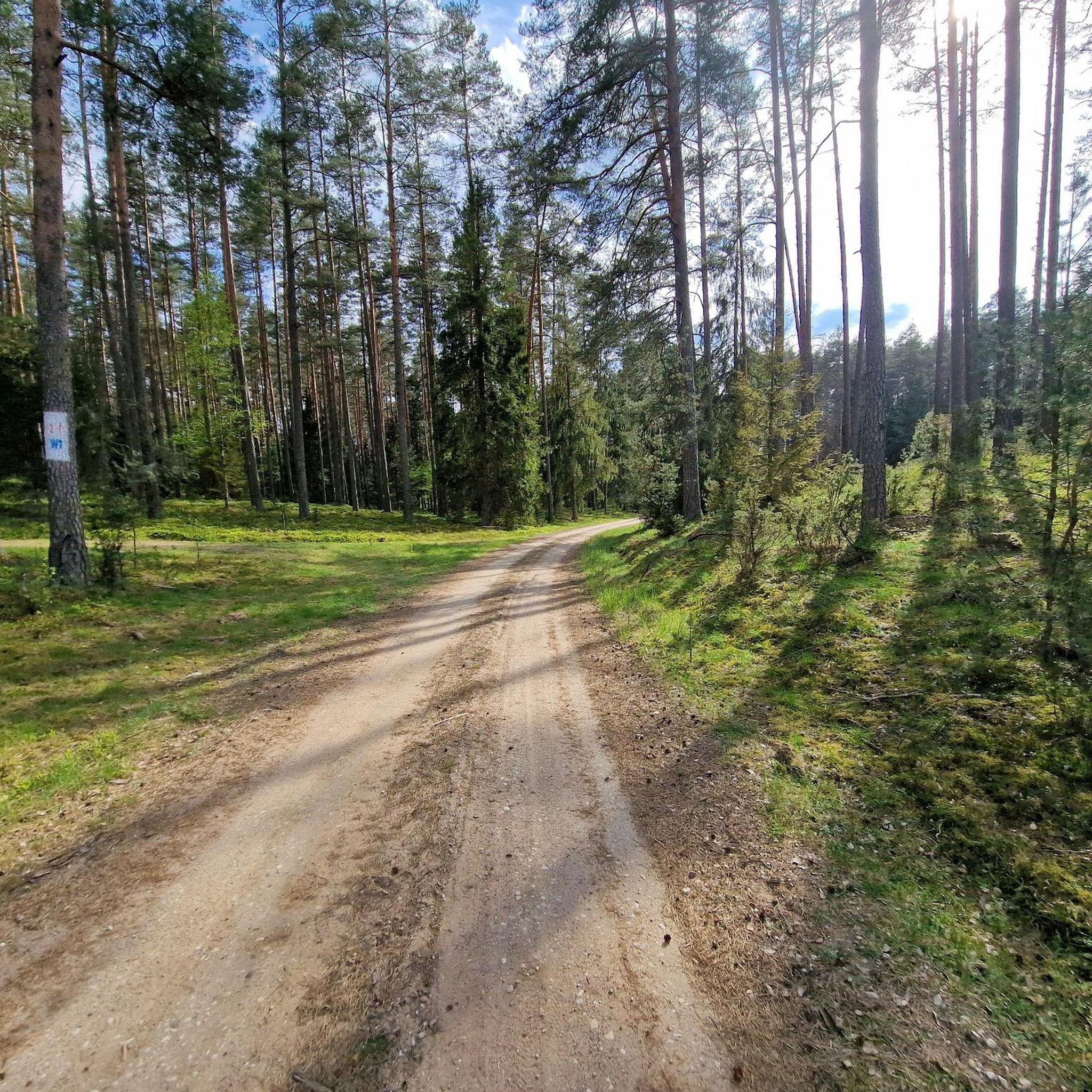
Tips from the Community

A very nice lake for camping and a bonfire. At the bottom, there's an observation tower. A perfect spot for birdwatching.
0
0

Probably the most prominent structure of the Brick Gothic style in northern Poland, rhe church was probably built between 1370 and 1380, after Allenstein was granted city rights in 1352. The impressive east gable was built shortly after 1429. During the Fourth Coalition War, the church was used as a prison for 1,500 Prussian and Russian soldiers in the winter of 1806/07, who used the furnishings as firewood. The current furnishings were then created, which fortunately survived the end of the war in 1945 thanks to the work of Pastor Johannes Hanowski. The baroque interior design that had been installed in the meantime was removed in 1866. In 1896, the main altar with its valuable Flemish paintings, which had been installed from the castle's St. Anne's Chapel, fell victim to a fire. In 1899, the roof was replaced. Around 1900, the composer Feliks Nowowiejski worked as an organist at St. James' Church. On June 28, 1972, the church became a co-cathedral of the archdiocese. In 1991, Pope John Paul II visited it, and in 2004, he elevated St. James' Church to a minor basilica. The three-aisled hall church was built without a choir. The tower was initially built free-standing only up to the church roof and was only raised to its current size between 1582 and 1596. With the construction of the side chapels, which were added between 1715 and 1721 together with a general restoration, the tower became part of the church. The current spire was added in 1867/68, with the golden star dating from the original building in 1596. At the same time, the façade was redesigned in a neo-Gothic style, with Ferdinand von Quast and August Stüler contributing. In 2001, the church received a representative main portal made of bronze.
5
0
In 1334, a watchtower was established on the Łyna River. In 1346, the forest was cleared at the location for a new settlement, mentioned in a historical document from 1348. The following year, the Teutonic Knights began the construction of an Ordensburg (castle) as a stronghold against the Baltic Prussians. Allenstein was granted municipal rights by the cathedral chapter of the Bishopric of Warmia in October 1353. The German "Allenstein" referred to the river's Baltic Prussian name Alna, which meant a hind. Local Poles, having arrived along with German settlers, called it Holstin and Olsztyn, which are Polonizations of the German name. The castle was completed in 1397. The town was captured by the Kingdom of Poland during the Polish-Lithuanian-Teutonic War in 1410, and again in 1414 during the Hunger War, but it was returned to the monastic state of the Teutonic Knights after hostilities ended.
5
0

The market square in Pasym with the Town Hall - a quiet and peaceful place, away from car traffic.
0
0

A chapel on the "Jealousy" nature trail
0
0

A square with benches. You can eat something here.
0
0

Gothic Evangelical-Augsburg church in Pasym. The construction was completed in 1391. Since the Reformation, it has been a Lutheran church. The characteristic shingled cupola-shaped tower was built during the reconstruction of the church after a fire at the end of the 18th century. The main altar is in the late Mannerist style, the Baroque pulpit from 1680, Gothic benches from the 15th century and Mannerist benches from the 17th century, organ from the 18th century.
0
0
Church in Pasym Sacred Heart of Jesus, built in 1884.
0
0
Frequently Asked Questions
What is the overall difficulty level of mountain bike trails around Lake Kośno?
The mountain bike trails around Lake Kośno offer a range of difficulties suitable for various skill levels. You'll find a good mix, with 5 easy routes for beginners, 14 moderate routes for intermediate riders, and 1 more challenging route for experienced mountain bikers. The terrain generally features dense woodlands and rolling hills, with moderate elevation changes.
Are there any family-friendly mountain bike trails near Lake Kośno?
Yes, Lake Kośno offers several family-friendly mountain bike trails. For an easier ride suitable for families, consider the Pasym Town Hall loop from Purda. This route is classified as easy and provides a pleasant experience through the local landscape.
What is the best time of year to go mountain biking around Lake Kośno?
The best time for mountain biking around Lake Kośno is typically from spring through autumn. During these seasons, the weather is generally mild, and the forest paths are in good condition. While winter riding is possible, be prepared for potentially snowy or icy conditions on the trails.
Are there any good loop trails for mountain biking in the Lake Kośno area?
Yes, many of the mountain bike routes around Lake Kośno are designed as loops, offering convenient starting and ending points. A popular moderate loop is the Stone Waymarker loop from Bałdzki Piec, which takes you through varied forest landscapes.
Where can I find parking for mountain biking near Lake Kośno?
Parking availability varies depending on the specific trailhead you choose. Many routes, especially those starting from villages like Marcinkowo or Bałdzki Piec, will have designated or informal parking areas nearby. It's advisable to check the route details on komoot for specific parking recommendations for your chosen trail.
What do other mountain bikers enjoy most about the trails around Lake Kośno?
The mountain bike trails around Lake Kośno are highly rated by the komoot community, with an average score of 5.0 stars from over 10 reviews. Riders often praise the diverse forest sections, the scenic views of the lake, and the varied terrain that caters to different skill levels.
Are there any longer, more challenging mountain bike routes for advanced riders?
Yes, for advanced riders seeking a longer and more challenging experience, the Lake Kośno area offers routes like the Lake Kielarskie at Zazdrość – Olsztyn City Hall loop from Marcinkowo. This difficult 47.9-mile trail leads through diverse forest and open areas, providing a substantial ride.
Are there any mountain bike trails that explore the area around Lake Kielarskie?
Absolutely. The region features routes that specifically explore the beautiful surroundings of Lake Kielarskie. A great option is the moderate Sources of Lake Kielarskie – Lake Kielarskie at Zazdrość loop from Marcinkowo, which offers extensive views and varied forest sections around the lake.
What kind of terrain can I expect on the mountain bike trails in Lake Kośno?
The terrain around Lake Kośno is characterized by dense woodlands, rolling hills, and the presence of the lake itself. You can expect a mix of surfaces, ranging from gravel paths to dirt trails, with moderate elevation changes. This variety makes for an engaging riding experience.
Are there any hidden gem mountain bike trails near Lake Kośno that are less frequented?
While specific 'hidden gems' are often discovered by local exploration, routes that venture slightly further from the main lake areas might offer a quieter experience. Consider exploring routes like the Brick Roadside Shrine – Historic Wooden House loop from Marcinkowo, which takes you through less-trafficked forest paths and past local points of interest.
Most popular routes around Lake Kośno

Get inspired with the komoot mobile app


Explore more
Browse the best MTB trails in other regions.
