Attractions and Places To See around Tulebras - Top 20
Best attractions and places to see around Tulebras include historical sites and tranquil natural landscapes. This agricultural town in Navarra, Spain, is situated by the Queiles River and is notable for the Monastery of Santa María de la Caridad, a Cistercian foundation established in 1147. The area offers a mix of cultural heritage and opportunities for outdoor activities along its riverine environment.
Best attractions and places to see around Tulebras
- The most popular attractions is Tarazonica Greenway, a cycle…
Last updated: July 1, 2026
Tarazona
Highlight • Settlement
Translated by Google •
Tip by

Bocal Dam
Highlight • Monument
Translated by Google •
Tip by

Sign up now to discover places like this
Get recommendations on the best single tracks, peaks, & plenty of other exciting outdoor places.
Sign up for free
Cathedral of Saint Mary of the Huerta of Tarazona
Highlight • Religious Site
Translated by Google •
Tip by

Tarazonica Greenway
Highlight • Cycleway
Translated by Google •
Tip by

Bridge and rest area
Highlight • Bridge
Translated by Google •
Tip by
Sign up for free to discover even more attractions around Tulebras.
Sign up for free
Already have an account?
Start today with a free account
Your next adventure awaits.
Login or Signup


Tips from the Community

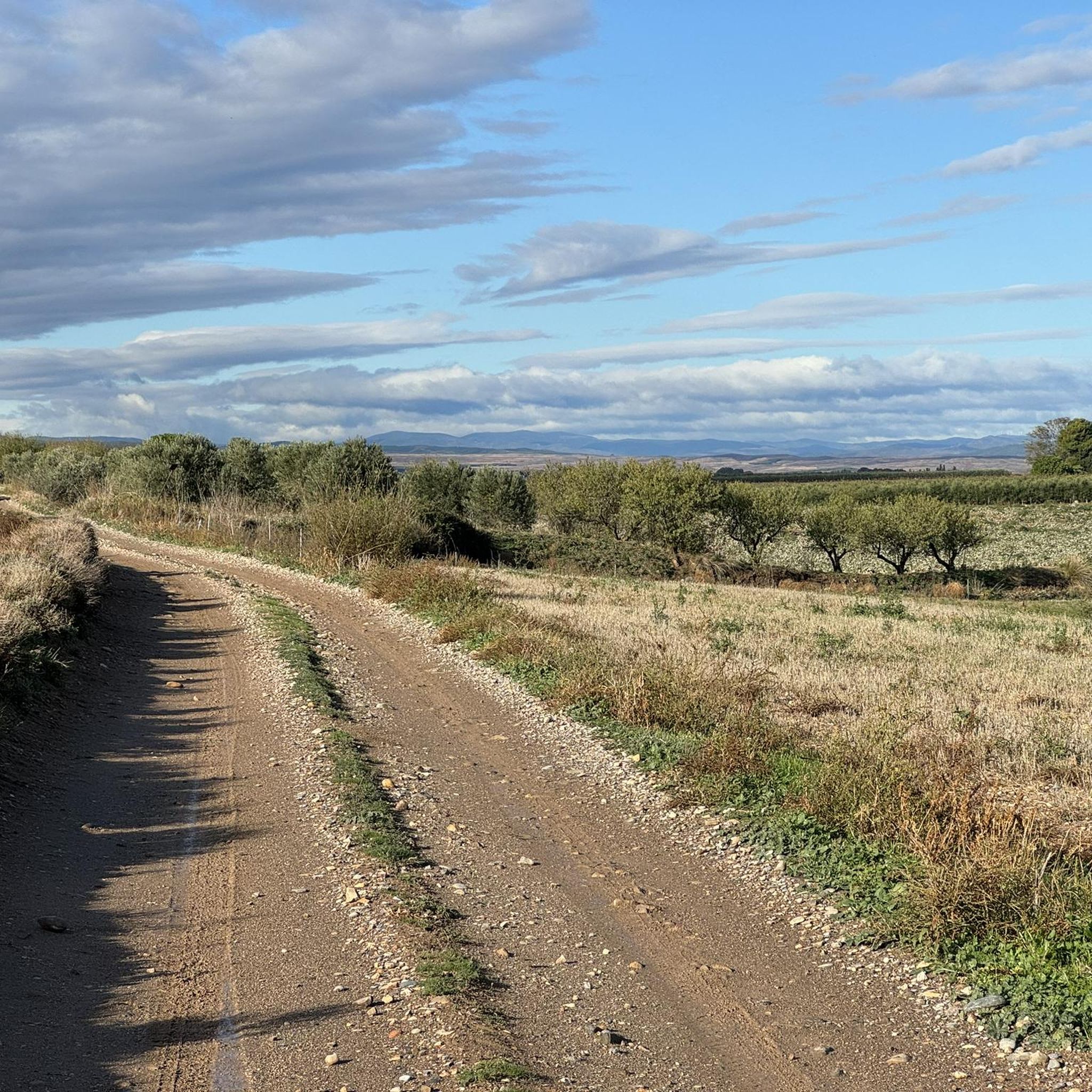
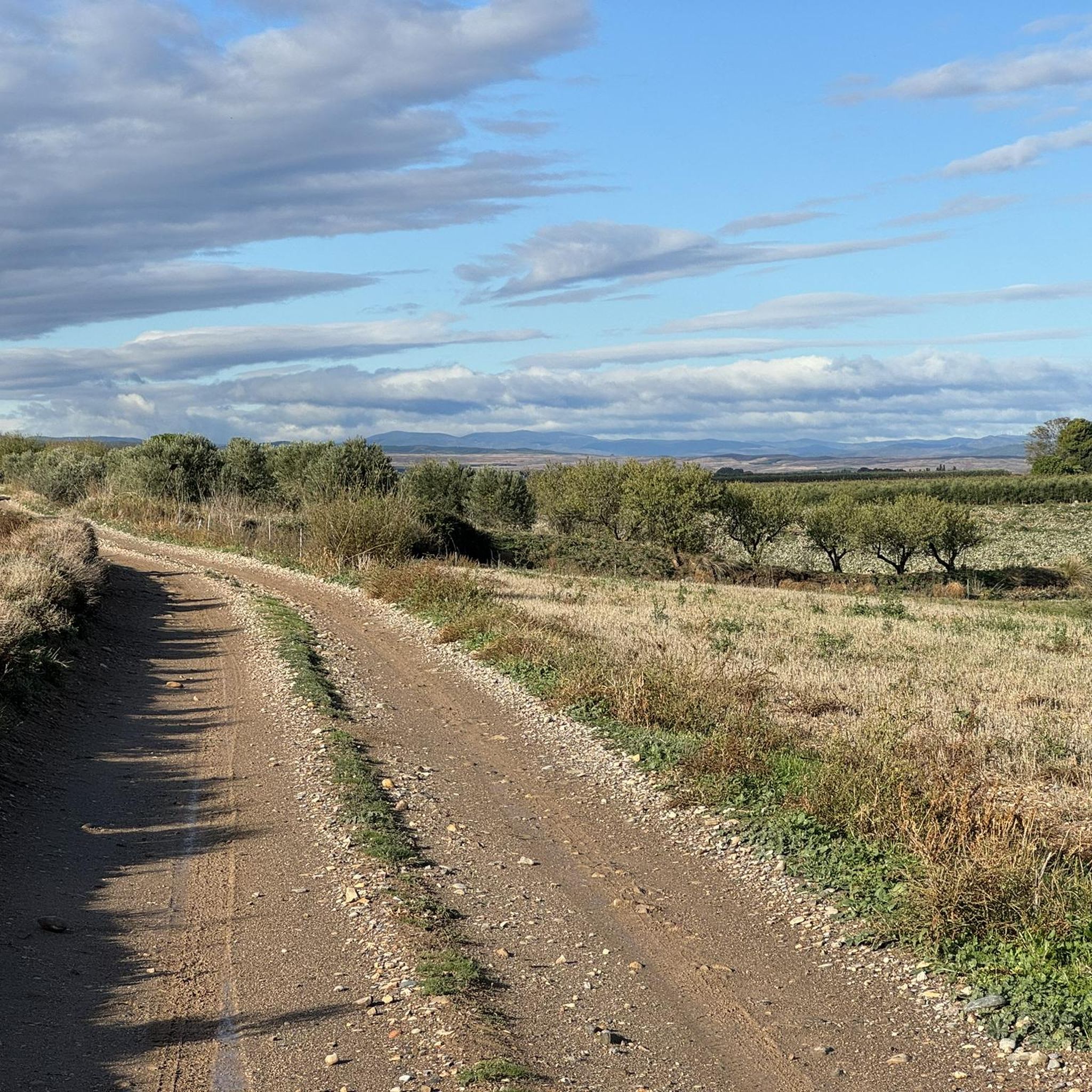
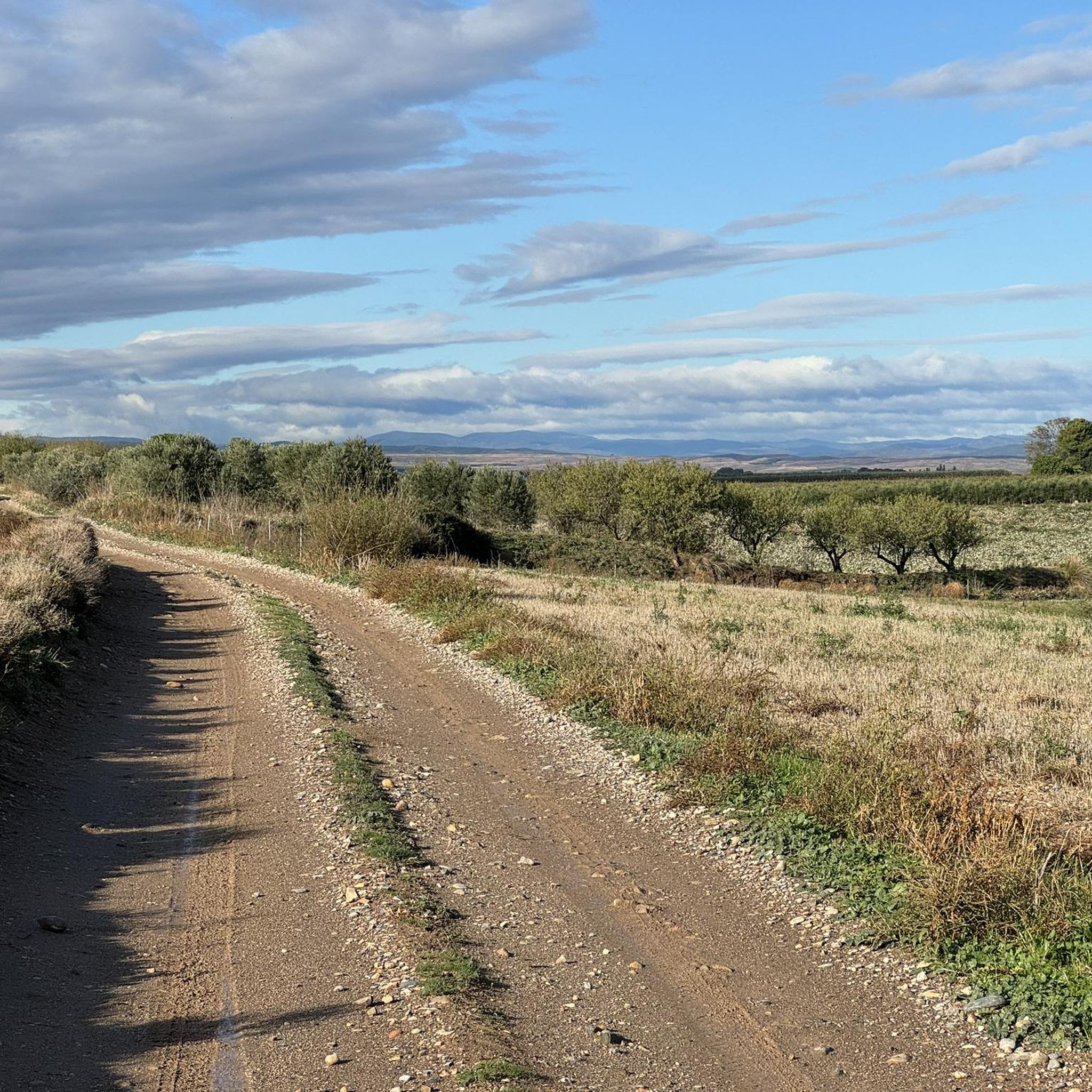
Stork's nest on the disused railway line
0
0

The Bocal Dam, also known as El Bocal de Fontellas, is a historic and picturesque site located near Tudela, in the municipality of Fontellas. This dam marks the beginning of the Imperial Canal of Aragon, an important hydraulic engineering work of the 16th century.
2
0
Visiting it is doing a deep review of the history of art in Spain, since in its construction there are spaces where all the styles that have existed since the 12th century, the time when construction began, come together. It is a unique example of a Gothic cathedral with an exceptional Mudejar and Renaissance legacy. The Tarazona Cathedral was built in the French Gothic style, but it maintains magnificent examples of the Mudejar style, including a Gothic-Mudejar cloister.
2
0
Tarazona boasts of offering a wide list of monuments of incalculable artistic value. The cathedral is a unique example of a Gothic temple in which an exceptional Mudejar and Renaissance legacy coexists.
2
0

Not far from the 2315 meter high Moncayo is the small town of Tarazona. There is a lot to discover here. In addition to the three-story town hall, which is housed in an imposing Renaissance building with balconies and a loggia on the upper floor, the cathedral, which was built in the 12th century in the French Gothic style, is also worth a visit.
1
0

An emblematic place that offers an impressive landscape. It is a place that attracts visitors interested in nature and photography. The El Bocal Dam is located near the El Bocal aqueduct and plays a fundamental role in regulating water and supplying the area.
2
0

The Bocal dam is an 18th century construction that was created to damm the waters of the Ebro and divert part of the flow through the imperial channel of Aragon. This canal provides irrigation water to dry areas in the province of Zaragoza.
1
0

After a long and painstaking restoration, we are lucky to be able to admire the Cathedral of Santa María de la Huerta in Tarazona, where different styles are combined (Romanesque, Gothic, Mudejar and Renaissance). If we want to visit it from the inside (totally recommended) we must pay an entrance fee. Let's not forget to walk the picturesque streets of the town of Zaragoza.
1
0
Frequently Asked Questions
What historical and cultural sites can I visit in Tulebras?
Tulebras is primarily known for the Monastery of Santa María de la Caridad, a Cistercian convent founded in 1147. This significant landmark has maintained an uninterrupted monastic life and features Romanesque-Cistercian architecture, a renovated cloister, and an Abbatial Palace. You can also explore its Monastery Museum, which houses a valuable collection of sacred art, and the remains of an ancient Roman tower adjacent to the monastery. For more information on guided tours, you can visit Visit Navarra.
Are there any greenways or cycling routes near Tulebras?
Yes, the Tarazonica Greenway is a popular cycle way that offers pleasant routes for walking and cycling through fields and riverine environments. It's especially enjoyable in spring and early summer when the plants are vibrant and you can hear the sounds of storks. You can find various cycling routes around Tulebras, including those on the Tarazonica Greenway, in the Cycling around Tulebras guide.
What natural features can I explore in Tulebras?
Tulebras is situated on the banks of the Queiles River, offering tranquil riverside woodlands and opportunities for pleasant walks. The town is surrounded by agricultural landscapes, including orchards and olive groves, providing a peaceful natural setting in the Ribera de Navarra.
What is there to see in the nearby town of Tarazona?
Just a short distance from Tulebras, Tarazona is a town rich in history and architecture. It boasts a three-story town hall housed in an imposing Renaissance building and a 12th-century cathedral. The Cathedral of Saint Mary of the Huerta of Tarazona is a unique example of Gothic architecture with Mudejar and Renaissance elements, reflecting centuries of art history in Spain.
Are there any significant man-made monuments or engineering marvels in the area?
Yes, the Bocal Dam, also known as El Bocal de Fontellas, is an emblematic 18th-century construction. It marks the beginning of the Imperial Canal of Aragon and plays a fundamental role in regulating water and supplying the area, offering an impressive landscape for visitors.
What outdoor activities are available near Tulebras?
Beyond cycling on the Tarazonica Greenway, you can enjoy hiking and gravel biking. There are various hiking routes, such as the 'Balsa de Pulguer Loop' and trails around Tarazona, detailed in the Hiking around Tulebras guide. For gravel biking, routes like the 'Castildetierra Hill – Bardenas Reales Natural Park loop' are available, which you can explore in the Gravel biking around Tulebras guide.
What is the best time of year to visit Tulebras?
The Tarazonica Greenway is particularly pleasant in spring and early summer, when the plants are in full bloom and the scenery is vibrant. Generally, these seasons offer mild weather suitable for exploring historical sites and enjoying outdoor activities along the Queiles River and surrounding agricultural areas.
Are there family-friendly attractions or activities in Tulebras?
Many of the attractions around Tulebras are suitable for families. The Tarazonica Greenway offers easy routes for walking and cycling that are great for all ages. Historical sites like Tarazona and the Bocal Dam also provide interesting educational experiences for families.
Where can I find a rest area or facilities while exploring the region?
Near Tulebras, you can find a convenient Bridge and rest area. This spot allows you to cross the Carretera de Ablitas safely and offers a small area for a quick break, with a memorial commemorating the railway past of the route.
What is the significance of the Monastery of Santa María de la Caridad?
The Monastery of Santa María de la Caridad holds the distinction of being the first female Cistercian foundation in Spain, established in 1147. It has maintained an uninterrupted monastic life since its inception, making it a site of profound historical and spiritual importance. The Cistercian nuns offer guided tours and sell homemade pastries and artisanal honey, providing a unique cultural experience.
What kind of art and artifacts can be seen at the Monastery Museum?
The Monastery Museum, located next to the church, houses a valuable collection of sacred art dating from the 16th to 18th centuries. Notable pieces include the altarpiece of the Dormition, a panel depicting the Trinity by Jerónimo Cósida, and various gold and silverwork, choir books, and furniture. Some of these items were crafted by the nuns themselves centuries ago, offering a glimpse into their artistic heritage.
Are there options for accommodation or dining in Tulebras?
While Tulebras itself is a tranquil, agricultural town, the Cistercian nuns at the Monastery of Santa María de la Caridad offer hospitality for those seeking simplicity, silence, and prayer. For a wider range of cafes, restaurants, and accommodation, you might consider the nearby historic city of Tudela, which offers more extensive options.
Most popular routes around Tulebras

Get inspired with the komoot mobile app


Explore more
Still not found the Highlight you’re looking for? See guides of the top attractions in other regions:
