The best cycling routes around Albero Bajo
4.5
(27)
915
riders
4
rides
Touring cycling routes around Albero Bajo are set within the unique Monegros region of Huesca, Aragón, characterized by its distinctive steppe landscape. The area features undulating hillsides and fields, providing varied terrain for cyclists. Albero Bajo itself is built on a hill overlooking the Flumen river, contributing to the local natural scenery. This environment offers a distinct cycling experience, with routes traversing rural settings and showcasing the region's natural features.
Best touring cycling routes around Albero Bajo
- The most popular…
Last updated: October 29, 2026
37.7km
02:19
240m
240m
Moderate bike ride. Good fitness required. Mostly paved surfaces.
5.0
(4)
56
riders
47.8km
03:16
600m
600m
Hard bike ride. Very good fitness required. Mostly paved surfaces.

3.0
(1)
53
riders
68.0km
05:59
780m
780m
Hard bike ride. Very good fitness required. You may need to push your bike for some segments of this route.
45
riders
41.2km
02:44
620m
620m
Hard bike ride. Very good fitness required. Mostly paved surfaces.
5.0
(1)
47
riders
59.8km
04:12
1,020m
1,020m
Hard bike ride. Very good fitness required. Mostly paved surfaces.
Our route recommendations are based on thousands of hikes, rides, and runs completed by other people on komoot.
Start today with a free account
Your next adventure awaits.

Tips from the Community

The fragment isn't exactly eye-catching. Nor is there any indication that it's a genuine Roman artifact. It's shady and perhaps worth a break.
0
0

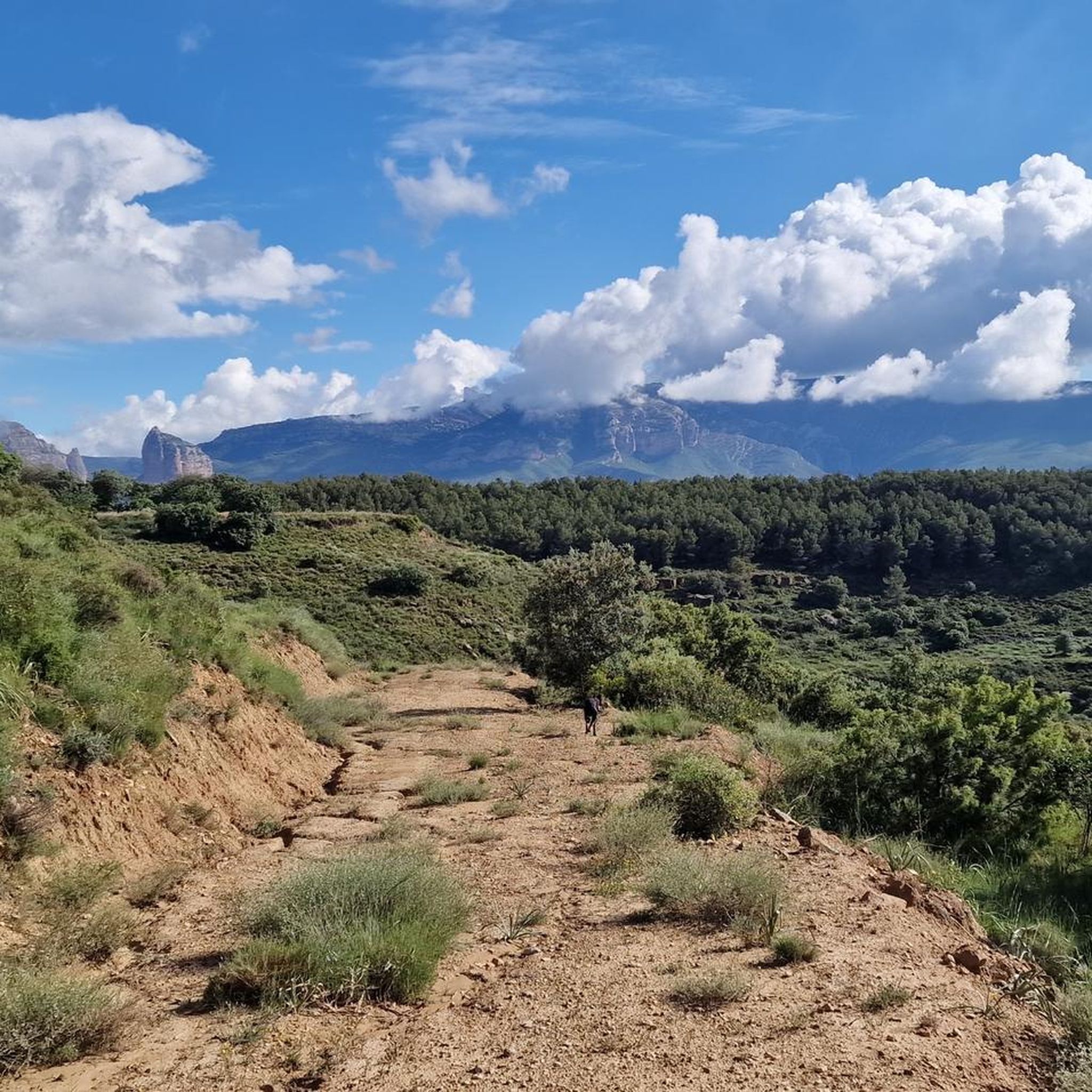
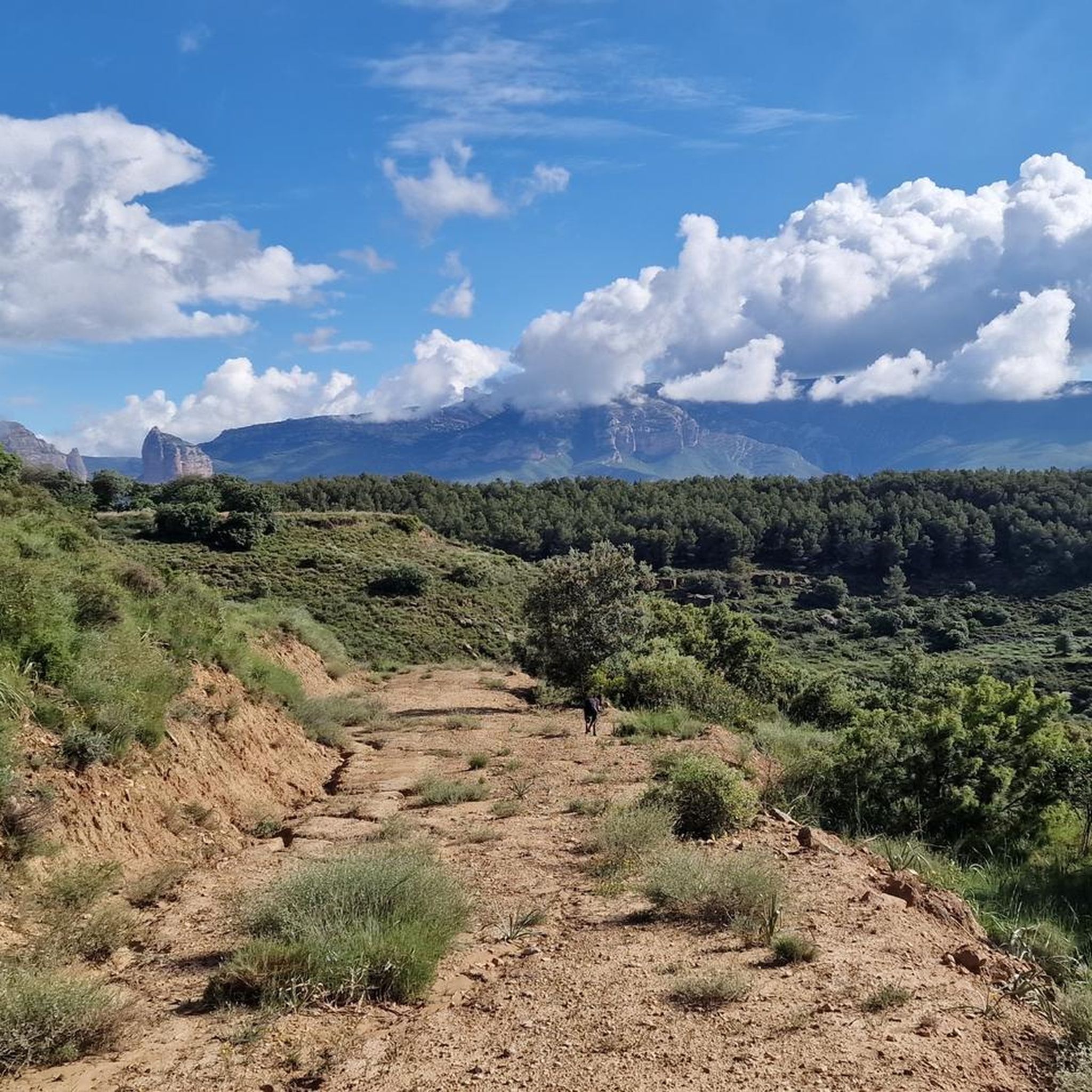
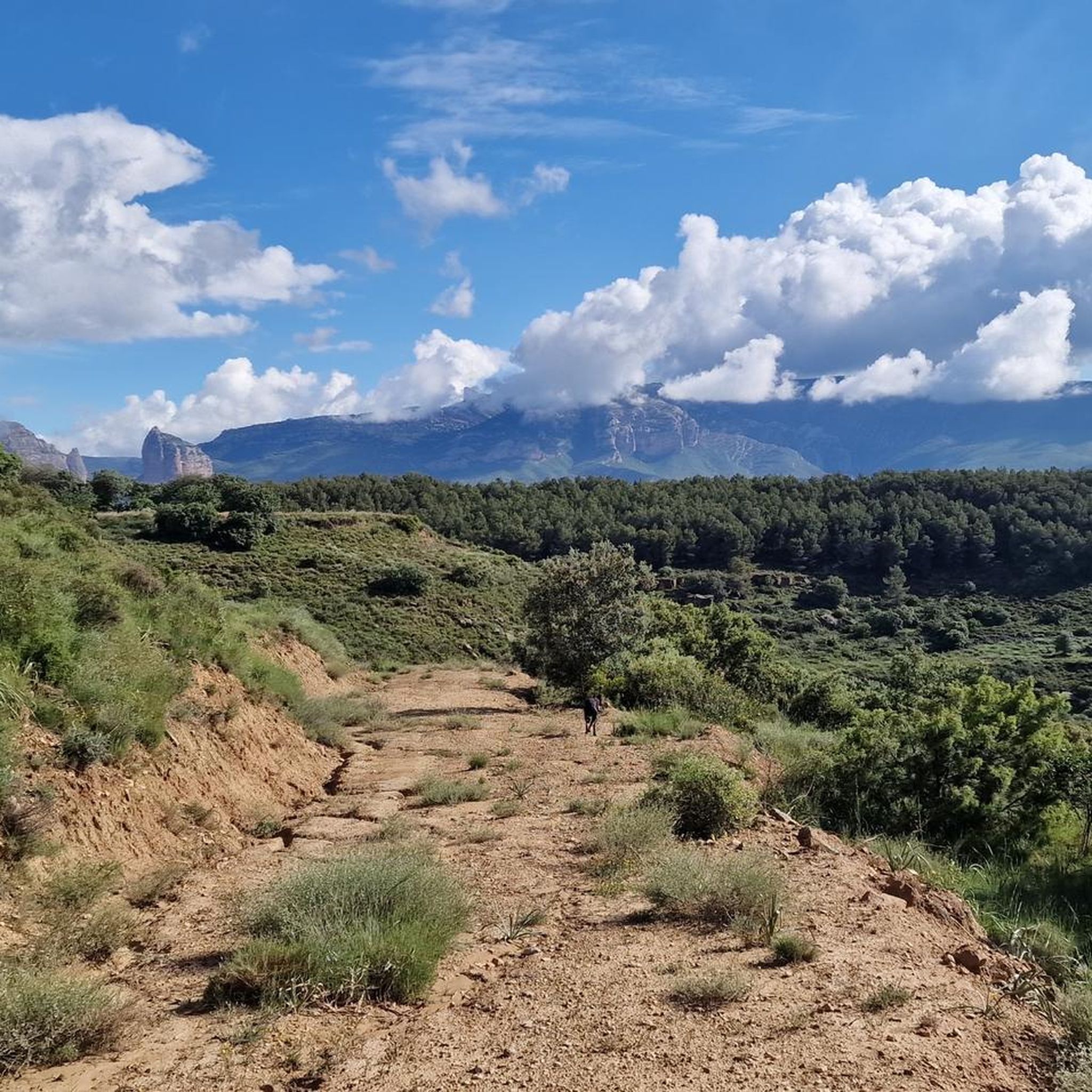
Beautiful descend with great views. A bit rocky in parts but perfectly doable on a gravel bike!
0
0
Really beautiful castle in the middle of a semi arid landscape with perfect gravel roads. Surprisingly empty!
1
0

This town in the region of Hoya de Huesca in the community of Aragón appears mentioned for the first time in 1104, in a concord between the bishop of Huesca and the abbot of Montearagón. Its origin is Roman, a link that still survives in the tradition of the "vote", which unites Alerre with six other towns that surround Huesca and form the "Seven Places". This historical community was united by the promise of a vote destined to ask for the holy protection of a saint, Lorenzo, son of two Roman subjects who lived in a Roman settlement near present-day Huesca, and who was martyred in Rome. Alerre has an interesting costume and footwear museum, located in the keep, next to the town hall, and which collects more than 3,000 pieces from all over the world, donated by the Scottish diplomat of Spanish origin Tomás Moyano.
1
0
Founded and built by Sancho Ramírez of Aragón in Romanesque style in the 11th and 12th centuries, Montearagón Castle was a fortified complex that included military housing, a church and a royal monastery. It is located on a strategic promontory in the Huesca town of Quicena, in the Hoya de Huesca region, Aragon. Although its military function ended with the taking of Huesca and the end of the Spanish-Arab wars, it continued to house the canonical abbey under the name of the Abbey of Jesús de Nazaret de Montearagón. Several Aragonese kings were buried in the castle in addition to its founder, Sancho Ramírez of Aragón.
2
0

Apiés is a small agricultural center just 10 kilometers from the city of Huesca. It is located between cereal fields and the Romanesque church of San Félix, from the 12th century, stands out. The town is very close to the Roldán waterfall and from its surroundings you can get a good view of these huge mallos.
0
0
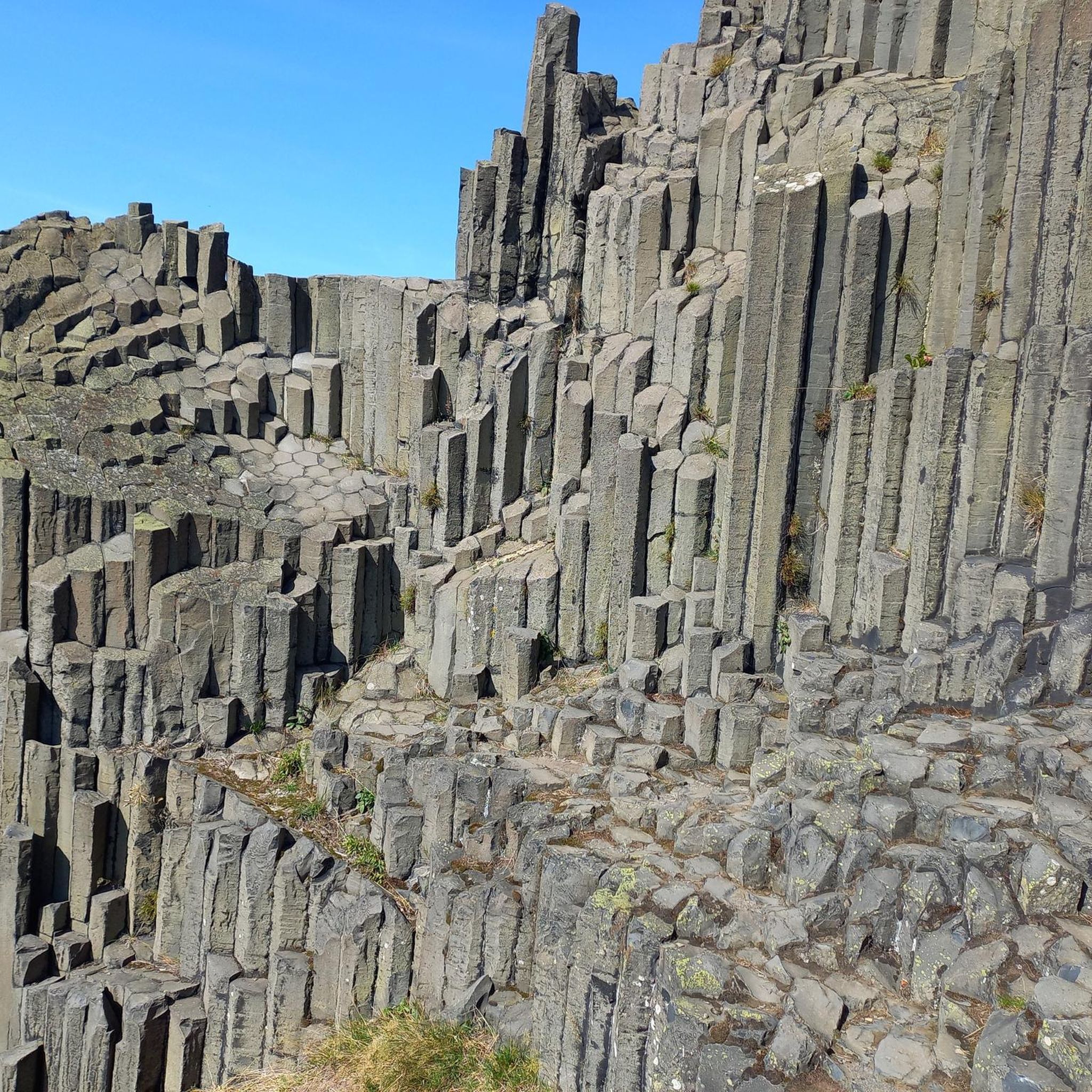
Near Santa Eulalia la Mayor, the path runs along a ledge that reveals impressive views of the Guatizalema river ravine and its spectacular twisted limestone cliffs.
0
0

The collegiate church of Santa María la Mayor is an impressive Gothic-style church located in Bolea. In the past, an Arab fortress stood on this hill, as well as a Romanesque hermitage on whose foundations the collegiate church was built. The church dates from the 16th century and has impressive altarpieces inside.
0
0
Frequently Asked Questions
Are there touring cycling routes suitable for beginners or those seeking an easier ride around Albero Bajo?
While the listed routes are primarily moderate to difficult, the region's undulating hillsides and rural paths offer varied terrain. For a moderate experience, consider the Albero Alto and Peña Mediodía Loop, which covers 23.4 miles (37.7 km) and takes about 2 hours 19 minutes, offering views of the Monegros steppe landscape. Another moderate option is the Huesca Cathedral – Montearagón Castle loop from Huesca, a 37.1 km ride with historical points of interest.
What kind of terrain can I expect on touring cycling routes near Albero Bajo?
The touring cycling routes around Albero Bajo are characterized by the unique steppe landscape of the Monegros region, featuring undulating hillsides and fields. You'll often traverse rural settings and agricultural areas, providing a distinct cycling experience. The routes can vary, with some offering significant elevation gain, particularly those closer to Huesca.
Are there any challenging touring cycling routes for experienced riders?
Yes, for experienced touring cyclists seeking a challenge, there are several difficult routes. The Huesca – Montearagón Castle loop from Huesca is a demanding 41.7 miles (67.2 km) trail with varied terrain and historical points of interest. Another difficult option is the Huesca – Vadiello Dam loop from Huesca, covering 53.5 km with substantial elevation gain.
What historical or natural attractions can I see along the cycling routes near Albero Bajo?
The area offers a blend of natural beauty and historical sites. While cycling, you might encounter the distinctive steppe landscape and views of the Flumen river. Near Huesca, which is accessible from Albero Bajo, you can visit the Huesca Cathedral, the Arab Wall of Huesca, and the Trenches Route. The Parish Church of Nuestra Señora de La Rosa and remnants of the Castle of Albero Bajo also offer glimpses into the region's medieval past.
Is it possible to find circular touring cycling routes in the Albero Bajo area?
Yes, many of the touring cycling routes in the area are designed as loops, allowing you to start and finish in the same location. Examples include the Albero Alto and Peña Mediodía Loop and the Alerre – Huesca loop from Huesca. These circular routes provide a convenient way to explore the countryside without needing to arrange return transport.
What is the best time of year to go touring cycling in Albero Bajo?
Aragón, including the Albero Bajo area, is generally recognized as a prime cycling destination. The Monegros region's climate suggests that spring and autumn would likely offer the most pleasant temperatures for touring cycling, avoiding the intense heat of summer and the colder, potentially wetter conditions of winter. Always check local weather forecasts before your ride.
Are there any specific parking facilities for cyclists near the trailheads in Albero Bajo?
While specific dedicated cycling parking facilities are not detailed, Albero Bajo is a small municipality. Cyclists typically find parking in or near the village center or at the start points of routes, especially if they begin from nearby towns like Huesca. It's advisable to check local signage or inquire locally upon arrival for the most convenient parking options.
Can I reach the cycling routes around Albero Bajo using public transport, especially with a bike?
Albero Bajo is a rural municipality. Public transport options directly to specific trailheads may be limited. However, its proximity to Huesca means you might find bus services to Huesca, and some regional services may accommodate bicycles, though this often requires advance booking or specific times. Planning your route to start from a more accessible hub like Huesca might offer more public transport flexibility.
What do other touring cyclists say about their experience in Albero Bajo?
The touring cycling routes around Albero Bajo are highly rated by the komoot community, with an average score of 4.8 stars from over 14 reviews. More than 600 touring cyclists have used komoot to explore the varied terrain, often praising the distinct steppe landscapes, undulating hillsides, and the immersive experience of traversing rural settings and local villages.
Are there any bike-friendly accommodations or places to eat near Albero Bajo?
Albero Bajo offers a tranquil and authentic rural setting. While specific bike-friendly accommodations are not listed, the village and nearby towns in the Huesca province are accustomed to outdoor enthusiasts. You can often find rural houses, guesthouses, and local cafes or pubs in Albero Bajo and surrounding villages that cater to visitors. It's recommended to check in advance for facilities like secure bike storage.
Do I need any special permits to cycle on the touring routes in the Albero Bajo region?
Generally, no special permits are required for touring cycling on established routes and public roads in the Aragón region, including the Albero Bajo area. However, always respect private property, follow local regulations, and adhere to any signage you encounter, especially if routes pass through protected natural areas or private land.
Most popular routes around Albero Bajo
Most popular attractions around Albero Bajo

Get inspired with the komoot mobile app


Explore more
Browse the best Cycling routes in other regions.
