Attractions and Places To See around Alcolea De Cinca - Top 11
Best attractions and places to see around Alcolea De Cinca are found in a municipality in the province of Huesca, Aragon, situated on the right bank of the Cinca River. The area is characterized by the striking Ripas mountain formations, which are vertical escarpments formed by river erosion. This region offers a mix of notable landmarks, distinctive natural features, and rich cultural sites, reflecting its historical and geographical context.
Best attractions and places to see around Alcolea De Cinca
- The…
Last updated: May 20, 2026
El Pilón (Sierra de Sena Summit)
Highlight • Summit
Translated by Google •
Tip by

Refugio Piedrafita
Highlight • Mountain Hut
Translated by Google •
Tip by
Sign up now to discover places like this
Get recommendations on the best single tracks, peaks, & plenty of other exciting outdoor places.
Sign up for free
Zone 1st Aid Station Orbea Monegros Marathon
Highlight (Segment) • Rest Area
Translated by Google •
Tip by
Ermita de Santa María de Chalamera
Highlight • Religious Site
Translated by Google •
Tip by

Sijena Monastery
Highlight • Religious Site
Tip by

Sign up for free to discover even more attractions around Alcolea De Cinca.
Sign up for free
Already have an account?
Start today with a free account
Your next adventure awaits.
Login or Signup
Popular around Alcolea De Cinca
Tips from the Community

During the Civil War, the monastery was looted and partially burned. Nuns and their heritage were forced to flee. Many works were transported to Catalonia, sparking a heritage conflict that is still ongoing. In recent decades, works of art have been judicially returned from Catalan museums to the Sijena Monastery, turning the site into a symbol of memory, historical justice, and Aragonese heritage. Its isolated location in the Monegros mountains is part of its charm. The arid surroundings contrast with the monumentality of the building, giving it an almost mystical feel.
0
0
During the Reconquista, this hermitage marked a key crossing point between Christian and Muslim territories. Pilgrims and soldiers used it as a place of rest and prayer. Located on a strategic high point above the Cinca River, this hermitage is an exceptional example of Lombard Romanesque architecture in Aragon, with a history dating back to the 11th century. Built around 1100, it was part of a small Benedictine priory that served both religious and defensive functions right on the border with the Muslim kingdoms.
0
0

It's very well set up, the only thing is that it's packed with people and some stop wherever they can without realizing that they're in the middle of the route, hindering those who have no intention of stopping. In my case, in this 2025 edition, I only made a brief stop at the third refreshment station.
1
0
It is a small stone shelter typical of the Monegros region, designed to provide shelter for shepherds or hikers in bad weather.
6
0
It's a small stone monolith that marks one of the highest points of the route, and although it's not very large, everyone who passes by instantly recognizes it. After kilometers of open slopes and wind (sometimes very strong), reaching the Pilón is like a symbol that you've overcome most of your hard work. Many take the opportunity to make a brief stop, take a quick photo, and catch their breath before continuing.
5
0

Spectacular scenery in April
3
0
It's located in a spacious and well-organized area, designed so that the hundreds of bikers could stop, refuel, and continue quickly. Fresh water, isotonic drinks, bananas, bars, and nuts were provided... just the right amount to recharge without losing the pace. The atmosphere was great: riders cheered each other on, mechanics were quick to assist if any basic repairs were needed, and attentive volunteers were available to offer whatever you needed almost before you even asked. Many of us took the opportunity to wipe the dust off our faces, refill our water bottles, and stretch a bit before continuing pedaling toward the second part of the race, where the wind had even more surprises in store for us.
3
0

Very interesting and nice for mtb
4
0
Frequently Asked Questions
What natural features define the landscape around Alcolea de Cinca?
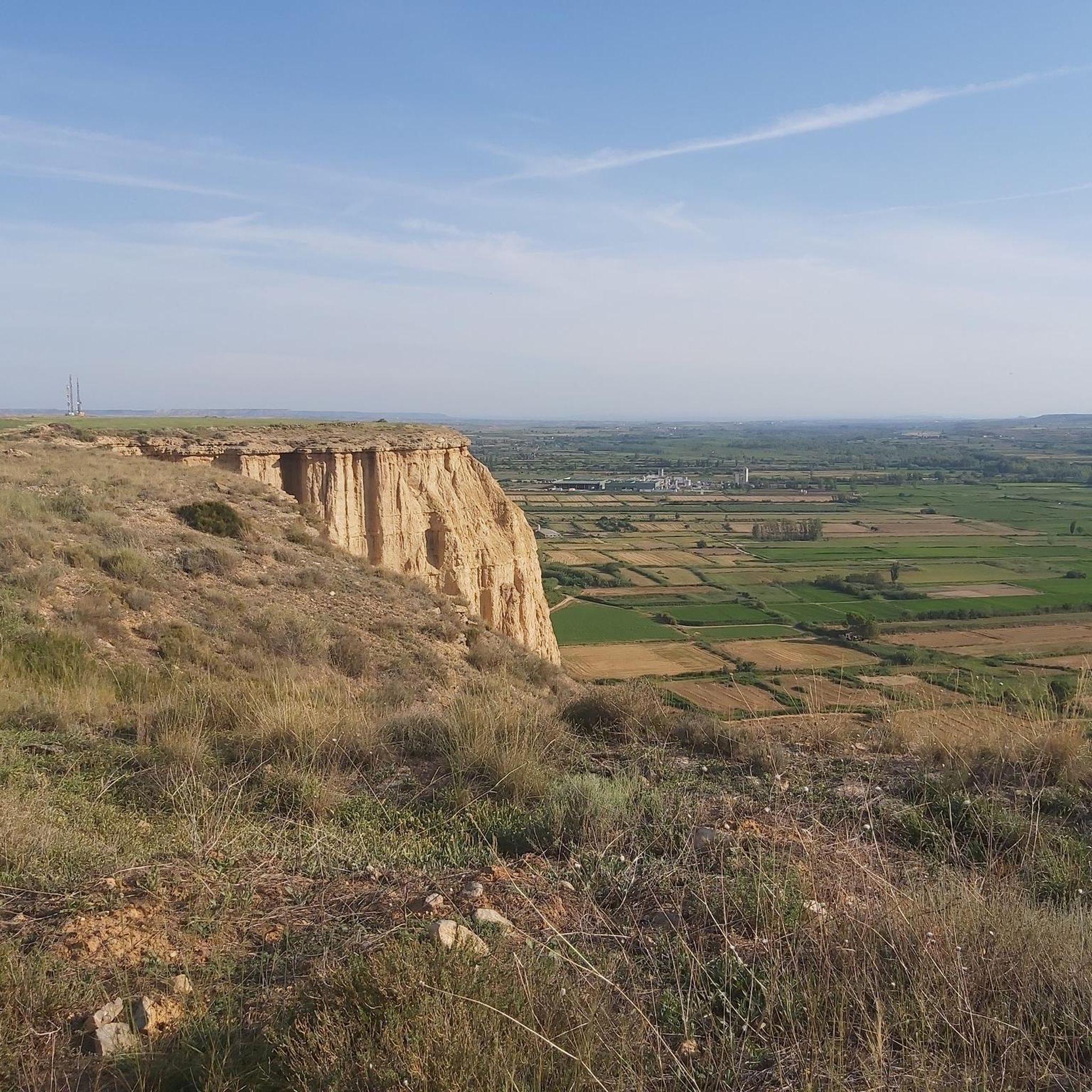
The most striking natural features are Las Ripas, monumental geological formations of vertical escarpments up to 90 meters high, carved by the Cinca River. Their reddish and ochre walls contrast vividly with the green orchards along the river. The Cinca River itself also plays a significant role, flowing through fertile agricultural lands.
Are there any historical or cultural sites worth visiting in Alcolea de Cinca?
Yes, Alcolea de Cinca boasts a rich history. You can explore the Ayuntamiento, housed in a former Renaissance palace, and the beautiful brick Parish Church in Aragonese Renaissance style. Don't miss the 18th-century Neoclassical Church of Santo Cristo de los Milagros. The town also features the Muslim remains of Castillo de los Entenza y Santa Cruz, offering excellent views, and the rehabilitated Old Cereal Mill. The old Jewish quarter, La Judería, with its labyrinthine streets, also reflects the town's diverse past.
What kind of outdoor activities can I do near Alcolea de Cinca?
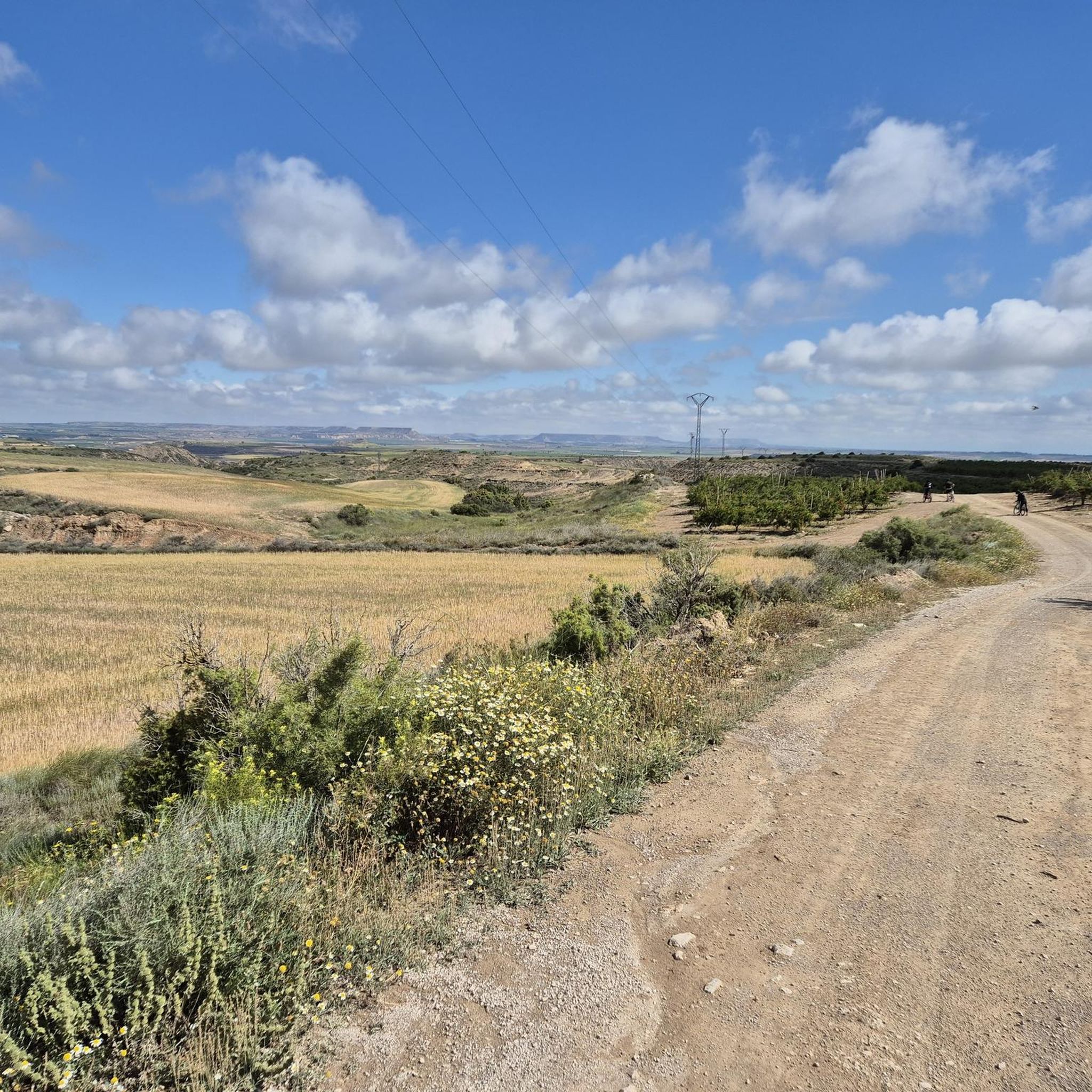
The area around Alcolea de Cinca is excellent for outdoor activities. You can find various routes for hiking, mountain biking (MTB), and cycling. For specific trails, you can explore options like the "Contrasts of Bajo Cinca Trail" for hiking, or the "Sierra de Sena Loop via El Pilón" for MTB. More details on these activities and routes can be found in the respective guides for Hiking around Alcolea De Cinca, MTB Trails around Alcolea De Cinca, and Cycling around Alcolea De Cinca.
Are there any family-friendly attractions or facilities in the area?
Yes, the Refugio Piedrafita is considered family-friendly. It's a small stone shelter with excellent views, equipped with tables, a fireplace, sink, and even a toilet and shower, making it suitable for families to rest or spend the night. While not explicitly listed as family-friendly, exploring the natural beauty of Las Ripas or the historical streets of La Judería can also be engaging for families.
Where can I find panoramic views of the region?
For excellent panoramic views, consider visiting the Muslim remains of Castillo de los Entenza y Santa Cruz. Additionally, the Refugio Piedrafita offers superb vistas of the surrounding landscape. The Santa Cruz, a large cement cross on a high point in the village, also provides a good vantage point.
What is the Sijena Monastery and why is it significant?
The Sijena Monastery is a significant religious building constructed in the 12th century. It was founded by Sancha de Castilla for hospital sisters and was unique as a double monastery where the highest authority always remained in the hands of the nuns, often women linked to royalty or Aragonese nobility. It's a key historical and architectural site in the region.
Can I find any archaeological sites in Alcolea de Cinca?
Yes, the Yacimiento de La Codera (La Codera Archaeological Site) is a notable point of interest. This site contains structures and artifacts dating back to the Bronze Age, Final Bronze Age, Iron Age, and Iberian Era, offering valuable insights into the ancient settlements of the region.
What is El Pilón (Sierra de Sena Summit)?
El Pilón (Sierra de Sena Summit) is a small stone monolith that marks one of the highest points of the Sierra de Sena, at 595 meters. It's a recognizable landmark for hikers and cyclists, often serving as a symbolic achievement on routes, offering a moment to pause and enjoy the views after challenging climbs.
Are there any easy hiking trails suitable for beginners or casual walkers?
Yes, for those looking for an easier walk, the "Contrasts of Bajo Cinca Trail" is an easy hiking route with a distance of approximately 5 km. You can find more details and other options in the Hiking around Alcolea De Cinca guide.
What is the best time of year to visit Alcolea de Cinca for outdoor activities?
While specific seasonal data isn't provided, generally, spring and autumn offer the most pleasant weather for outdoor activities like hiking and cycling in Aragon, avoiding the intense heat of summer and potential colder, wetter conditions of winter. These seasons allow for comfortable exploration of natural features like Las Ripas and the various trails.
What unique architectural features can be found in the town?
Beyond the main landmarks, Alcolea de Cinca features several stately homes, known as Casas Solariegas, such as Casa Nogueras and Casa Regales, which showcase past architectural grandeur. The town also has a peculiar alleyway called Cantoner, which has preserved its original archway, adding to the town's unique character.
Can I observe wildlife in the area?
Yes, Las Ripas serve as a natural observatory, particularly for various rupicolous birds. You might spot black kites during the summer months and red kites in winter, making it an interesting spot for birdwatching enthusiasts.
Most popular routes around Alcolea De Cinca

Get inspired with the komoot mobile app


Explore more
Still not found the Highlight you’re looking for? See guides of the top attractions in other regions:
