Attractions and Places To See around Monasterio De Rodilla - Top 20
Best attractions and places to see around Monasterio De Rodilla include a range of historical landmarks and natural features. This historic town in the province of Burgos, Spain, reflects its strategic importance as a transit point since Roman times. Nestled in the Bureba region, the area offers a mix of cultural sites and scenic landscapes. Its past as a Roman settlement and medieval hub contributes to its diverse points of interest.
Best attractions and places to see around Monasterio De…
Last updated: August 30, 2026
Matagrande Cross
Highlight • Monument
Translated by Google •
Tip by

Monastery and Church of Saint John of Ortega
Highlight • Religious Site
Translated by Google •
Tip by

Sign up now to discover places like this
Get recommendations on the best single tracks, peaks, & plenty of other exciting outdoor places.
Sign up for free
Atapuerca Archaeological Site
Highlight • Historical Site
Translated by Google •
Tip by

San Juan de Ortega
Highlight • Religious Site
Translated by Google •
Tip by
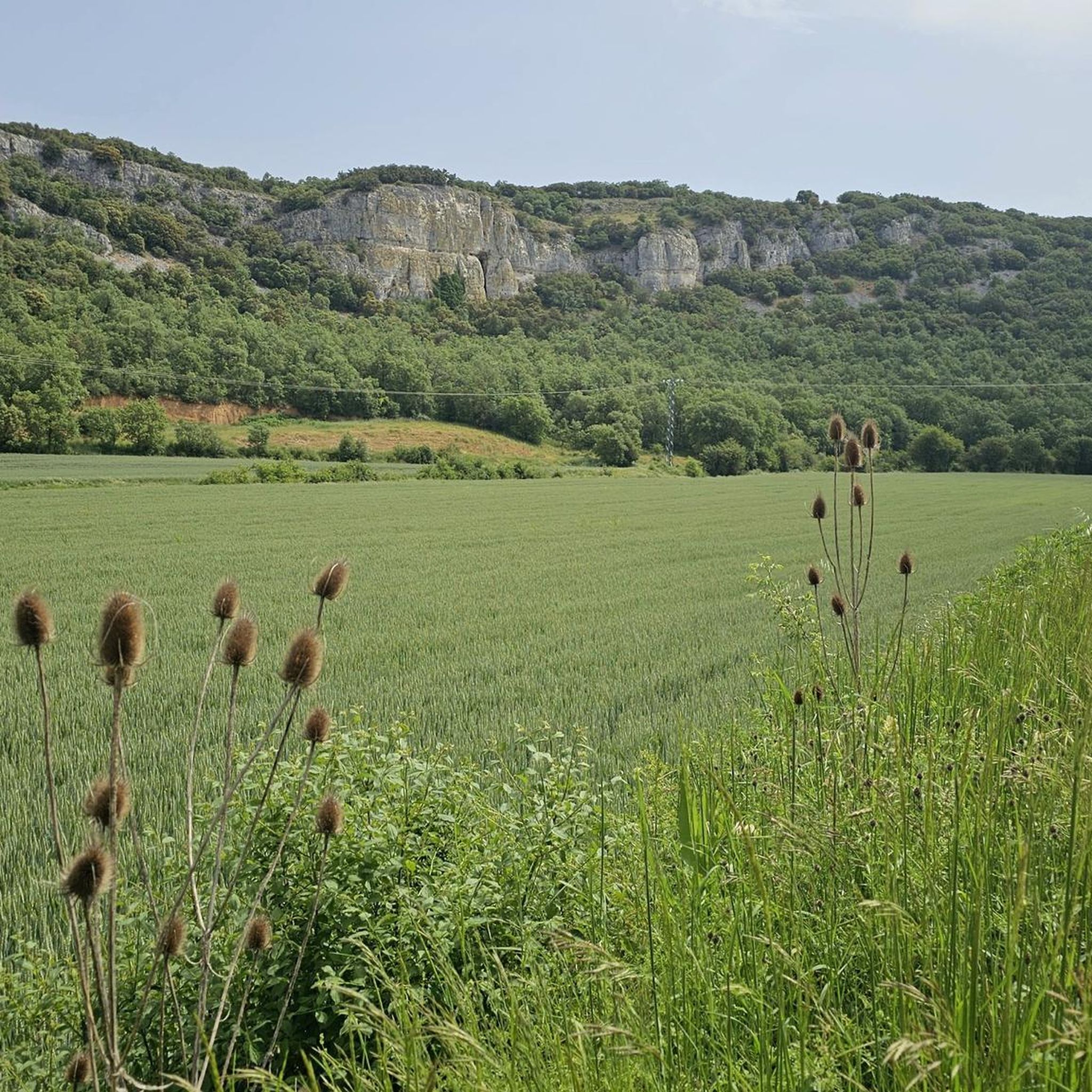
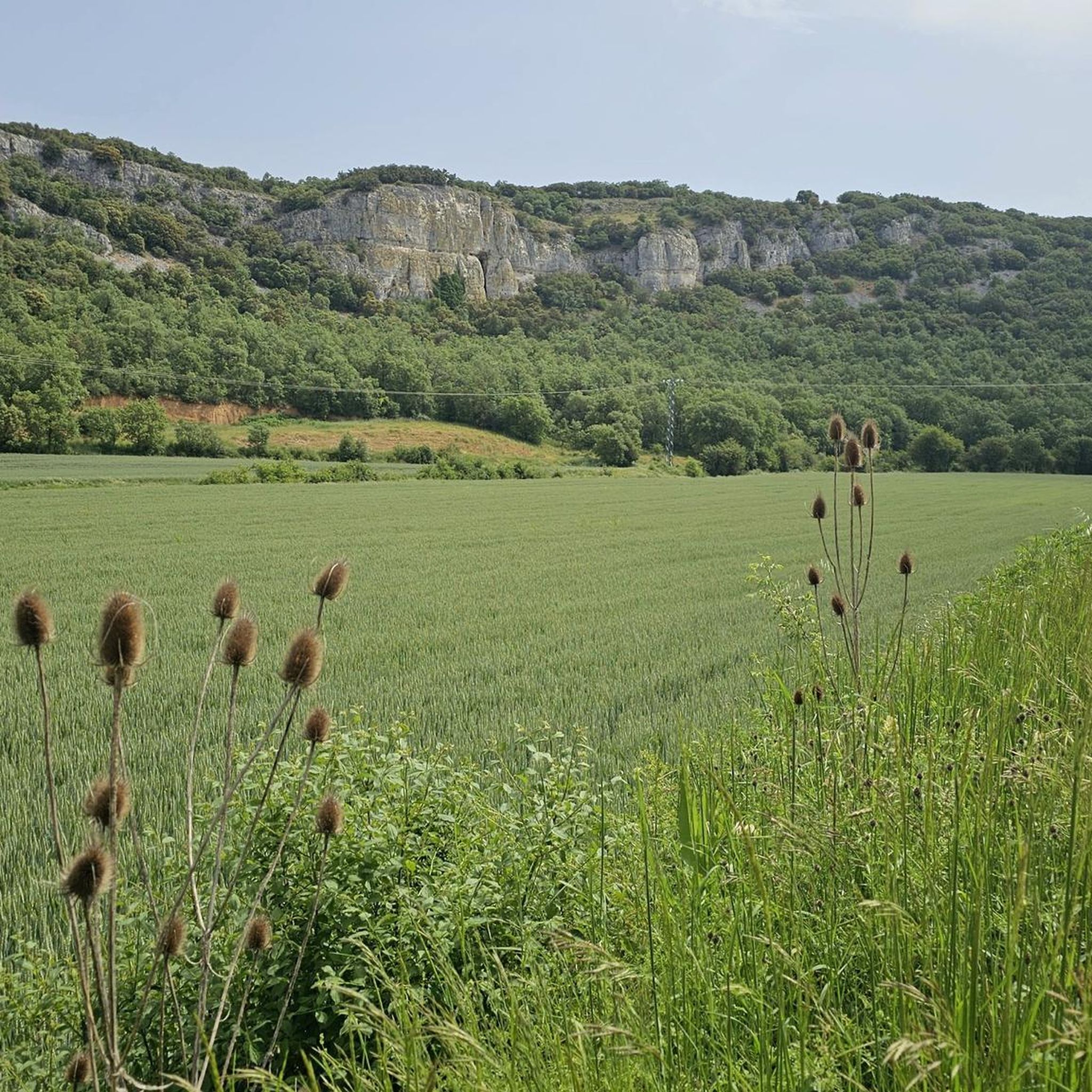
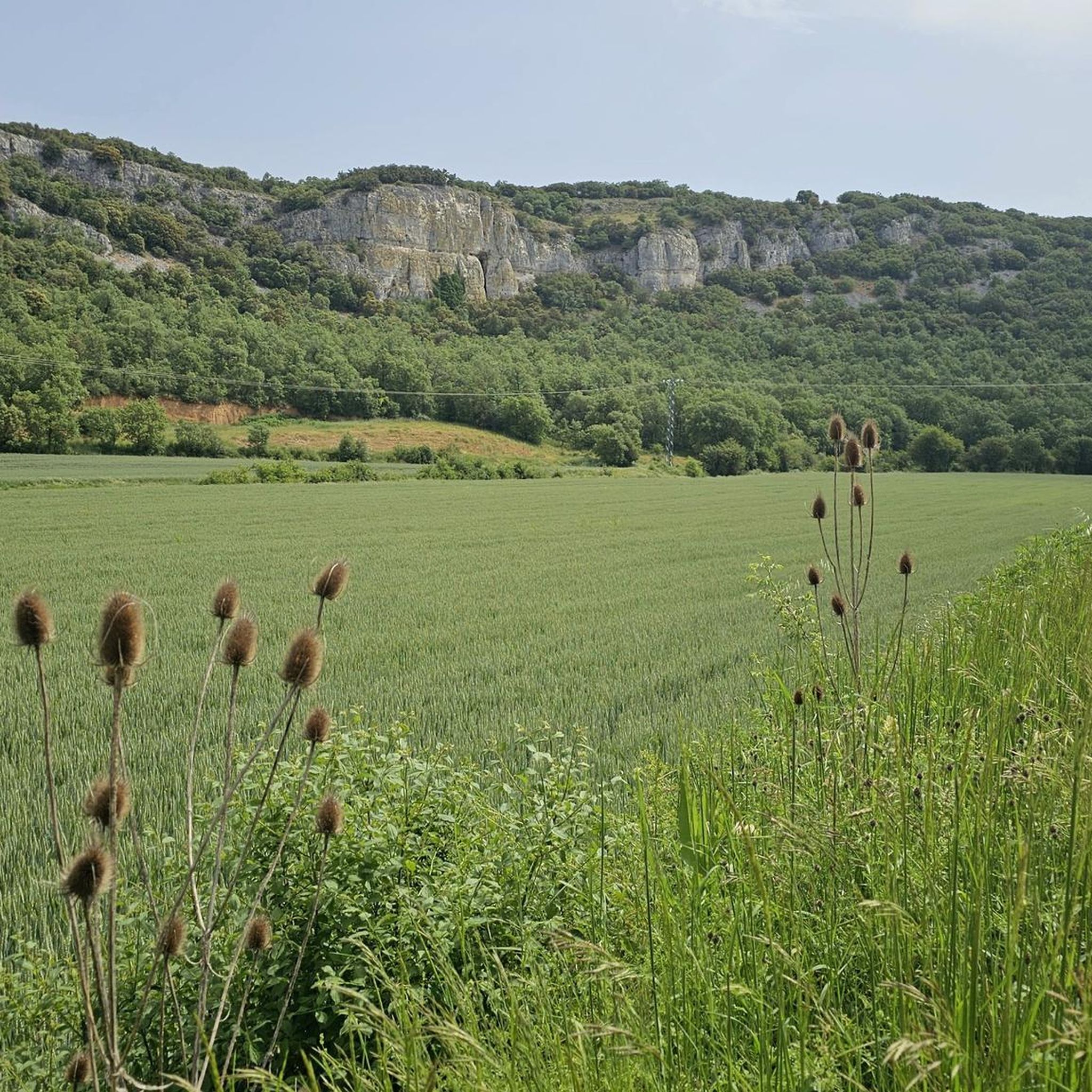
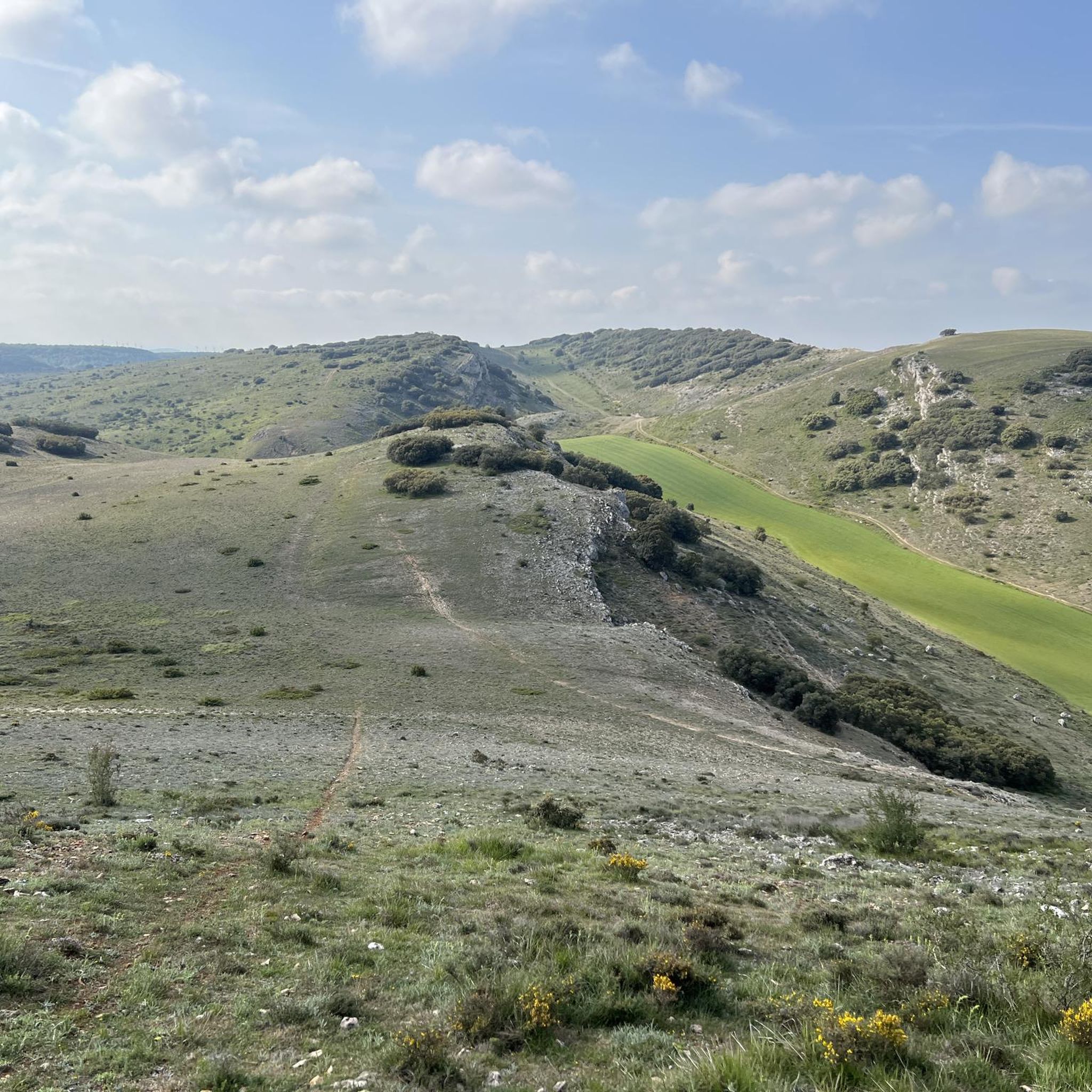
Castilian landscape
Highlight • Historical Site
Tip by

Sign up for free to discover even more attractions around Monasterio De Rodilla.
Sign up for free
Already have an account?
Start today with a free account
Your next adventure awaits.
Login or Signup
Tips from the Community

It's the first town after driving for miles through the woods with no one around.
0
0

Even though this small sacred monument isn't located on the classic route of the Way of St. James through northern Spain, in view of the summit cross standing here, some thoughts by Hape Kerkeling might be helpful as inspiration. The entertainer, who is particularly famous in Germany, walked the Camino Frances in 2001 and kept a diary, which was published under the title "Ich bin dann mal weg" (I'm off then). In it, he describes his personal encounter with God along the way as follows: "Yesterday, something inside me struck a huge gong. And the sound will reverberate. Sooner or later, this path shakes everyone to their very foundations. I know the sound will slowly fade, but if I listen carefully, I'll be able to hear this reverberation for a very long time to come."
0
0


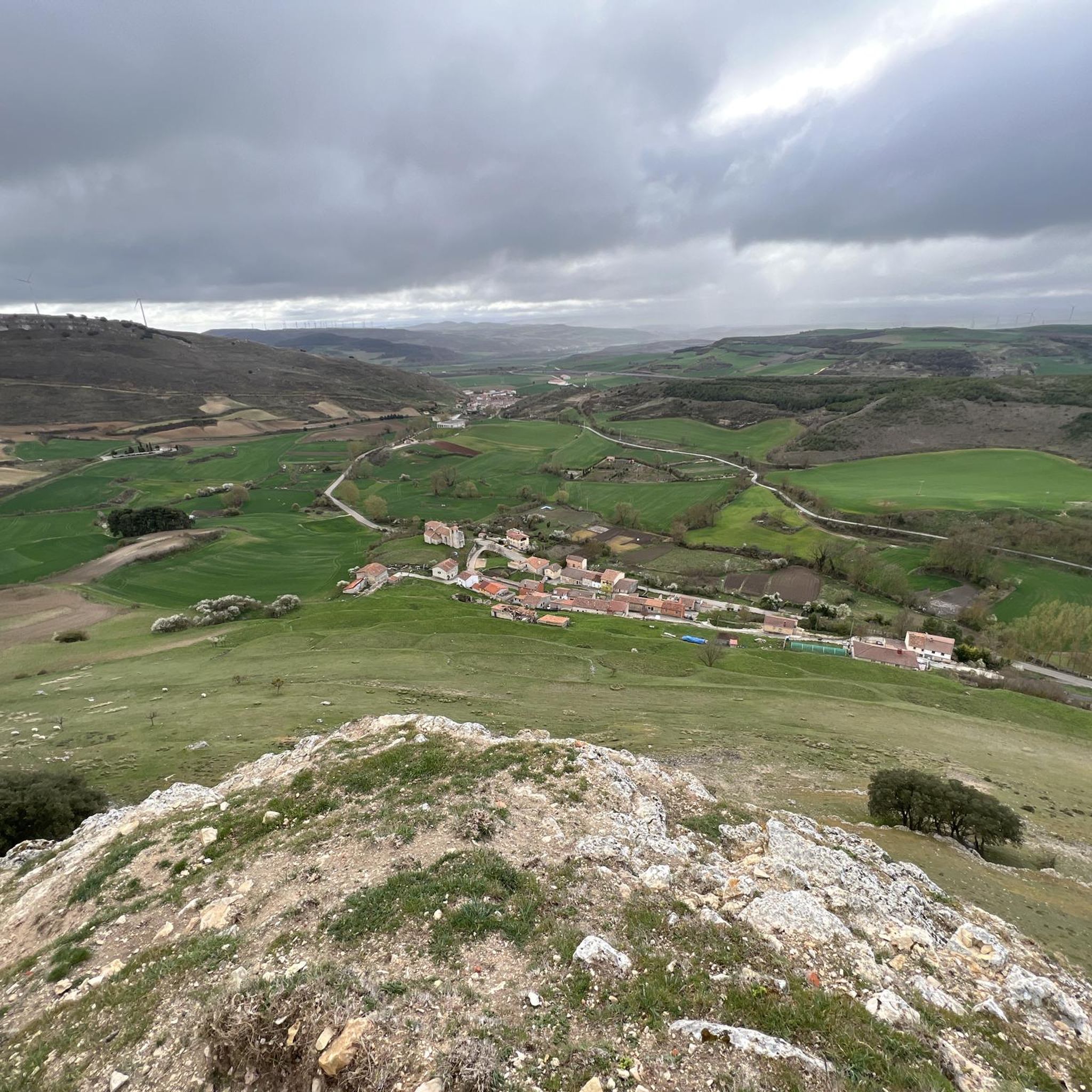
Cross located on the rock of Matagrande, at 1082 metres above sea level, right on the Camino de Santiago. During the Christmas season, they put up a nativity scene.
1
0
The stones piled up here at the base of the wayside cross are reminiscent of the “CRUZ de FERRO” (iron cross) – very well known among pilgrims – on the MONTE IRAGO on the “Camino Frances” (in Astorga, province of Leon). Many pilgrims who set out on the Way of St. James take a stone with them and place it there (or even here). Such a stone symbolizes the burdens and needs of the pilgrims (or their family members and friends at home), who symbolically cast off their worries at this point with the stone and can thus move on free of them. The CRUZ DE FERRO is available on komoot as a cycling highlight at the following link + https://www.komoot.com/de-de/highlight/716062
3
0

If you book ahead, you could choose to stay in the small bar Albergue Descanso de San Juan, which only has a few beds, but does great pizzas. However most pilgrims choose to stay in the wonderful monastery, which though fairly basic, is quite comfortable.
2
0

The abbey complex is a dream: 13th century and really well preserved. Unfortunately, the interior has little spiritual impact due to the latticework and the large burial chamber in the center of the room.
1
0

A simple wooden cross, which is used for prayer and reflection. Stones are placed here, similar to the Cruz de Ferro
2
0
Frequently Asked Questions
What historical sites can I explore in Monasterio De Rodilla?
Monasterio De Rodilla is rich in history. You can visit the Ermita de Nuestra Señora del Valle, a magnificent Romanesque hermitage, and the Atapuerca Archaeological Site, a UNESCO World Heritage site known for its prehistoric excavations. Don't miss the Monastery and Church of Saint John of Ortega, a significant stop on the Camino de Santiago.
Are there any viewpoints offering panoramic views of the region?
Yes, the area offers several stunning viewpoints. The ruins of the castle, perched on a rocky outcrop, provide splendid panoramic views of the Bureba region. Additionally, a network of tourist viewpoints has been established, including one in Monasterio de Rodilla itself, allowing visitors to appreciate the natural beauty of the Burgos province. You can also find great views from the Matagrande Cross.
What natural features are prominent around Monasterio De Rodilla?
Monasterio De Rodilla is nestled in a beautiful natural landscape. The Bureba Valley offers serene surroundings, and the Ermita de Nuestra Señora del Valle is set in an idyllic green valley. To the south, the Nava valley features a stream of the same name, providing a pleasant natural environment. The nearby Puerto de la Brújula (Bureba Pass) also offers scenic mountain views.
What outdoor activities can I do near Monasterio De Rodilla?
The region is excellent for outdoor enthusiasts. You can find various routes for running, road cycling, and mountain biking. For running, consider trails like the 'Santorcaz and Santa Casilda Loop' or the 'Lagunas de Atapuerca loop from Atapuerca'. Road cyclists might enjoy the 'Riocerezo – Solar del Cid loop' or the 'Puerto de la Brújula loop'. Mountain bikers have options like the 'Casilda Sanctuary and Rodilla Castle Loop'. You can find more details on these activities in the Running Trails, Road Cycling Routes, and MTB Trails guides.
Are there family-friendly attractions in the area?
Yes, the area offers attractions suitable for families. The San Juan de Ortega monastery and church, a significant pilgrimage stop, is considered family-friendly. Exploring the historical sites like the Atapuerca Archaeological Site can also be an educational experience for older children. The natural landscapes and viewpoints provide opportunities for pleasant family walks and enjoying the outdoors.
What is the significance of the Roman presence in Monasterio De Rodilla?
Monasterio De Rodilla was once a Roman mansion and an important settlement called Tritium Autrigonum. A Roman road, which connected Astorga to Aquitaine, traversed this area, highlighting its ancient importance as a communication hub. While some archaeological remains exist, its Roman past is a key part of the region's rich history.
What architectural styles can be seen in the local churches?
The local churches showcase a mix of architectural styles reflecting centuries of history. The Ermita de Nuestra Señora del Valle is a prime example of late 12th-century Romanesque architecture. The Iglesia de Santa María Magdalena in the village center displays styles primarily from the 16th to 18th centuries, including a polygonal apse and Baroque finishes, and houses a 12th-century Romanesque crucified Christ. The Iglesia de Santa Marina combines Romanesque and Gothic elements.
What do visitors enjoy most about the attractions around Monasterio De Rodilla?
Visitors particularly appreciate the blend of historical significance and natural beauty. The Monastery and Church of Saint John of Ortega is valued as a landmark on the Camino de Santiago and a peaceful meeting point for pilgrims. The Atapuerca Archaeological Site is highly regarded for its unique prehistoric excavations. The scenic views from spots like the Matagrande Cross and the tranquility of the Bureba region are also frequently highlighted.
Are there any hidden gems or less-known spots worth visiting?
While not strictly 'hidden,' the traditional popular architecture and blasoned houses throughout the village offer a glimpse into its rich heritage beyond the main landmarks. Exploring the quieter parts of the Bureba Valley and the Nava valley stream can also lead to peaceful discoveries away from more frequented sites.
What is the significance of the Monasterio de Rodilla castle ruins?
The Ruinas del Castillo, constructed around the 11th-12th century, were strategically important for controlling the Bureba Pass and surrounding routes. Although mostly in ruins, parts of the keep and sections of its walls remain, offering a tangible connection to the region's medieval past and providing excellent panoramic views.
Can I find information about guided tours for the historical sites?
For detailed information on guided tours, especially for sites like the Ermita de Nuestra Señora del Valle, it's recommended to check local tourism resources. You might find relevant information on sites like visitasguiadascastillayleon.es, which often provides details on visiting historical landmarks in the Castilla y León region.
Most popular routes around Monasterio De Rodilla
Most popular attractions around Monasterio De Rodilla

Get inspired with the komoot mobile app


Explore more
Still not found the Highlight you’re looking for? See guides of the top attractions in other regions:
