Attractions and Places To See around Sepulcro-Hilario - Top 6
Attractions and places to see around Sepulcro-Hilario offer insights into the region's history and natural landscape within the province of Salamanca, Spain. This area is characterized by its rural setting and historical sites, including ancient Roman infrastructure. The municipality provides a glimpse into traditional Spanish village life and features natural areas like hillsides with distinctive clay formations. Visitors can explore a mix of historical landmarks and local points of interest.
Best attractions and places to see around Sepulcro-Hilario
- The most…
Last updated: July 1, 2026
La Sagrada
Highlight • Settlement
Translated by Google •
Tip by

Morasverdes
Highlight • Settlement
Translated by Google •
Tip by
Sign up now to discover places like this
Get recommendations on the best single tracks, peaks, & plenty of other exciting outdoor places.
Sign up for free
Roman Water Reservoir
Highlight • Historical Site
Translated by Google •
Tip by

Old public washhouses of Tamames
Highlight • Historical Site
Translated by Google •
Tip by
Dios le Guarde
Highlight • Settlement
Translated by Google •
Tip by
Sign up for free to discover even more attractions around Sepulcro-Hilario.
Sign up for free
Already have an account?
Start today with a free account
Your next adventure awaits.
Login or Signup
Popular around Sepulcro-Hilario

Tips from the Community

Roman-era water tank. One of several deposits that served the mine.
0
0
Ancient Roman water tank from which the canals left for the work of washing earth and rocks to obtain gold.
0
0

Tamames stands in the middle of Campo Charro. It is a municipality whose first settlement must be traced back to the Lower Palaeolithic, a period from which some carved stone tools were discovered. At the entrance of the town you can see the public laundry that existed in past times in this town.
0
0
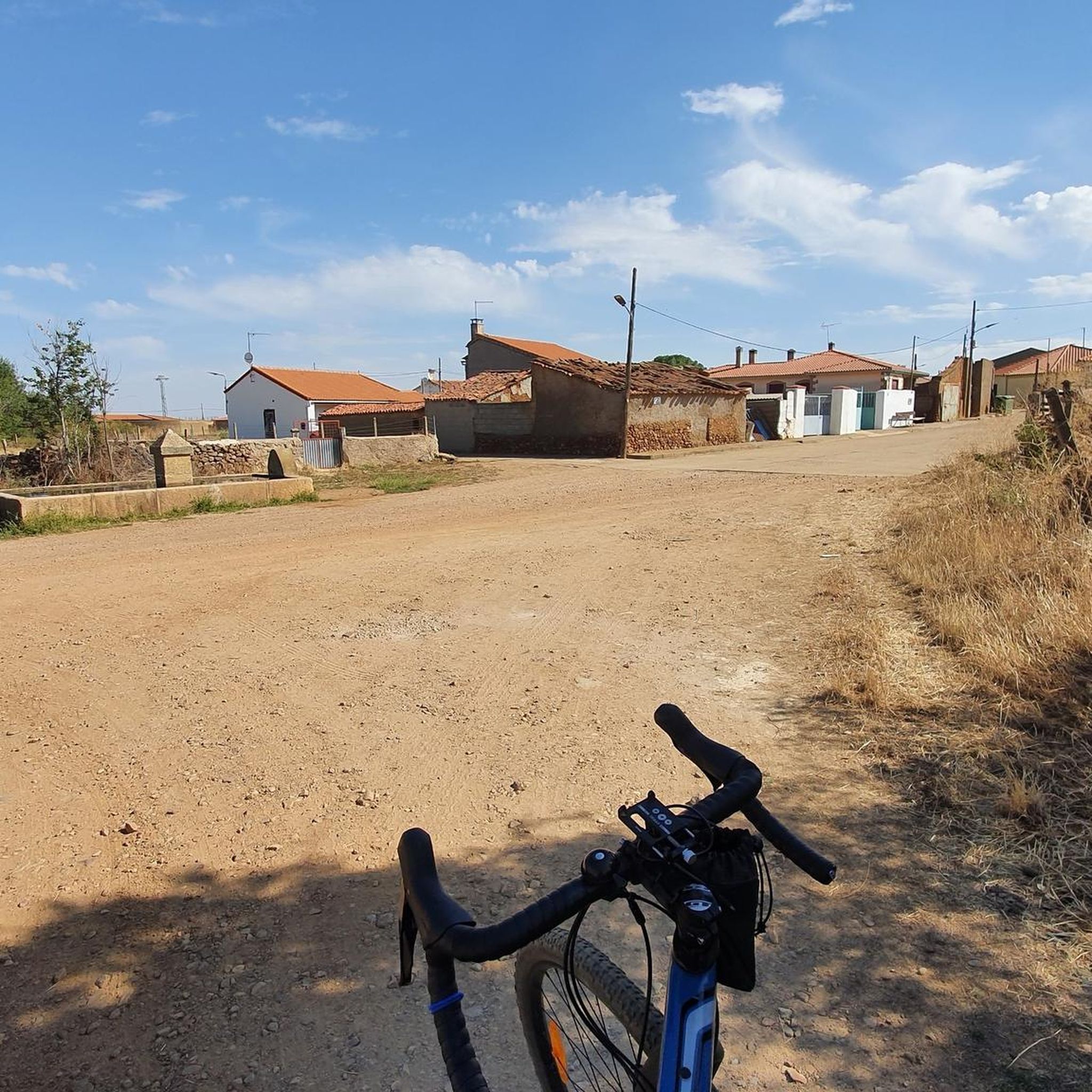
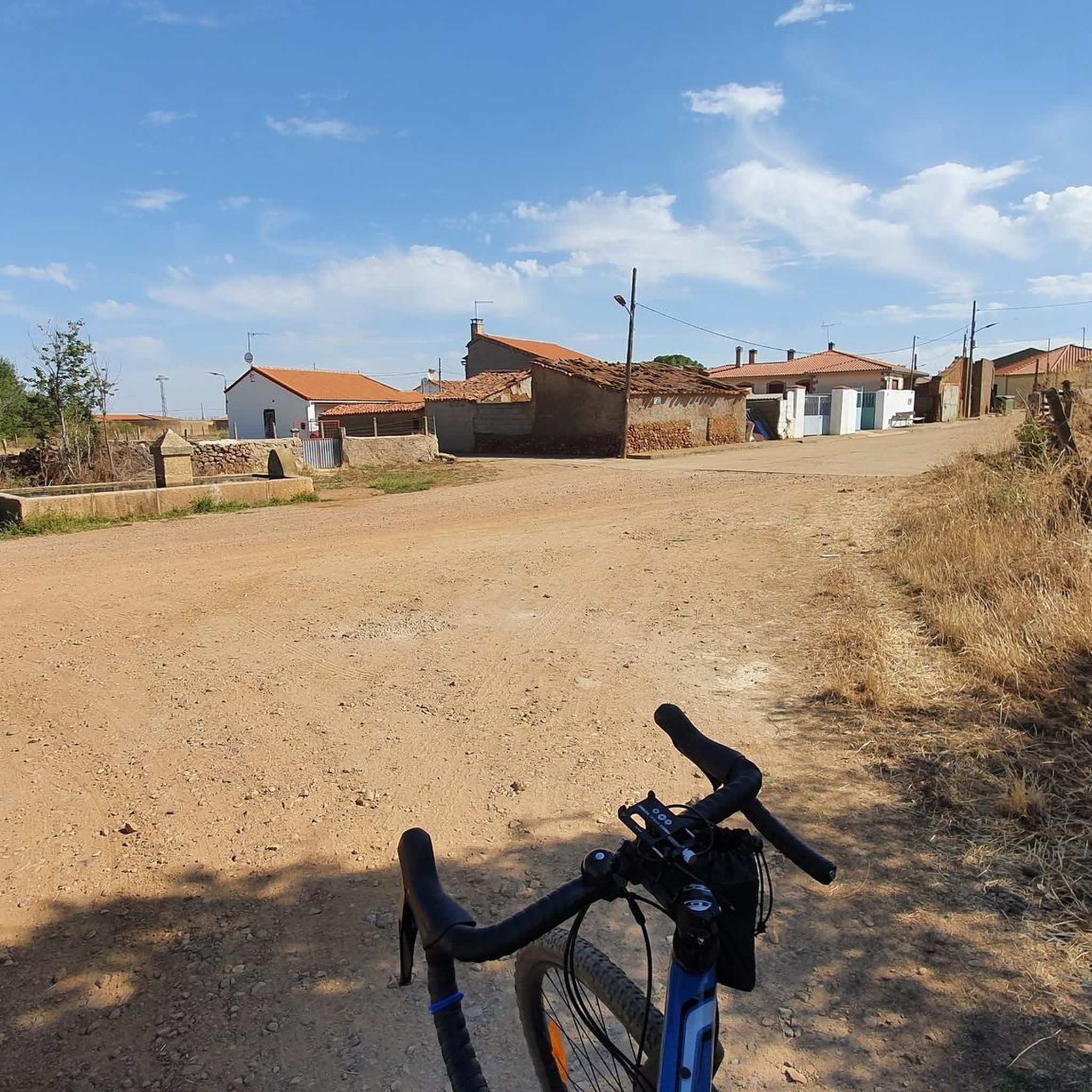
Its name, according to legend, long ago there was a dark forest, in the direction of Tenebrón (hence the name) where there were many wolves, and when someone went to a certain place through this dark forest, they were told God Save Him so that God protect him along the way.
0
0
Small municipality that is located in the Salmantina region of Campo de Yeltes, about 80 km southwest of the city of Salamanca, the provincial capital. The origin of Morasverdes can be established around the numerous flour mills that were established along the river of the same name.
0
0
La Sagrada is a Spanish municipality and town in the province of Salamanca. In the town is the Parochial Church of San Miguel and a Monument in memory of the Muñoz level crossing accident in 1978. The schoolchildren of the municipality, who were traveling in the school bus that was hit by a locomotive and that is why a statue in his memory.
0
0
Frequently Asked Questions
What historical sites can I explore around Sepulcro-Hilario?
You can visit the ancient Roman Water Reservoir, which was part of a system for gold extraction. Additionally, the nearby municipality of Tamames features the Old public washhouses of Tamames, offering a glimpse into historical daily life. The Parish Church (Iglesia de San Pedro ad Vincula) in Sepulcro-Hilario's urban center is also a notable cultural landmark.
Are there any natural areas or unique landscapes to see near Sepulcro-Hilario?
Yes, explore Las Barrizas, an emblematic area near the village known for its steep hillsides of reddish clay, deep ravines, and depressions, creating a unique landscape. Another natural spot is the Dehesa del Cristo de la Laguna, featuring holm oak forests, pastures, and a large lagoon.
What kind of outdoor activities can I do near Sepulcro-Hilario?
The region offers various cycling opportunities. You can find routes for touring bicycles, gravel biking, and road cycling. For detailed routes, check out the guides for Cycling around Sepulcro-Hilario, Gravel biking around Sepulcro-Hilario, and Road Cycling Routes around Sepulcro-Hilario.
Are there any family-friendly attractions in the Sepulcro-Hilario area?
Yes, the settlement of Morasverdes is considered family-friendly, offering a look into a small municipality with historical roots tied to flour mills. The Old public washhouses of Tamames also provide an interesting historical insight for families.
What is La Sagrada and what can I see there?
La Sagrada is a municipality featuring the Parochial Church of San Miguel and a monument commemorating a 1978 accident involving a school bus. It offers a glimpse into local history and community life.
What is the significance of the Roman Water Reservoir?
The Roman Water Reservoir is an ancient Roman water tank that was crucial for channeling water used in the washing of land and rocks to extract gold in the area. It's a testament to the region's historical mining activities.
Can you tell me about the settlement of Morasverdes?
Morasverdes is a small municipality in the Campo de Yeltes region, historically known for the numerous flour mills established along its river. It offers a peaceful setting and historical context.
What is the story behind the name Dios le Guarde?
The settlement of Dios le Guarde, according to legend, gets its name from a dark forest in the direction of Tenebrón, which was known for its wolves. Travelers passing through were wished 'God Save Him' ('Dios le Guarde') for protection on their journey.
What is the best time of year to visit Sepulcro-Hilario for outdoor activities?
The region experiences a Mediterranean climate with hot, dry summers and mild winters. Spring and autumn generally offer the most pleasant temperatures for outdoor activities like cycling and exploring natural areas like Las Barrizas and Dehesa del Cristo de la Laguna.
Are there any hidden gems or lesser-known spots worth discovering?
Beyond the main highlights, exploring the rural landscapes and smaller settlements like Dios le Guarde can reveal charming local architecture and a sense of traditional Spanish village life. The unique geological formations of Las Barrizas are also a less commonly highlighted natural wonder.
What kind of wildlife might I spot in the natural areas around Sepulcro-Hilario?
In natural areas like the Dehesa del Cristo de la Laguna, which features holm oak forests and pastures, you might encounter typical Iberian wildlife. This could include various bird species, rabbits, and other small mammals common to dehesa ecosystems.
What is the local culture like in Sepulcro-Hilario?
Sepulcro-Hilario maintains its traditions through celebrations like its festivals in honor of San Blas, the patron saint, and Corpus Christi. Historically, the village was also known for its ceramic workshops, reflecting a rich artisanal past, though this activity now takes place in nearby Ciudad Rodrigo.
Most popular routes around Sepulcro-Hilario

Get inspired with the komoot mobile app


Explore more
Still not found the Highlight you’re looking for? See guides of the top attractions in other regions:
