Attractions and Places To See around Frumales - Top 9
Best attractions and places to see around Frumales, a municipality in the province of Segovia, Spain, provide insight into traditional Spanish village life. The terrain is characterized by pine forests and cultivated fields, offering natural landscapes for exploration. This region features historical landmarks and natural sites, making it a destination for those interested in local heritage and outdoor activities. Frumales is located within the "Land of Pine Groves," providing a setting for various walking routes and cultural discoveries.
Best attractions…
Last updated: July 1, 2026
Cuéllar Castle
Highlight • Castle
Construction of …
Translated by Google •
Tip by

Senda del Cega
Highlight • Trail
Translated by Google •
Tip by
Sign up now to discover places like this
Get recommendations on the best single tracks, peaks, & plenty of other exciting outdoor places.
Sign up for free
Torreón de Santo Domingo
Highlight • Castle
Translated by Google •
Tip by

El Cubo Windmill
Highlight • Monument
Translated by Google •
Tip by
Castle of Cuéllar
Highlight • Castle
Translated by Google •
Tip by

Sign up for free to discover even more attractions around Frumales.
Sign up for free
Already have an account?
Start today with a free account
Your next adventure awaits.
Login or Signup

Tips from the Community

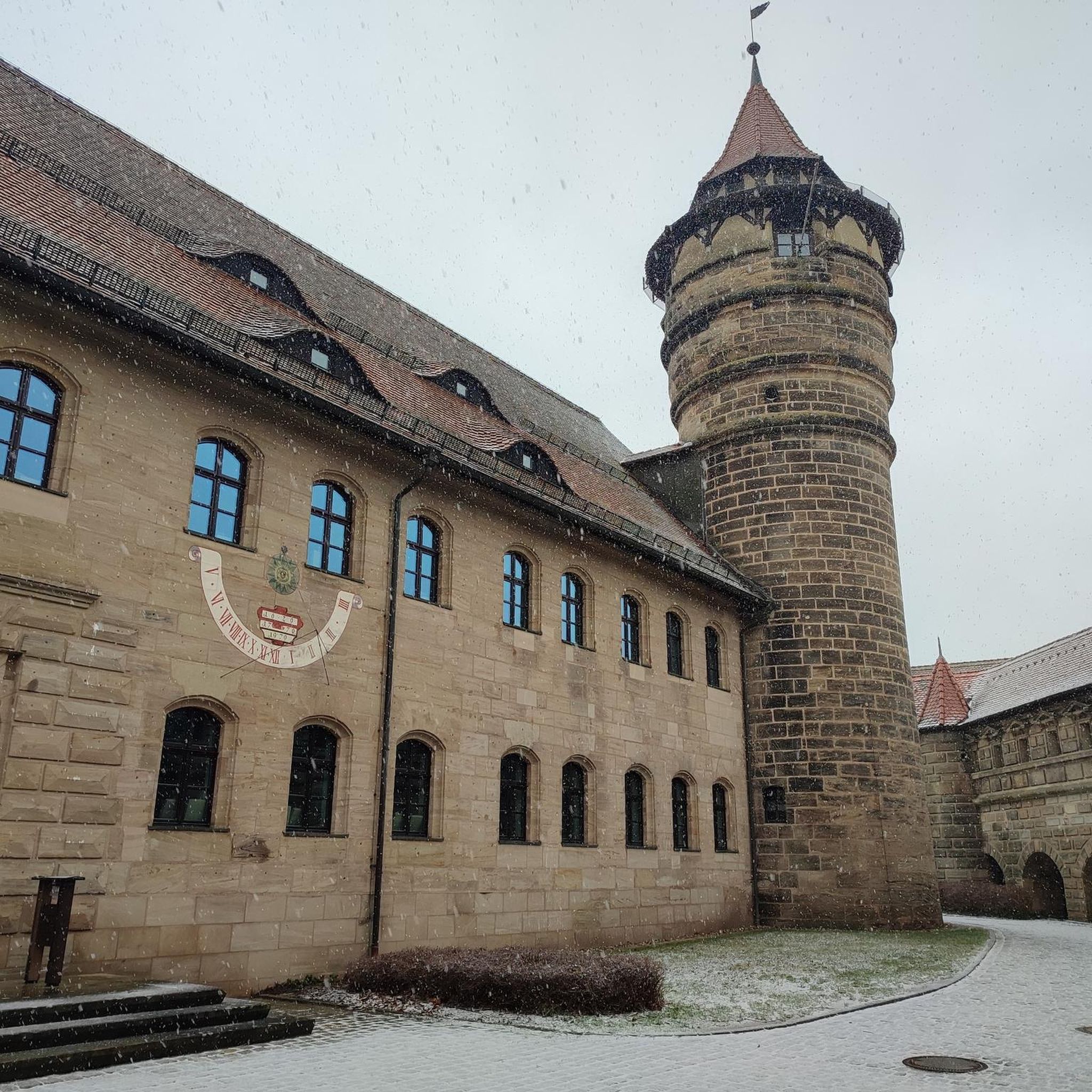
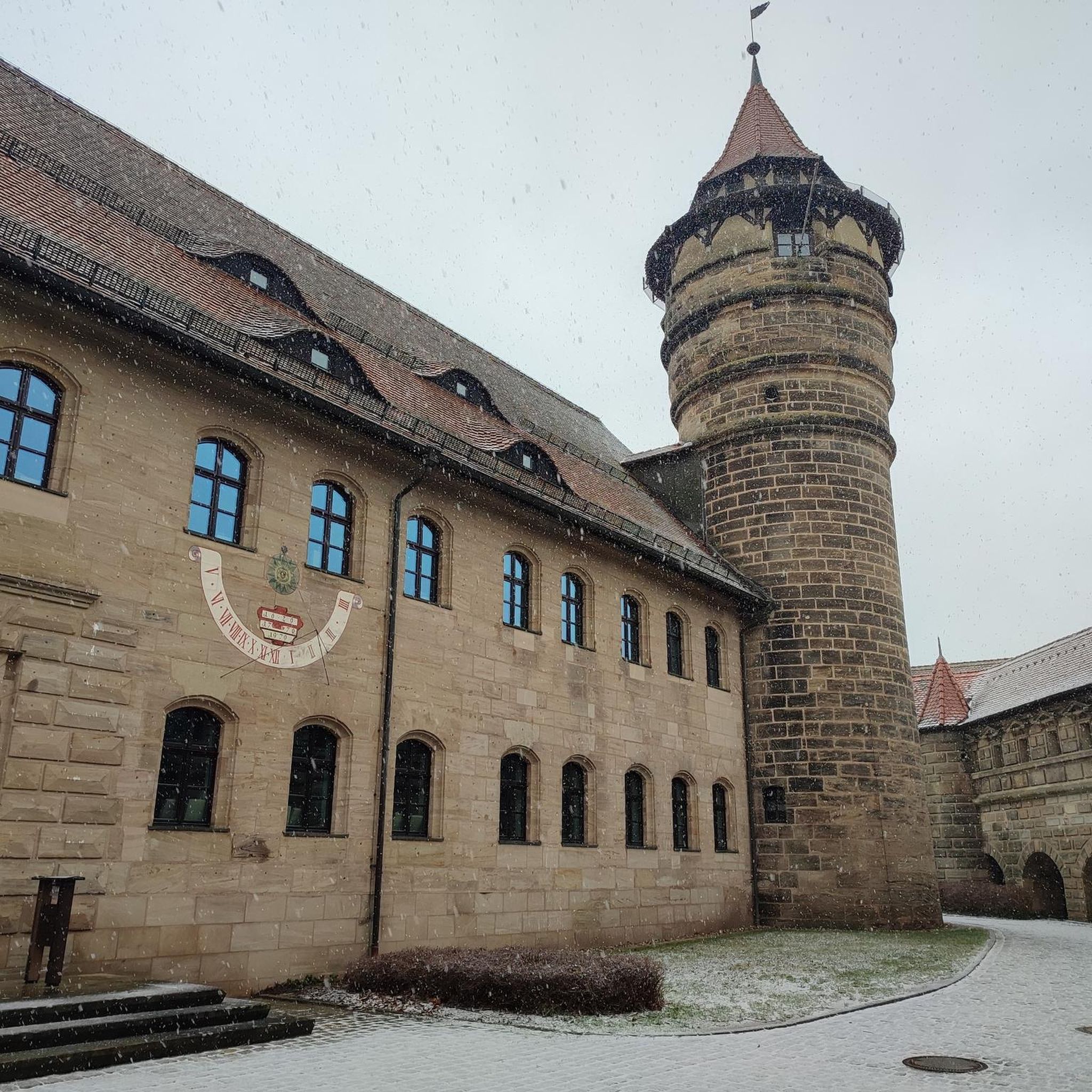
Cuéllar Castle, also known as the Castle-Palace of the Dukes of Alburquerque, is one of the town's most iconic monuments and has a rich history spanning several centuries. Construction of the castle began in the 11th century and was completed in the 17th century. Over the centuries, it has been expanded and renovated in various architectural styles, including Gothic and Renaissance. Its historical owners include Álvaro de Luna and Beltrán de la Cueva, as well as successive Dukes of Alburquerque. Currently, the castle houses the Cuéllar Tourist Office, and guided and dramatized tours are offered on weekends.
5
0
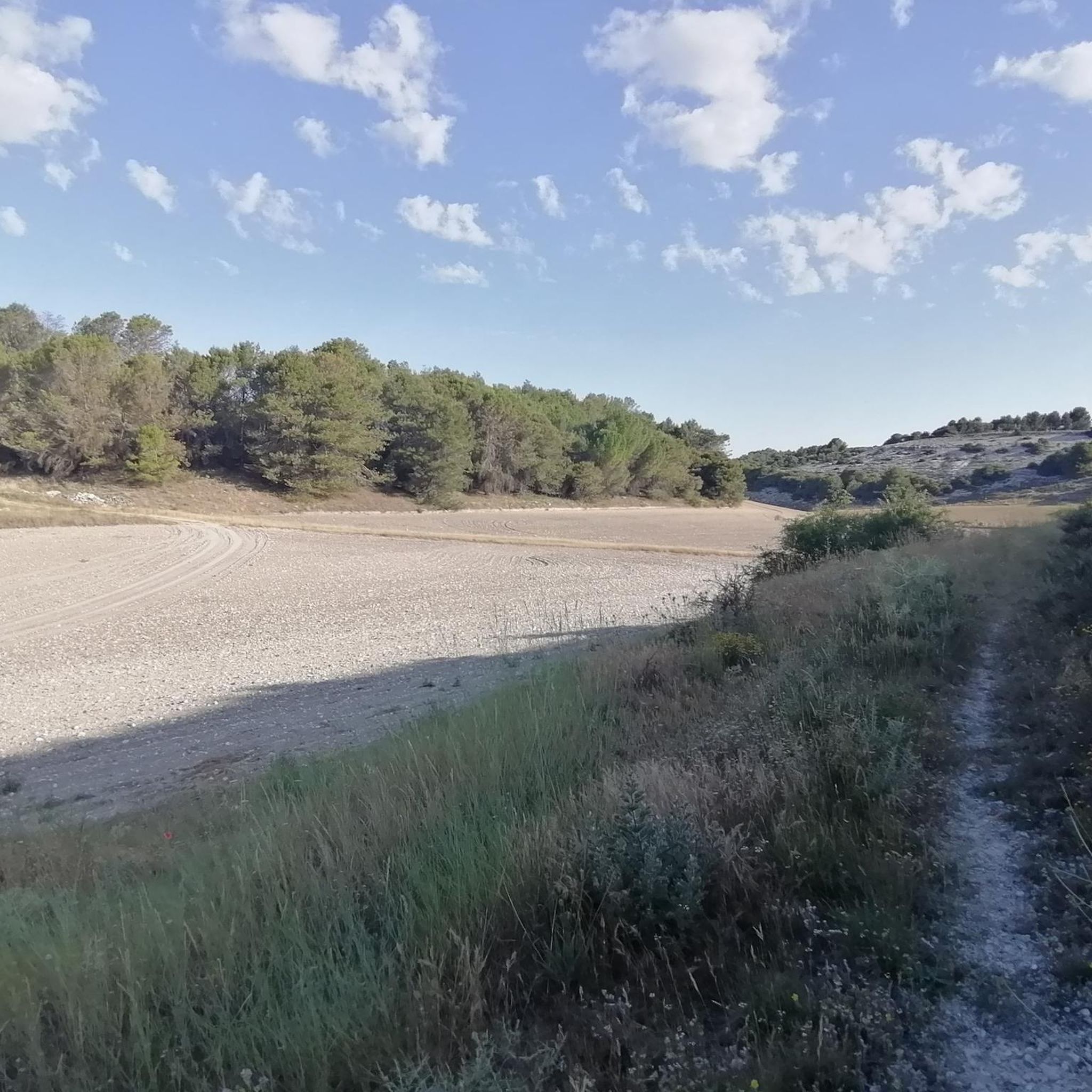
The Senda del Cega is a beautiful and accessible route that follows the course of the Cega River. It is approximately 6.6 km (round trip). Among other points of interest, there is a beautiful wooden bridge, a viewing point over the river, and an old tuberculosis hospital.
4
0

The path runs through a green tunnel near the river. with walkways, stairs...
1
0
Windmills, like El Cubo, have been a hallmark of the region for centuries. Although their use today is not as widespread as in the past, they remain a reminder of traditional wind energy and engineering. The source of energy in a windmill is the wind itself, and it is used to grind grain, pump water, and perform other tasks. If you ever visit Cuéllar, don't hesitate to explore this historic mill and take in its beauty and functionality. 🌬️🏰
4
0
Documented since 1306, the castle has witnessed various events over the centuries. It was property of the Duchy of Alburquerque and hosted illustrious guests such as the kings of Castile, such as Juan I and Queen Leonor, as well as María de Molina. This castle is a historical treasure and a living testimony to the grandeur and diversity of architectural styles over the centuries. 🏰🌿
4
0

On the border between the provinces of Valladolid and Segovia, the historic town of Cuéllar located next to the Cega River is full of heritage. Standing on top of a hill above the town is the 11th century defensive castle. It is worth going up to see the incredible views of the town surrounded by cereal fields.
1
0

One of the southwest entrances to the town of Cuéllar is one of the walls with what is called the Molino de viento and which can be seen when entering the center itself.
1
0
Cuéllar is one of those towns that has special characteristics, a castle that hovers over one end of the town and that looks like something out of a movie. Huge walls and towers!
1
0
Frequently Asked Questions
What historical landmarks can I explore within Frumales?
Within Frumales, you can visit the Church of Nuestra Señora de la Asunción, a Romanesque church dating back to the 13th century with recently uncovered Romanesque capitals. Another significant cultural symbol is the skeletal remains of the Giant Old Elm, presiding over the church entrance. The historic Windmill of the Aldehuela and the late 19th-century Town Hall are also notable landmarks.
What natural attractions are there to see in and around Frumales?
Frumales is nestled within the "Land of Pine Groves," offering extensive pine forests like the "pinar Chiquito" and "pinal del Prado." The Cerquilla River, a tributary of the Cega River, is also a key natural feature, known for its lush vegetation and old washing places along its banks. You can also explore the Senda del Cega, a trail that follows the course of the Cega River.
Are there hiking trails near Frumales?
Yes, there are several hiking opportunities. You can find routes like the easy Senda del Cega loop from Los Corrales or the Torreón de Santo Domingo – Cuéllar Castle loop from Cuéllar. For more challenging options, consider the difficult Castillo de Cuéllar by the Río Cega — circular from Tierra de Pinares. You can find more details on hiking routes around Frumales.
Can I go cycling or mountain biking around Frumales?
Absolutely. The region offers various routes for both cycling and mountain biking. For MTB, options include the moderate Fuentidueña MTB Route or the challenging Marcha Correcaminos MTB. Cyclists can enjoy routes like the easy Cuéllar Castle – Torreón de Santo Domingo loop from Cuéllar. Explore more MTB trails and cycling routes around Frumales.
Are there family-friendly attractions or activities in Frumales?
Many attractions in the area are suitable for families. The Cuéllar Castle offers guided and dramatized tours on weekends, which can be engaging for all ages. The Senda del Cega is also a beautiful and accessible route for family walks, featuring a wooden bridge and river views. Exploring the pine forests and the village's old town features can also be enjoyable for families.
Are there dog-friendly walking routes near Frumales?
Yes, the natural landscapes around Frumales, particularly the pine forests and riverbanks, offer great opportunities for walks with dogs. The Senda del Cega is generally suitable for dog walks, allowing you to enjoy the river scenery. When exploring, always ensure your dog is under control and respect local regulations regarding pets in natural areas.
When is the best time to visit Frumales for outdoor activities?
The best time to visit Frumales for outdoor activities like hiking and cycling is typically during the spring (April to June) and autumn (September to October). During these seasons, the weather is generally mild and pleasant, making it ideal for exploring the pine forests and river trails. Summers can be hot, while winters can be chilly, though still offering unique landscapes.
How can I get around Frumales and are there parking options for attractions?
Frumales is a small village, and many of its attractions, such as the Church of Nuestra Señora de la Asunción and the Giant Old Elm, are easily accessible on foot within the village. For attractions further afield, like the Windmill of the Aldehuela or the pine forests, driving is recommended. Parking availability varies, but generally, you can find street parking within the village. Specific parking details for individual highlights are best checked locally upon arrival.
Where can I find local amenities like cafes or restaurants in Frumales?
As a traditional Spanish village, Frumales has local establishments where you can experience authentic village life. While specific names may vary, you can typically find small cafes or bars within the village center for refreshments. For a wider selection of restaurants, you might need to venture to nearby larger towns in the Segovia province.
What unique local sites can I discover in Frumales' old town?
Beyond the main historical landmarks, Frumales' old town offers charming details. You'll be greeted by a restored antique cart at the entrance on Calle Carretera. A bridge connects the two sides of the urban area, and the houses on Calle Molino are particularly eye-catching due to their vibrant colors, offering a picturesque stroll through the village.
What is the significance of the pine forests around Frumales?
Frumales is located within the "Land of Pine Groves" (Tierra de Pinares), which means the surrounding landscape is characterized by extensive pine forests. These forests, such as the "pinar Chiquito" and "pinal del Prado," are not only beautiful natural features but also historically significant to the region's economy and culture, offering a serene environment for walks and connecting with nature.
Most popular attractions around Frumales

Get inspired with the komoot mobile app


Explore more
Still not found the Highlight you’re looking for? See guides of the top attractions in other regions:
