Attractions and Places To See around Villacastín - Top 20
Best attractions and places to see around Villacastín include a range of historical landmarks and natural features. This historic town in the province of Segovia is situated at an altitude of 1,100 meters, offering views of the surrounding landscape. The area is known for its connection to the Sierra de Guadarrama and its pine forests, providing opportunities for outdoor exploration. Villacastín also features significant architectural heritage, reflecting its past.
Best attractions and places to see around Villacastín
- The most popular attractions is La Escondida, a cycle way that features pine forests in a typical landscape of the plateau. This road is known for its downhill sections, often surprising cyclists.
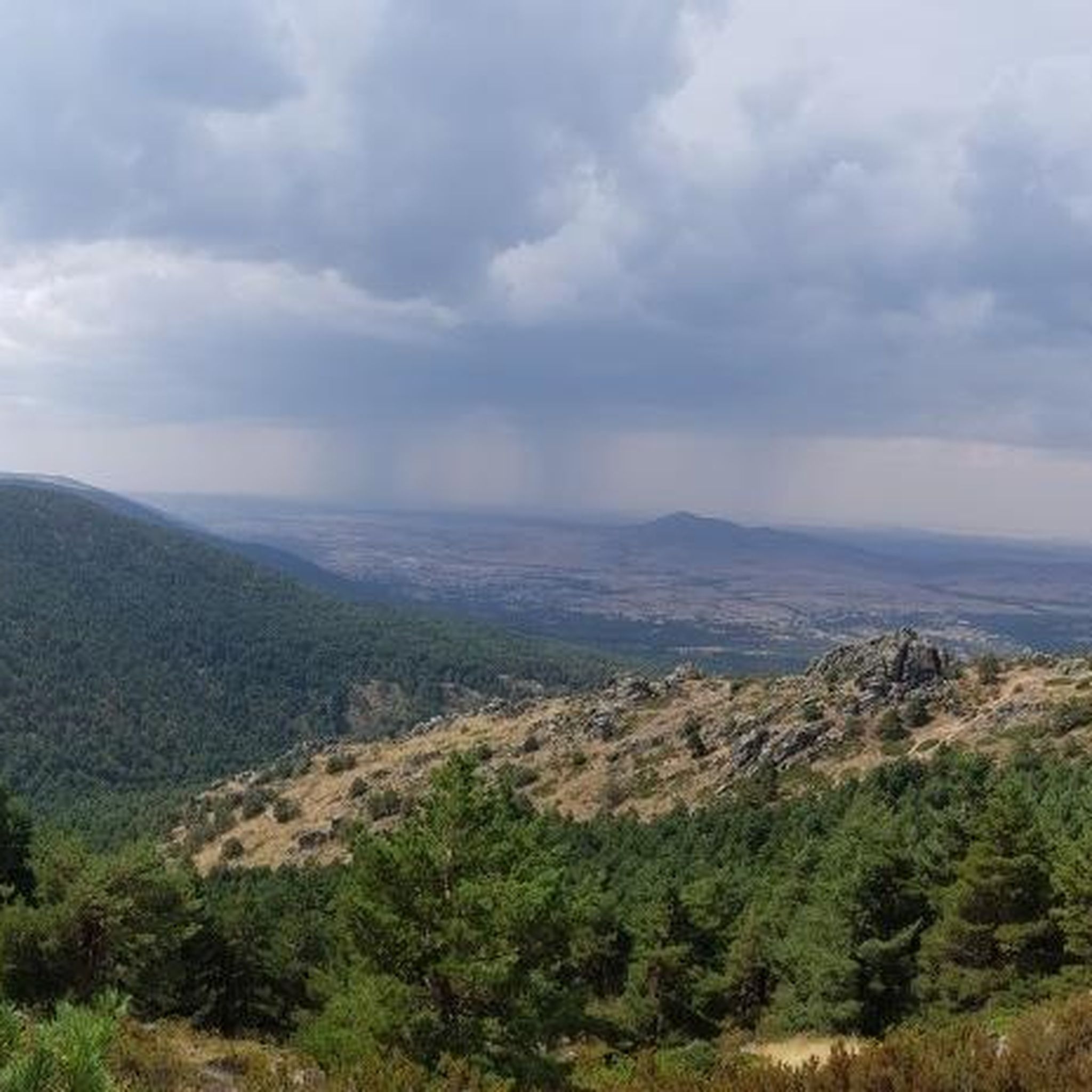
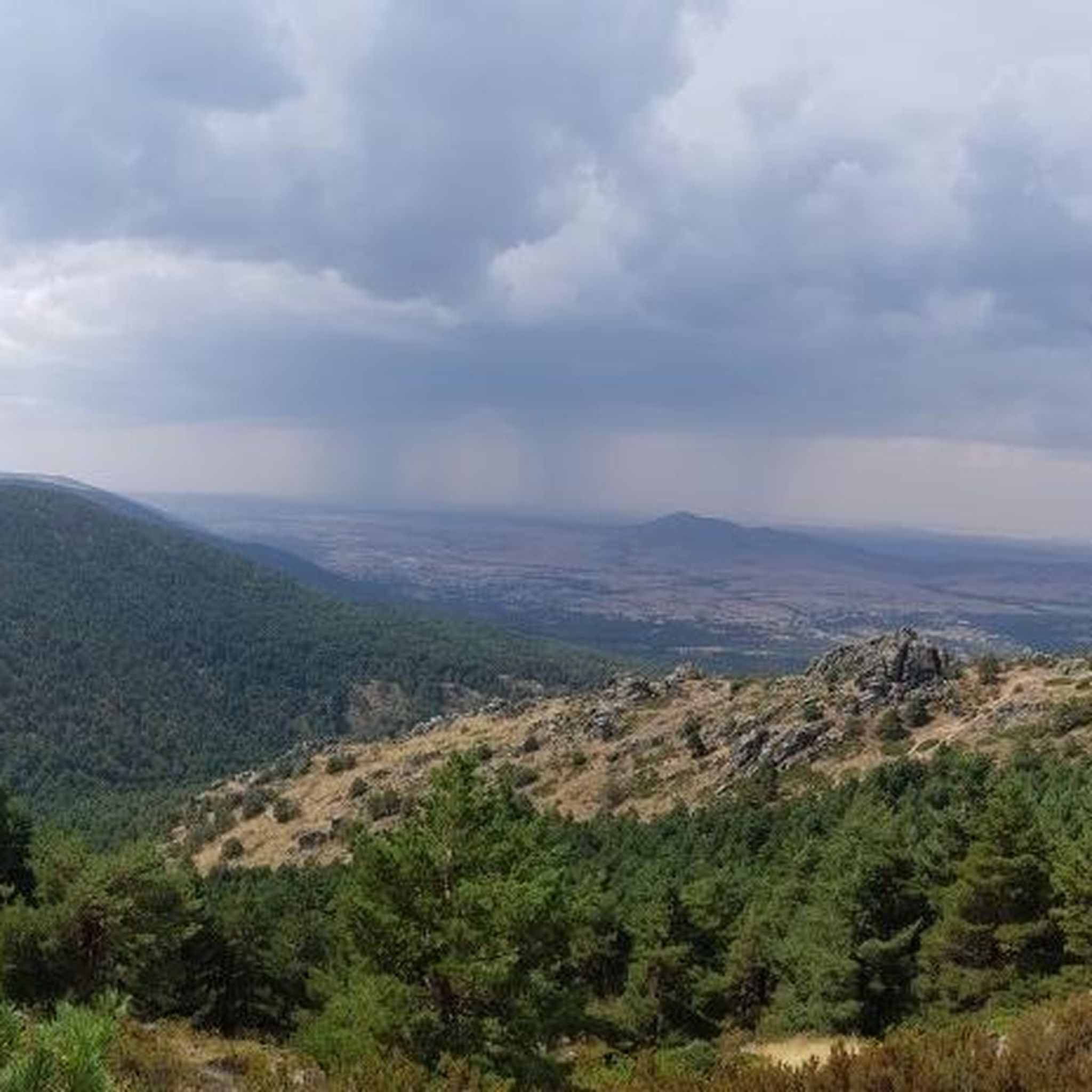
- Another must-see spot is Puerto de la Lancha, a mountain pass located in the Sierra de Guadarrama. This pass offers a challenging yet scenic route, connecting with La Cruz de Hierro port.
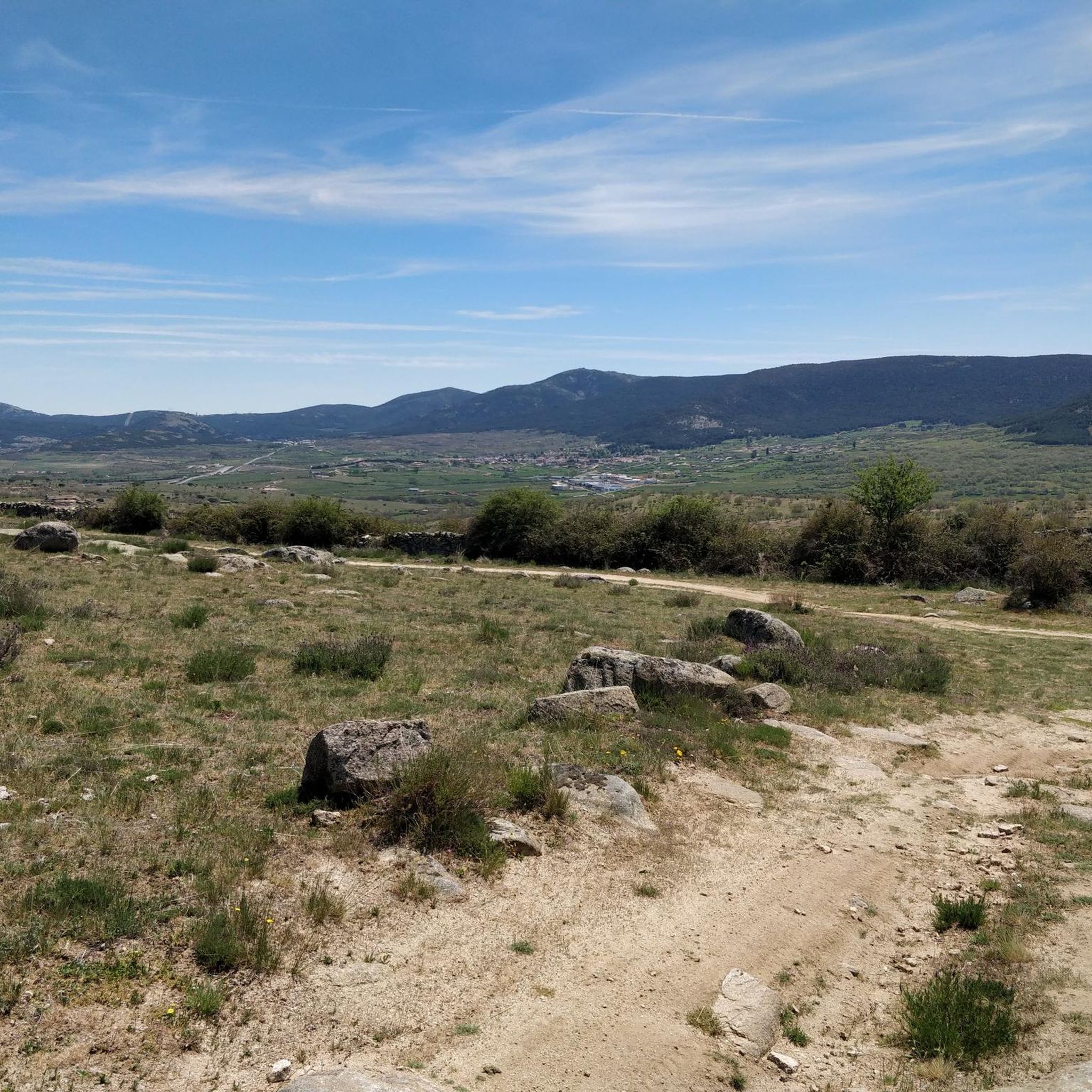
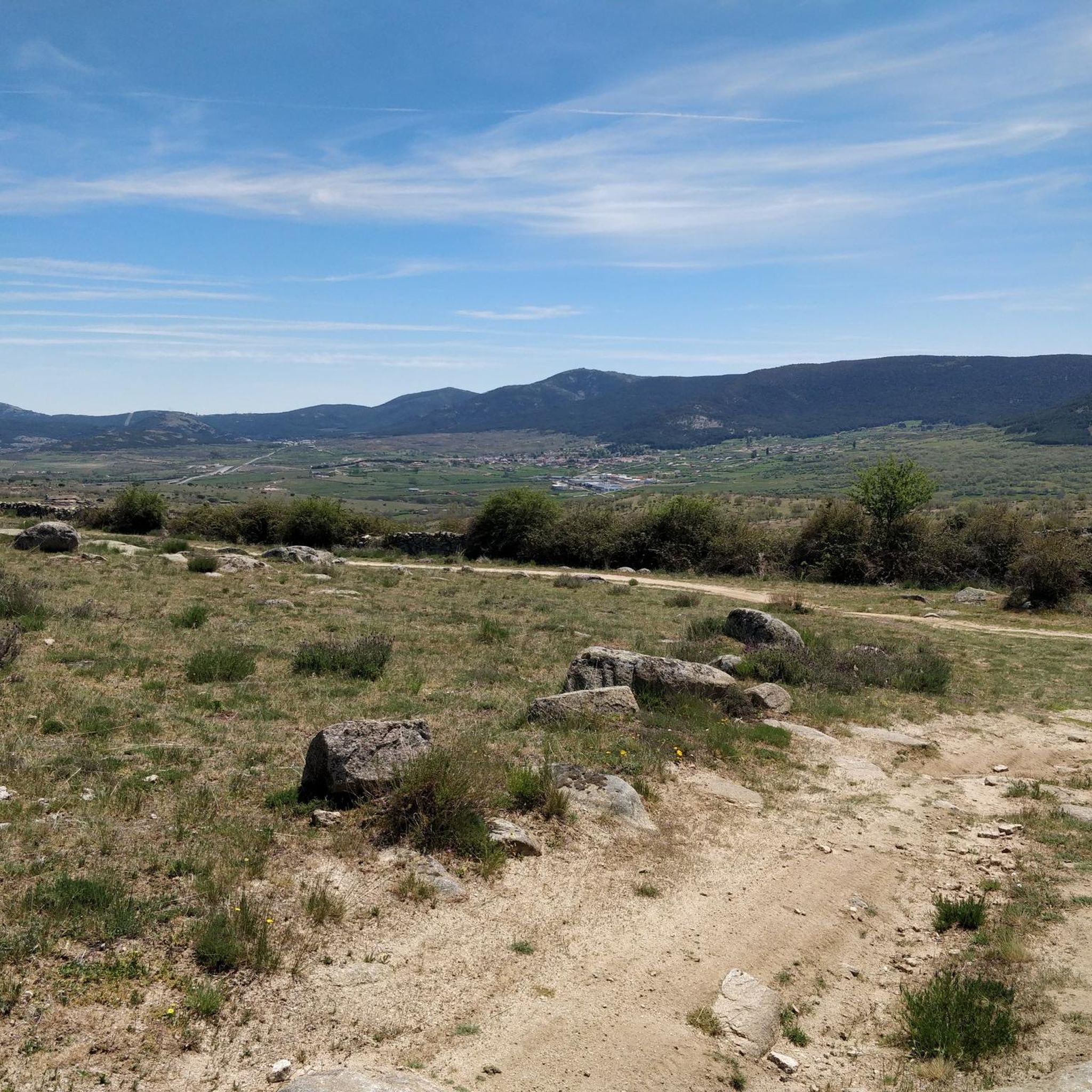
- Visitors also love Monument of the Three Provinces (Madrid, Segovia, and Ávila), a man-made monument marking a geographical meeting point. This site provides views, especially during spring and summer months.
- Villacastín is known for its historical landmarks, cultural sites, and natural features. The area offers a variety of attractions to see and explore, from ancient fountains to significant architectural works and natural viewpoints.
- The attractions around Villacastín are appreciated by the komoot community, with 17 upvotes and 4 photos shared by visitors.
Last updated: June 29, 2026
La Escondida
Highlight (Segment) • Cycleway
Translated by Google •
Tip by

Cueva Mingubela Rock Art
Highlight • Cave
If you are interested in visiting, it is important to note that the cave is only accessible on foot and the path can be quite steep, so it is advisable to bring a flashlight and seek precise directions from locals. Additionally, there are several hiking trails in the area, such as the circular trail from Ojos Albos that includes La Atalaya and Mingubela Cave.
Translated by Google •
Tip by

Sign up now to discover places like this
Get recommendations on the best single tracks, peaks, & plenty of other exciting outdoor places.
Sign up for free
Puerto de la Lancha
Highlight • Mountain Pass
Translated by Google •
Tip by
Monument of the Three Provinces (Madrid, Segovia, and Ávila)
Highlight • Monument
Translated by Google •
Tip by

Cañada Real Soriana Occidental
Highlight (Segment) • Trail
Translated by Google •
Tip by

Sign up for free to discover even more attractions around Villacastín.
Sign up for free
Already have an account?
Start today with a free account
Your next adventure awaits.
Login or Signup
Tips from the Community

Mingubela Cave, also known as Peña Mingubela, is a fascinating rock shelter located near the small village of Ojos Albos in Ávila, Spain. This site is known for its ancient cave paintings, which depict various figures, including warriors, some of whom are shown holding shields or in prayer positions. The cave is divided by a stone column, which adds to its unique structure. If you are interested in visiting, it is important to note that the cave is only accessible on foot and the path can be quite steep, so it is advisable to bring a flashlight and seek precise directions from locals. Additionally, there are several hiking trails in the area, such as the circular trail from Ojos Albos that includes La Atalaya and Mingubela Cave.
5
0

In Urraca-Miguel we enter Western Soriana and follow the Cañada Real to the streets of Ávila. The surface of the livestock trail is paved and reserved for pedestrians and cyclists, perfect for ending a fantastic day of mountain bike tourism. The ravine passes through Bernuy-Salinero, where the Prado de las Cruces dolmen is located, a notable site of the megalithic culture in Ávila declared a Site of Cultural Interest. The little road of the canyon crosses the hills of Canto Campanario and finally enters Ávila enjoying extraordinary views of the immense plain of the Chico and Cardiel rivers. We passed through the railway station, went up to the gates of the wall, photos and celebration of an unforgettable cycling day.
1
0
The crossing of the Malagón mountain range has several options and I look for livestock trails, forests, fountains and significant places that have roads with rights of way. Between Las Navas del Marqués and Navalperal de Pinares we continue halfway down the slope through the pastures of Cantos Gordos, with a strategic refreshment stop at the Fuente de Peña Cigüete. In summer it is essential to pass through hydration points along the route. In Navalperal de Pinares the yellow arrows of a Camino de Santiago appear but I do not discover the exact route and we follow our initial plan along the rural road that leads to the Navalperal reservoir, linking with the Cañada Real Leonesa on the edge of the reservoir. The climb up the ravine is beautiful, there is the little lake next to the road and in front of it is a splendid plain of mountain pastures populated by herds of cows and horses, an authentic image of the mountain ranges of Ávila. The rope of the mountain range is bristled with wind turbines that serve as a reference during the climb because it is about following the route of the royal ravine to the path of the modern “windmills”. The surface is complicated throughout the climb, they are mountain cattle trails with stones, ditches and grass areas that make pedaling difficult, especially for cyclists carrying gravel bicycles. On the other hand, along the gravel path of the mills the bicycles fly along the mountain range until the Valdi Wind Farm ends and a broken and steep section of track appears that connects with the Valdihuelo Wind Farm. The mountain crossing continues until the last wind turbine and after passing a new gate the descent towards Urraca-Miguel begins. Pay attention to the track on grassy meadows. The beginning of the descent is a fairly steep cattle track with water furrows and grass stumps, then it enters the pastoral plain of Peñaluenga and turns west along cow trails to a hill where it connects with the rural road that goes down to Urraca -Miguel.
1
0

On the other side of the Arroyo del Corral is this well-known cave where cave paintings are found. Just above it, we can find Peña de la Mora.
0
1
In the middle of the Sierra de Ojos Albos is a mountain at the foot of which, hidden, is this cave with ancient rock paintings. The peak is called Peña de la Mora and the cave in the direction of Arroyo del Corral Hondo.
2
0

In 1974 these exciting cave paintings were discovered, drawn by the different prehistoric populations that occupied the place. I leave the bike on the road to get closer to the paintings and see them closer and observe each of the details, as well as inform myself thanks to the panel that is in place.
1
0
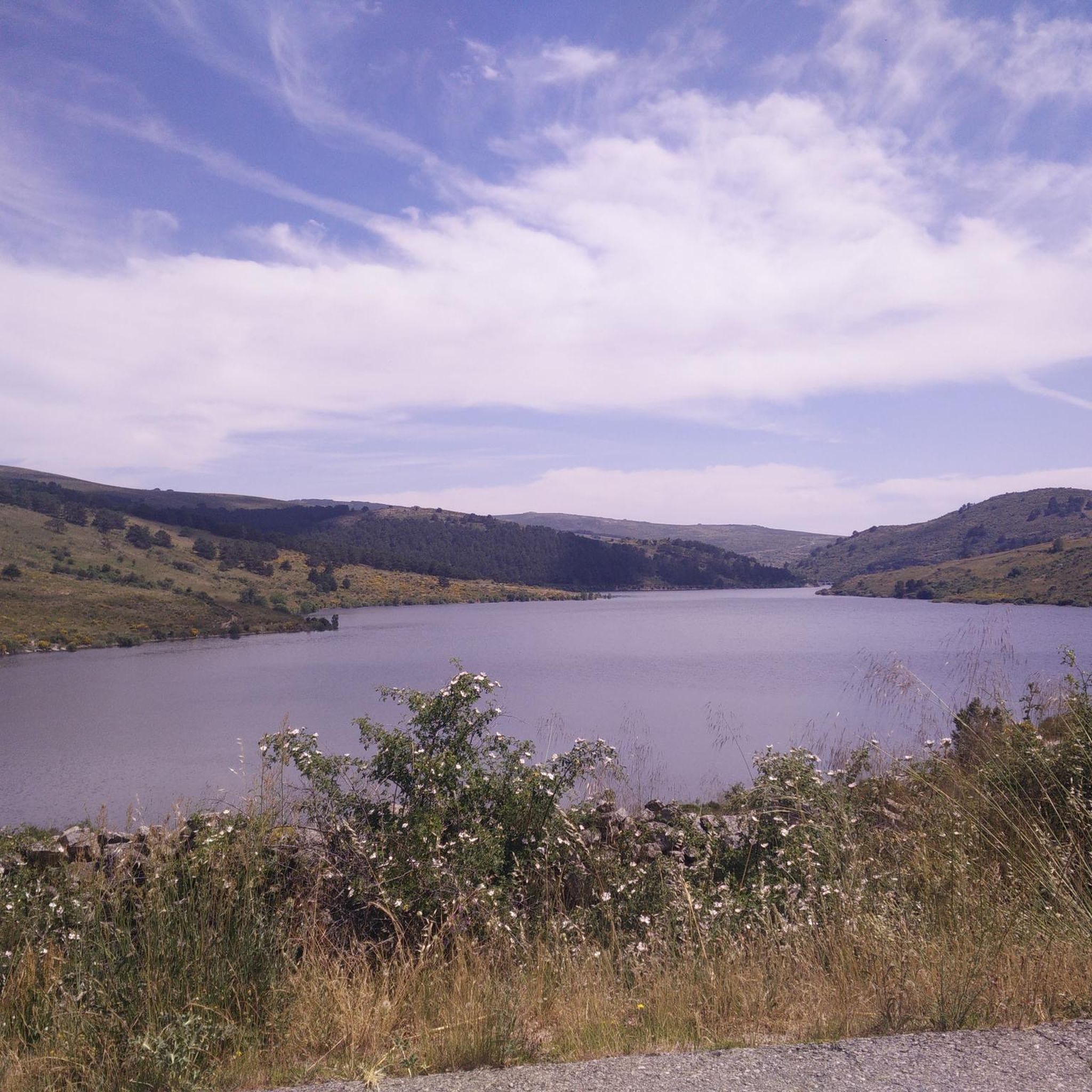
Beautiful mountain pass located in the Sierra de Guadarrama and joining La Cruz de Hierro port, together with La Lancha, create a tough but beautiful route!
0
0
A road that perplexes everyone who passes by bicycle, since it goes down, there was the nucleus of Valdemaqueda. The pine forests converge in a typical landscape of these areas of the plateau.
0
0
Frequently Asked Questions
What historical landmarks can I explore in Villacastín?
Villacastín is rich in history. You can visit the impressive Church of San Sebastián, often called 'the Cathedral of the Sierra,' with its Gothic interior and Herrerian exterior. The Town Hall in Plaza Mayor, built with Castilian arches, is another significant historical building. Don't miss the various palaces like the Palace of Madrazo and the Monastery of Nuestra Señora de Los Ángeles (Convento de Santa Clara), known for its elegant Herrerian architecture.
Are there any ancient or unique monuments to see in Villacastín?
Yes, Villacastín features several unique monuments. The Menhir of Villacastín is an impressive 13.13-meter tall monolith, recognized as the largest hand-cut stone in Europe, celebrating the town's quarrying heritage. You can also find the Monumento a la Cigüeña (Stork Monument) and the Monolith to Fray Antonio de Villacastín, honoring key figures and symbols of the area.
What natural viewpoints or scenic spots are there around Villacastín?
For scenic views, head to Puerto de la Lancha, a beautiful mountain pass in the Sierra de Guadarrama offering challenging yet scenic routes. Another great spot is Mirador del Canchal, located on a rock plateau, providing fantastic panoramic views of the surrounding fields. The Hermitage of Santo Cristo del Valle also offers panoramic views of the town.
Where can I find historical fountains in Villacastín?
Villacastín has several historic fountains. The Fountain of San Juan is believed to have Roman origins, while the Medieval Fountain Los Caños, with its four spouts, gives its name to the Plaza de los Caños and is surrounded by other historic houses.
What outdoor activities, like cycling, can I do near Villacastín?
The area around Villacastín is great for cycling. You can explore routes like 'Puertos de la Lancha y de la Cruz de Hierro' or 'Dehesa Boyal and Valtravieso Reservoir Loop'. For more options, check out the Road Cycling Routes around Villacastín and Cycling around Villacastín guides.
Are there any hiking or running trails available near Villacastín?
Yes, there are several trails for hiking and running. The Cañada Real Soriana Occidental offers a path with great views, suitable for cycling and walking. You can also find various running loops, such as those starting from Urbanización la Cerca Nueva or Zarzuela del Monte. For more detailed routes, refer to the Running Trails around Villacastín guide.
What is the significance of the Plaza Mayor and Plaza del Esquileo in Villacastín?
The Plaza Mayor is notable for its historic Town Hall and numerous old houses adorned with coats of arms, reflecting Villacastín's glorious past. The Plaza del Esquileo commemorates the town's prosperous history as a center for merino wool production, highlighting its traditional shepherd, shearer, and weaver professions.
What is the Monument of the Three Provinces and what does it offer?
The Monument of the Three Provinces (Madrid, Segovia, and Ávila) is a unique man-made monument marking the geographical meeting point of these three provinces. It's a beautiful site, especially in spring and summer, offering very nice views of the surrounding landscape.
What do visitors particularly enjoy about the attractions around Villacastín?
Visitors appreciate the diverse landscape and the unique experiences. For instance, La Escondida is a cycle way through pine forests that often surprises cyclists with its downhill sections. The mountain passes like Puerto de la Lancha are loved for their challenging yet beautiful routes and scenic views.
Are there any religious sites or hermitages to visit in Villacastín?
Beyond the main Church of San Sebastián, Villacastín is home to several historic hermitages. These include the Hermitage of Virgen del Carrascal (1595), the Hermitage of los Esclavos, the Hermitage of Caridad (1751), and the Hermitage of Cristo de la Veracruz. The Hermitage of Santo Cristo del Valle is particularly noteworthy for its Mudejar-style coffered ceiling and panoramic views.
What is the best time of year to visit Villacastín for outdoor activities?
The region around Villacastín, situated at an altitude of 1,100 meters, offers fresh air and opportunities for nature excursions. The Monument of the Three Provinces is noted to be especially beautiful during spring and summer months, suggesting these seasons are ideal for enjoying the outdoors and scenic views.
What kind of natural landscapes can I expect to see around Villacastín?
Villacastín is located in a region known for its natural beauty, including 2,400 hectares of public utility mountain land. You can expect to see pine forests (Pinar Grande and Pinar Chico), as well as areas with oaks and holm oaks. The town is also a good base for exploring the wider Sierra de Guadarrama, and the historic Cañada Real Leonesa Oriental passes nearby.
Most popular attractions around Villacastín

Get inspired with the komoot mobile app


Explore more
Still not found the Highlight you’re looking for? See guides of the top attractions in other regions:
