Attractions and Places To See around Velilla De Cinca - Top 12
Best attractions and places to see around Velilla De Cinca, a municipality in the Bajo Cinca comarca of Huesca, Aragon, offers a blend of historical sites, natural beauty, and cultural points of interest. The area is characterized by the Cinca River, which influences its natural landscape and extensive agricultural lands. Visitors can explore ancient religious buildings, enjoy scenic river landscapes, and discover remnants of its rich past.
Best attractions and places to see around Velilla De Cinca
- The most popular…
Last updated: July 2, 2026
Fraga
Highlight • Settlement
Translated by Google •
Tip by

Cinca River
Highlight • River
Translated by Google •
Tip by

Sign up now to discover places like this
Get recommendations on the best single tracks, peaks, & plenty of other exciting outdoor places.
Sign up for free
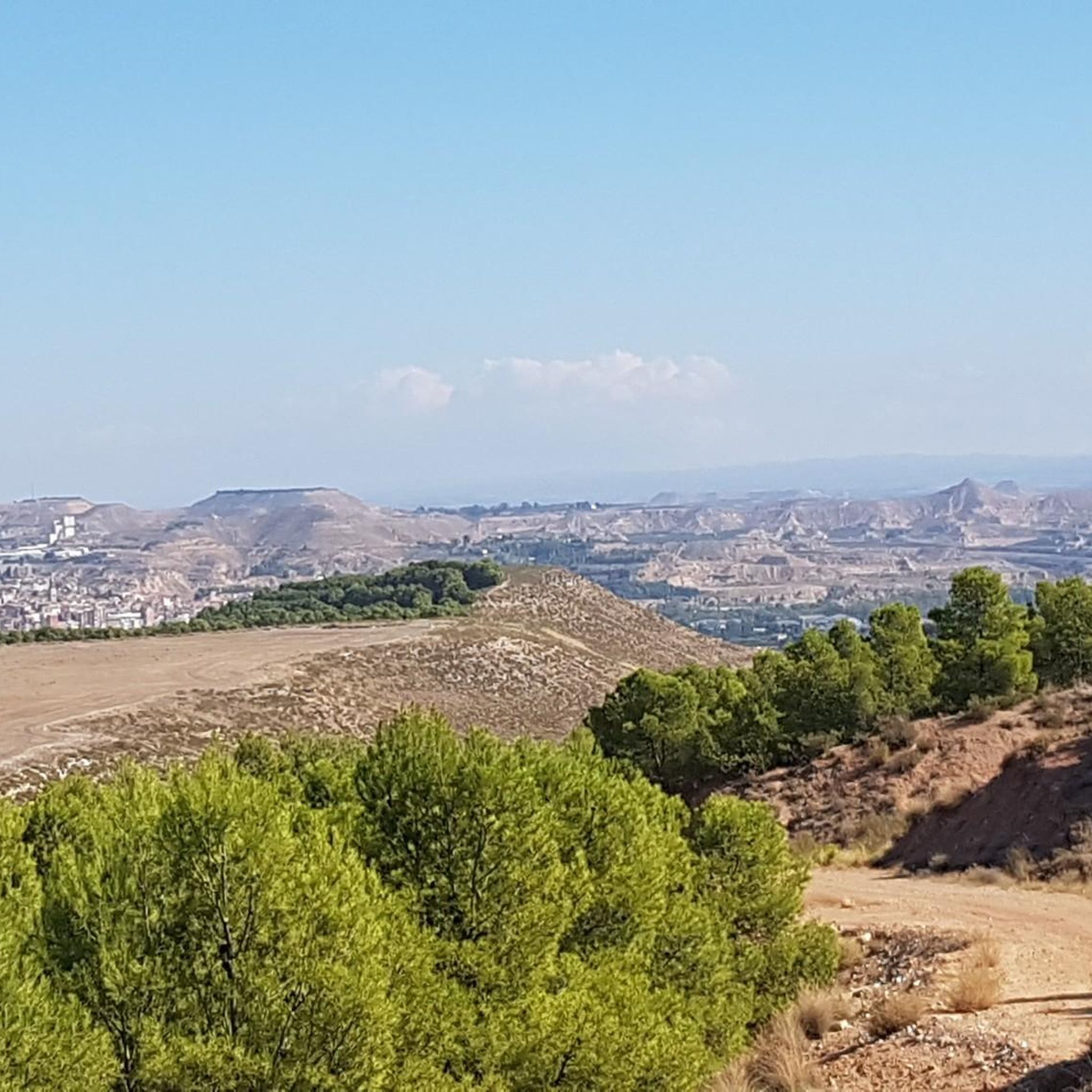
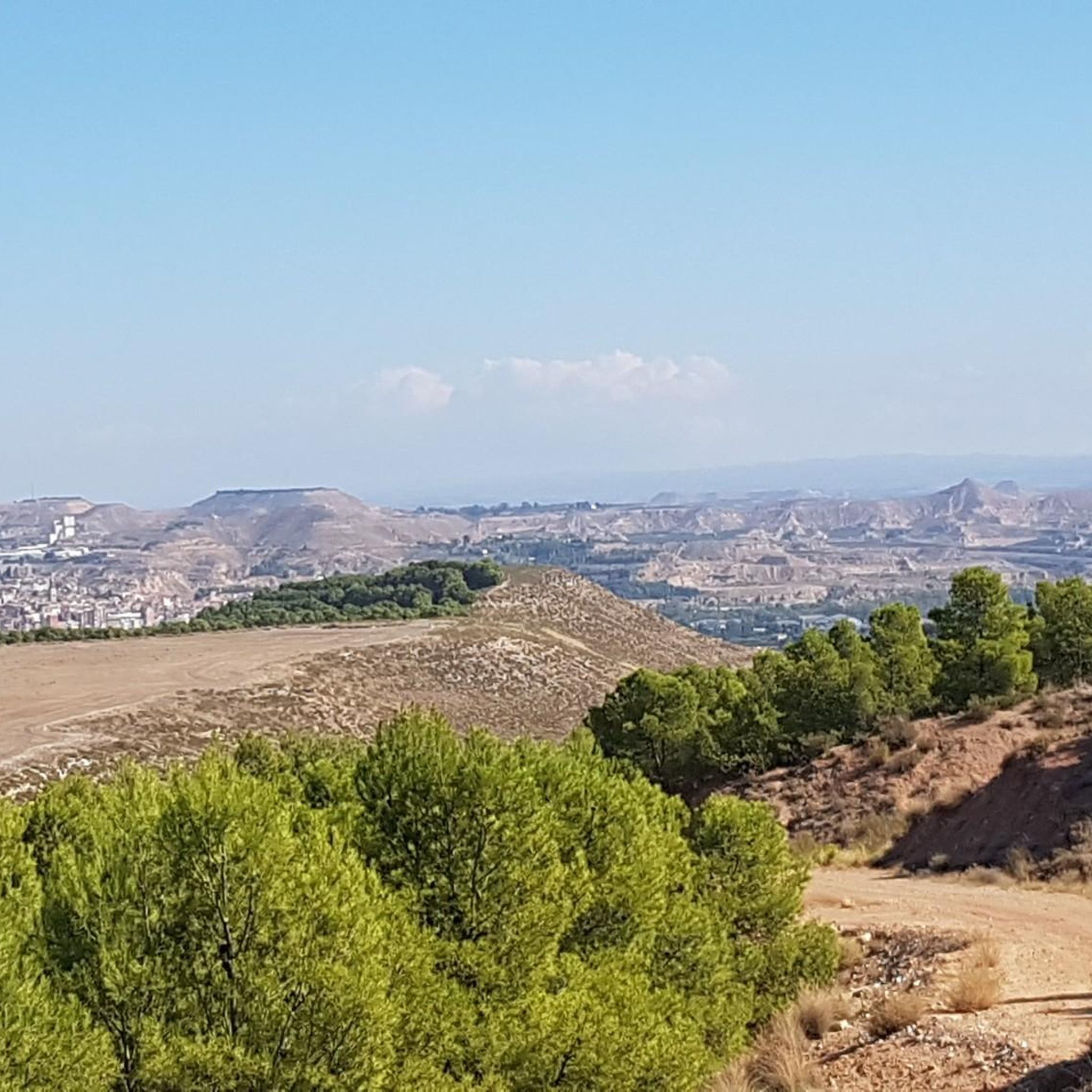
View of the city of Fraga
Highlight • Viewpoint
Translated by Google •
Tip by

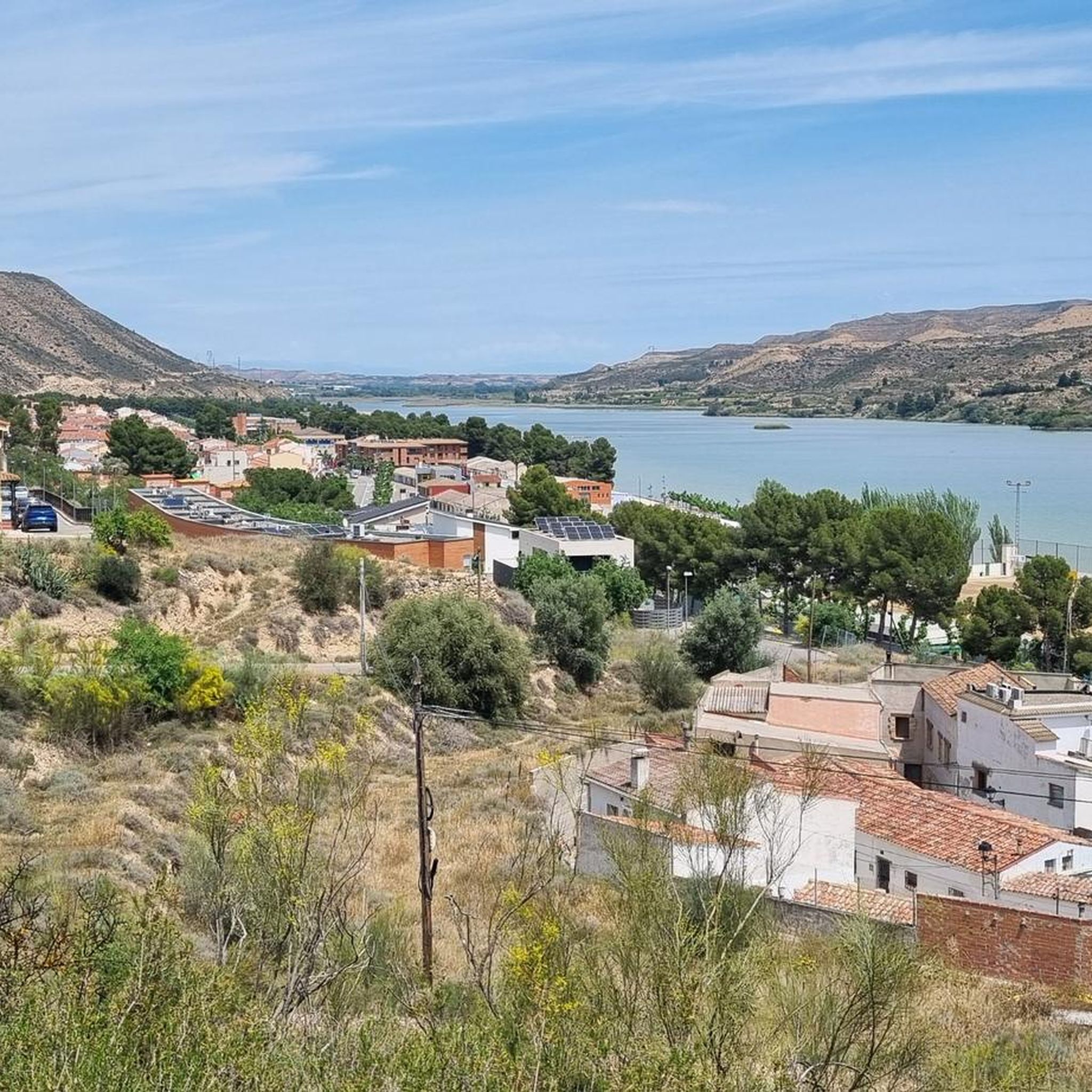
San Martín Church, Chalamera
Highlight • Religious Site
Translated by Google •
Tip by
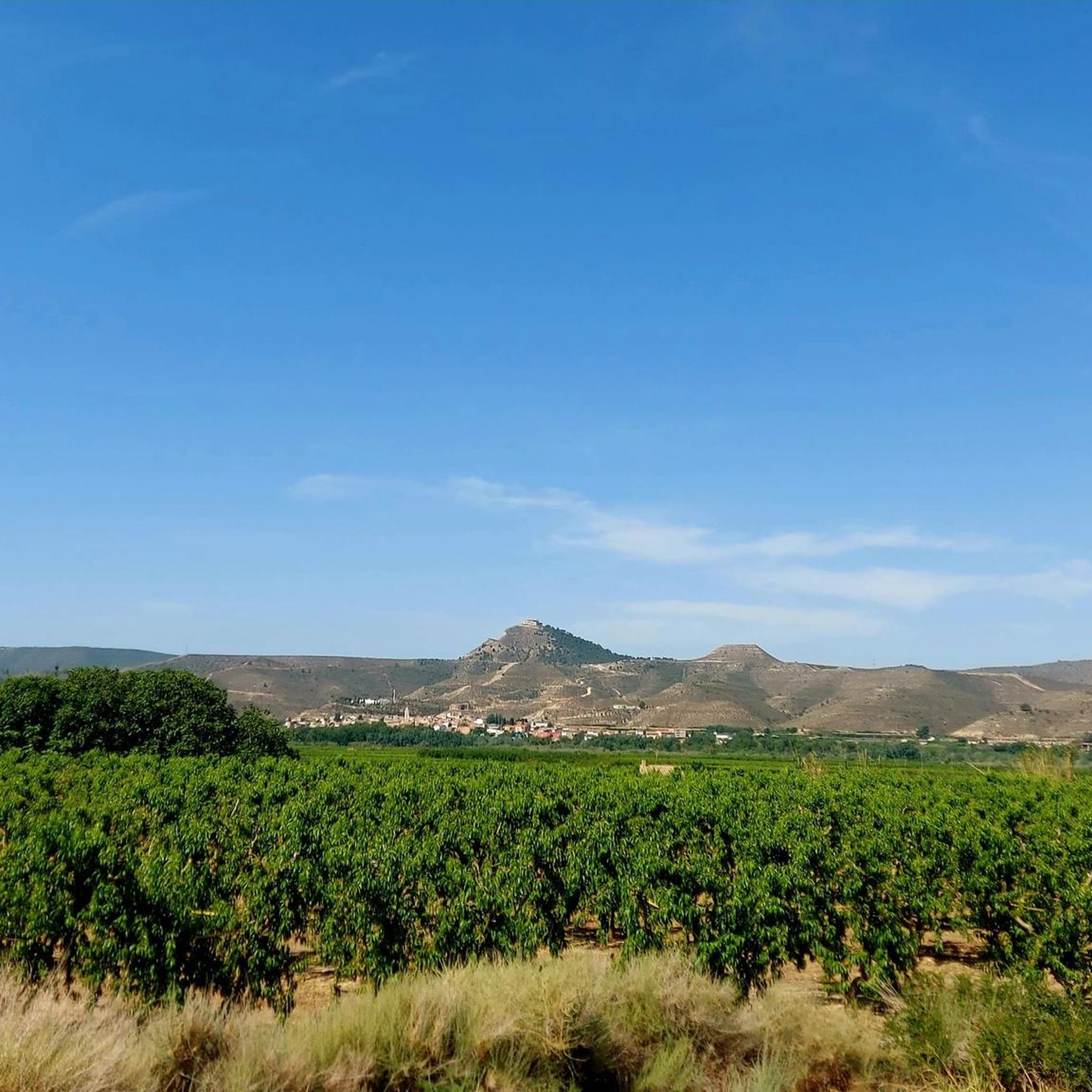
Arid and agricultural landscape
Highlight • Natural
Translated by Google •
Tip by
Sign up for free to discover even more attractions around Velilla De Cinca.
Sign up for free
Already have an account?
Start today with a free account
Your next adventure awaits.
Login or Signup


Tips from the Community

The landscape around Fraga is full of contrasts. On the one hand, you see an arid and barren-looking terrain. On the other, the numerous fruit plantations that are irrigated with the waters of the Cinca.
0
0
Fraga is the capital of the Bajo Cinca region, which passes through it shortly before flowing into the Ebro. Its historic center is full of history. Above all, the church of San Pedro stands out, which was a Muslim mosque and which preserves the Romanesque capitals. In addition, it has Roman buildings and buildings from other periods. Its municipal area, one of the largest in Spain, is home to fruit and vegetable crops in irrigated areas, and almond trees, olive trees and sunflowers in dryland areas. Thanks to its proximity to the N-II highway and the A-2 highway, in addition to being on the border with Catalonia, it makes it an important logistics center.
0
0

As the Cinca River passes through the city of Fraga, we find a couple of bridges that help both sides of the city of Fraga cross to the other side of the river.
0
0
From this elevated area of the city, you can see the whole of Fraga and from afar, how the Río Cinca crosses it and, from afar, the Monegros mountains.
0
0
A town located on the border between Aragon and Catalonia and surrounded by the Río Cinca with its church, the Iglesia de San Martín, Chalamera, dominating the small town.
1
0

Church in Fraga with beautiful views from above.
0
0
Frequently Asked Questions
What historical sites can I explore in and around Velilla de Cinca?
Velilla de Cinca is rich in history. You can visit the Ermita de San Valero, built over a 1st-century Roman mausoleum, showcasing Romanesque, Gothic, and Mudéjar styles. The Iglesia de San Lorenzo features a baroque facade and a Mudéjar bell tower. The town also preserves a Medieval Mill where water still turns its paddles. Nearby, the capital of Bajo Cinca, Fraga, boasts a historic center with the notable San Pedro church, originally a Muslim mosque with Romanesque capitals.
Are there any natural attractions or scenic spots to visit?
Absolutely. The Cinca River is central to the natural landscape, offering conditioned paths for walks or bike rides, and a pier for relaxation. You can also observe the contrasting Arid and agricultural landscape around Fraga, with extensive fruit orchards irrigated by the Cinca. For panoramic views, head to Los Castellassos, the highest point in the area, or the View of the city of Fraga, which offers vistas of the city and the river.
What outdoor activities are available near Velilla de Cinca?
The region is ideal for outdoor enthusiasts. You can enjoy walks or bike rides along the Cinca River. For more structured activities, there are numerous routes for mountain biking, running, and road cycling. For example, you can find various MTB Trails around Velilla De Cinca, Running Trails around Velilla De Cinca, and Road Cycling Routes around Velilla De Cinca, ranging from moderate to difficult.
Are there family-friendly attractions in the area?
Yes, several attractions are suitable for families. Exploring the historic center of Fraga offers an educational walk through history. The conditioned paths along the Cinca River are perfect for leisurely family strolls or bike rides. The Mar de Aragón, located nearby, provides opportunities for water sports and relaxation by the shore, which can be enjoyable for all ages.
What is the best time of year to visit Velilla de Cinca for outdoor activities?
The region experiences hot summers, so spring and autumn are generally the most pleasant seasons for outdoor activities like hiking, cycling, and exploring historical sites. During these times, the temperatures are milder, making it more comfortable to enjoy the natural landscapes and agricultural areas.
Can I find traditional architecture in Velilla de Cinca?
Yes, the town of Velilla de Cinca itself preserves good examples of traditional architecture. You can observe stone houses with clay tiles, charming cobbled streets, and interior patios. Arched doorways and colorful facades contribute to the rural charm of the buildings.
What kind of landscapes can I expect to see around Velilla de Cinca?
The landscape around Velilla de Cinca is characterized by striking contrasts. You'll find extensive agricultural lands, particularly irrigated fruit orchards (peaches, nectarines, pears, cherries, plums, and apples) along the Cinca River, which stand in stark contrast to the arid, seemingly barren dryland cereal crops on the plains above the river valley. This creates a unique visual experience.
Where can I find a good viewpoint to see the area?
For excellent views, visit the View of the city of Fraga. From this elevated spot, you can see the entire city of Fraga, the Cinca River winding through it, and even the distant Monegros mountains. Another high point offering panoramic views is Los Castellassos, where an ancient Iberian fortification once stood.
Are there any religious buildings of note besides the main church?
Beyond the Iglesia de San Lorenzo in Velilla de Cinca, the Ermita de San Valero is a significant religious site with deep historical roots, built over a Roman mausoleum. Additionally, the San Martín Church in Chalamera, located on the border between Aragon and Catalonia, is another notable religious building dominating its small town.
What role does the Cinca River play in the region?
The Cinca River is vital to Velilla de Cinca and the surrounding area. It shapes the natural landscape, provides water for the extensive fruit orchards, and offers recreational opportunities like walking and cycling paths. It also passes through Fraga, where several bridges connect parts of the city.
What is unique about the Ermita de San Valero?
The Ermita de San Valero is particularly unique because it was built directly over a 1st-century Roman mausoleum, making it the oldest Roman mausoleum in Aragón. You can still see remains of the original Roman structure, including the podium and parts of its walls. Its architecture is a fascinating blend of Romanesque with Gothic influences, topped by a Mudéjar-style brick bell tower.
Can I find places for water sports near Velilla de Cinca?
Yes, the Mar de Aragón, an extensive body of water located near Velilla de Cinca, is an excellent spot for water sports. Visitors can enjoy activities such as sailing and canoeing, and its shores also provide opportunities for relaxation.
Most popular routes around Velilla De Cinca

Get inspired with the komoot mobile app


Explore more
Still not found the Highlight you’re looking for? See guides of the top attractions in other regions:
