Attractions and Places To See around Cabuérniga - Top 20
Best attractions and places to see around Cabuérniga are found within the Saja-Besaya Natural Park in Cantabria, Spain. This region is characterized by its natural beauty, historical sites, and cultural experiences. Visitors can explore charming villages, ancient forests, and significant landmarks that showcase the area's heritage. The valley offers a diverse landscape of grasslands, beech, oak, and holly forests.
Best attractions and places to see around Cabuérniga
- The most popular attractions is San Esteban Hermitage (Monte Corona), a religious…
Last updated: July 7, 2026
El Moral Plateau
Highlight • Viewpoint
Translated by Google •
Tip by

Fuentona de Ruente Bridge
Highlight • Bridge
Translated by Google •
Tip by

Sign up now to discover places like this
Get recommendations on the best single tracks, peaks, & plenty of other exciting outdoor places.
Sign up for free
Fallen Oak of Brujilices
Highlight • Natural Monument
Translated by Google •
Tip by

Bárcena Mayor
Highlight • Settlement
Translated by Google •
Tip by

Lamiña Waterfalls
Highlight • Waterfall
The waterfalls are located in the …
Translated by Google •
Tip by
Sign up for free to discover even more attractions around Cabuérniga.
Sign up for free
Already have an account?
Start today with a free account
Your next adventure awaits.
Login or Signup
Tips from the Community

Good place to recharge alone or with family. I went on a weekend and it was absolute peace.
0
0

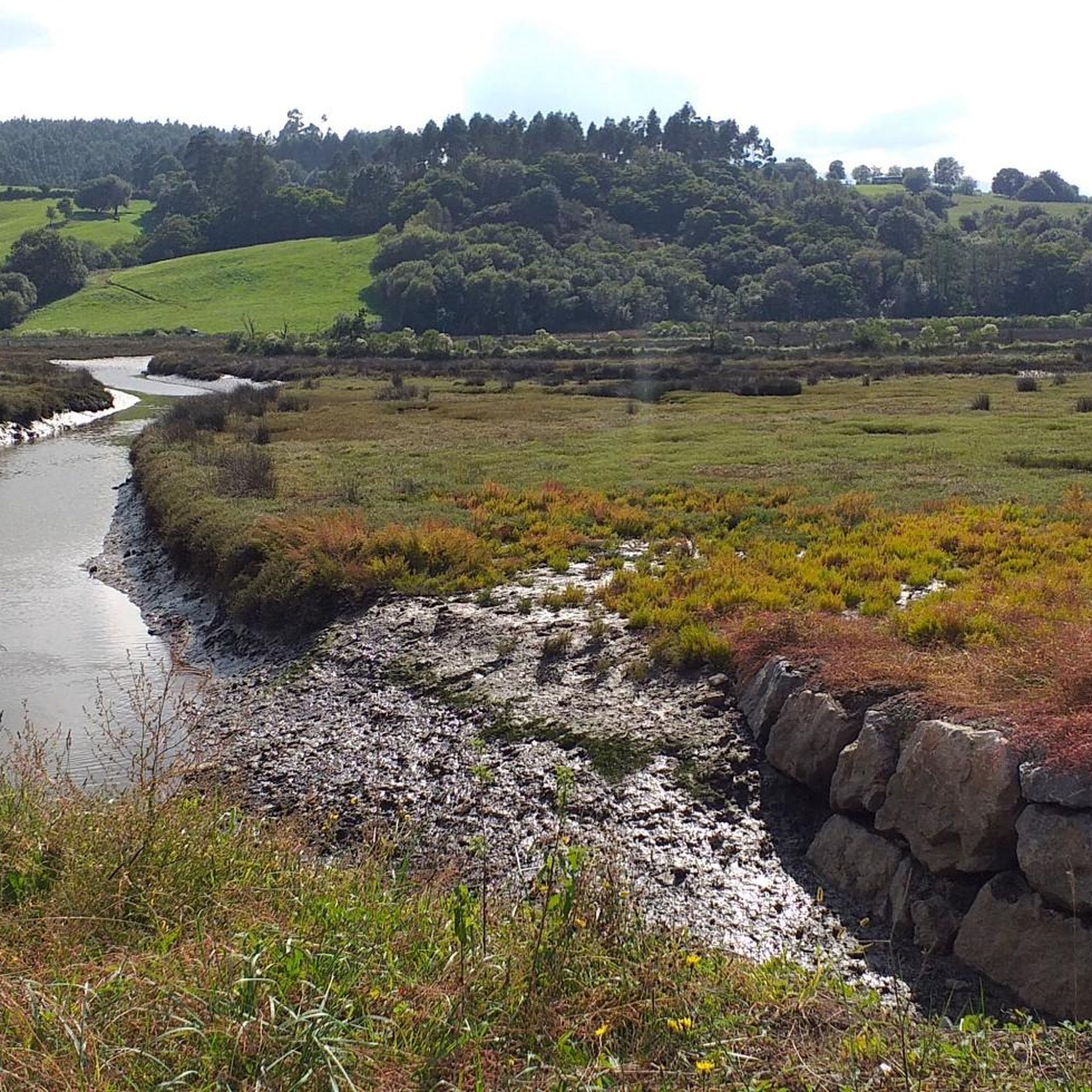
Whenever I pass by here, even by car, I take a look at this beautiful bridge.
1
0

Added to the collection: komoot.com/de-de/collection/3600632/-naturdenkmaeler-besondere-baeume-und-weitere-schaetze-der-natur
0
0

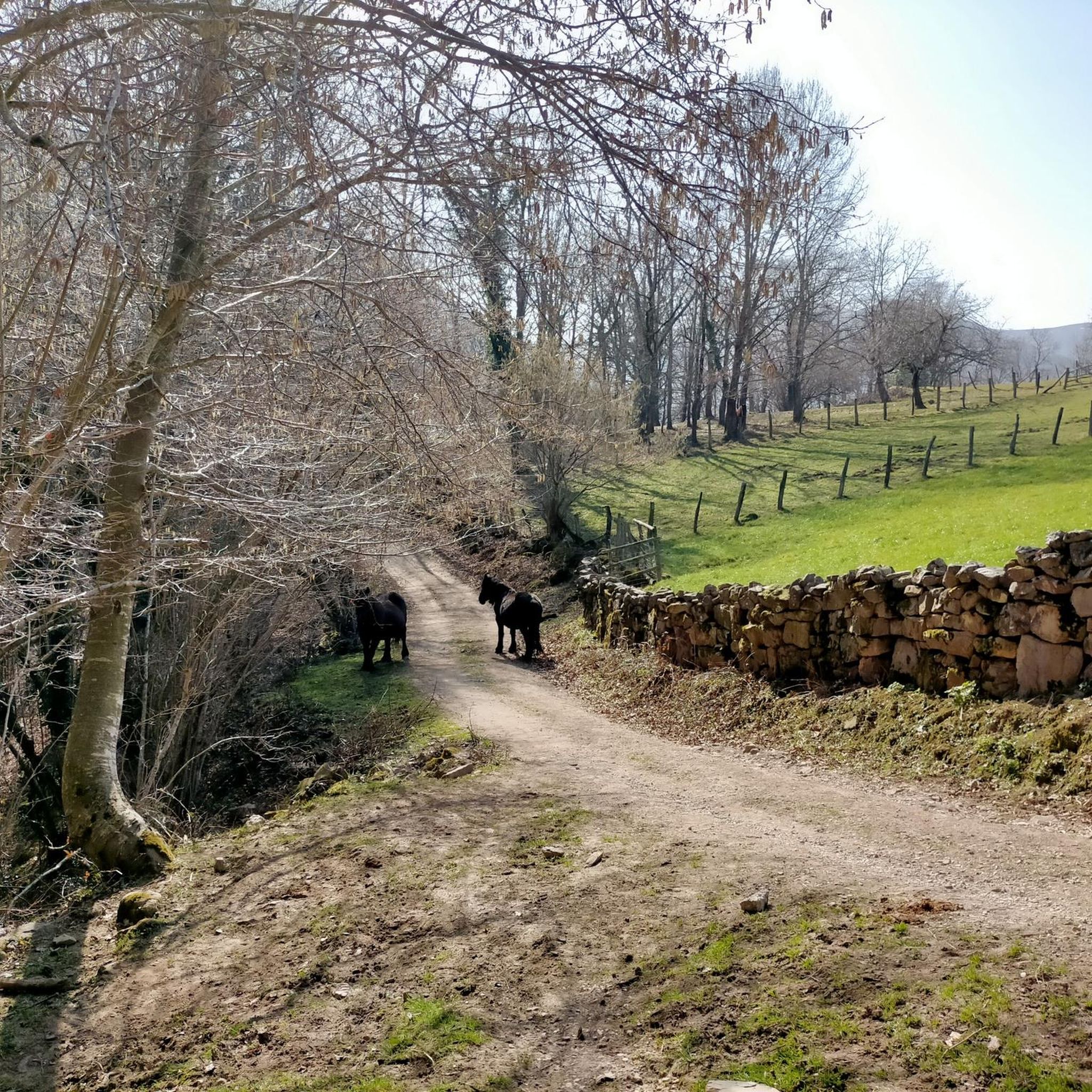
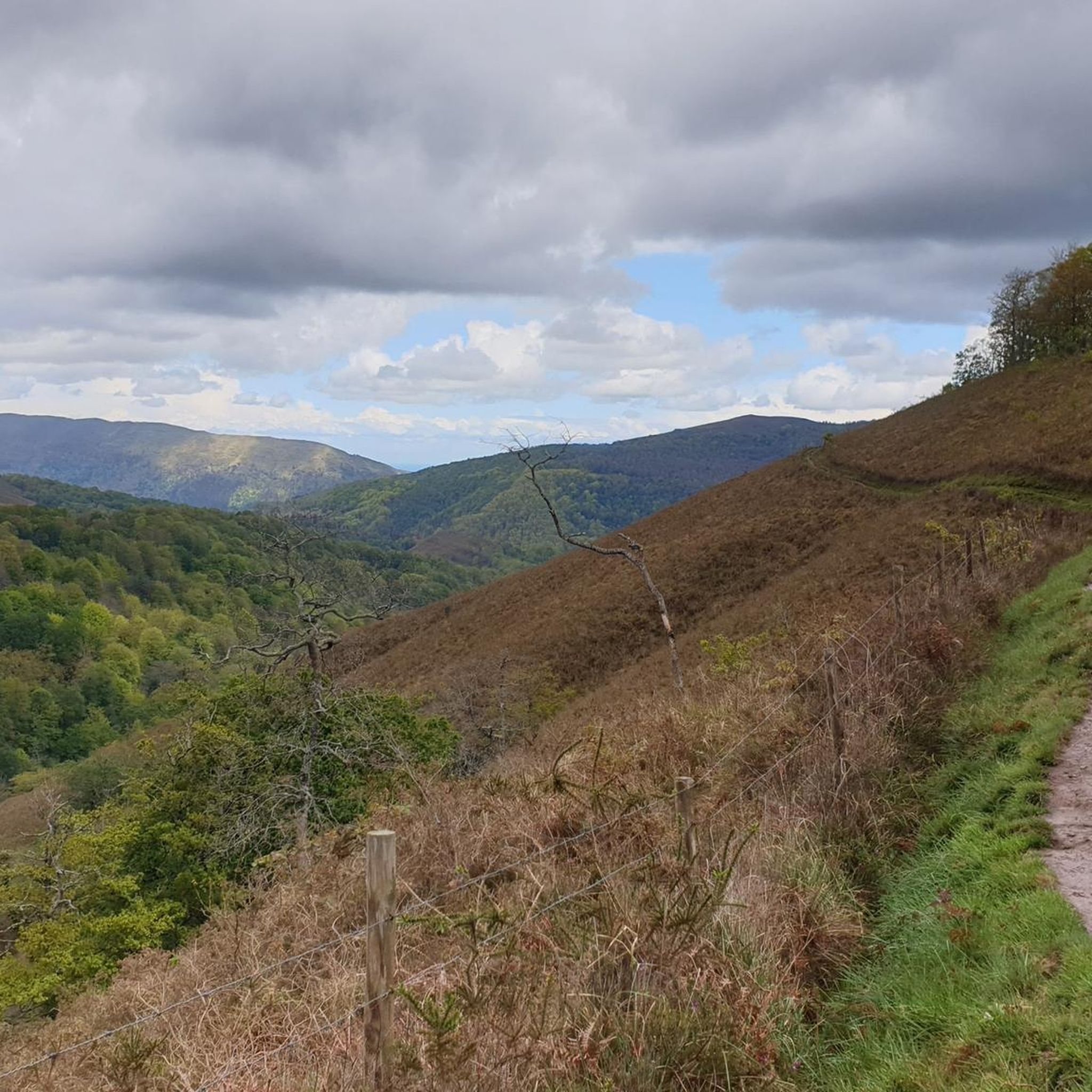
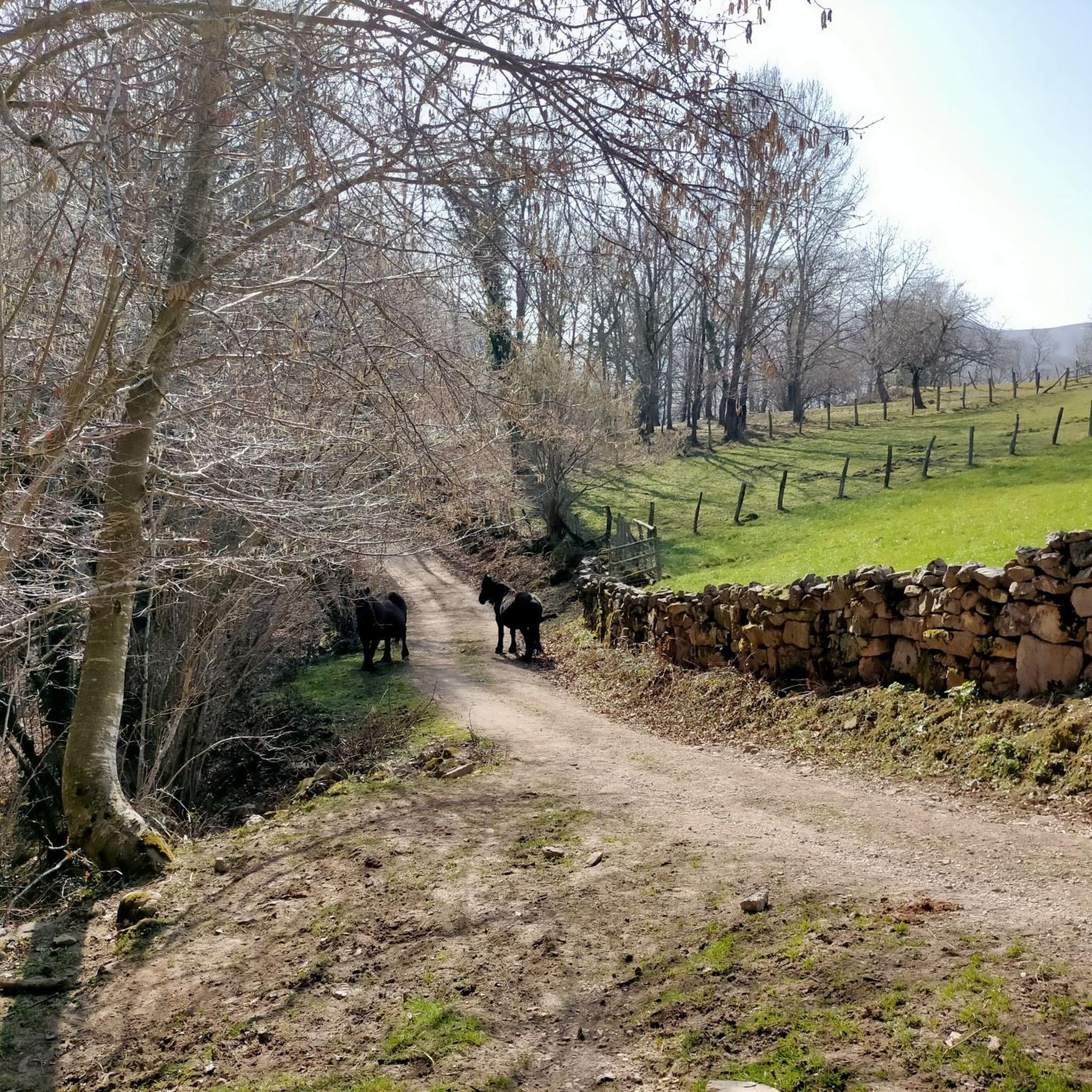
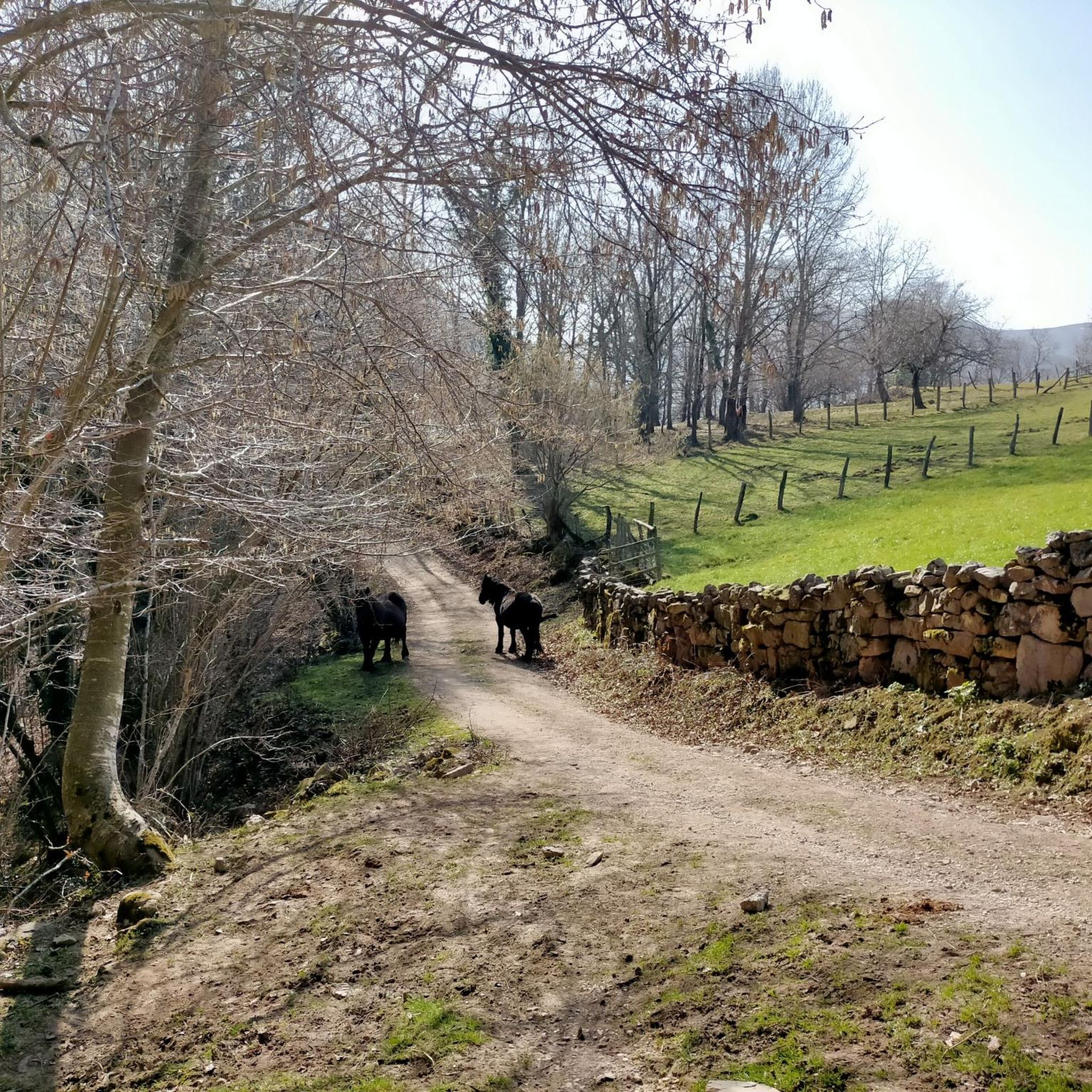
After a beautiful gravel climb, you reach this plateau with stunning views (including the Picos de Europa in the distance). The path then continues for a long time at altitude, with many cows and horses. Take a look: https://www.youtube.com/watch?v=OgEcgF17RDw
0
0
Indeed, a beautiful spot with breathtaking views, both towards the Picos de Europa and other Cantabrian mountains. The (gravel) road there is also stunning; just take a look: https://www.youtube.com/watch?v=OgEcgF17RDw
0
0
And it's also the starting point for a ton of really cool routes.
2
0

The Bujilices "Tumbao" Oak, located in Ucieda (Ruente) within the Saja-Besaya Natural Park, is one of Cantabria's most unique and magical trees. The tree fell under the weight of snow and wind at the end of the 19th century, but it didn't die. Four vertical branches sprouted from the fallen trunk, developing as if they were independent trees, creating a unique and spectacular shape.
2
0
Frequently Asked Questions
What natural features and viewpoints can I explore in Cabuérniga?
Cabuérniga, largely situated within the Saja-Besaya Natural Park, offers diverse natural beauty. You can visit El Moral Plateau, a high mountain area with expansive landscapes and a hermitage. For stunning panoramas, head to San Esteban Hermitage (Monte Corona), which provides views of the sea, San Vicente de la Barquera, and the Picos de Europa on clear days. Other notable natural spots include the unique Fallen Oak of Brujilices, a singular tree within the Vados River Forest, and the picturesque Lamiña Waterfalls near Barcenillas. The Coallada de Carmona and Llendemozó Viewpoint also offer splendid vistas of the valley and mountains.
Are there any historical or culturally significant sites to visit in the Cabuérniga Valley?
Yes, the valley is rich in history and culture. Bárcena Mayor is a must-see, recognized as a Historic-Artistic Site since 1979 for its well-preserved mountain-style houses. The village of Carmona is also a Historic-Artistic Site, known for its 16th to 18th-century architecture and the Rubín de Celis Palace. In Valle, the capital, you'll find the Historical Complex of Terán, featuring 19th-century schools and the 18th-century Church of St. Eulalia. Don't miss the "José María de Cos" Ecomuseum in Valle, which showcases the valley's ethnographic traditions and agricultural history.
What are some family-friendly attractions in Cabuérniga?
Families can enjoy several spots in Cabuérniga. The Fuentona de Ruente Bridge area is popular, with a beautiful park surrounding the famous intermittent spring, perfect for a picnic. The Fallen Oak of Brujilices offers an interesting natural wonder for children to discover. Many of the charming villages like Bárcena Mayor are pleasant for family strolls, offering a glimpse into traditional Cantabrian life.
Where can I find unique natural monuments or trees in the area?
Cabuérniga is home to several unique natural monuments. The Fallen Oak of Brujilices, also known as "Roble Tumbao," is a cataloged "singular tree of Cantabria." This ancient oak famously fell but continued to grow, with four new branches sprouting from its original trunk. Another significant green space is La Castañera of Terán, populated by numerous ancient chestnut trees, including the famous "Cuatro Patas" and other centenarian specimens like "El Plane" and "The Pot," also listed in the Inventory of Singular Trees of Cantabria.
Are there opportunities for outdoor activities like cycling around Cabuérniga?
Yes, Cabuérniga offers excellent opportunities for cycling. You can find various routes for different cycling disciplines. For mountain biking, consider routes like the "Ucieda Parking with Fountain – El Moral Hermitage loop from Ruente." Road cyclists can enjoy scenic rides such as the "Piedrasluengas and Collado de Hoz Loop." If you prefer touring, the "Bárcena Mayor and Balcón de Cardosa from Correpoco" route through the Saja-Besaya Natural Park is a great option. You can find more details on these and other cycling routes in the Cycling around Cabuérniga guide.
What are the best places to experience traditional Cantabrian architecture?
To experience traditional Cantabrian architecture, visit the villages of Carmona and Bárcena Mayor. Carmona is renowned for its well-preserved 16th to 18th-century mountain architecture, including traditional mansions. Bárcena Mayor, a Historic-Artistic Site, is known for its typical mountain-style houses, which are beautifully restored and cared for. Valle, the capital, and Renedo also boast significant architectural wealth.
What is the Saja-Besaya Natural Park and what can I do there?
The Saja-Besaya Natural Park is the largest natural park in Cantabria, covering 24,500 hectares, and much of Cabuérniga lies within it. It's a Site of Community Interest and a Special Protection Area for Birds. The park features diverse ecosystems including grasslands, beech, oak, and holly forests. Visitors can explore its many trails, enjoy recreational areas, and visit interpretation centers. It's an ideal place for hiking, wildlife observation, and experiencing the region's natural beauty.
Can I find any unique local crafts or traditions in Cabuérniga?
Cabuérniga maintains strong traditions, particularly in wooden craftsmanship. The village of Carmona was historically known for its "Albarqueros," artisans who crafted traditional wooden footwear called *albarcas*. You can learn more about the valley's ethnographic traditions, crafts, and customs at the "José María de Cos" Ecomuseum in Valle de Cabuérniga.
What kind of hiking trails are available near Cabuérniga?
The Saja-Besaya Natural Park, encompassing Cabuérniga, offers a variety of hiking trails. While specific trails are not detailed here, the region's landscape of forests, plateaus, and river valleys provides numerous opportunities for walks of varying difficulty. For more detailed information on routes, you can explore the MTB Trails around Cabuérniga guide, which also covers general outdoor activities in the area.
What do visitors enjoy most about the attractions around Cabuérniga?
Visitors particularly appreciate the stunning panoramic views from spots like San Esteban Hermitage (Monte Corona) and El Moral Plateau. The well-preserved traditional architecture and charm of villages like Bárcena Mayor are also highly praised. Many enjoy the tranquility and natural beauty of sites such as the Fuentona de Ruente Bridge and the unique Fallen Oak of Brujilices.
Are there any specific events or festivals related to the local culture?
Cabuérniga is known for its traditional "pasá," the annual descent of Tudanca cattle from the high pastures to their wintering grounds. This event is celebrated as a local festival, offering a unique glimpse into the region's agricultural heritage and cultural practices.
Most popular attractions around Cabuérniga

Get inspired with the komoot mobile app


Explore more
Still not found the Highlight you’re looking for? See guides of the top attractions in other regions:
