The best road cycling routes around Cabezón De La Sal
4.6
(37)
3,253
riders
20
rides
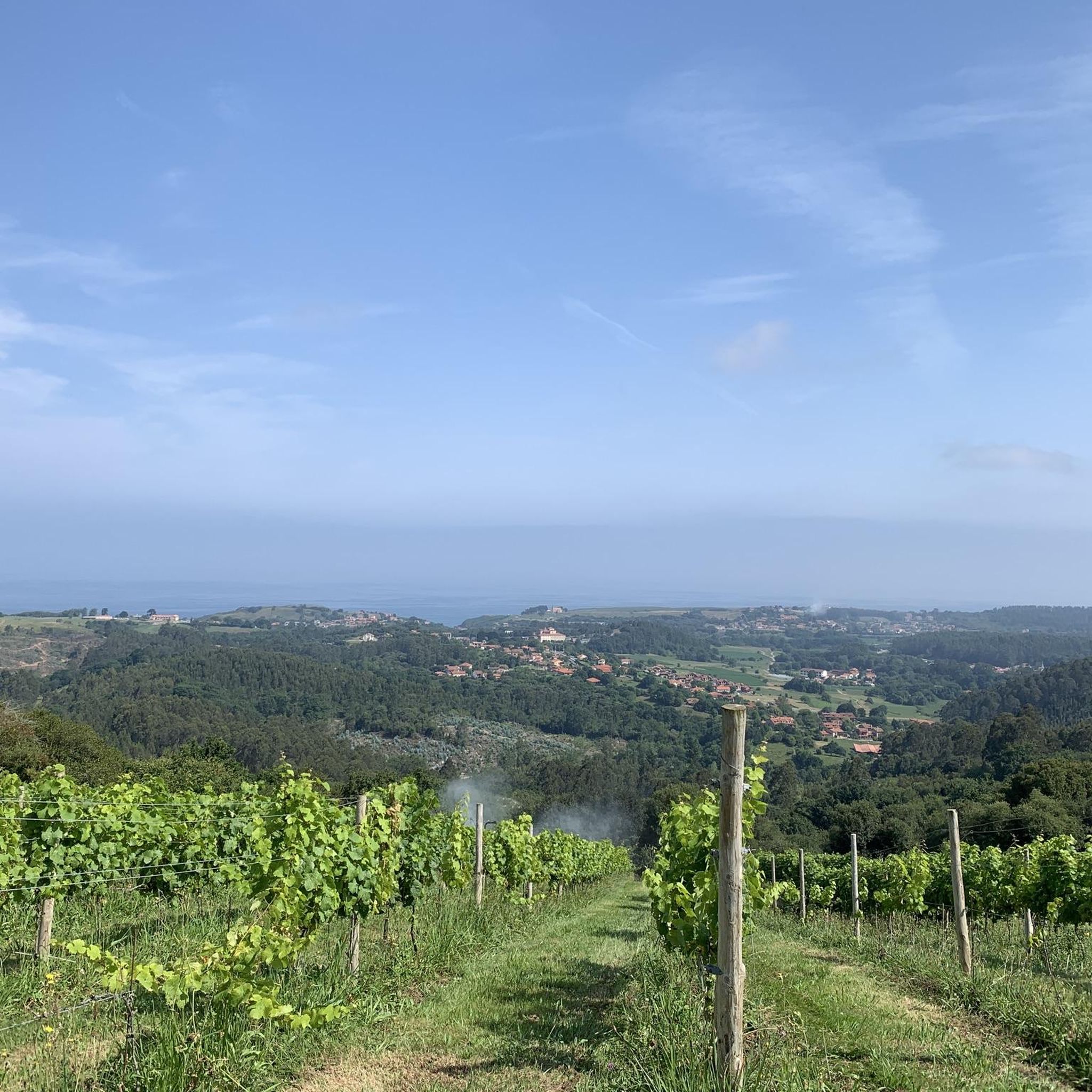
Road cycling around Cabezón De La Sal offers a diverse landscape characterized by open valleys, mountainous terrain, and proximity to the Cantabrian coast. The region features the Saja River, which carves through the Valle de Cabezón, and is bordered by the Sierra del Escudo de Cabuérniga to the south. This varied topography provides a range of road cycling routes, from valley sections to significant mountain passes. The area also includes unique natural features like the Monumento Natural de las Secuoyas.
…Last updated: July 7, 2026
40
riders
108km
06:00
2,240m
2,240m
This difficult 67.4-mile (108.4 km) road cycling route in Cantabria offers challenging climbs and diverse scenery, including coastal views.
97
riders
Moderate road ride. Good fitness required. Mostly well-paved surfaces and easy to ride.

Sign up for free
5.0
(2)
74
riders
86.1km
04:31
1,350m
1,350m
Hard road ride. Very good fitness required. Mostly well-paved surfaces and easy to ride.
5.0
(1)
52
riders
61.2km
03:07
910m
910m
Hard road ride. Very good fitness required. Mostly well-paved surfaces and easy to ride.
41
riders
133km
07:13
2,720m
2,720m
Hard road ride. Very good fitness required. Mostly well-paved surfaces and easy to ride.
Get access to more routes and recommendations from other explorers.
Sign up for free
Already have an account?
Our route recommendations are based on thousands of hikes, rides, and runs completed by other people on komoot.
Start today with a free account
Your next adventure awaits.
Login or Signup

Other adventures around Cabezón De La Sal

Tips from the Community

Even though this is just a small Gaudí building, it is worth a detour. You can discover many beautiful little things in the villa and garden. You can buy extraordinary souvenirs in the shop. Admission costs €10 (as of April 2026).
1
0

An area with a unique landscape and spectacular natural surroundings
0
0

We set out with the hope of ascending to the summit of Tresmares, where the Hijar-Ebro River begins and flows into the Mediterranean, the Pisuerga River (a tributary of the Duero River) flows into the Atlantic, and the Nansa River flows into the Cantabrian Sea. But a thick, damp fog covering the landscape forced us to give up and head back down the same way we came up. The road is partially covered by a bike lane and very little traffic. A steady climb of around 10%. Absolutely recommended. A few years ago, the Alto Campoo pass was the final stage of La Vuelta a España.
0
0
one of the most iconic views of San Vicente de la Barquera
0
0
spectacular view of the estuary from a nearby mountain
0
0
Frequently Asked Questions
What kind of terrain can I expect when road cycling around Cabezón de la Sal?
The region offers a diverse landscape for road cycling, characterized by open valleys, mountainous terrain, and proximity to the Cantabrian coast. You'll find routes that follow the Saja River through the Valle de Cabezón, as well as challenging climbs into the Sierra del Escudo de Cabuérniga. This variety ensures options from relatively flat sections to significant mountain passes.
Are there challenging road cycling climbs in the Cabezón de la Sal area?
Yes, Cabezón de la Sal is known for its demanding climbs and is even a key location for events like 'La Ruta de los 10.000 del Soplao'. Routes like the Los 10,000 del Soplao Road Route feature significant elevation gains, and the area includes mountain passes such as Lunada, considered one of Spain's most beautiful and strenuous.
Are there any easier road cycling routes suitable for beginners in Cabezón de la Sal?
While many routes are challenging, the area does offer options for different ability levels. For a moderate ride that combines coastal and mountainous vistas, consider the Section between sea and mountains – Views of the Zapedo marsh loop from Cabezón de la Sal, which is about 41.7 km long.
What natural features or landmarks can I see while road cycling in Cabezón de la Sal?
You can encounter a variety of natural attractions. The region is home to the unique Oyambre Natural Park, offering stunning coastal views, and the Monumento Natural de las Secuoyas, a protected area with majestic Coast Redwoods. The Saja River also carves through the Valle de Cabezón, providing scenic riverside sections.
Are there scenic viewpoints along the road cycling routes in Cabezón de la Sal?
Absolutely. Many routes offer breathtaking views, especially those that venture into the mountainous areas or along the coast. The Section between sea and mountains – Views of the Zapedo marsh loop provides coastal and marshland vistas, while routes through passes like Palombera and Carmona offer expansive mountain panoramas.
What is the best time of year for road cycling in Cabezón de la Sal?
The diverse landscape of Cabezón de la Sal makes it suitable for cycling across various seasons. However, for optimal conditions, spring and autumn generally offer pleasant temperatures and less extreme weather, ideal for tackling both valley routes and mountain passes. Summer can also be excellent, especially for coastal rides, though mountain climbs might be warmer.
Are there any circular road cycling routes available from Cabezón de la Sal?
Yes, many of the road cycling routes in the area are designed as loops, allowing you to start and finish in the same location. Examples include the challenging Palombera Pass – Collada de Carmona loop from Cabezón de la Sal and the scenic Section between sea and mountains – Views of the Zapedo marsh loop.
What do other road cyclists enjoy the most about road cycling in Cabezón de la Sal?
The area is highly rated by the komoot community, with an average score of 4.9 stars from over 7 reviews. Cyclists often praise the diverse scenery, which ranges from open valleys and challenging mountain passes to stunning coastal views, and the extensive network of routes catering to various fitness levels.
Are there any historical sites or towns I can visit near the road cycling routes?
Yes, Cabezón de la Sal's location allows for easy access to several notable historical sites. You could visit the Santillana del Mar Historic Town Centre or the Historic center of Comillas, both renowned for their architectural beauty and cultural heritage.
How many road cycling routes are there around Cabezón de la Sal?
Komoot features over 20 road cycling routes around Cabezón de la Sal, offering a wide range of distances and difficulties. This extensive network ensures there's a suitable path for almost any cyclist, from moderate loops to very difficult, long-distance challenges.
Are there any long-distance road cycling routes originating from Cabezón de la Sal?
Yes, the region is a starting point for several longer and more challenging routes. For instance, the Los 10,000 del Soplao Road Route covers over 108 km with significant elevation, and even longer routes like 'Soplao Clásica 224km' originate from the area.
What are some of the notable mountain passes for road cycling in this region?
The Cabezón de la Sal area is known for its challenging mountain passes, or 'colladas'. Key passes include Palombera and Carmona, which are featured in routes like the Palombera Pass – Collada de Carmona loop. The region also boasts Lunada, considered one of Spain's most beautiful climbs.
Most popular routes around Cabezón De La Sal
Most popular attractions around Cabezón De La Sal

Get inspired with the komoot mobile app


Explore more
Browse the best Road cycling routes in other regions.
