The best road cycling routes around Bárcena De Pie De Concha
4.0
(4)
367
riders
11
rides
Road cycling around Bárcena De Pie De Concha offers diverse landscapes for cyclists. The region, situated in Cantabria, Spain, features a blend of mountains, meadows, and river valleys. This varied topography provides both challenging climbs and scenic, rolling routes. The area is also characterized by its proximity to the Saja-Besaya Natural Park and the Besaya Valley, offering rich natural environments.
Best road cycling routes around Bárcena De Pie De Concha
- The most popular road cycling route is Palacio de los…
Last updated: July 1, 2026
107
riders
73.3km
04:03
1,290m
1,290m
Hard road ride. Very good fitness required. Mostly well-paved surfaces and easy to ride.
80
riders
Moderate road ride. Good fitness required. Mostly well-paved surfaces and easy to ride.

Sign up for free
5.0
(2)
50
riders
57.8km
03:00
970m
970m
Hard road ride. Very good fitness required. Some segments of this route may be unpaved and difficult to ride.
31
riders
41.1km
02:36
1,020m
1,020m
Hard road ride. Very good fitness required. Mostly well-paved surfaces and easy to ride.
3.0
(1)
19
riders
33.7km
01:36
430m
430m
Moderate road ride. Good fitness required. Mostly well-paved surfaces and easy to ride.
Get access to more routes and recommendations from other explorers.
Sign up for free
Already have an account?
Our route recommendations are based on thousands of hikes, rides, and runs completed by other people on komoot.
Start today with a free account
Your next adventure awaits.
Login or Signup
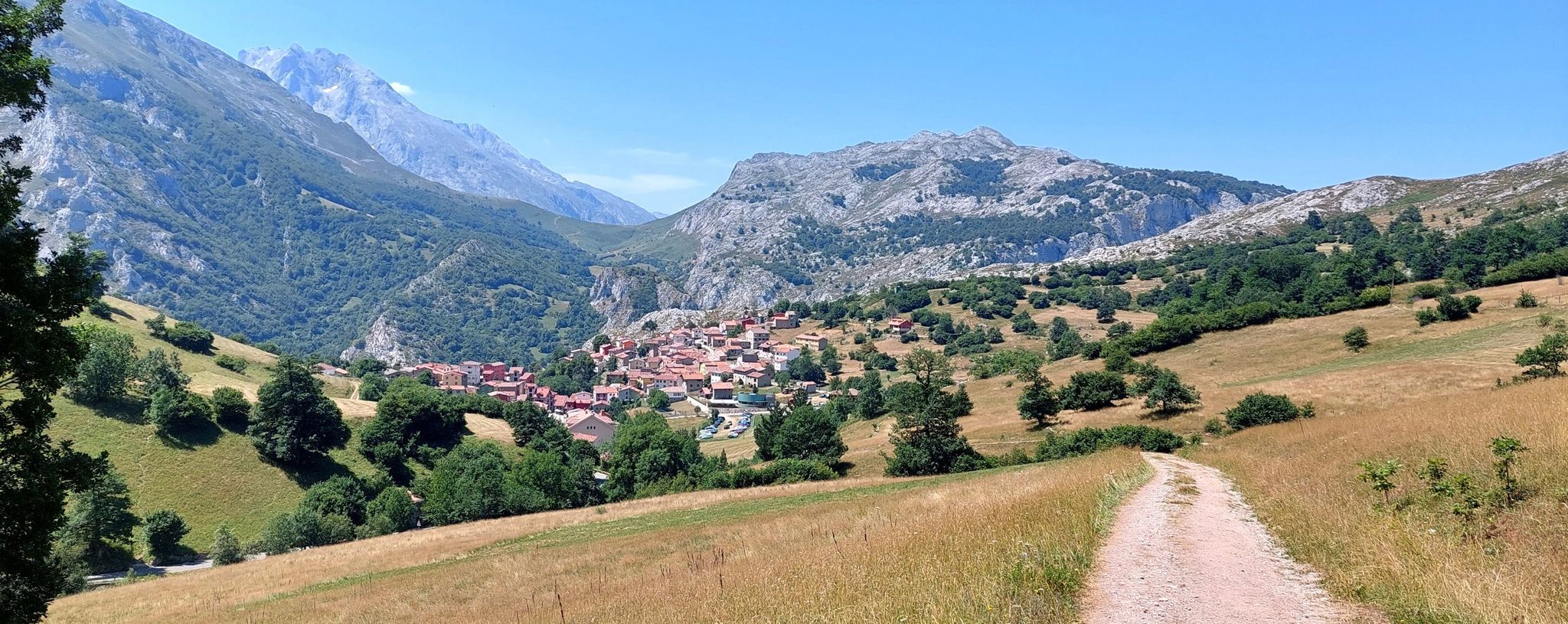
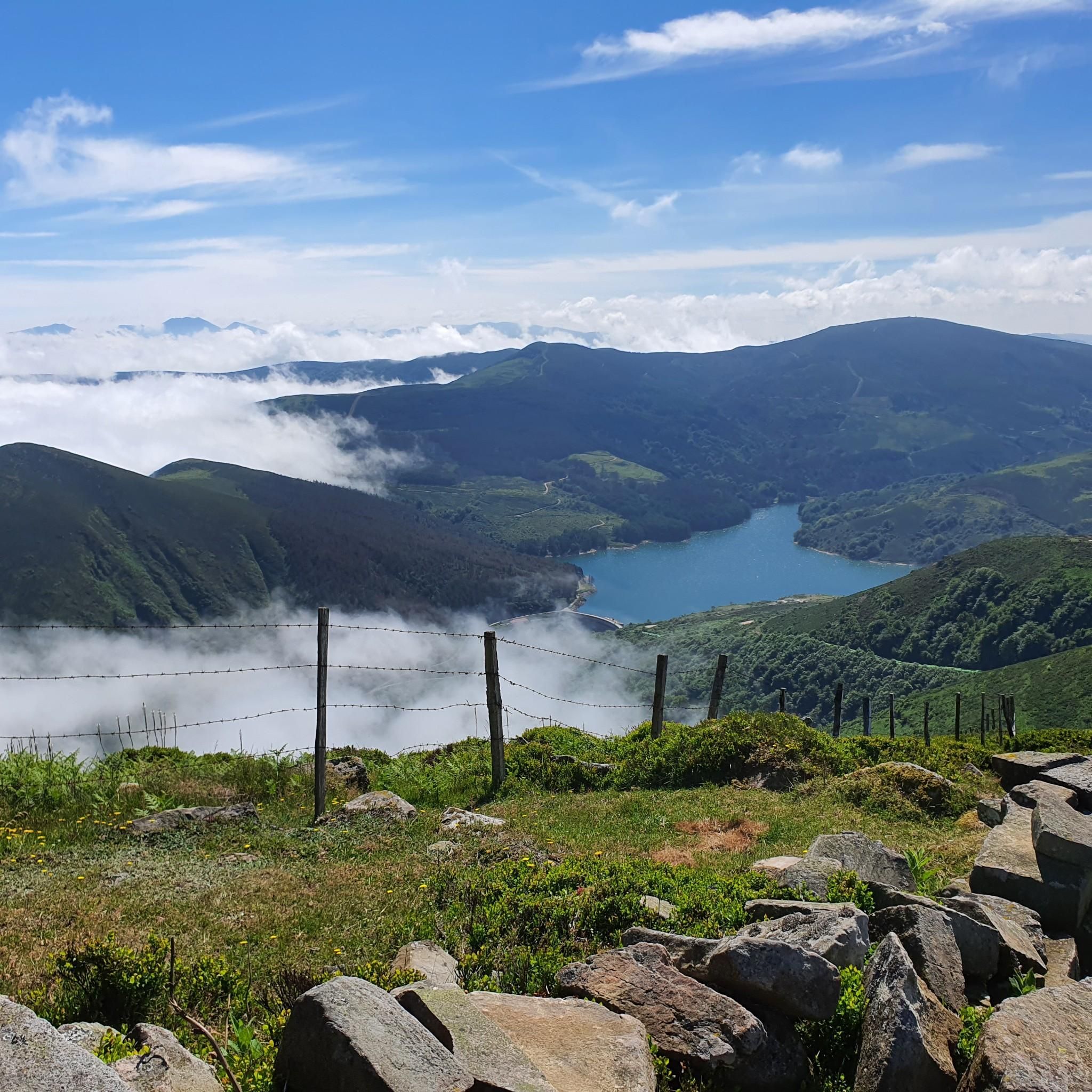
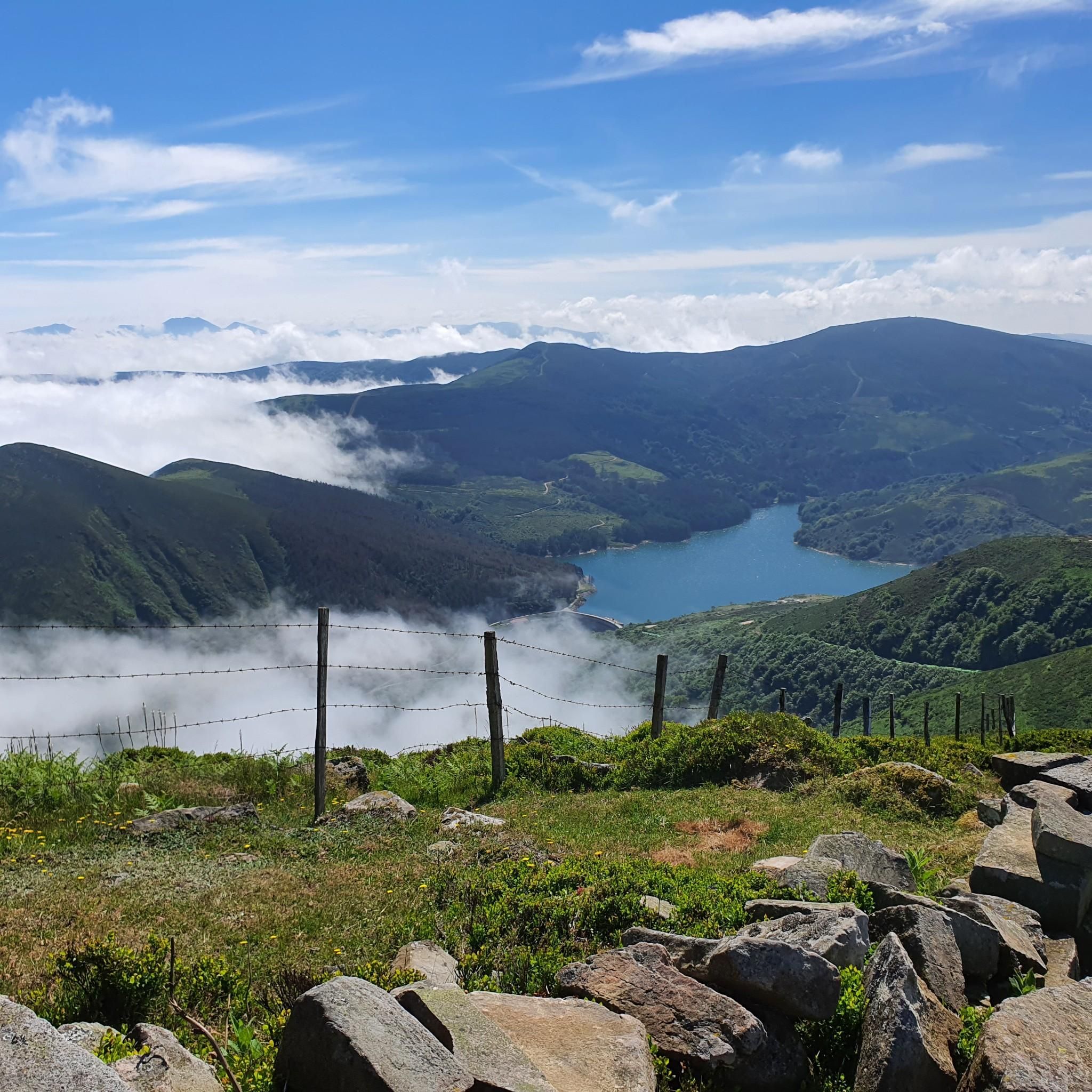
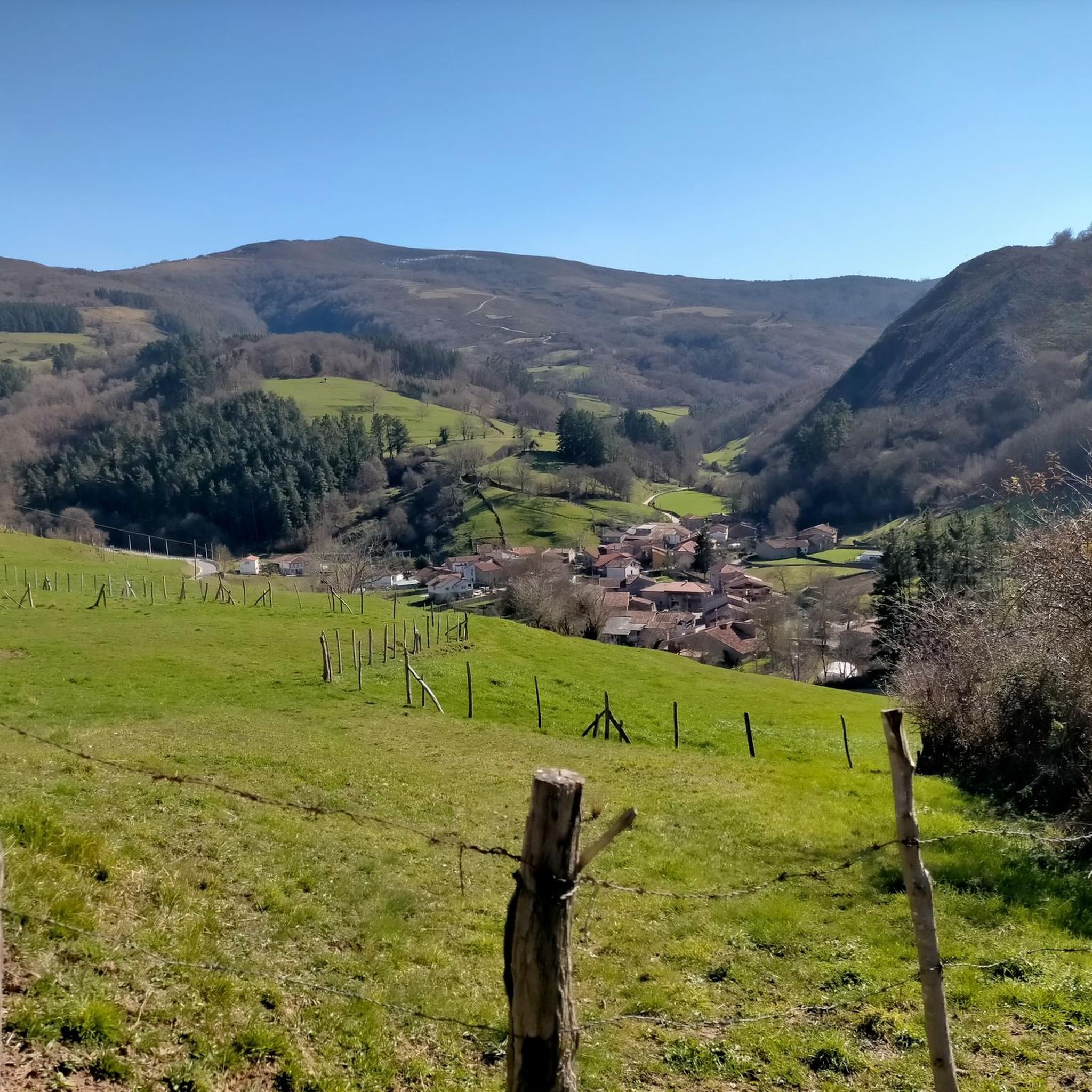
Other adventures around Bárcena De Pie De Concha

Tips from the Community

It would be good if they finally removed the cross with the plaque commemorating some "martyrs"
0
0

You can climb from Cieza or Los Llares. The road is dirty and somewhat broken through Cieza (be careful when descending on a road bike).
0
0

The San Andrés Bridge is in Somahoz (Los Corrales de Buelna) over the Besaya River, which gives access to the San Andrés neighbourhood. It is divided into a narrow lane for vehicles and a pedestrian crossing, and from it we see a railway bridge that we have to go under to enter the neighbourhood. And that railway bridge (or overpass) that we crossed is part of the historic "Ferro-carril de Isabel II" (Isabel II Railway) that began to be built in the mid-19th century with the project of joining the towns of Alar del Rey with Santander and whose section from Bárcena de Pie de Concha to the Cantabrian capital must have been finished in 1858.
0
0
The Casa Palacio that the Ceballos had in Barros is today owned by Mr. Herrero and Mr. Martínez de Azcoitia. It is a beautiful mountain architectural complex with a portal between cylindrical cubes, a typical mansion and a chapel. It was restored a few years ago by the current owners who have managed to give its interior a stately and period atmosphere. It dates back to the beginning of the 18th century.
1
0
Giant Barros Stele: Located in the town of Barros, municipality of Los Corrales de Buelna, Cantabria. The Cantabrian Steles found next to the hermitage of the Virgen de la Rueda, in the town of Barros, and the two found in the Lombera neighbourhood, are displayed in a permanent exhibition next to the aforementioned hermitage in what is known as the Parque de las Estelas de Cantabria. These are circular pieces that preserve the base pier, 0.80 metres wide, for vertical placement. The largest one (Barros II), between 2.15 and 2.46 metres in diameter and weighing 3,000 kilos, was found in fragments in 1977 between the walls of the chapel of Nuestra Señora de la Rueda de Barros and was rebuilt in 1999. The Cantabrian stele known as Barros I, also called the Wheel of Santa Catalina or the Wheel of the Virgin, is smaller in size, but its dimensions are still spectacular: 1.75 metres in diameter and 32 centimetres thick. Made of sandstone, easy to work, like the previous one, it has a geometric decoration. Although interpreted by some as religious or funerary testimonies, the steles displayed in the Parque de las Estelas de Cantabria continue to offer researchers numerous questions about their functionality and chronology. There is a possibility that they may belong to the Roman period or even later. They were declared a Site of Cultural Interest in 1985 and since then their image has been part of the coat of arms of Cantabria. Information from: https://www.cantabriarural.com/lugares-de-interes/parque-de-las-estelas-de-cantabria.html
0
0

At the beginning of the San Andrés neighbourhood, in Somahoz, the views upstream from the Besaya are beautiful. This is the starting point for several routes.
1
0

The church of San Jorge, popularly known as El Partenón, is a few meters from the Palacio de los Hornillos. Built in 1890 as a chapel near his palace, it was donated by the dukes to the town of Las Fraguas to serve as a parish church. It was used during the Civil War as a prison. It is a purely neoclassical building.
1
0
Frequently Asked Questions
What kind of terrain can I expect when road cycling around Bárcena De Pie De Concha?
The region offers a diverse landscape, characterized by a blend of mountains, meadows, and river valleys. This varied topography provides both challenging climbs and scenic, rolling routes. You'll encounter significant elevation gains on routes like the Palacio de los Hornillos – Alto de Brenes loop, as well as more moderate paths through the Besaya Valley.
Are there road cycling routes suitable for beginners or those looking for an easier ride?
Yes, while many routes feature challenging climbs, there are options for different ability levels. The area includes routes with moderate difficulty, such as the Stone Fountain – Santibáñez Church loop from Parque Natural Saja-Besaya, which offers a pleasant ride through the natural park.
What are some notable natural features or landmarks I can see while cycling?
You can explore various natural features and landmarks. The El Moral Plateau offers stunning viewpoints. The region is also close to the Saja-Besaya Natural Park, and you might encounter beautiful sections through beech forests or the Pool area in the Argonza River. The historic Roman road through the Valley of Besaya also adds a cultural dimension to your ride.
Are there any specific mountain passes or challenging climbs for experienced road cyclists?
Absolutely. The region is known for its challenging climbs. Routes like the Palacio de los Hornillos – Alto de Brenes loop feature significant elevation gain. You can also find mountain passes such as Palombera Pass, Cruz de Fuentes, and Collada de Brenes, which are popular among cyclists seeking a challenge.
What do other road cyclists say about the routes in Bárcena De Pie De Concha?
The routes in Bárcena De Pie De Concha are highly rated by the komoot community, with an average score of 4.7 stars from over 4 reviews. More than 500 road cyclists have used komoot to explore the varied terrain, often praising the scenic beauty and diverse challenges offered by the region's landscapes.
Are there any long-distance road cycling routes available?
Yes, for those looking for longer rides, the area offers extensive options. The Pas Greenway – Alto del Caracol loop from Las Fraguas is a challenging 89.8-mile (144.5 km) path that traverses varied terrain and river valleys, providing a significant long-distance cycling experience.
What is the best time of year for road cycling in this region?
Cantabria, where Bárcena De Pie De Concha is located, generally offers pleasant cycling conditions from spring through autumn. The mild climate during these seasons makes it ideal for exploring the diverse landscapes without extreme heat or cold. Always check local weather forecasts before your ride.
Can I find circular road cycling routes around Bárcena De Pie De Concha?
Many of the routes in the area are designed as loops, allowing you to start and finish in the same location. Examples include the Palacio de los Hornillos – Alto de Brenes loop and the El Portillón Cross loop from Molledo Portolín, providing convenient options for circular tours.
Are there any charming villages to explore along the cycling routes?
Yes, the municipality includes other small, traditional villages like Pie de Concha and Pujayo. Cycling through these areas allows you to experience local architecture and traditions, adding a cultural element to your ride. Bárcena Mayor is also a notable settlement nearby that you might encounter.
How many road cycling routes are available in the Bárcena De Pie De Concha area?
There are over 15 road cycling routes available around Bárcena De Pie De Concha, offering a wide range of distances and difficulty levels to suit various preferences and fitness levels.
Is there public transport available to reach the cycling routes?
While specific public transport details for cyclists are not provided, Bárcena de Pie de Concha is a town in Cantabria, Spain. It's advisable to research local bus or train services to nearby towns like Los Corrales de Buelna or Suances, which are connected by routes like the Vía Verde del Besaya, to plan your access.
Are there any specific permits required for road cycling in the Saja-Besaya Natural Park?
Generally, road cycling on public roads within natural parks like Saja-Besaya does not require special permits. However, if you plan to venture off designated roads or into protected areas, it's always best to check with the park's official administration for any specific regulations or restrictions.
Most popular attractions around Bárcena De Pie De Concha

Get inspired with the komoot mobile app


Explore more
Browse the best Road cycling routes in other regions.
