The best running trails around La Selva Del Camp
4.8
(33)
604
runners
33
runs
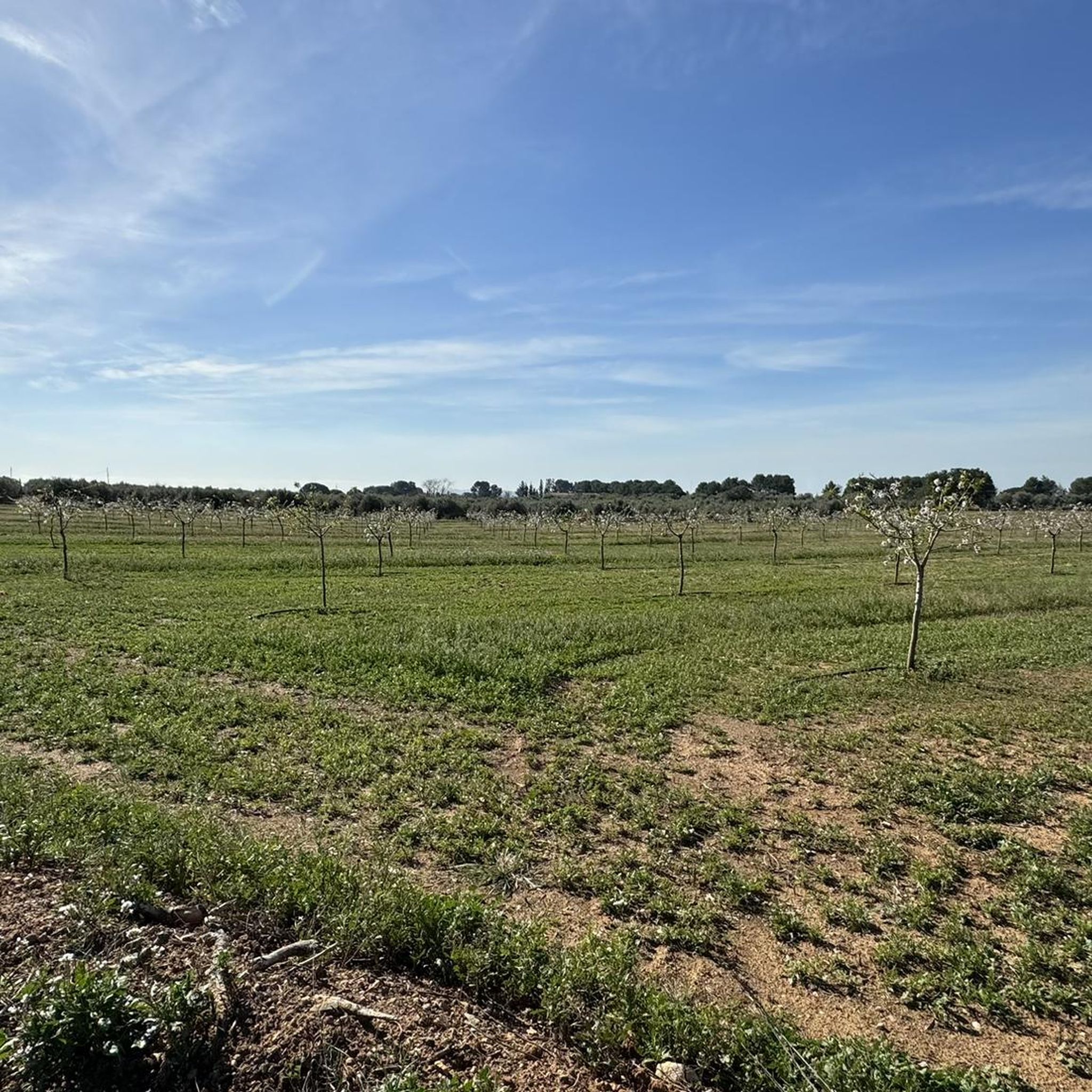
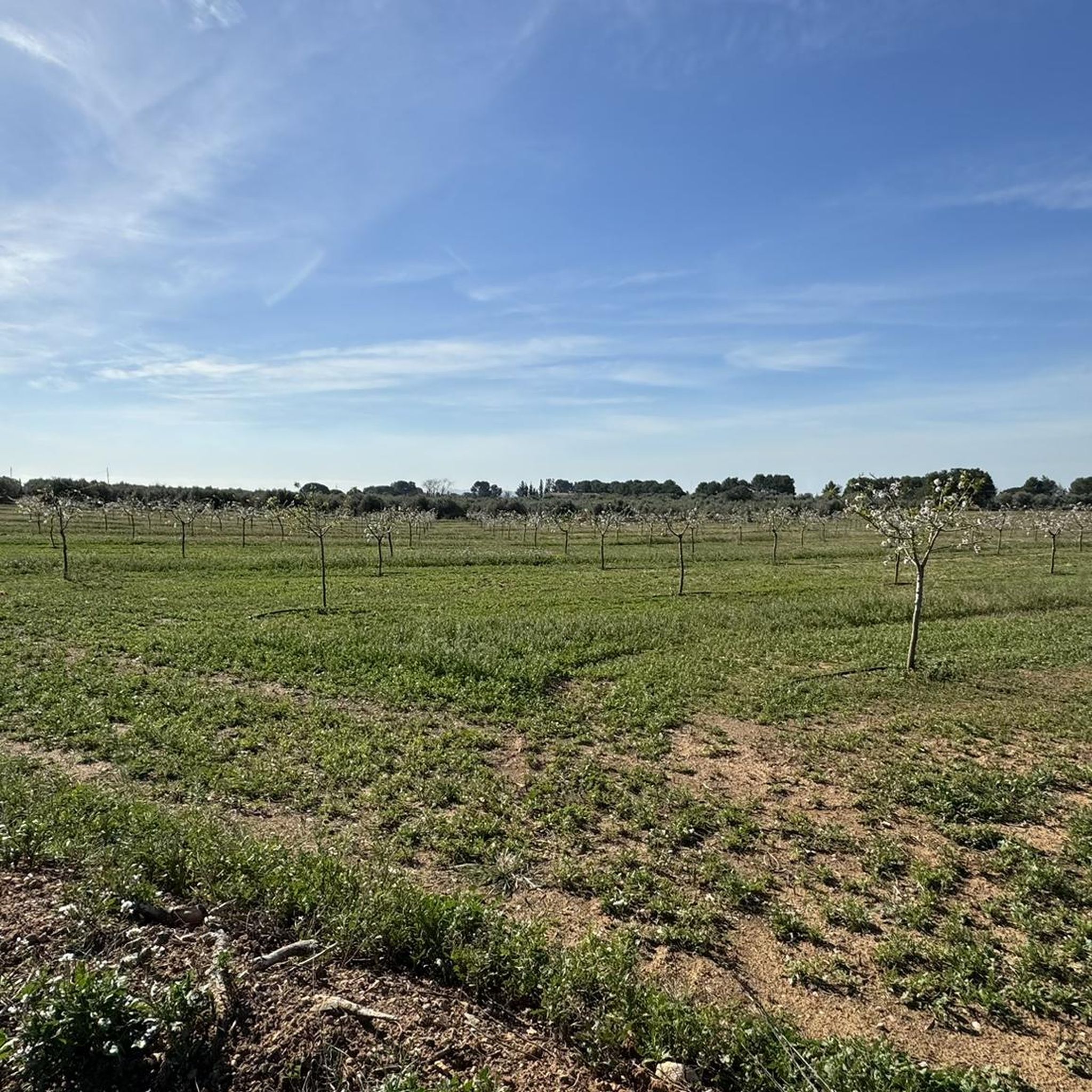
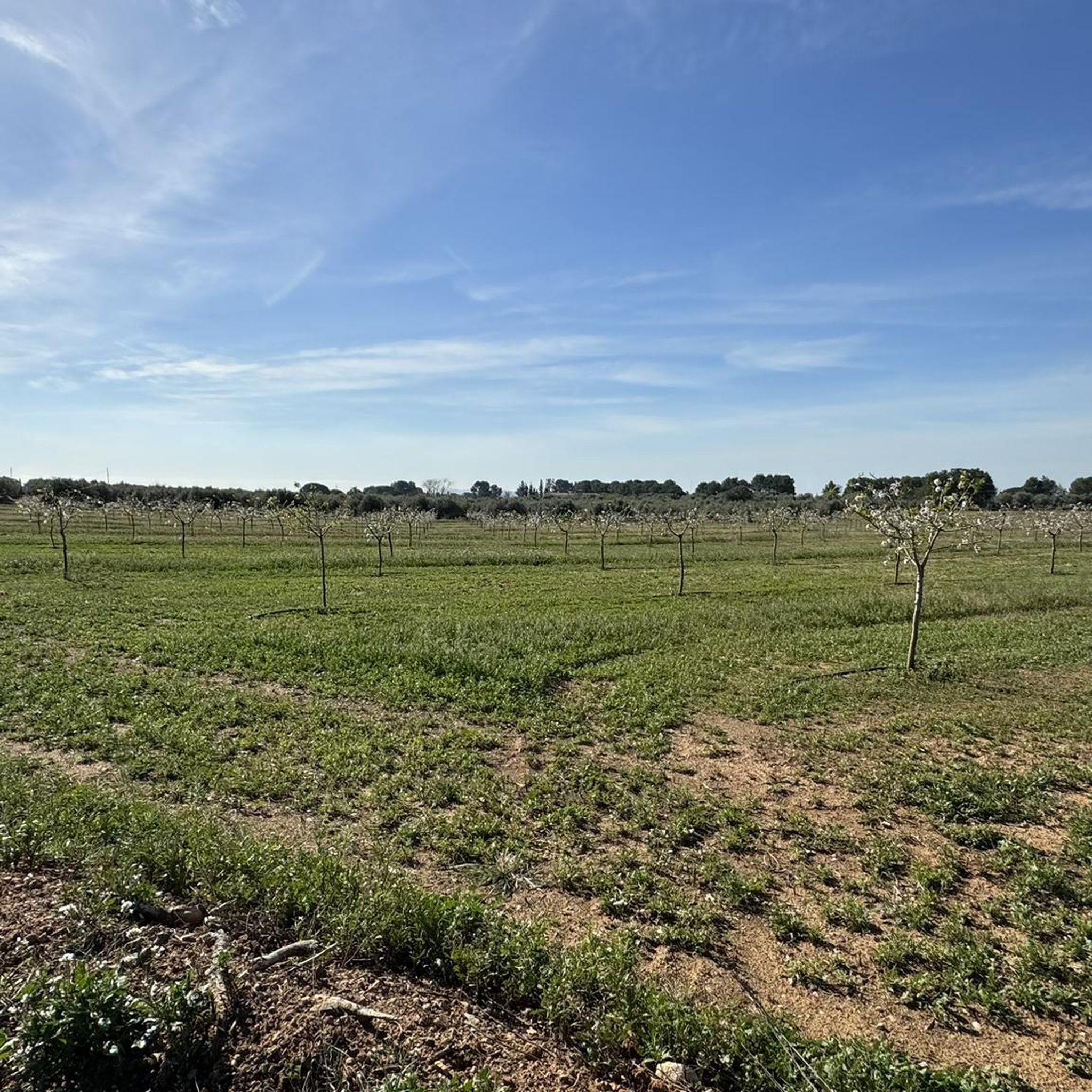
Jogging around La Selva Del Camp offers diverse terrain, from the plains of Camp to the foothills of the Serra de la Mussara and Prades Mountains. The region features varied landscapes, including low-elevation mountainous areas and the Riera de la Selva watercourse. Joggers can find routes through vineyards, olive groves, and forests, with the highest point being Puig d'en Cama at 717 meters. This mix provides options for different fitness levels and scenic backdrops.
Best jogging routes around La Selva…
Last updated: July 5, 2026
5.0
(1)
69
runners
Moderate run. Good fitness required. Mostly paved surfaces. Suitable for all skill levels.
35
runners
Hard run. Very good fitness required. Sure-footedness, sturdy shoes and alpine experience required.

Sign up for free
5.0
(2)
31
runners
Hard run. Very good fitness required. Mostly paved surfaces. Suitable for all skill levels.
26
runners
19.0km
02:54
1,000m
1,000m
Hard run. Very good fitness required. Sure-footedness, sturdy shoes and alpine experience required.
21
runners
24.2km
03:24
960m
960m
Hard run. Very good fitness required. Mostly paved surfaces. Suitable for all skill levels.
Get access to more routes and recommendations from other explorers.
Sign up for free
Already have an account?
Our route recommendations are based on thousands of hikes, rides, and runs completed by other people on komoot.
Start today with a free account
Your next adventure awaits.
Login or Signup
Tips from the Community

I love it! The summit is approaching!
0
0

A nice trail that also allows us to learn a bit of history about how water was brought to La Selva del Camp in the past.
1
0

This pass can be done via Vilaplana, which is smoother, or via the other side, coming from Selva del Camp. If you go up through the Selva del Camp, it's much more difficult because there are slopes of 11%.
0
0

Good ramps with good pavement. It climbs well and is worth it.
0
0

In the bed of the Riera you can see the remains of a primitive lock known as the Peixera where the canalization work of the Rec of the town begins. A few meters above the Pantà factory is preserved, a hydraulic work started in 1739 and abandoned two years later. This work was determined by the Commune, authorized by the archbishop, lord and baron of the town, being directed by the maestro major Miquel Malet, his sons and various master builders. The costs were around 5,370 pounds.
0
0
The Selva Castle was for centuries the stately residence of the prefects of Tarragona and the archbishops of the metropolis. It belonged to the Papordia of the archbishop of Tarragona, and was probably built at the end of the 12th century. It was a residence very frequented by the paborde, but it mainly served as a storehouse for nuts and tithes. In 1411 Pope Benedict XIII decreed the abolition of the pabordia and the Castle was administered directly by the Archbishop of Tarragona and in the s. In the 16th century, the building was expanded with residential buildings and an upper floor accessed by a staircase. The action of the Constituent Courts during the Biennium of 1822 ended, in fact, with the lordships. This work was complemented by the confiscation laws of the middle of the 19th century, and thus the Selva Castle would become the property or usufruct of the Town Council. Passing through various users after the ecclesiastical confiscation, the Castle, the town's largest heritage building had become a ruin that the Selvatans have lived with for decades. Finally, in a municipal economic boom, the City Council, entering the new millennium, decided to carry out an ambitious project such as that of restoring the monument and giving it a function of public use in accordance with its identity , a first-rate cultural facility.
0
0
The hermitage of Sant Pere has been redone on several occasions due to its poor state of preservation. The original hermitage dates from the middle of the 13th century, it was of Romanesque style and of larger dimensions. In addition, it was accompanied by an annexed house where the hermits and the donated lived, who were responsible for the maintenance of the cult and the lands attached to the hermitage. One of the most important reforms was that of 1588, under the supervision of Pere Blai (1553-1620) and which, according to some authors, would follow the Renaissance traces typical of the time. Finally, the last intervention took place throughout the 19th century and ended in the 1870s. The privileged position of the hermitage as a viewpoint of the Camp and first bastion of the mountains of the Sierra de la Mussara has been a determining factor for some military campaigns. During the French War (1808-1814), the Napoleons occupied the hermitage and adapted it to wartime needs. They had loopholes and parapets built there in order to defend themselves from attacks. However, the French were not the only ones to occupy the chapel militarily. During the First Carline War (1833-1840), clashes continued to occur between the supporters of Isabel II (1830-1904) and Charles V (1788-1855)
0
0
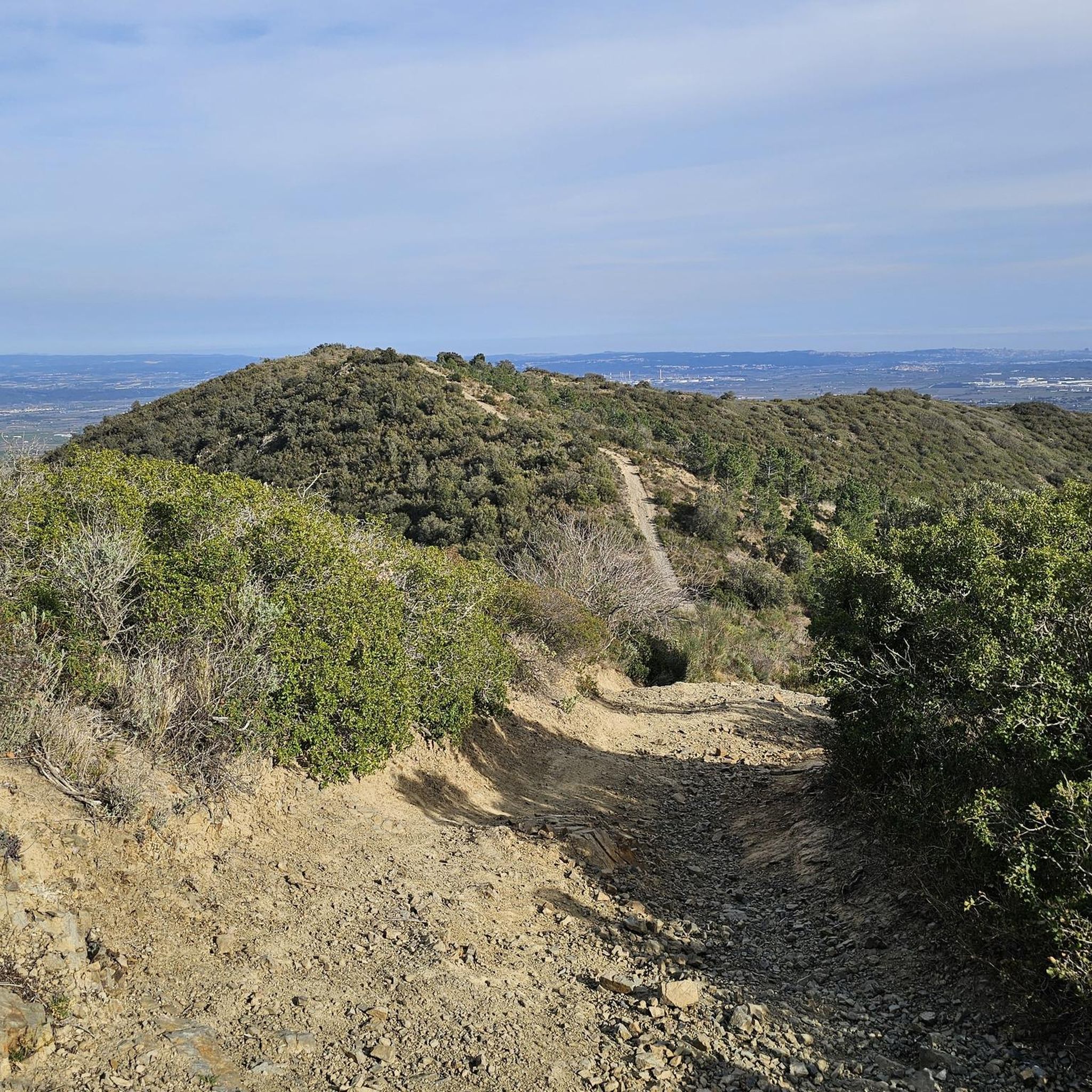
El Puig d'en Cama is a hill located in the Selva del Camp area, the entire summit is above Almoster, Baix Camp region, approximately north of Reus, Castellvell del Camp and Almoster, west of the Selva del Camp and east of Aleixar. It is part of the first stirrups of the Prades mountains. It is 717 meters high. At the top we can find a geodesic vertex (reference 263134001). This peak is included in the Challenge of 100 peaks of the Federation of Excursionist Organizations of Catalonia. Until recently there was a watchtower, now gone.
0
0
Frequently Asked Questions
How many running routes are available in La Selva del Camp?
There are over 25 jogging routes around La Selva del Camp, offering a variety of experiences for different fitness levels. The komoot community has explored these trails over 350 times, highlighting the region's popularity among runners.
What kind of terrain can I expect on the jogging trails around La Selva del Camp?
The region offers diverse terrain, ranging from the plains of Camp to the foothills of the Serra de la Mussara and Prades Mountains. You'll find routes through vineyards, olive groves, and forests, with options for both relatively flat paths and challenging ascents, such as towards Puig d'en Cama, the highest point at 717 meters.
What do other runners say about the trails in La Selva del Camp?
The running routes in La Selva del Camp are highly rated by the komoot community, with an average score of 4.6 stars from over 20 reviews. Runners often praise the varied terrain, the scenic backdrops of vineyards and olive groves, and the opportunity to combine physical activity with cultural exploration of historical sites.
Are there any challenging running routes with significant elevation gain?
Yes, La Selva del Camp is ideal for runners seeking a challenge. Many routes feature substantial elevation gain, especially those heading into the mountain foothills. For example, the Airasses loop from los Tres Pins is an 11.7-mile (18.8 km) trail with nearly 1,000 meters of elevation gain, often completed in about 2 hours 53 minutes.
Can I find easier or beginner-friendly jogging paths in the area?
While many routes are classified as difficult, there is at least one easy jogging route available in La Selva del Camp. These paths typically offer less elevation and are suitable for those looking for a more relaxed run or just starting their jogging journey.
Are there circular jogging routes available in La Selva del Camp?
Yes, many of the running routes in La Selva del Camp are circular, allowing you to start and finish in the same location. An example is the popular View from Pal de la Màgic Line – Puig d'en Cama loop from la Selva del Camp, a 5.7-mile (9.2 km) trail offering significant elevation gain.
What natural features can I see while jogging around La Selva del Camp?
Joggers can enjoy a variety of natural landscapes, including the Riera de la Selva watercourse, vineyards, olive groves, and the forest of La Fuente Major. For those seeking panoramic views, routes to Puig d'en Cama (717 m) offer stunning vistas. You might also encounter unique geological formations like the Foradada Rock or the Pont de Goi Natural Arch.
Are there historical sites or landmarks along the running routes?
Absolutely. The region is rich in history. You can run past the 12th-century Hermitage of Sant Pere del Puig, explore routes near the Santuari de Santa Maria de Paretdelgada, or even encounter Roman vestiges. The town itself has a walled historic center with sights like the Parish church of Sant Andreu and the Castle.
Can I combine my run with exploring caves or natural monuments?
Yes, the area around La Selva del Camp features several interesting caves and natural monuments. You could explore routes that pass near the Cave of the Cranes or Els Avencs de la Febró, adding an adventurous element to your run.
What is the best time of year for running in La Selva del Camp?
La Selva del Camp offers a pleasant climate for outdoor activities. Spring and autumn generally provide mild temperatures, ideal for running. Summer can be warm, so early morning or late afternoon runs are recommended. Winter runs are also possible, especially on lower elevation trails, offering a different perspective of the landscape.
Are there any long-distance running options for experienced athletes?
For experienced runners looking for longer distances, there are several options. The Hermitage of Sant Pere del Puig – Puig d'en Cama (717 m) loop from la Selva del Camp, for instance, spans over 27 kilometers (17 miles) with significant elevation, providing a substantial endurance challenge.
Most popular routes around La Selva Del Camp
Most popular attractions around La Selva Del Camp

Get inspired with the komoot mobile app


Explore more
Browse the best Running Trails & Routes in other regions.
