The best walks and hikes around Torre De Las Arcas
4.0
(1)
36
hikers
10
hikes
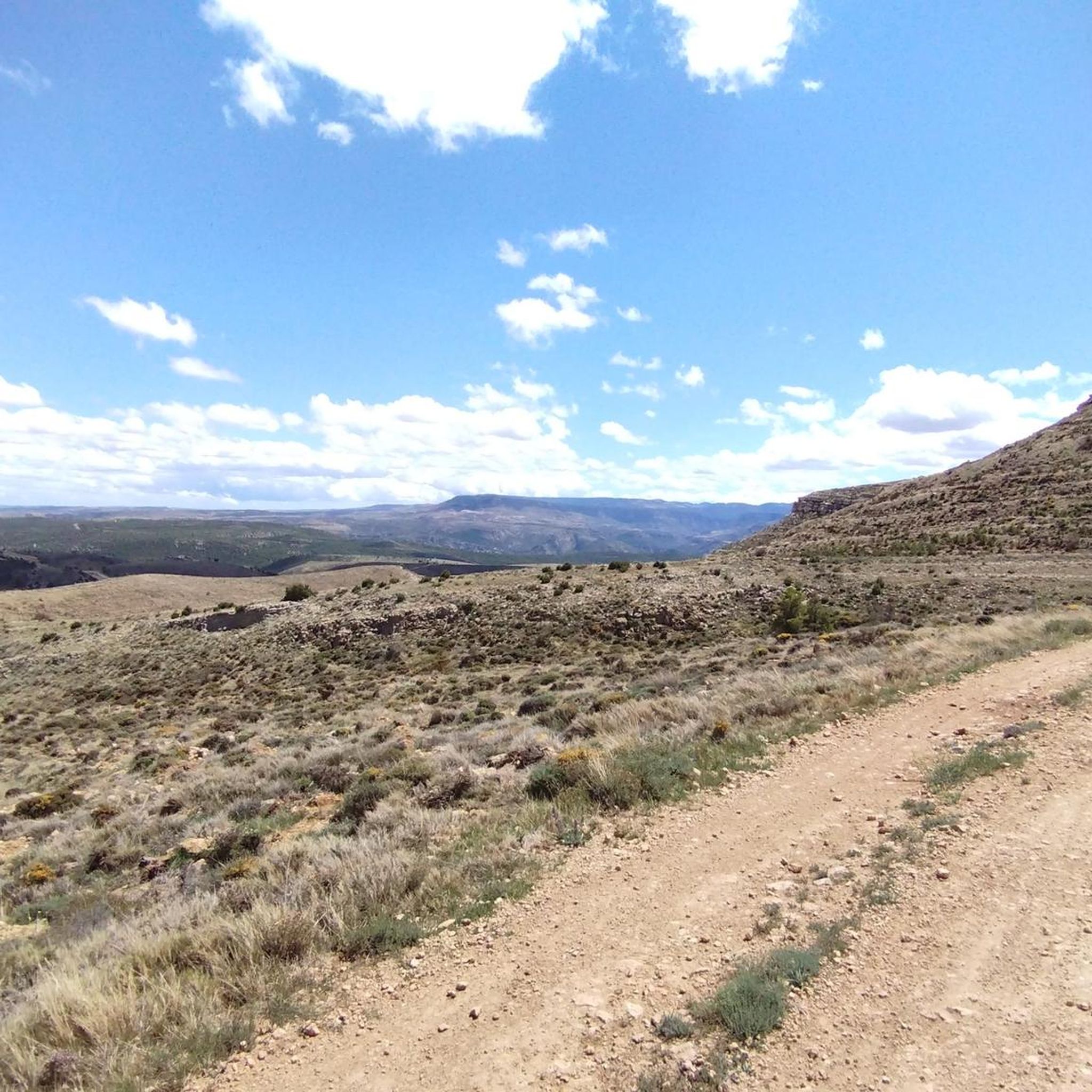
Hiking trails around Torre De Las Arcas traverse a landscape characterized by river forests, mountainous massifs, canyons, and deep ravines within the Iberian System. The region features diverse plant life, including pine forests and holm oak groves, alongside riverine forests along the Martín and Cabra rivers. Hikers encounter ingenious geological formations and striking scenic beauty throughout the trails.
Best hiking trails around Torre De Las Arcas
- The most popular hiking route is Rio Martin Trail from Montalban to Penas Royas…
Last updated: June 28, 2026
1
hikers
14.4km
04:13
390m
390m
Moderate hike. Good fitness required. Easily-accessible paths. Suitable for all skill levels.
29.0km
07:52
400m
400m
Hard hike. Very good fitness required. Easily-accessible paths. Suitable for all skill levels.

Sign up for free
9
hikers
10.7km
03:13
350m
350m
Moderate hike. Good fitness required. Easily-accessible paths. Suitable for all skill levels.
7
hikers
5.56km
02:00
310m
310m
Moderate hike. Good fitness required. Easily-accessible paths. Suitable for all skill levels.
4.0
(1)
6
hikers
11.0km
03:30
430m
430m
Moderate hike. Good fitness required. Easily-accessible paths. Suitable for all skill levels.
Get access to more routes and recommendations from other explorers.
Sign up for free
Already have an account?
Our route recommendations are based on thousands of hikes, rides, and runs completed by other people on komoot.
Start today with a free account
Your next adventure awaits.
Login or Signup



Tips from the Community

The Sanctuary/Monastery of Santa María del Olivar is located in Estercuel, within the natural setting of the Serranía de Montalbán mountain range, in the Andorra-Sierra de Arcos region. Although often referred to as a sanctuary, its official name is the Monastery of Santa María del Olivar. It is one of the most important historical and artistic monuments in the area and has been a significant spiritual center for over seven centuries. Located 4 km from Estercuel, in the province of Teruel, it lies within the river valley and is surrounded by pine forests. It sits atop a hill at an altitude of 700 meters, overlooking the valley watered by the Escuriza River.
2
0

Montalbán, a historic town and cultural capital of the Cuencas Mineras (Municipal Mining Basins), stands out for its rich heritage and its location on the banks of the Martín River. Its old town preserves remains of medieval walls and gateways, as well as the Church of Santiago Apóstol, a magnificent example of Aragonese Gothic-Mudejar architecture. Visitors can also explore the remains of the castle and a network of cellars and underground passages. As part of the Martín River Cultural Park, it offers cultural and nature routes that combine history and geology, ideal for cyclists looking to discover unique landscapes and towns full of character.
1
0

Montalbán is a town in the Cuencas Mineras region and is considered one of the most beautiful in it. If we are in the area we must visit the beautiful Church of Santiago or the beautiful Portal de Santa Engracia. Beautiful BTT routes leave from this town towards the Sierra de Sant Just, belonging to the Teruel Iberian System.
1
0
We are in the town of Gargallo, located at the foot of Muela Alta. Another of the beautiful towns in Teruel where we highlight the Church of Nuestra Señora de la Piedad, the Hermitage of San Blas or the Nacimiento del Río Escuriza.
1
0

The town of Peñas Royas is located within the municipality of Montalbán and on the banks of the Martín River. It is surrounded by a very picturesque landscape as well as singular due to the curious geological formations of the area. The path along the river is also very picturesque and does not present technical difficulties, ideal for a recreational walk.
1
0
This marvelous Aragonese Gothic-style Monastery was built in the 16th century and is located in a privileged natural environment that is worth visiting. With the possibility of spending a retreat and rest stay in addition to other activities, this site offers everything you need. For more information you can consult the official website: https://www.monasterioelolivar.com/
1
1
This town in the interior of Teruel has been located in a privileged environment at the foot of the Muela Alta. It is very quiet and picturesque, with many alternative hiking trails to explore the area and the Maestrazgo Cultural Park.
1
0
Peñarroyas is a town belonging to the municipality of Montalbán, located 5.5 km from it. Route near the Martin River.
6
0
Frequently Asked Questions
What kind of terrain can I expect on hiking trails around Torre De Las Arcas?
The hiking trails in Torre De Las Arcas traverse a diverse landscape, featuring river forests, mountainous massifs, canyons, and deep ravines within the Iberian System. You'll encounter varied plant life, from pine forests and holm oak groves to riverine forests along the Martín and Cabra rivers. The region is also known for its ingenious geological formations and striking scenic beauty.
Are there any easy hiking trails suitable for beginners in Torre De Las Arcas?
Yes, there are options for various skill levels. For an easier experience, consider the Castillo de Montalbán loop from Montalbán, which is approximately 3.1 miles (5 km) long and takes about 2 hours to complete. This route offers a gentle introduction to the area's natural beauty.
What natural features or landmarks can I see while hiking in the region?
Hikers can explore a wealth of natural and historical features. The area is rich in geological formations and diverse vegetation, including pine and holm oak forests, and riverine forests along the Martín and Cabra rivers. You might also encounter significant bird populations in the Desfiladeros del río Martín (gorges of the Martín river). For a historical landmark, the Sanctuary of Santa María del Olivar is a notable point of interest.
Are there any circular hiking routes available in Torre De Las Arcas?
Yes, there are several circular routes. A popular option is the Peñarroyas loop from Peñas Royas, which is about 6.6 miles (10.7 km) long and typically takes around 3 hours 12 minutes. This trail leads through mountainous terrain, offering scenic views.
What is the best time of year to go hiking in Torre De Las Arcas?
The region offers pleasant hiking conditions for much of the year. Spring and autumn generally provide the most comfortable temperatures and vibrant landscapes, with blooming flora in spring and rich colors in autumn. Summers can be warm, making early morning or late afternoon hikes preferable, while winters are milder but can have cooler temperatures.
Are there any family-friendly hiking options in Torre De Las Arcas?
While specific family-friendly routes are not detailed in the guide, the presence of easy trails like the Castillo de Montalbán loop from Montalbán suggests that shorter, less strenuous paths are available. The Flora Interpretation Center also offers a botanical garden, which can be an engaging stop for families.
What do other hikers enjoy the most about hiking in Torre De Las Arcas?
The area is highly rated by the komoot community, with an average score of 4.0 stars. Hikers often praise the diverse landscapes, including river forests, canyons, and mountainous terrain, as well as the striking scenic beauty and geological formations found along the trails.
Is public transport available to access hiking trailheads in Torre De Las Arcas?
Information regarding direct public transport access to specific trailheads in Torre De Las Arcas is limited. It is generally recommended to have private transportation to reach many of the more remote starting points for hiking routes in this region of Teruel.
Are there any cafes or restaurants near the hiking trails in Torre De Las Arcas?
Torre De Las Arcas is a small, rural area. While specific cafes or restaurants directly at trailheads are not highlighted, you may find local establishments within the village itself or in nearby towns. It's advisable to check local listings or plan to bring your own refreshments, especially for longer hikes.
Are permits required for hiking in Torre De Las Arcas?
Generally, permits are not required for hiking on established trails in the Torre De Las Arcas area. However, if you plan to engage in specialized activities like canyoning in the Cabra River or speleology in the Sima del Portillo cave, specific permits or guided tours may be necessary. Always check with local authorities or tour operators for such activities.
What is the longest hiking trail in the Torre De Las Arcas area?
One of the longer routes in the vicinity is the Gargallo - Monastery of Santa María del Olivar (PR-TE 93). This challenging path spans approximately 18.0 miles (29.0 km) and explores varied terrain, leading to a historical landmark.
Are there any opportunities for wild swimming near the hiking routes?
The Cabra River, a tributary of the Martín River, is a key natural feature in the area. The confluence of the barranco (ravine) of Torre de las Arcas with the Bergantes River features the 'Salto del Xorrador,' a natural spot of special beauty, which might offer opportunities for enjoying the water, though specific wild swimming spots are not explicitly detailed.
Where can I park my car when accessing hiking trails in Torre De Las Arcas?
While specific parking areas for each trailhead are not detailed, it is common in rural areas like Torre De Las Arcas to find parking available in or near the main village, or at designated starting points for marked trails. For routes like the Ruta El Molino y El Barranco del Acebo, parking would likely be available near the Flora Interpretation Center where the trail begins.
Most popular attractions around Torre De Las Arcas

Get inspired with the komoot mobile app


Explore more
Browse the best Hikes in other regions.
