Attractions and Places To See around Sabiote - Top 20
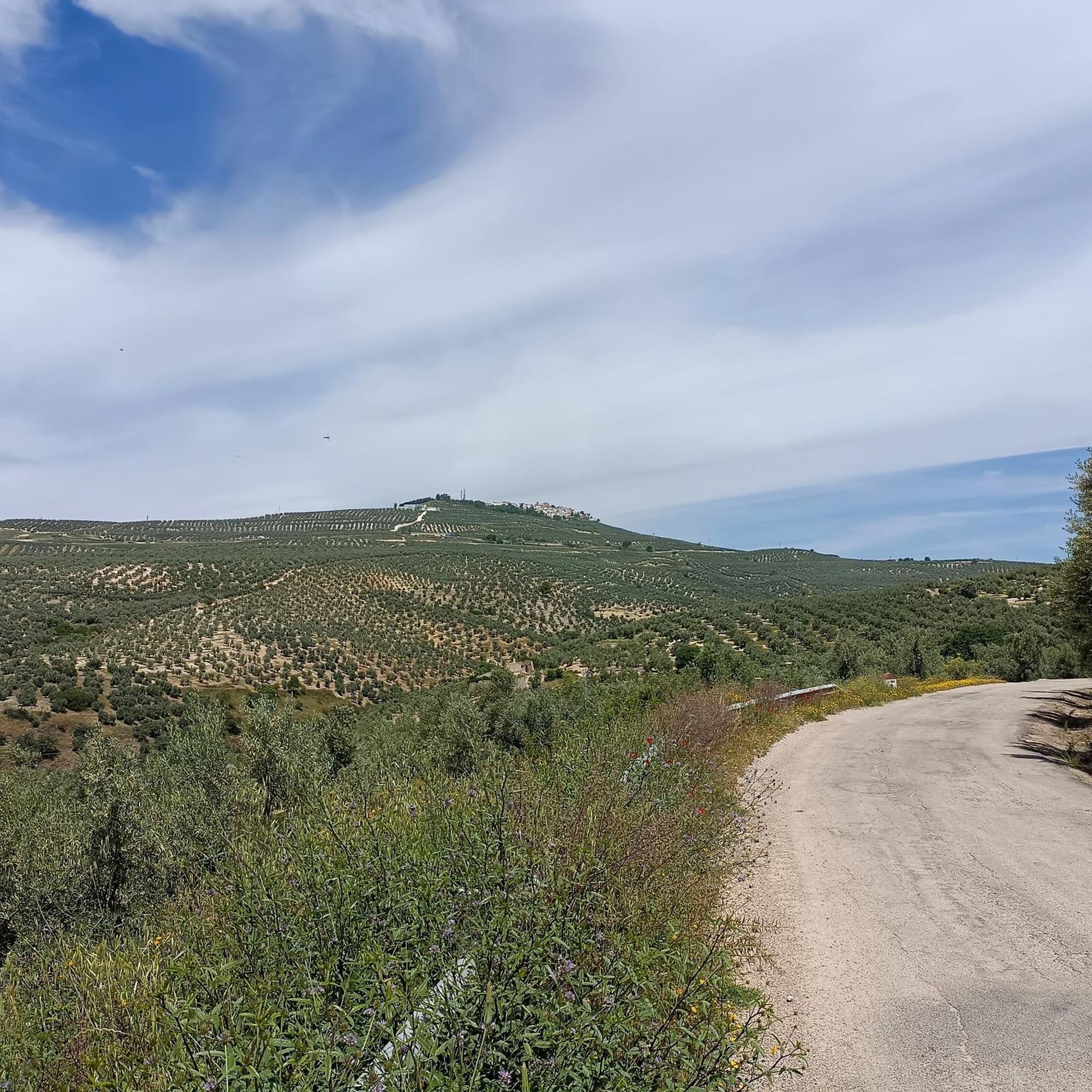
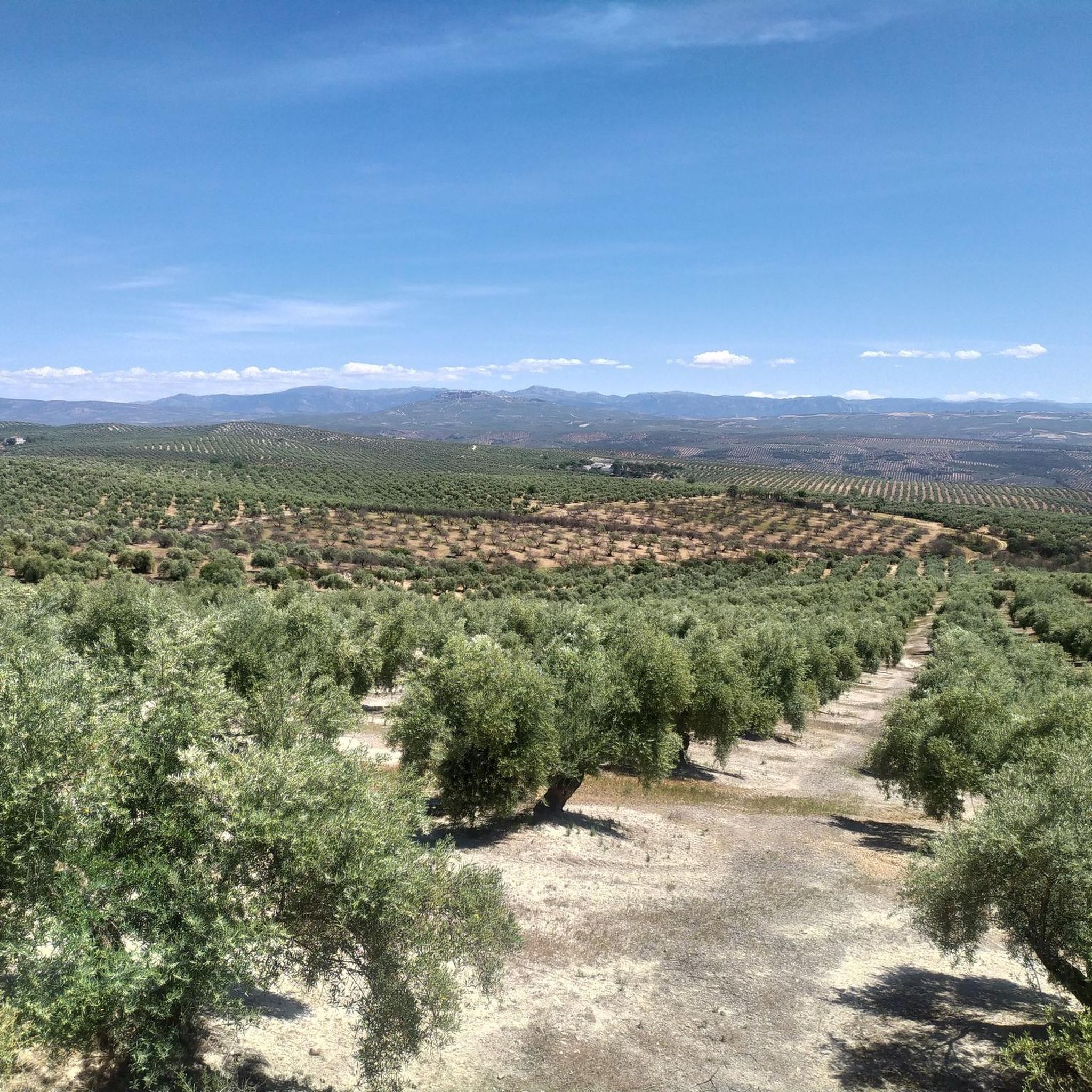
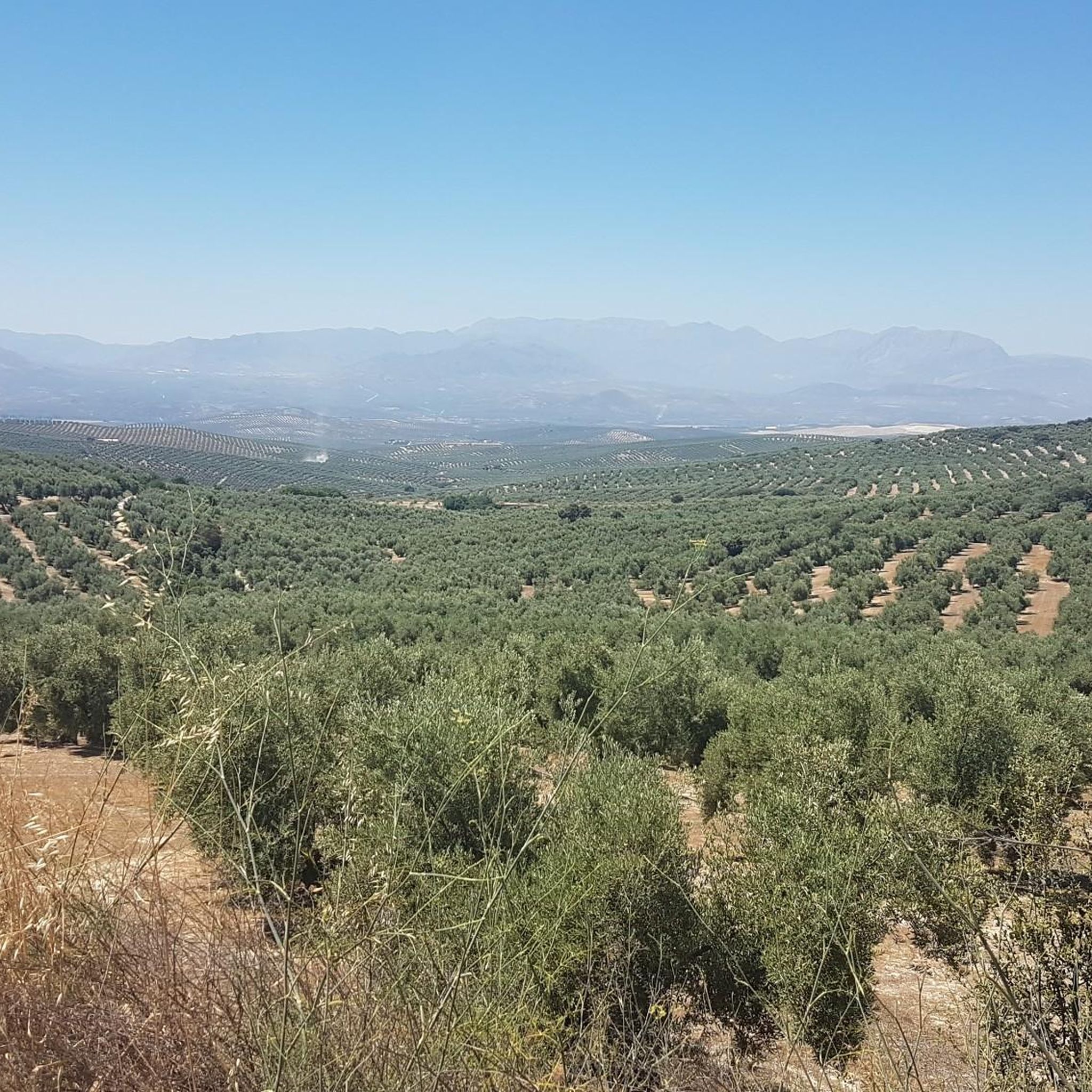
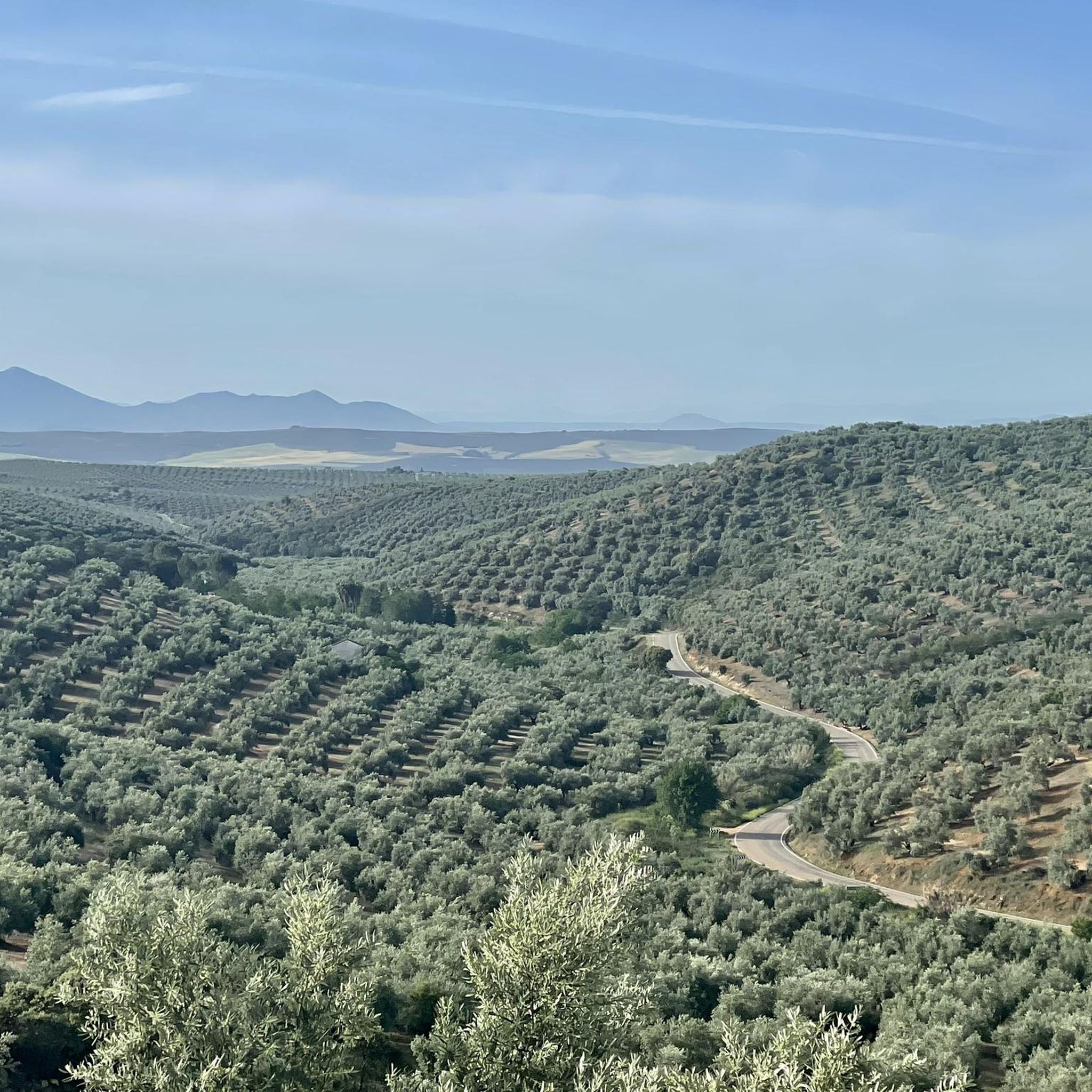
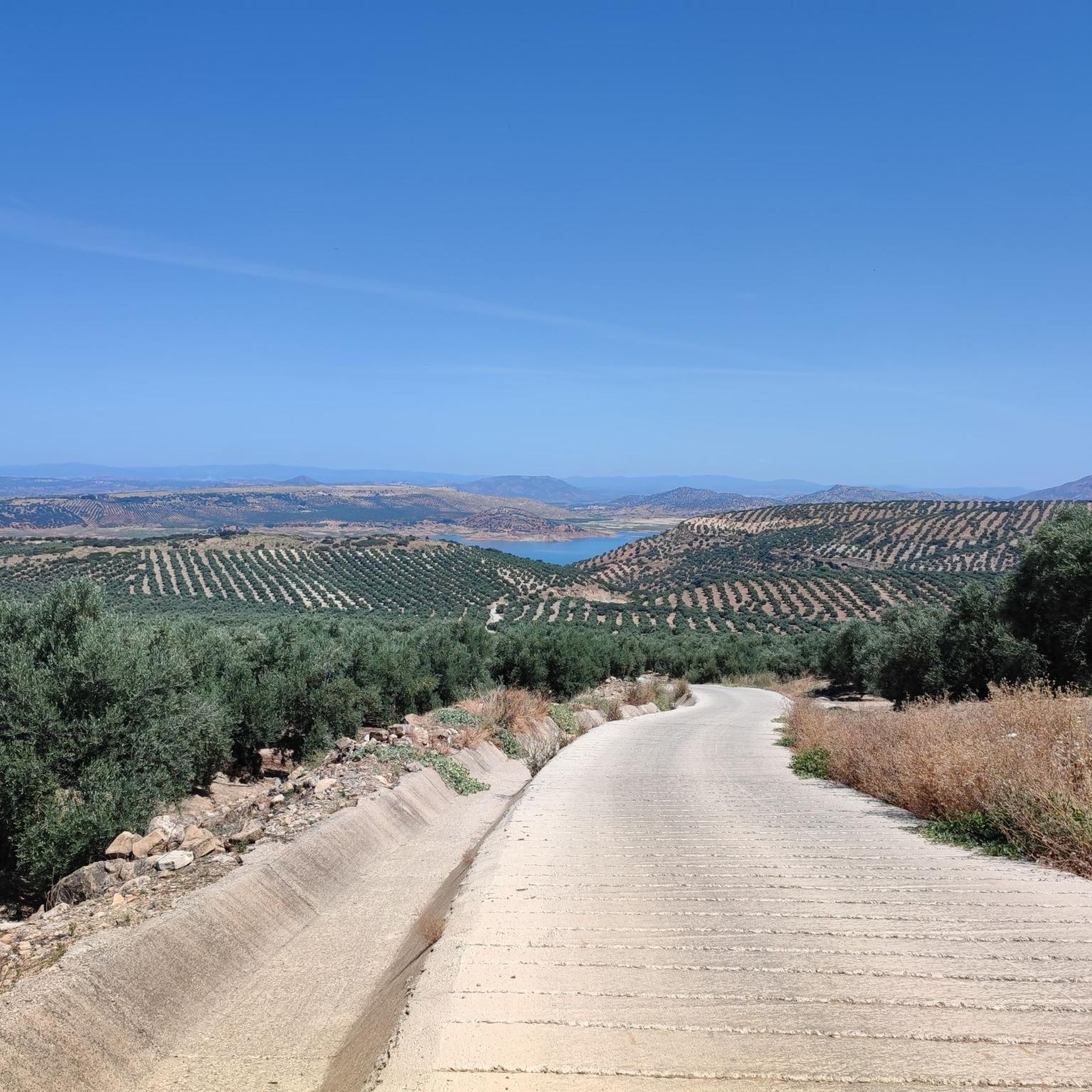
Best attractions and places to see around Sabiote include a historic town in the province of Jaén, Spain, known for its Renaissance architecture and deep-rooted past. The town's old quarter has been designated a Property of Cultural Interest. Sabiote is surrounded by expansive fields of cereals and olive trees, situated near the Guadalimar River. It is also part of the "Renaissance Triangle of La Loma," highlighting its significant historical and architectural heritage.
Best attractions and places to see around Sabiote
…Last updated: August 25, 2026
Sacred Chapel of the Savior
Highlight • Religious Site
If we take into …
Translated by Google •
Tip by

San Pablo Church in Úbeda
Highlight • Religious Site
Translated by Google •
Tip by
Sign up now to discover places like this
Get recommendations on the best single tracks, peaks, & plenty of other exciting outdoor places.
Sign up for free
Castillo de Sabiote
Highlight • Castle
Translated by Google •
Tip by

Plaza de Toros de Úbeda
Highlight • Historical Site
The inauguration date was that …
Translated by Google •
Tip by
Basilica of the Royal Alcazars
Highlight • Religious Site
It was declared a …
Translated by Google •
Tip by
Sign up for free to discover even more attractions around Sabiote.
Sign up for free
Already have an account?
Start today with a free account
Your next adventure awaits.
Login or Signup

Other adventures around Sabiote

Tips from the Community

The Church of San Pablo was built in the 13th century on the site of a former mosque. This church is one of the oldest in the city and impresses with its blend of styles: a Romanesque portal, known as the Carpenters' Gate, a Renaissance-style side facade, and a late Gothic interior. The church is located in Plaza Primero de Mayo, also known as Paseo del Mercado (Market Square), as for centuries public markets were held here, as well as political events such as city council elections, religious services, and theatrical performances. Around the square, you can see the old Town Hall, the monument to Saint John of the Cross in the center, and at number 20, the house where Joaquín Sabina was born.
1
0
The Sacra Capilla de El Salvador is located at the far end of the Plaza Vázquez de Molina. It is the family mausoleum of Francisco de los Cobos, secretary to Emperor Charles V. Its façade and portal, both in the Plateresque style, are particularly noteworthy.
1
0
The Church of Santa María de los Reales Alcázares is located opposite the Palacio de las Cadenas, in Plaza Vázquez de Molina. Declared a National Monument and part of the UNESCO World Heritage Site, this collegiate church was built on the remains of the Great Mosque after the Reconquista (13th century). It is notable for its superimposition of styles, including Gothic, Mudéjar, Renaissance, Baroque, and Neo-Gothic. Visiting hours: Monday to Saturday, 10:00 AM to 2:00 PM and 5:00 PM to 8:00 PM; Sundays, 11:00 AM to 2:00 PM and 5:00 PM to 8:00 PM.
1
0

A temple of Visigothic origin, built in the 17th century as a church dedicated to Catholic worship, it is part of the city's Renaissance architectural complex, which was declared a World Heritage Site by UNESCO in 2003.
20
0
This old mosque in Úbeda became the church of Santa María de los Reales Alcázares in 1233, also known as the collegiate church of Santa María. It was declared a national monument in 1926 and a world heritage site in 2003.
12
0
Curiously, this building is not a church and has never belonged to the church, but rather it is a huge pantheon belonging to the Cobos family. If we take into account that Francisco de los Cobos was secretary of state of Emperor Charles I of Spain, he was also a patron and knight of the Great Order of Santiago, we can get an idea of the important power that this family had. In 1522 and when he was 45 years old, he married Doña María de Mendoza y Sarmiento, who was 14 years old, to guarantee offspring, since she had the title of countess.
11
0
Church located in the Plaza Primero de Mayo, it is Romanesque-Gothic-Renaissance-Baroque style (XIII-XVIII) Located in an old mosque, its three portals stand out: the Carpinteros to the west dating from the 13th century, the Main one located to the south carved in 1511 in the Gothic-Elizabethan style, and finally the North Portal which was built between 1483 and 1489. There is a fountain attached to the apse and was built in 1591.
11
0
This monumental bullring was inaugurated in 1857 where there was an old convent known as San Nicasio, founded at the beginning of the 15th century. The inauguration date was that year of 1857 in which the bullfighter "Lagartijo" took the alternative, the same one who later inaugurated the Baeza bullring.
9
0
Frequently Asked Questions
What historical sites can I explore in Sabiote?
Sabiote is rich in history. You can visit the impressive Castillo de Sabiote, a 13th-century fortification that was transformed into a Renaissance court palace. The town also preserves significant portions of its medieval walls and gates, such as the Chirigote, Pelotero, and Granada gates, which are part of its declared Historic-Artistic Site.
What religious buildings are notable in and around Sabiote?
Beyond Sabiote itself, the nearby town of Úbeda offers several significant religious sites. These include the Sacred Chapel of the Savior, a grand pantheon for the Cobos family, and San Pablo Church in Úbeda, which showcases a blend of Romanesque, Gothic, Renaissance, and Baroque styles. Also, the Basilica of the Royal Alcazars, originally a mosque, is a must-see monument in Úbeda.
Are there any family-friendly attractions in the Sabiote area?
Yes, the San Pablo Church in Úbeda is noted as a family-friendly historical site. Additionally, the Cañada Real El Paso recreational area in Sabiote offers amenities like a children's park, kiosks, and a football field, making it an ideal spot for a family day out.
What natural features can I enjoy around Sabiote?
Sabiote is surrounded by expansive fields of cereals and olive trees, offering picturesque landscapes. The town is also close to the Guadalimar River and the Giribaile and Olvera reservoirs. For a tranquil experience, Parque Manuel Jurado provides natural beauty and is perfect for walks and relaxation.
Where can I experience the Renaissance heritage of the region?
Sabiote is part of the 'Renaissance Triangle of La Loma,' along with Úbeda and Baeza. You can explore Sabiote's own Renaissance noble houses, such as Palacio las Manillas, and admire the Plateresque details throughout its historic center. The Castillo de Sabiote itself is an important example of a Renaissance castle-bastion.
Are there opportunities for hiking near Sabiote's attractions?
Absolutely. There are several hiking routes available, including the 'Úbeda Historic Center Trail' for an easy walk, and more challenging options like the 'Castillo de Sabiote - circular from Torreperogil'. You can find more details and routes on the Hiking around Sabiote guide.
What cycling routes are available around Sabiote?
For cyclists, there are various MTB and road cycling routes. Mountain bikers can explore trails like 'Castillo de Sabiote – World Heritage Site loop from Estación de Torreperogil'. Road cyclists might enjoy 'Plaza del Pópulo, Baeza – Plaza de Toros de Úbeda loop from Sabiote'. More options are detailed in the MTB Trails around Sabiote and Road Cycling Routes around Sabiote guides.
What is the Albaicín Neighborhood in Sabiote?
The Albaicín Neighborhood is the oldest and most picturesque part of Sabiote, located at the foot of the northern wall. It features a typical medieval layout with narrow, winding streets, small squares, and dead-end alleys, offering an evocative atmosphere of the town's past.
Can I find any unique cultural experiences in the area?
Beyond the architectural marvels, you can visit the Barefoot Carmelites Convent, founded in 1584, which commemorates the presence of Saint John of the Cross. Part of this convent now serves as Sabiote's Casa de la Cultura, offering a glimpse into local cultural life.
What is the significance of the Plaza de Toros de Úbeda?
The Plaza de Toros de Úbeda is a monumental bullring inaugurated in 1857. It was built on the site of an old convent and is considered an important cultural and historical building in the city of Úbeda, reflecting a significant aspect of Spanish tradition.
What are some lesser-known historical gems in Sabiote?
While the castle is prominent, don't miss the Church of Saint Peter, which displays a fascinating blend of Flamboyant Gothic and Proto-Renaissance styles. The Church of Saint Mary is also an important religious site worth visiting for its historical and architectural value.
Most popular routes around Sabiote

Get inspired with the komoot mobile app


Explore more
Still not found the Highlight you’re looking for? See guides of the top attractions in other regions:
