Attractions and Places To See around Manciles - Top 6
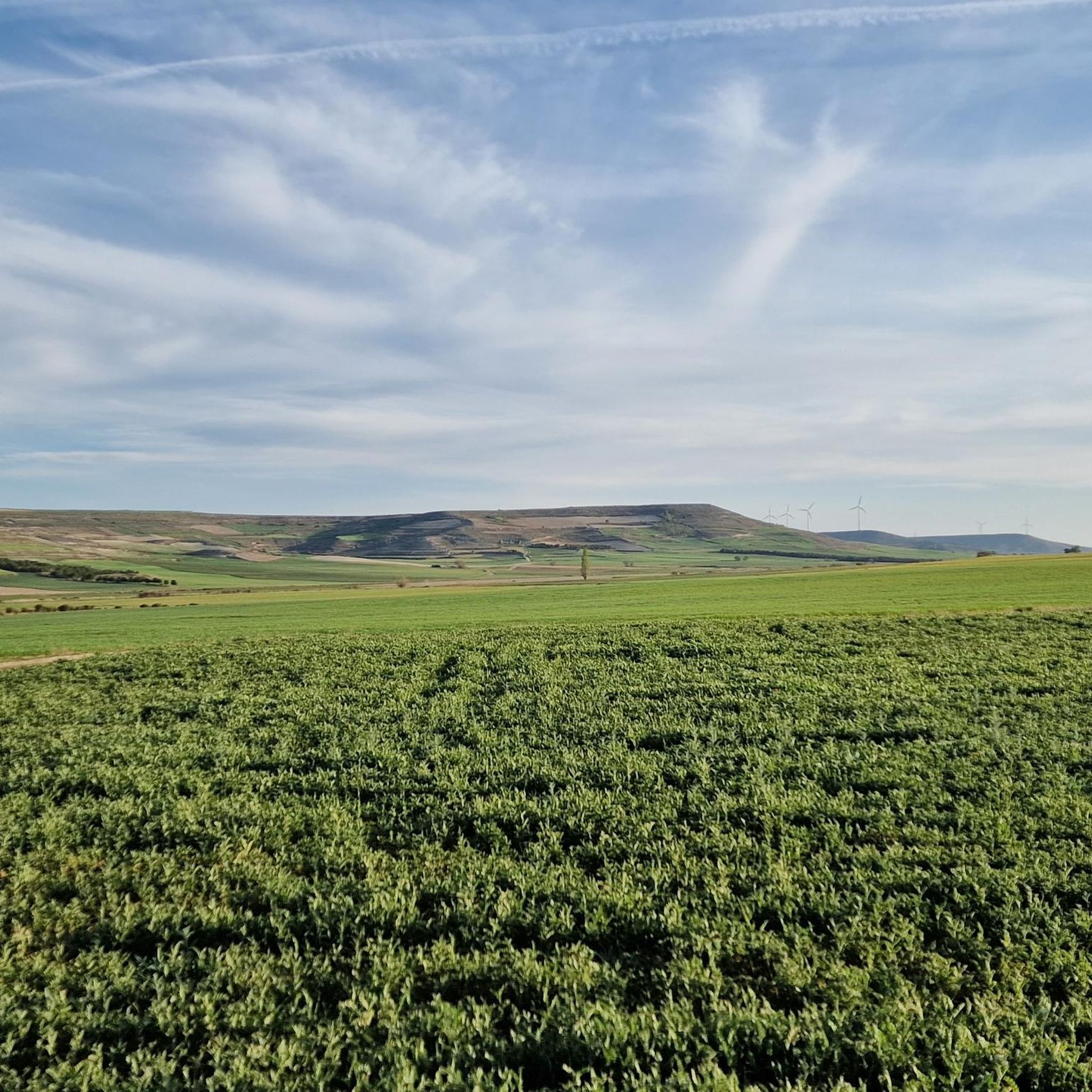
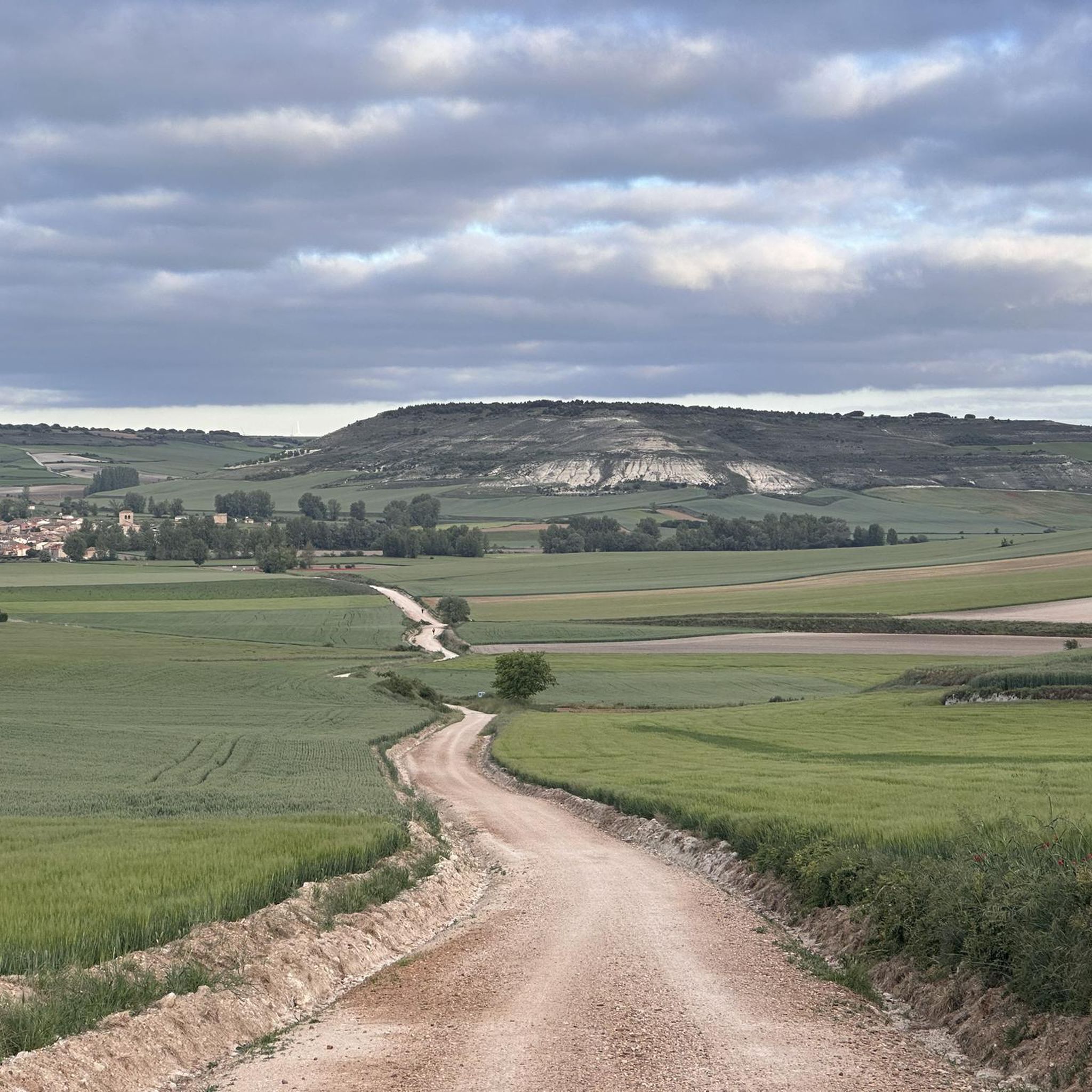
Attractions and places to see around Manciles, Spain, reveal a small, peaceful municipality located in the province of Burgos, within the Castile and León region. This area, situated in the Odra-Pisuerga region at an elevation of 885 meters, offers a serene rural environment. Manciles embodies traditional Spanish charm, providing views of surrounding fields and small hills. Its appeal lies in its quiet streets and authentic village life.
Best attractions and places to see around Manciles
- The most popular attractions is…
Last updated: July 1, 2026
Medieval bridge over the Brullés River (Villadiego)
Highlight • Bridge
Translated by Google •
Tip by

Arch of San Miguel de Mazarreros
Highlight • Historical Site
🏛️ History and Architecture
Translated by Google •
Tip by

Sign up now to discover places like this
Get recommendations on the best single tracks, peaks, & plenty of other exciting outdoor places.
Sign up for free
Tower of Olmos de la Picaza
Highlight • Monument
Translated by Google •
Tip by
Castillo de Olmillos de Sasamón
Highlight • Castle
Translated by Google •
Tip by

Views of Tobar
Highlight • Settlement
Translated by Google •
Tip by

Start today with a free account
Your next adventure awaits.
Login or Signup
Popular around Manciles
Tips from the Community

The Arch of San Miguel de Mazarreros is an impressive vestige of the Middle Ages located in Sasamón (province of Burgos, Castile and León): 🏛️ History and Architecture Built in the 12th century, the arch was part of the Romanesque—and possibly proto-Gothic—church of San Miguel de Mazarreros, which disappeared during the 15th century after the town was absorbed by Sasamón. Currently, this arch is the only visible remnant of the medieval temple. It is a splayed ashlar doorway with up to seven decorated archivolts, whose capitals have suffered erosion and plundering but still retain traces of original ornamentation. 📍 Location Just 1 km northwest of Sasamón, next to the BU-610 road that connects Sasamón with Sotresgudo. It is located in an agricultural setting, amidst wheat fields and next to the Brullés River, a tributary of the Odra. 🛡️ State of Conservation It was included on the Hispania Nostra Red List of Heritage in 2014 due to its significant deterioration due to neglect, looting, and lack of structural protection. Its legal protection dates back to the Spanish Historical Heritage Law of 1985, although historically it had not been intervened until a consolidation and cleanup project undertaken in 2020. The work was carried out by the company Garsan, along with prior archaeological studies to preserve possible remains underground and install lighting to enhance its visibility without moving it from its original location. 🌾 Cultural Significance and Tourist Attraction The arch has become an evocative symbol of "empty Spain," standing out as a striking point for pilgrims on the French Way, photographers, and rural heritage lovers. Beyond its historical value, it inspires reflection on the passage of time and the ephemeral nature of villages that disappear, leaving only a portal that witnessed the past. ℹ️ Useful information Appearance Details Exact location Highway BU‑610, 1 km from Sasamón; coordinates: approximately 42.42667°N, –4.04649°W Current status Consolidated after restoration in 2020 How to get there From Sasamón, take the road towards Sotresgudo. You can see it next to the fields Nearby surroundings Church of Santa María la Real, Sasamón walls, Medieval Center (less than 1.5 km away) Heritage value Legally listed as a "Protected Site" since 1985, although it suffered from historical neglect 🧭 Why visit? To see one of the best vestiges of the late Romanesque style in Castile and León. For its solitary and poetic atmosphere, often cited by travelers as a place "lost in the middle of nowhere," and with legends linking it to ancient passageways to Sasamón. Enjoy medieval architecture and reflect on the evocation of a vanished village, represented only by its gate. Would you like to know nearby routes, local contacts, the best times to visit, or even more detailed photographs? I'm here to help!
0
0

The Medieval Bridge of Villadiego is a historic structure located in the town of Villadiego, in the province of Burgos, Castile and León, Spain. Dating back to medieval times, this bridge is a notable example of the architecture of the period and has witnessed numerous historical events over the centuries. The bridge is built of stone and has several arches that allow passage over the Brullés River. Its robust design and strategic location made it an important point for transit and trade in the region during the Middle Ages.
6
0
In and around Olmos de la Picaza, you can enjoy outdoor activities such as hiking and cycling. In addition, the region has several points of historical and cultural interest, such as churches and traditional buildings that reflect the typical architecture of the area.
4
0
The Brullés River is born from a series of springs and fountains near Fuencivil. After travelling thirty-five kilometres it flows into the Odra River, which in turn flows into the Pisuerga. It passes through various towns including Quintanilla de la Presa, Brullés, Villaute and Villadiego.
6
0
The Villadiego bridge is an example of civil architecture that is made up of three arches, the central one being higher and wider than the side ones. It is made of stone, its construction is ashlar and it has a vaulted structure.
6
0

Impressive castle converted into a heritage hotel in the town of Olmillos de Sasamón surrounded by a rural landscape of cereal fields and farms.
1
1

In the Omos de la Picaza there is a tower that rises over the rest of the roofs of the town and that can be seen when the town arrives from any of the directions.
0
0

Beautiful medieval bridge formed by three eyes, the central one higher and wider than the lateral ones. The bridge crosses the Brullés river as it passes through Villadiego on the old road that led to Burgos.
1
0
Frequently Asked Questions
What historical sites can I visit near Manciles?
The area around Manciles is rich in history. You can explore the Arch of San Miguel de Mazarreros, a 12th-century Romanesque remnant in an agricultural setting. Another significant historical structure is the Medieval bridge over the Brullés River (Villadiego), an impressive stone bridge that was vital for transit and trade during the Middle Ages. Additionally, the Castillo de Olmillos de Sasamón, an impressive castle converted into a heritage hotel, offers a glimpse into the region's past.
Are there any traditional architectural features to see within Manciles itself?
While Manciles is a small municipality, it retains traditional Spanish charm. Within the village, you can find the
Church of San Andrés Apóstol
, which reflects local architectural heritage, theTown Hall (Casa Consistorial)
, and aTraditional Dovecote (Palomar tradicional)
, offering a look into rural practices common in the region.Where can I find scenic views around Manciles?
For scenic views, head to Views of Tobar, where a settlement and its church rise on a small hill, enclosed by the Río Hormazuela. The broader area around Manciles, situated at an elevation of 885 meters, also offers tranquil views of surrounding fields and small hills, characteristic of the Burgos province.
What kind of outdoor activities are available in the Manciles area?
The serene rural environment around Manciles is ideal for outdoor activities. You can enjoy tranquil walks through fields and small hills. For more structured activities, there are several cycling routes. You can find various MTB Trails around Manciles, including routes like the 'Portillo del Infierno Trail' and 'Las Loras R14 Trail'. Additionally, there are Road Cycling Routes around Manciles, such as the 'Páramo de Villadiego — circular por Úrbel del Castillo y Tobar'.
Are there family-friendly attractions around Manciles?
Yes, several attractions in the area are suitable for families. The Medieval bridge over the Brullés River (Villadiego), the Castillo de Olmillos de Sasamón, and the Views of Tobar are all categorized as family-friendly. Exploring these historical sites and enjoying the rural landscape can be a pleasant experience for all ages.
What is the best time to visit Manciles for outdoor activities?
The Burgos province, where Manciles is located, generally experiences pleasant weather for outdoor activities during spring and early autumn. These seasons offer milder temperatures, which are ideal for walking, cycling, and exploring the rural landscape without the intense heat of summer or the colder conditions of winter.
What natural features characterize the area around Manciles?
Manciles is situated in the Odra-Pisuerga area, characterized by a serene rural landscape of natural beauty. You'll find extensive fields and small hills, typical of the Spanish countryside. The area is also influenced by rivers like the Brullés River, which flows into the Odra, and the Río Hormazuela, which passes by Tobar.
Is there accommodation available in or near Manciles?
While Manciles itself is a very small village, the surrounding region offers accommodation options. For example, the Castillo de Olmillos de Sasamón has been converted into a heritage hotel. You can also find various rural houses and small hotels in nearby villages within the Odra-Pisuerga area, providing a tranquil base for exploring.
Can I find places to eat or drink near Manciles?
Given Manciles' small size, dining options within the village are limited. However, you can find cafes, pubs, and restaurants in larger nearby villages and towns within the Odra-Pisuerga region. These establishments often serve traditional Castilian cuisine, offering a taste of local flavors.
What is the Tower of Olmos de la Picaza?
The Tower of Olmos de la Picaza is a notable historical structure that rises above the rest of the town's hills. It's a significant landmark in the area, offering insights into the region's past and providing a focal point for the surrounding landscape. The area around it is also suitable for hiking and cycling.
What makes the Arch of San Miguel de Mazarreros significant?
The Arch of San Miguel de Mazarreros is a significant vestige of the Middle Ages, built in the 12th century. It is the only visible remnant of the Romanesque church of San Miguel de Mazarreros, which disappeared centuries ago. This splayed ashlar doorway with decorated archivolts stands in an agricultural setting, symbolizing 'empty Spain' and offering a solitary, poetic atmosphere for visitors and pilgrims.
Most popular routes around Manciles

Get inspired with the komoot mobile app


Explore more
Still not found the Highlight you’re looking for? See guides of the top attractions in other regions:
