The best road cycling routes around Martinamor
3.0
(1)
176
riders
18
rides
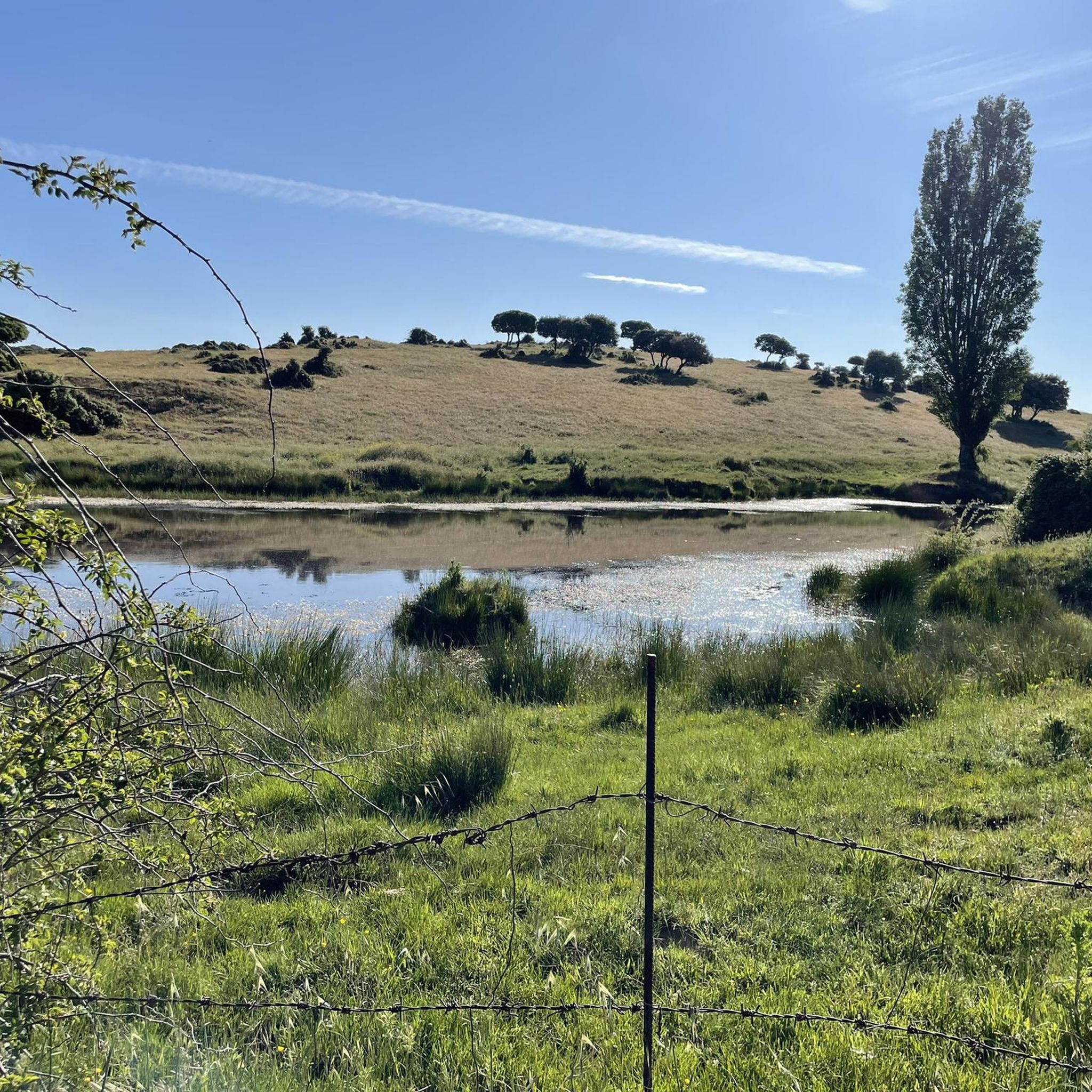
Road cycling around Martinamor, located in the province of Salamanca, Spain, offers varied landscapes for cyclists. The region features a network of routes traversing cereal fields and peaceful holm oak dehesas. Cyclists can also find sections along the Tormes River and routes that incorporate parts of the historic Vía de la Plata. The terrain includes gentle gradients and more challenging sections with notable elevation changes.
Best road cycling routes around Martinamor
- The most popular road cycling route is Villages of…
Last updated: June 28, 2026
8
riders
Easy road ride. Great for any fitness level. Mostly well-paved surfaces and easy to ride.
1
riders
67.3km
03:01
340m
340m
This moderate 41.8-mile road cycling route from Alba de Tormes explores the Tierra de Alba, featuring the Castle of the Dukes of Alba.

Sign up for free
59
riders
68.9km
03:42
670m
670m
Moderate road ride. Good fitness required. Some segments of this route may be unpaved and difficult to ride.
12
riders
Hard road ride. Very good fitness required. Some segments of this route may be unpaved and difficult to ride.
14
riders
Easy road ride. Great for any fitness level. Mostly well-paved surfaces and easy to ride.
Get access to more routes and recommendations from other explorers.
Sign up for free
Already have an account?
Our route recommendations are based on thousands of hikes, rides, and runs completed by other people on komoot.
Start today with a free account
Your next adventure awaits.
Login or Signup
Popular around Martinamor

Tips from the Community

Beautiful bridge and view
13
0

It's near the Roman bridge. The stained-glass window is spectacular.
0
0

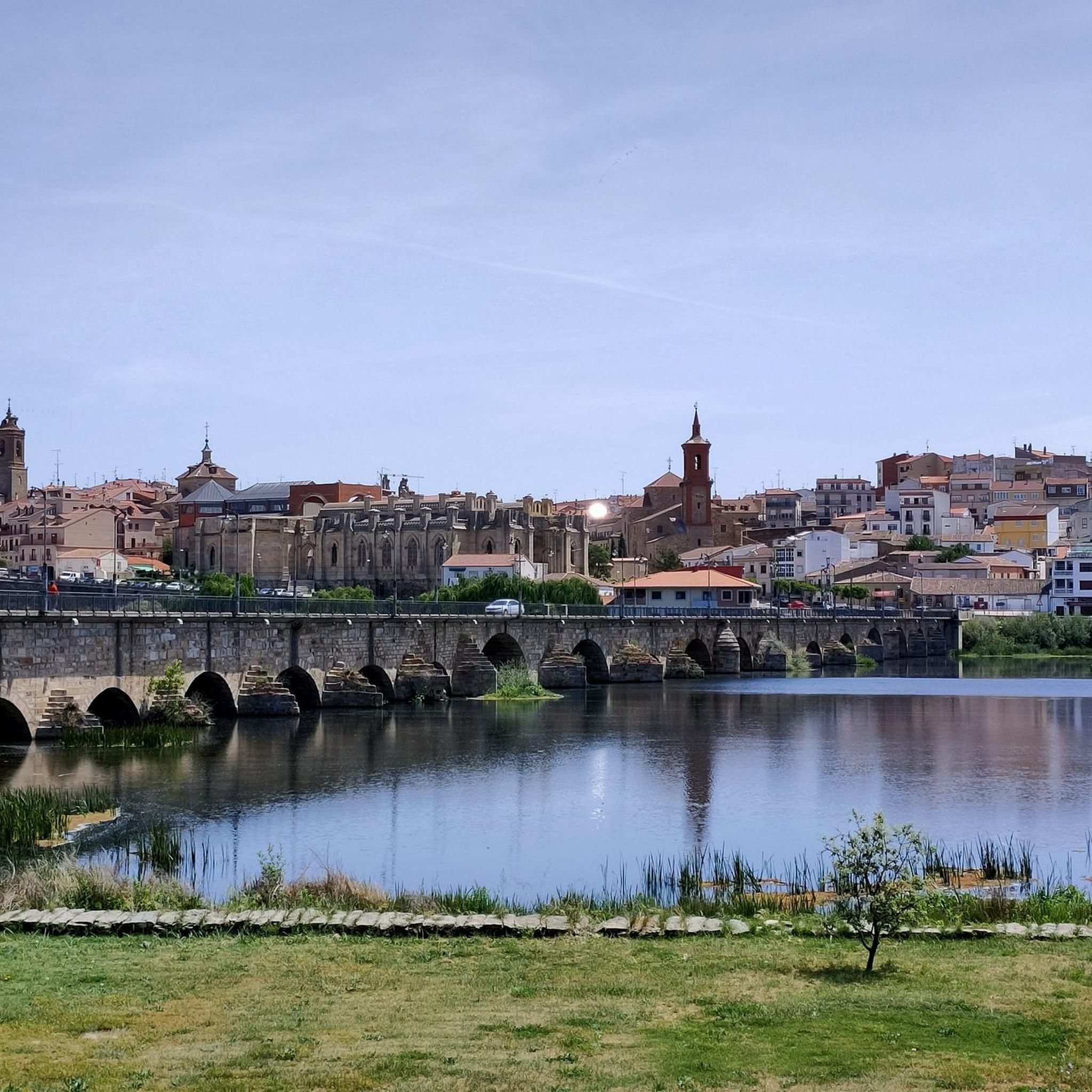
The history of Salamanca's Roman bridge is intertwined with that of the city itself, and it has been one of its defining features for centuries. Located in a position that facilitated human settlement and the development of economic activity, its proximity to the three hills and the Tormes River made it a strategic location. It is a solid bridge, resistant to the passage of time. For centuries it served as the main access point to the city, until a new bridge was completed over the Tormes River in 1913, allowing the passage of vehicles.
10
0

Collections: Furniture and decorative objects from Art Nouveau (late 19th century) and Art Deco (until World War II) One of the largest collections of porcelain dolls in the world Glassware, jewelry, fans, textiles, bronzes, porcelain, and enamels Special highlights include chryselephantine figurines and high-quality glass pieces.
5
0

great view back over Salamanca
3
0

The fact that a place on the Iberian Peninsula is included in the list of the three most famous pilgrimage destinations in the Christian world – along with Jerusalem and Rome – is thanks to one of Jesus' apostles, who is said to have preached here. After his martyrdom, which is briefly reported in the Acts of the Apostles, his body miraculously found its final resting place here: Saint James the Greater. A small local sanctuary was initially built over his grave; later, a city developed that even bears his name (Santiago de Compostela), and the church in his honor became a cathedral, i.e., a bishop's church. According to national legend, Saint James also played a key role in the reconquest of the Iberian Peninsula from the Moors and is the patron saint of Spain.
2
0

Casa Lis is an impressive building created in 1905 on the city wall by architect Joaquín Vargas Aguirre for Miguel de Lis. It is one of the city's most admired monuments, and the north façade, currently the visitor entrance, is the finest example of modernist art in Salamanca. The complex, consisting of a two-story façade, courtyard, and gate, is extremely simple. The first floor and the gates are decorated with Belgian Art Nouveau influences; while the wooden door, set in a low arch, features floral and aquatic motifs highlighted in relief. The stained-glass windows on the south façade, facing the river, are particularly striking, providing ample light to the house and are of great beauty. Although Casa Lis was originally built as a family home, it has been home to the Museum of Art Nouveau and Art Deco since 1995, thanks to the donation of 19 collections of art objects (a total of approximately 2,500 pieces) by Salamanca-based antique dealer Manuel Ramos Andrade. New pieces acquired by the Museum have been added to these collections.
0
0
Frequently Asked Questions
How many road cycling routes are available around Martinamor?
Based on komoot data, there are over 15 road cycling routes around Martinamor. These routes vary in length and difficulty, catering to different preferences and fitness levels.
What kind of terrain can I expect on road cycling routes near Martinamor?
The region around Martinamor offers diverse terrain for road cyclists. You can expect routes that traverse cereal fields, peaceful holm oak dehesas (wooded pastures), and sections along the Tormes River. Some routes also feature more challenging sections with notable elevation changes, particularly as you approach mountain ranges like the Sierra de Villafranca.
Are there routes suitable for beginners or those looking for an easy ride?
Yes, Martinamor offers several easy road cycling routes. For instance, the Villages of the Tormes River and Castle of the Dukes of Alba — circular from Alba de Tormes is an easy 21.7-mile (34.9 km) trail, offering gentle gradients and scenic views.
What are some more challenging road cycling routes in the area?
For experienced cyclists seeking a challenge, routes like the View of Salamanca Cathedral – Roman Bridge of Salamanca loop from Alba de Tormes offer a difficult 68.5-mile (110.2 km) ride with significant elevation changes, providing a demanding experience and panoramic vistas.
What is the best time of year for road cycling around Martinamor?
The best times to visit Martinamor for outdoor activities, including road cycling, are generally spring and autumn. During these seasons, temperatures are most pleasant, making for ideal riding conditions.
Are there any circular road cycling routes available?
Yes, many routes around Martinamor are designed as loops. For example, the Tierra de Alba Loop is a moderate 41.8-mile (67.3 km) circular path that provides a comprehensive tour through the Tierra de Alba region. Another option is the Monterrubio de la Sierra loop from Vaqueril, a 42.8-mile (68.9 km) trail through the Sierra area.
What historical or natural landmarks can I see along the cycling routes?
Cycling routes in the Martinamor area often pass by significant landmarks and natural features. You might encounter sections of the historic Vía de la Plata, an ancient Roman road. Notable attractions nearby include the Basilica of Saint Teresa, the Battle of Los Arapiles Monument, and the Views over Alba de Tormes. The Tormes River is also a prominent natural feature offering scenic views.
What do other road cyclists say about the routes in Martinamor?
The road cycling routes in Martinamor are highly rated by the komoot community, with an average score of 3.0 stars. Over 100 road cyclists have used komoot to explore the varied terrain, often praising the diverse landscapes, from cereal fields to holm oak dehesas, and the options available for all ability levels.
Can I explore the historic Vía de la Plata by road bike in this region?
Yes, the Martinamor area is known for incorporating sections of the historic Vía de la Plata (Silver Route) into its cycling network. This ancient Roman road and medieval pilgrimage path offers a unique cycling experience, connecting various towns and showcasing diverse landscapes.
Are there any routes that offer views of the Tormes River?
Absolutely. The Tormes River is a prominent natural feature in the region, and several road cycling routes offer scenic views along its banks. The Villages of the Tormes River and Castle of the Dukes of Alba — circular from Alba de Tormes route, for example, provides excellent views of the river and historic landmarks.
What are the general elevation profiles like for road cycling around Martinamor?
The elevation profiles around Martinamor vary significantly. While some routes traverse relatively flat cereal fields and dehesas with gentle gradients, others venture into more undulating terrain, particularly towards the Sierra areas. You can find routes with minimal elevation gain for easier rides, as well as more challenging options with several hundred meters of ascent, such as the View of Salamanca Cathedral – Roman Bridge of Salamanca loop from Alba de Tormes which features over 950 meters of climbing.
Most popular attractions around Martinamor

Get inspired with the komoot mobile app


Explore more
Browse the best Road cycling routes in other regions.
