The best cycling routes around Martiago
20
riders
8
rides
Touring cycling routes around Martiago traverse a diverse landscape within the Salamanca province of Spain. The region is characterized by varied topography, including the Sierra de Francia, which offers scenic vistas and a mix of challenging and picturesque paths. Riverine landscapes, such as those along the River Burguillos, and notable mountain passes like Esperabán Pass, contribute to the area's cycling appeal. These routes often connect natural features with traditional villages, providing a blend of outdoor activity and cultural exploration.
Best…
Last updated: June 28, 2026
2
riders
12.7km
00:49
170m
170m
Moderate bike ride. Good fitness required. Mostly paved surfaces. Suitable for all skill levels.
2
riders
22.7km
01:40
230m
230m
Moderate bike ride. Good fitness required. Mostly paved surfaces. Suitable for all skill levels.

Sign up for free
2
riders
39.1km
03:07
370m
370m
Moderate bike ride. Good fitness required. Mostly paved surfaces. Suitable for all skill levels.
1
riders
30.8km
01:58
390m
390m
Moderate bike ride. Good fitness required. Mostly paved surfaces. Suitable for all skill levels.
2
riders
28.7km
02:44
640m
640m
Hard bike ride. Very good fitness required. Mostly paved surfaces. Suitable for all skill levels.
Get access to more routes and recommendations from other explorers.
Sign up for free
Already have an account?
Our route recommendations are based on thousands of hikes, rides, and runs completed by other people on komoot.
Start today with a free account
Your next adventure awaits.
Login or Signup
Tips from the Community

The Alcázar Gate in Ciudad Rodrigo is one of the historic entrances to the city walls and has great heritage and scenic value. It was opened in 1507 by Antonio del Águila, warden of the Alcázar, when he built the defensive barrier in that area. It is located next to the Castle of Henry II of Trastámara, in the section of the wall facing the Águeda River, known as the Battery, due to the cannons that were once installed there.
4
0
The Plaza Mayor of Ciudad Rodrigo is the historical and social heart of the city, with a rich history that reflects its importance as an urban center: Since the Middle Ages, the Plaza Mayor has been the hub of public life: markets, proclamations, and council meetings were held there in the cloister of the former Church of San Juan. In the 16th century, public butcher shops were built, and it became a consolidated space for commercial and festive activities. Until then, the square was home to the Three Roman Columns, a vestige of the ancient Miróbriga, which had been a symbol of the city since the 13th century. In 1580, the square was expanded, incorporating the space that once housed the old prison and the Audiencia (Courthouse). It even had corridors for watching bullfights, a tradition that continues during carnivals.
7
0
Ciudad Rodrigo's Town Hall is located in the Plaza Mayor and is one of the city's most emblematic buildings. Its history is linked to the urban and political development of Ciudad Rodrigo since the Middle Ages. Medieval Origins: Ciudad Rodrigo was founded in Roman times, but its consolidation as a fortified urban center occurred in the Middle Ages. Municipal government was organized around the council, which initially met in council houses until the current building was built.
1
0

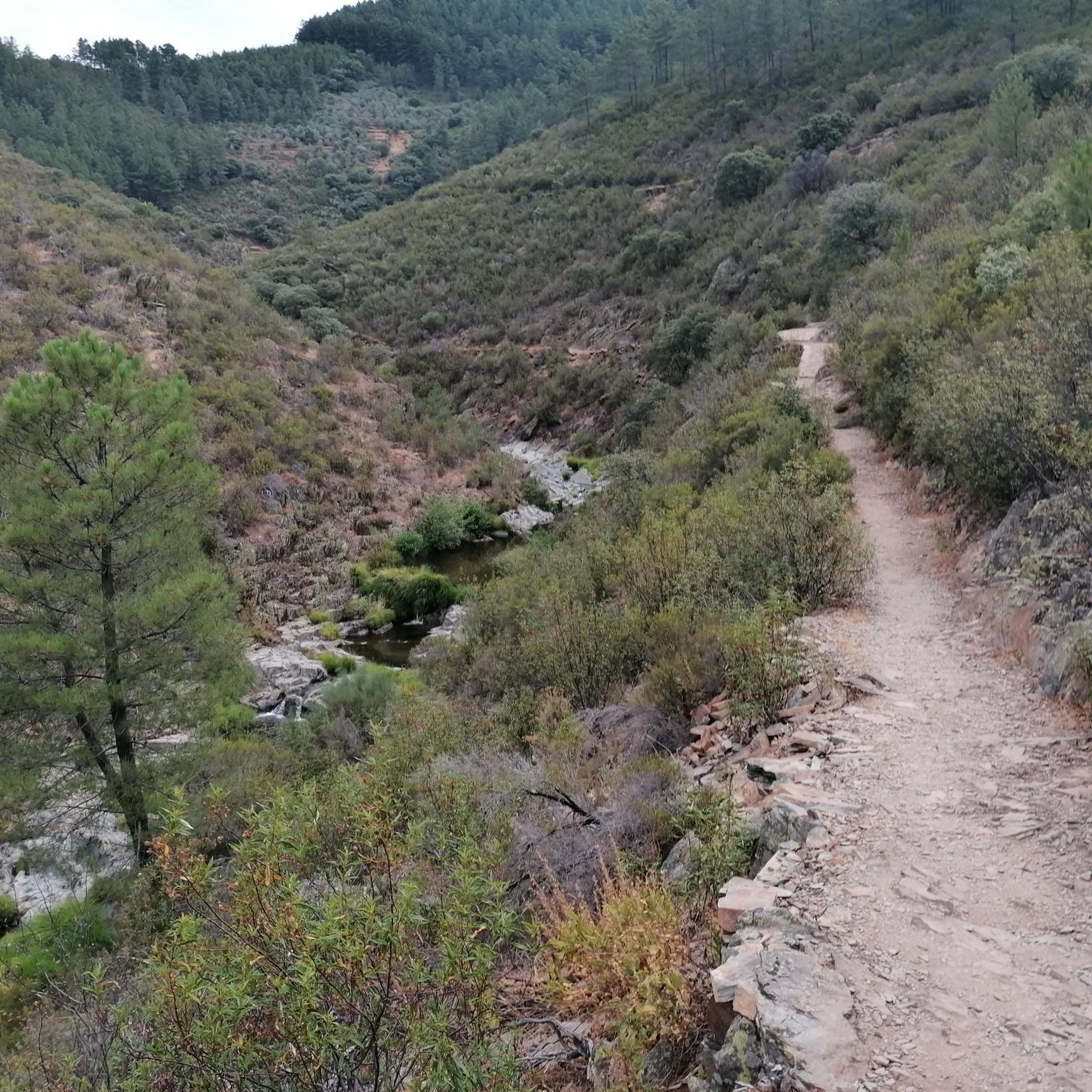
It's quiet here. You hear the call of a circling eagle. The rustling of the wind, and see the grazing cattle. You are alone in nature.
0
0
The Puerta del Alcázar is one of the ancient access gates to the walled enclosure of Ciudad Rodrigo. This gate, along with others such as the Puerta del Sol and the Puerta de Santiago, was part of the city's defensive system.
4
0
The Cathedral of Santa María is an imposing testimony of faith and art. It began to be built in the 12th century and stood as a grandiose temple in the heart of the city. Its history is intertwined with the presence and return of Christianity after Muslim domination. A visit to the cathedral includes exploring its museum and cloister, allowing you to immerse yourself in its rich history and architectural beauty.
10
0

Historical town from the Middle Ages with a city wall is well worth seeing. We spent one night right in the central square of the city. The square offers several opportunities to eat and sit outside. 👍
0
0

Descargamaría is a municipality in the province of Cáceres. In 2011 it had a population of 190 inhabitants. An interesting fact is that it has the highest percentage of nudists in the world.
1
0
Frequently Asked Questions
How many touring cycling routes can I find around Martiago?
There are 6 touring cycling routes available around Martiago, offering a diverse range of experiences for cyclists. These routes traverse varied topography, including parts of the Sierra de Francia and riverine landscapes.
Are there any challenging touring cycling routes in the Martiago region?
Yes, for those seeking a challenge, there are 2 difficult touring cycling routes. One notable option is the Robledillo de Gata – Descargamaría loop from Martiago, which covers 37.8 miles (60.8 km) with significant elevation changes, leading through charming traditional villages.
What kind of natural attractions can I see while cycling around Martiago?
The region boasts several natural attractions. You can visit the beautiful Chorrituelo Waterfall, whose flow varies seasonally. The area also features the Esperabán Pass, a mountain pass offering rewarding climbs and expansive views, and riverine landscapes along the Burguillos River.
Are there any routes that pass through historical sites or charming villages?
Absolutely. Many routes blend natural beauty with cultural exploration. For instance, the Cathedral of Santa María – Plaza Mayor Ciudad Rodrigo loop from El Bodón connects scenic countryside with the historic city of Ciudad Rodrigo. You can also explore charming traditional villages like Robledillo de Gata, known for its traditional Spanish life, or visit the historic Monastery of La Caridad.
Are there any circular touring cycling routes starting and ending in Martiago?
Yes, there are circular routes available. A popular moderate option is the Villarejo, Zamarra loop from Martiago, which is 14.1 miles (22.7 km) long and offers a varied cycling experience starting and ending in Martiago itself.
What is the best time of year to go touring cycling in Martiago?
Martiago's diverse landscapes are enjoyable throughout much of the year. However, spring and autumn generally offer the most pleasant weather for cycling, with milder temperatures and vibrant scenery. Summer can be warm, especially on more exposed routes, while winter might bring cooler conditions, particularly in higher elevations like the Sierra de Francia.
Are there any moderate touring cycling routes suitable for a relaxed ride?
Yes, the majority of routes around Martiago are classified as moderate, providing a balanced experience without extreme difficulty. The Águeda River loop from La Encina is a moderate 19.2 miles (30.9 km) route that offers scenic views along the river.
Can I find routes that offer good viewpoints or scenic vistas?
The region, particularly around the Sierra de Francia and the Esperabán Pass, is known for its scenic vistas. Routes often provide expansive views of the varied topography. The Esperabán Pass itself, with an elevation of 1,295 meters, offers rewarding climbs and panoramic views of the surrounding landscape.
What are the typical distances and elevations for touring cycling routes in this area?
Routes vary in length and elevation gain. For example, a moderate route like the Villarejo, Zamarra loop from Martiago covers 14.1 miles (22.7 km) with about 230 meters of elevation gain. More challenging routes, such as the Descargamaría loop from Descargamaría, can be around 17.8 miles (28.7 km) with over 640 meters of ascent, indicating significant climbs.
Is public transport available to access the cycling routes around Martiago?
While specific public transport links directly to all trailheads might be limited, Martiago is a municipality within the Salamanca province. It's advisable to check local bus schedules for connections to Martiago or nearby towns like Ciudad Rodrigo, which may serve as a starting point for some routes.
Are there any less crowded or 'hidden gem' routes for touring cyclists?
The region around Martiago is known for its
Are there any less crowded or 'hidden gem' routes for touring cyclists?
The region around Martiago is known for its
Are there any less crowded or 'hidden gem' routes for touring cyclists?
The region around Martiago is known for its
Are there any less crowded or 'hidden gem' routes for touring cyclists?
The region around Martiago is known for its
Are there any less crowded or 'hidden gem' routes for touring cyclists?
The region around Martiago is known for its
Most popular attractions around Martiago

Get inspired with the komoot mobile app


Explore more
Browse the best Cycling routes in other regions.
