The 13 Most Amazing Peaks around Triollo
Best mountain peaks around Triollo are found within the Montaña Palentina Natural Park, situated in the Cantabrian Mountains in Palencia, Spain. This region features high peaks, deep valleys, and diverse forests across approximately 80,000 hectares. The area provides a setting for exploring various mountain environments and natural features. It is known for its dramatic landscapes, offering experiences for mountaineers and nature enthusiasts.
Best mountain peaks around Triollo
- The most popular mountain peaks is Curavacas (2524m), a summit considered the…
Last updated: June 29, 2026
Curavacas (2524m)
Highlight • Summit
Translated by Google •
Tip by

Espigüete Summit (2,454 m)
Highlight • Summit
Translated by Google •
Tip by
Sign up now to discover places like this
Get recommendations on the best single tracks, peaks, & plenty of other exciting outdoor places.
Sign up for free
Peña Prieta Peak
Highlight • Summit
Translated by Google •
Tip by

Alto del Cubil del Can
Highlight • Summit
Translated by Google •
Tip by

Peña Redonda Summit
Highlight • Summit
Translated by Google •
Tip by
Sign up for free to discover even more peaks around Triollo.
Sign up for free
Already have an account?
Start today with a free account
Your next adventure awaits.
Login or Signup
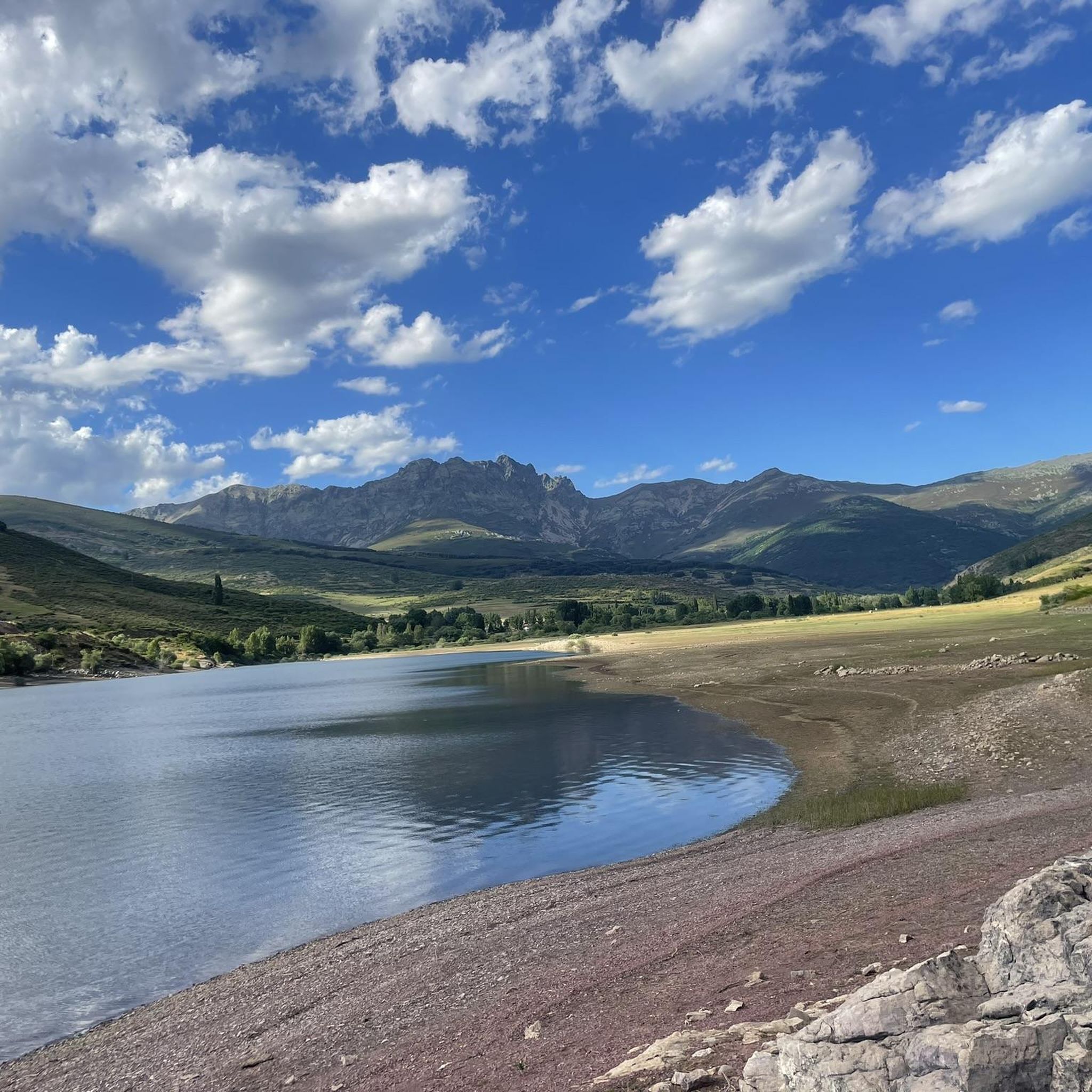
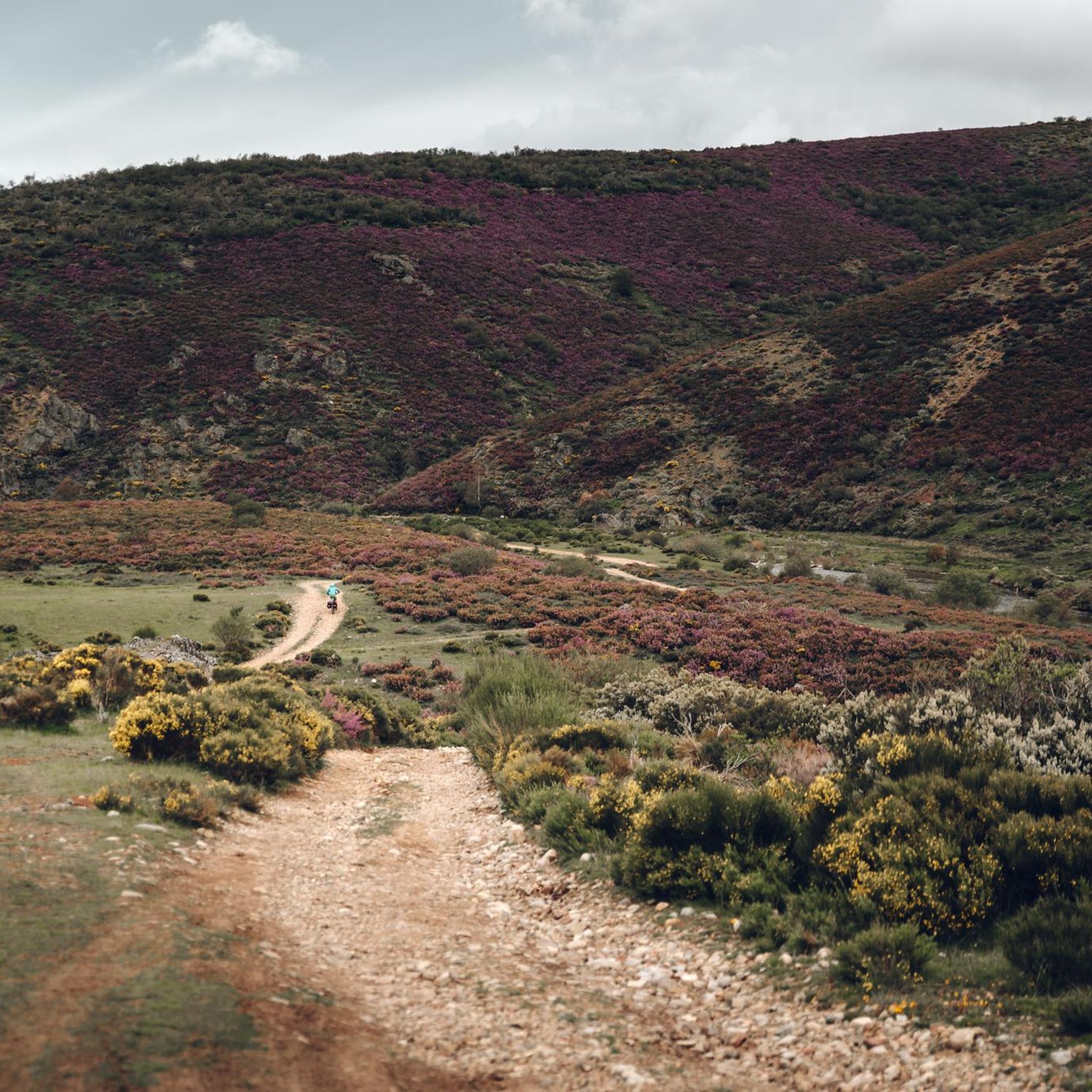
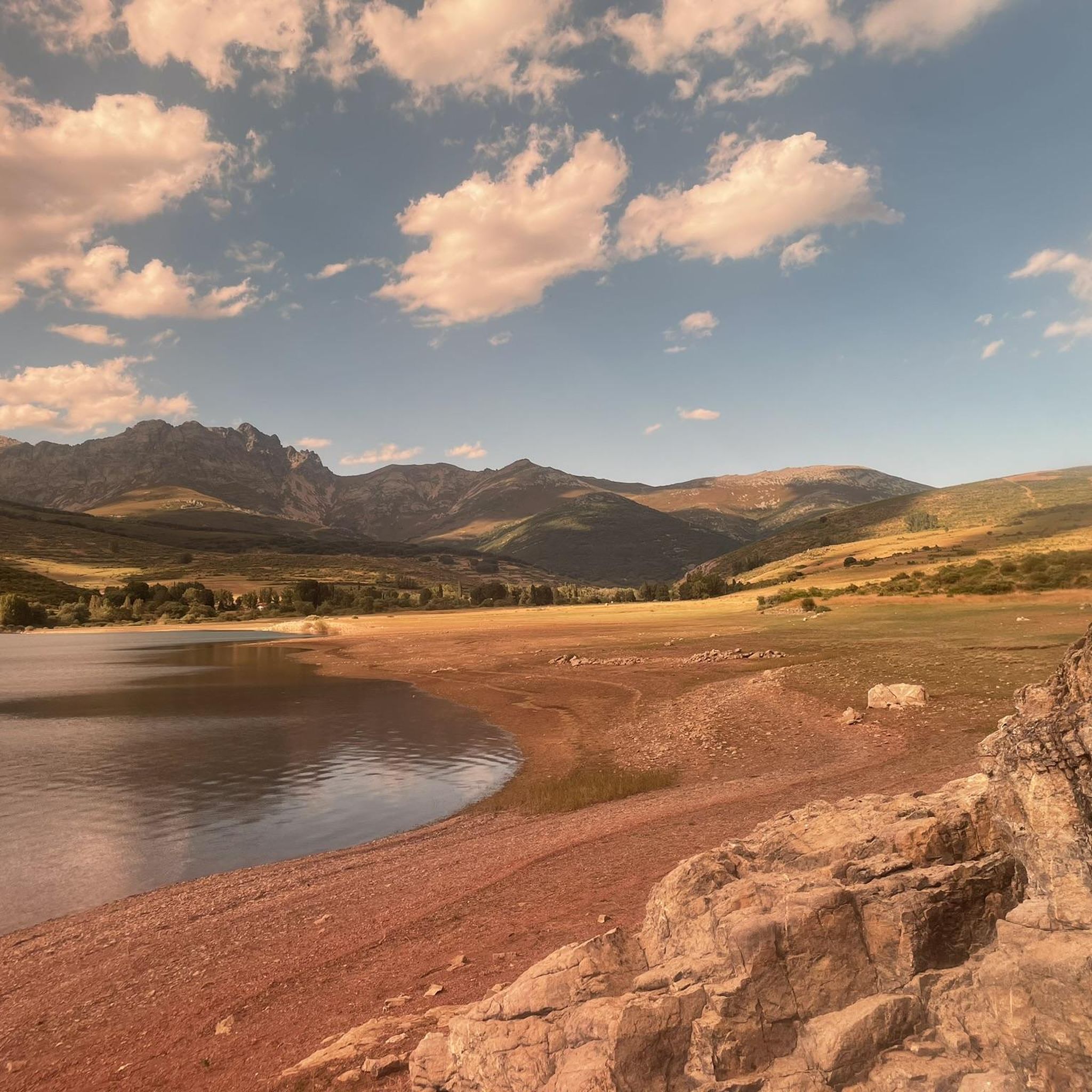
Tips from the Community

Climbing Curavacas is an exciting experience for mountain lovers. There are several routes available, such as Callejo Grande and Senda del Notario, which offer different levels of difficulty. In addition, in the area you can find glacial lagoons, such as Pozo Curavacas and Pozos del Ves, which add a special touch to the landscape.
5
0

The mountain journey enters a comfortable and quiet section on the western slope of Alto del Naranjo, passes through the extensive Robadorio hill and heads directly along the ridge towards the northern spur of Alto del Cubil del Can, the key pass of the route. Under normal conditions, without ice or snow on the mountain, it is an atmospheric ascent along the side cliffs and quite steep, but it does not present technical difficulties, except for a climb (II) at the end of about three meters to crown the spur. The path climbs through the shade of the mountain range and in winter it usually has sections of hard snow or ice. It is important to assess the conditions before starting the ascent and always carry crampons and ice axe. In the channel located on the left side of the climb there is a corridor (45/50 degrees) which is an interesting option when the mountain is covered in snow, sometimes you may need two ice axes. The entrance is in a gap in the rope about ten meters before reaching the climbing step. In case of doubt, it is advisable to go up along the shoulder of the normal route. The climb ends on the northern shoulder of the summit of Alto del Cubil del Can (2,420 m) and continues on comfortable and safe terrain towards the Tres Provincias peak.
0
0

Second highest summit of the Cantabrian mountain range and the highest in the province of Palencia. It offers impressive views of the famous Curavacas Well, the Curruquilla peak and many other emblems of the province.
1
1
Palencia summit located in the town of Cardaño de Abajo which can be ascended by several routes, although several of them present a fairly high technical difficulty.
1
1
It is the highest peak of the Fuentes Carrionas massif, in the Cantabrian mountain range. Unlike its neighboring peak, the Peña del Infierno, which is located in the province of Palencia, the summit of Peña Prieta is Cantabrian.
3
0

Climbing the east ridge is very demanding. Going down the north slope requires a lot of attention to avoid falls.
1
0
The Curavacas peak (2,524 masl) located in the Fuentes Carrionas massif is considered the highest elevation of the Palencia Mountain.
4
0
It is located next to the town of Cardaño de Abajo, in the municipality of Velilla del Río Carrión, within the Montaña Palentina natural park.
5
0
Frequently Asked Questions
What are some of the most notable mountain peaks around Triollo?
The Montaña Palentina Natural Park, near Triollo, is home to several prominent peaks. Among the most notable are Curavacas (2524m), known as the highest peak entirely within Palencia, and Espigüete Summit (2,454 m), a striking pyramidal limestone mass. Another significant peak is Peña Redonda Summit, part of the Sierra del Brezo.
How challenging are the mountain peaks around Triollo?
Many of the peaks in the Triollo area, such as Curavacas and Espigüete, are considered demanding, attracting experienced mountaineers. Curavacas features challenging climbing routes and large scree fields, while Espigüete's routes, particularly the south face, involve strenuous ascents over loose scree. These conditions contribute to their reputation for being difficult, especially in winter.
What natural features can I expect to see when visiting the peaks near Triollo?
The region offers dramatic landscapes and diverse natural features. Around Curavacas, you can find glacial lagoons like Pozo Curavacas, Pozos del Ves, and Laguna de Fuentes Carrionas, which feed the Carrión River. The peak itself is distinctive with its dark, greenish-black color from lichens. Espigüete is a striking pyramidal limestone mass, and its interior contains numerous hollows, including canyons with subterranean rivers and lakes, deep pits, and caves.
Are there specific hiking routes to reach the summits around Triollo?
Yes, there are several routes. For Curavacas, popular routes include Callejo Grande and Senda del Notario, with the normal ascent often starting from Vidrieros. For Espigüete, the south face from Cardaño de Abajo is a well-known, demanding ascent. You can find more detailed hiking routes in the Hiking around Triollo guide, which includes routes like 'Curavacas from Vidrieros' and 'Pico Curavacas (2,524 m) – Curavacas (2524m) loop from Vidrieros'.
When is the best time to visit the mountain peaks around Triollo?
The best time to visit for hiking is generally during the warmer months, from late spring to early autumn, when weather conditions are more stable and snow has receded. Winter ascents, particularly for peaks like Curavacas and Espigüete, are significantly more dangerous due to heavy snowfall, constant frosts, sudden weather changes, and avalanche risks, and should only be attempted by highly experienced mountaineers with appropriate gear.
What other outdoor activities are available near Triollo's mountain peaks?
Beyond summiting peaks, the area around Triollo offers various outdoor activities. You can explore numerous trails for running, such as the 'Espigüete by the EASTERN ridge and Mazobre waterfall' route, or engage in more technical mountaineering. For detailed routes and guides, check out Hiking around Triollo, Running Trails around Triollo, and Mountain Hikes around Triollo.
Are there any family-friendly or less challenging peaks near Triollo?
While many of the prominent peaks like Curavacas and Espigüete are challenging, the broader Montaña Palentina Natural Park offers a variety of mountain environments. For less strenuous options, consider exploring lower-elevation trails or viewpoints that offer scenic views without requiring a full summit ascent. The guide does not explicitly list family-friendly peaks, but shorter, easier hiking routes in the valleys might be more suitable. Always check route difficulty before setting out.
What makes Pico Curavacas unique compared to other peaks in the region?
Pico Curavacas stands out due to its distinctive dark, greenish-black color, attributed to lichens, and its composition of a conglomerate of materials, differing from the common limestone and granite peaks. It is also notable for being the highest peak situated entirely within the province of Palencia, and features three main summits: East (highest), Middle, and West Peak. The surrounding area includes unique glacial lagoons.
What makes Pico Espigüete a significant site for speleologists?
Pico Espigüete, despite its solid appearance, contains numerous internal hollows. These include canyons with subterranean rivers and lakes, deep pits, and caves, making it a significant and fascinating site for speleologists to explore its underground formations.
What are the views like from the summits around Triollo?
The summits in the Triollo area offer impressive panoramic views. From Curavacas, you can enjoy breathtaking vistas of other Palentine peaks, the Picos de Europa, and the Valle de Pineda. Similarly, the summit of Espigüete provides extensive panoramic views in all directions, rewarding climbers with spectacular scenery.
Is there a peak near Triollo that is part of the Cantabrian mountain range but not entirely in Palencia?
Yes, Peña Prieta Peak is the highest peak of the Fuentes Carrionas massif in the Cantabrian mountain range. Unlike its neighbor, Peña del Infierno, which is in Palencia, the summit of Peña Prieta itself is located in Cantabria, though it is very close to the Palencia border.
What should I know about winter hiking in the Triollo peaks?
Winter hiking in the Triollo peaks, especially on challenging mountains like Curavacas and Espigüete, carries significant risks. Conditions can include heavy snowfall, constant frosts, sudden weather changes, and avalanche dangers. It is crucial to have extensive experience, proper winter mountaineering equipment (crampons, ice axe), and to assess conditions carefully before attempting any ascent during this season. Several fatalities have been reported over the years due to these challenging conditions.
Most popular attractions around Triollo

Get inspired with the komoot mobile app


Explore more
See even more amazing summits around Triollo with these guides:
