Attractions and Places To See around Almenara De Adaja - Top 12
Attractions and places to see around Almenara De Adaja are primarily centered on its rich Roman heritage and tranquil natural surroundings within the province of Valladolid, Spain. The area is known for archaeological sites preserving ancient Roman life. The landscape features the Adaja River with its gallery forest and extensive pine forests. This region offers a blend of historical exploration and natural beauty.
Best attractions and places to see around Almenara De Adaja
- The most popular attractions is Roman Villa…
Last updated: July 2, 2026
Historic Center of Olmedo
Highlight • Historical Site
Translated by Google •
Tip by

Olmeda
Highlight • Settlement
Translated by Google •
Tip by

Sign up now to discover places like this
Get recommendations on the best single tracks, peaks, & plenty of other exciting outdoor places.
Sign up for free
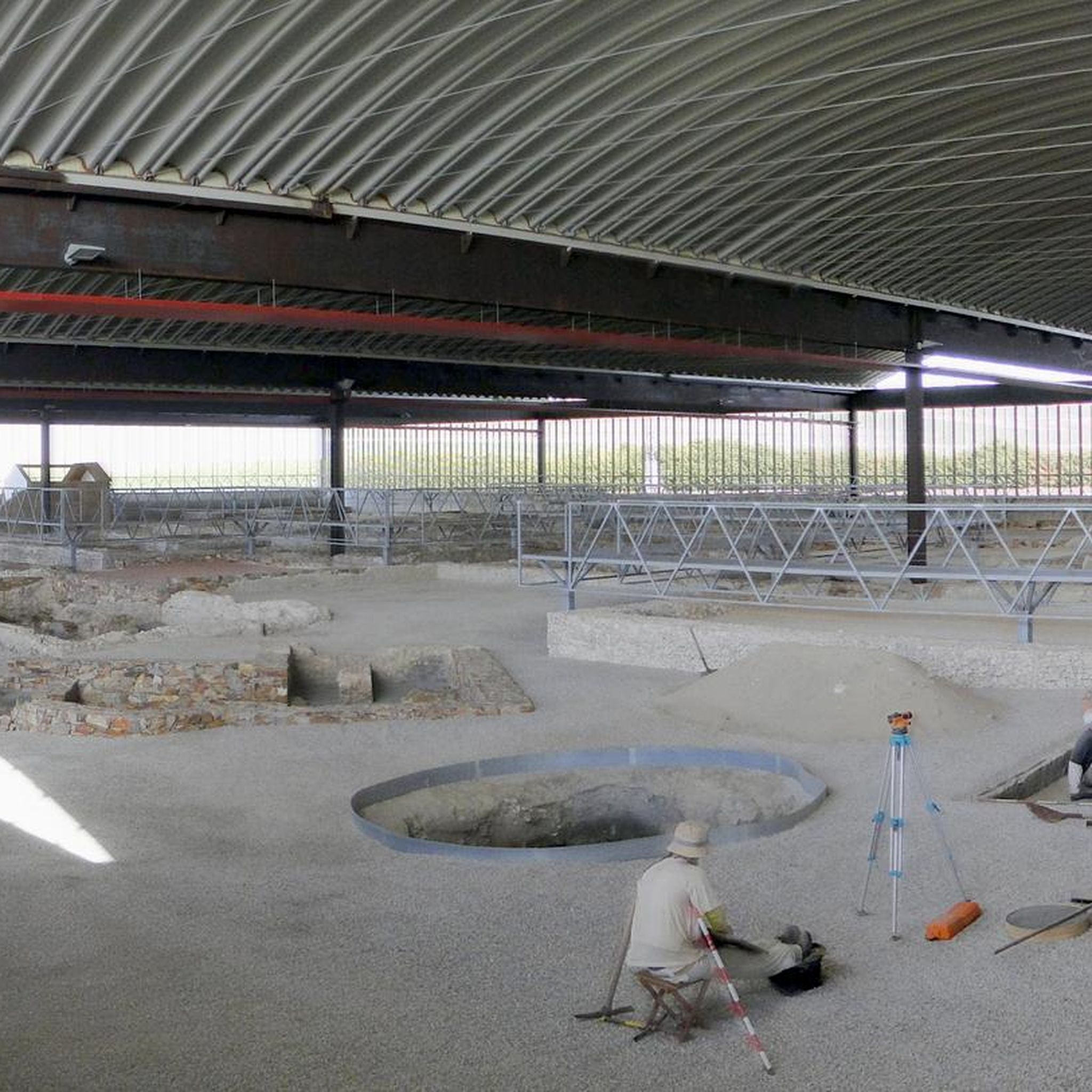
Roman Villa of Almenara
Highlight • Historical Site
Translated by Google •
Tip by
Santiuste de San Juan Bautista
Highlight • Settlement
Translated by Google •
Tip by
Mudéjar Theme Park of Castilla y León
Highlight • Structure
Translated by Google •
Tip by

Sign up for free to discover even more attractions around Almenara De Adaja.
Sign up for free
Already have an account?
Start today with a free account
Your next adventure awaits.
Login or Signup

Tips from the Community

Landscaped park where we find representations of Mudejar art constructions on a 1:8 scale. This park wants to publicize Mudejar art, an artistic style that occurred in the Christian kingdoms of Spain between the 12th and 16th centuries with great influence from Muslim art. Rates and schedules can be seen here: https://www.olmedo.es/pasionmudejar/varios.php?art_id=267
2
0

Nucleus in the south of the province of Valladolid and that its name comes from the Om tree, popular power in these lands.
0
0
A few kilometers from the town of Olmedo, it is a unique and incredible place. A magnificent presentation of the site, with a magnificent and well-explained permanent exhibition. It has a full-scale reconstruction of the town, something unique in Spain.
0
1
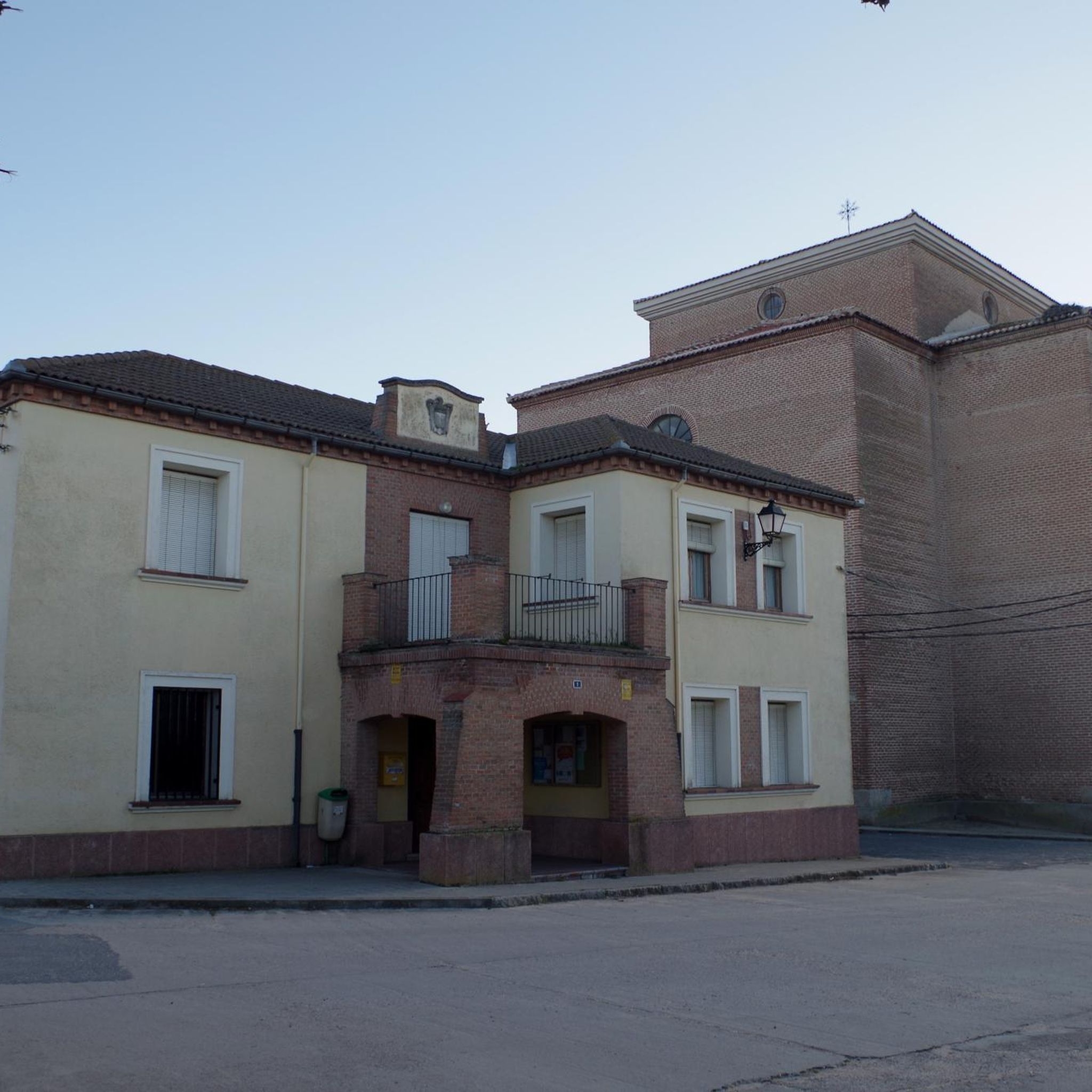
Border population between the provinces of Ávila and Segovia and where it is close to the Río Eresma. One of the most well-known buildings is the Iglesia de San Juan Bautista, in the old town centre.
0
0

Olmedo is known as the town of the seven sevens, a curious name with which it was renamed because in addition to having seven access doors, it had seven squares, seven churches, seven fountains, seven convents, seven houses of nobles and seven towns. who depended on her. Another curious thing is its toponymy. You can imagine that the name of Olmedo comes from elm and it is that the town was surrounded by these trees. Now not a single one remains, since they disappeared when the graphiosis took them away. But if Olmedo is known for something, it is for its knight, a tragicomedy of love and death that Lope de Vega immortalized in his play “El Caballero de Olmedo”. The story that would inspire Lope had its origin in a popular legend from the 16th century based on the quarrels between two neighbors of the town that led to a murder. One charged another when he came from a bullfight in Medina del Campo.
1
0
That at night they killed the knight, the glory of Medina, the flower of Olmedo
0
0
Frequently Asked Questions
What historical sites can I visit near Almenara De Adaja?
The primary historical attraction is the Roman Villa of Almenara, which offers a unique presentation of a 4th-century Roman manor house and an accompanying museum. Additionally, you can explore the Historic Center of Olmedo, known for its medieval charm and connection to Lope de Vega's "El Caballero de Olmedo," and the Olmedo City Walls and Historic Center, which retains its Castilian and Leonese Mudéjar heritage.
Are there any Roman heritage sites to explore in the area?
Yes, the most significant Roman heritage site is the Roman Villa of Almenara. This archaeological site preserves the remains of a luxurious Roman villa with well-preserved mosaics and features a museum that provides a comprehensive look into Roman rural life through interactive exhibits and a recreation of a Roman house.
What natural attractions are there around Almenara De Adaja?
The area boasts the tranquil Adaja River, lined with a gallery forest of poplars, alders, and willows. You'll also find extensive pine forests, part of the "Tierra de Pinares" region, primarily consisting of black and stone pines. For panoramic views, consider visiting El Telégrafo Hill, located to the east of the municipality.
Can I find opportunities for outdoor activities like cycling or mountain biking?
Absolutely. The region around Almenara De Adaja offers various routes for cycling and mountain biking. You can find numerous options, including easy road cycling routes like "Wet from Olmedo – circular by Matapozuelos" or "Olmedo from Ataquines – circular of the Río Adaja." For mountain biking, explore trails such as the "Mudéjar Tower of San Nicolás – Coca Castle loop from Olmedo." You can discover more routes on the Road Cycling Routes, Cycling, and MTB Trails guides for the area.
Are there family-friendly activities in the area?
Yes, the Roman Villa of Almenara and its museum are very family-friendly, featuring a themed children's playground related to the Roman villa. The historic centers of nearby towns like Olmedo also offer engaging historical exploration suitable for families.
What kind of wildlife can I expect to see?
The natural environment around Almenara De Adaja supports diverse wildlife. Along the Adaja River, you might spot various amphibians like common frogs and tree frogs. The area is also home to a wide array of birds, including great bustards, Eurasian magpies, European bee-eaters, hoopoes, and several species of eagles, harriers, and falcons.
What is special about the historic center of Olmedo?
The Historic Center of Olmedo is renowned for its rich history and medieval charm. It's famously linked to Lope de Vega's play "El Caballero de Olmedo." Historically, it was known as the "town of the seven sevens" due to its seven access doors, squares, churches, and more. You can explore its unique toponymy and historical legends while enjoying its heritage buildings near the Plaza Mayor.
Are there any other notable settlements or towns to visit nearby?
Beyond Almenara De Adaja and Olmedo, you can visit Olmeda, a settlement in the south of Valladolid province, whose name derives from the elm tree. Another option is Santiuste de San Juan Bautista, a border town between Ávila and Segovia provinces, known for its Iglesia de San Juan Bautista.
What are the local forests like?
Almenara De Adaja is situated in the "Tierra de Pinares" (Land of Pine Forests) region. The local pine forests are characterized by their shady and dark appearance, primarily composed of black pines, which were historically used for resin extraction, alongside stone pines.
What are the best ways to experience the Adaja River?
The Adaja River flows west of Almenara De Adaja and is known for its clean, clear waters. You can experience it by exploring its gallery forest, which lines the riverbanks with poplars, alders, and willows, providing a habitat for various animals. The river often has secluded spots, especially in summer, due to its steep banks, perfect for a peaceful walk.
Is there a good spot for panoramic views?
Yes, El Telégrafo Hill, located to the east of the municipality, offers excellent panoramic views of the surrounding area. Although only ruins remain, it provides a vantage point to appreciate the landscape.
What makes the Roman Villa of Almenara unique?
The Roman Villa of Almenara is unique in Spain for its full-scale reconstruction of the ancient town within its museum. It offers a magnificent and well-explained permanent exhibition, allowing visitors to truly visualize Roman domestic and rural life from the 4th and 5th centuries, including impressive mosaics and interactive displays.
What cultural sites are there besides Roman ruins?
Beyond the Roman Villa, you can visit the Church of Nuestra Señora de la Asunción in Almenara de Adaja, an example of Romanesque-Mudéjar architecture. Visits to this church require prior reservation with the town hall. Additionally, the nearby Historic Center of Olmedo offers a rich cultural experience with its medieval and Mudéjar heritage.

Get inspired with the komoot mobile app


Explore more
Still not found the Highlight you’re looking for? See guides of the top attractions in other regions:
