The best walks and hikes around Skierbieszowski Park Krajobrazowy
4.7
(49)
263
hikers
25
hikes
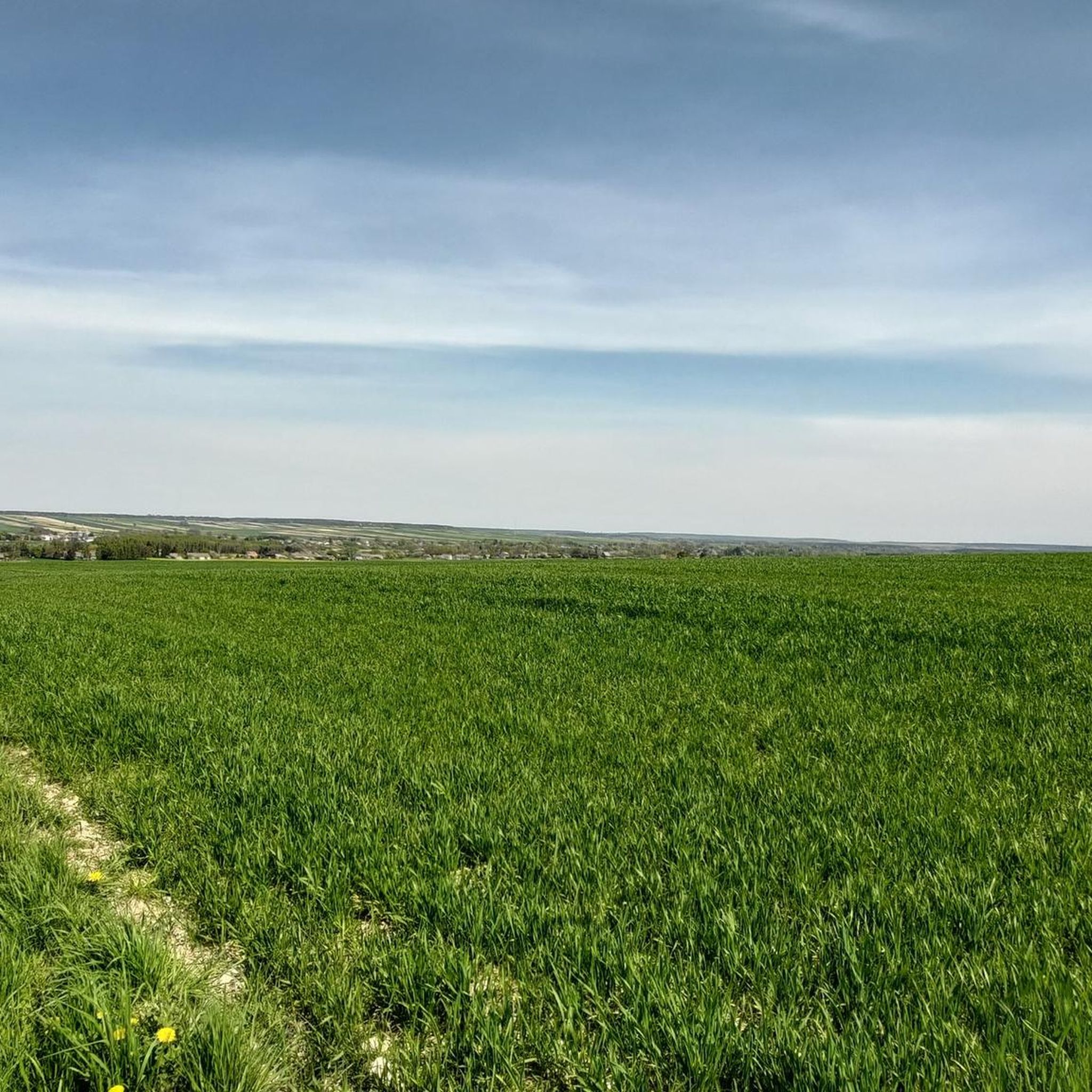
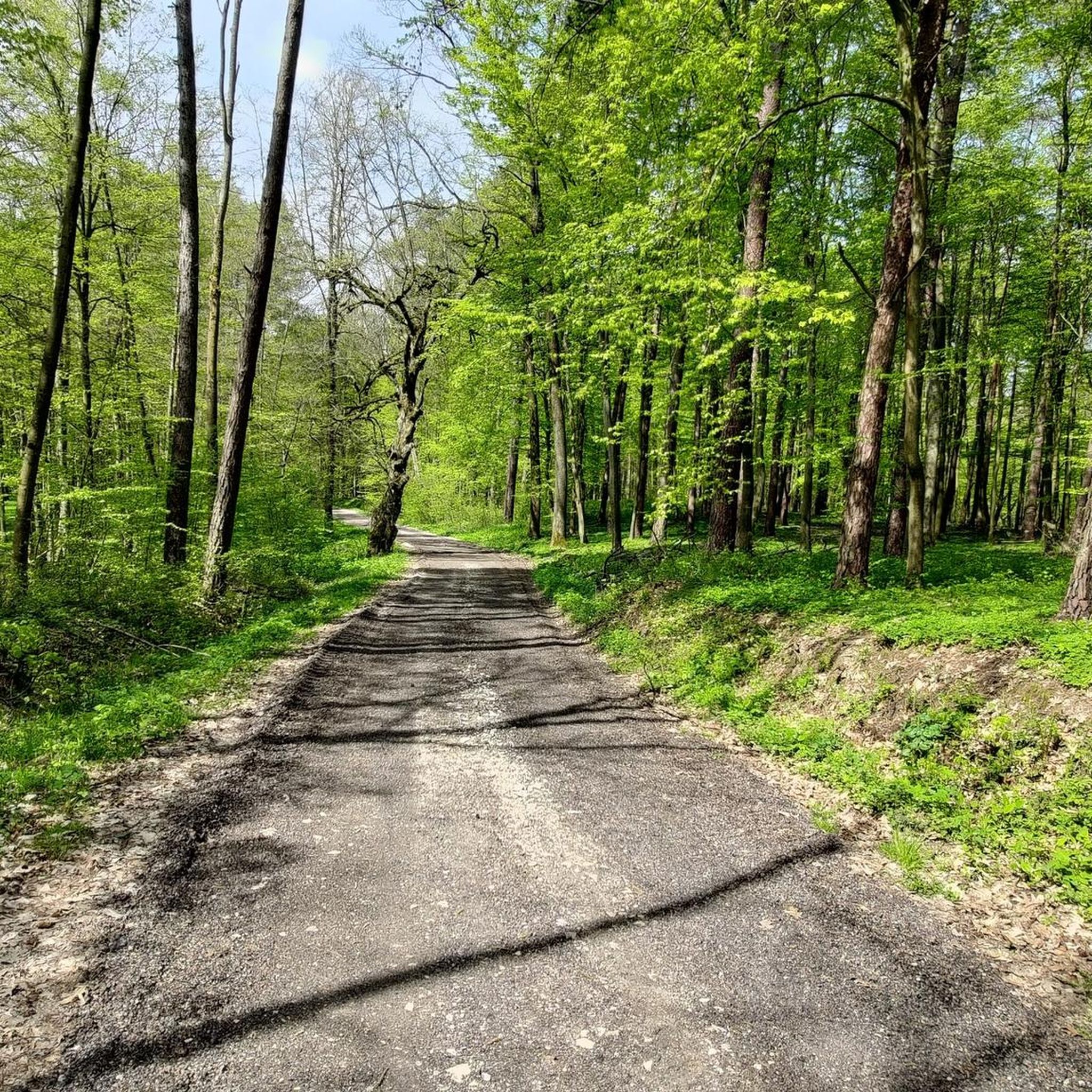
Hiking around Skierbieszowski Park Krajobrazowy offers varied terrain characterized by hilly landscapes, deep ravines, and loess layers. The park encompasses river valleys, including the Wolica and Wojsławki rivers, providing diverse environments for exploration. Forests cover about 20-21% of the area, featuring beech, hornbeam, and pine trees, often interspersed among cultivated fields. The region also includes xerothermic grasslands on steep, sunny slopes.
Best hiking trails around Skierbieszowski Park Krajobrazowy
- The most popular hiking route is Nature and history trail "Stryjowskie Debry"…
Last updated: July 11, 2026
5.0
(1)
1
hikers
Hard hike. Very good fitness required. Mostly accessible paths. Sure-footedness required.
1
hikers
Moderate hike. Good fitness required. Mostly accessible paths. Sure-footedness required.

Sign up for free
6
hikers
2.26km
00:38
50m
50m
Easy hike. Great for any fitness level. Easily-accessible paths. Suitable for all skill levels.
28
hikers
4.46km
01:09
20m
20m
Easy hike. Great for any fitness level. Easily-accessible paths. Suitable for all skill levels.
22
hikers
7.77km
01:59
20m
20m
Easy hike. Great for any fitness level. Easily-accessible paths. Suitable for all skill levels.
Get access to more routes and recommendations from other explorers.
Sign up for free
Already have an account?
Our route recommendations are based on thousands of hikes, rides, and runs completed by other people on komoot.
Start today with a free account
Your next adventure awaits.
Login or Signup
Popular around Skierbieszowski Park Krajobrazowy

Tips from the Community

17th-century Armenian townhouses with attics are captivating in their appearance. They stand beautifully next to the Town Hall in the Market Square and are its symbol.
0
0

The anchor of a seagoing ship in a city 600 km from the nearest sea is a unique attraction. I think it's a beautiful custom that, although the ship is gone, the anchor remains as a souvenir.
0
0
The place is located a bit off the beaten track from the Market Square, but that's why we didn't encounter any crowds. Inside, there are tables and comfortable chairs. You can order coffee. A scoop of ice cream costs 7 złoty, and there are 18 flavors to choose from. We also bought a poppy seed cake (here called "strucel z pokiem") and gingerbread. I recommend it. WW
0
0
The Salt Market is one of the three main squares in the old town of Zamość. It was most likely built at the end of the sixteenth century and was a place of trade in salt, which at that time was brought to Zamość from Drohobych. The huge anchor, which is a gift to the city from the Polish Steamship Company and comes from the ship "Ziemia Zamojska".
0
0
17th century pearls of Renaissance architecture. Their common name comes from the fact that they were given to Armenian merchants by the founder of Zamość - Jan Zamojski
0
0

The Renaissance church in Zamość's Old Town was built in the late 16th century. It is located on the Lublin Renaissance Trail. The church was founded by the city's founder, Jan Zamoyski, and designed by the Italian architect Bernardo Morando, which is why it draws inspiration from Italian churches of the 15th and 16th centuries. Initially a collegiate church, Zamość fell under the Chełm bishopric. Only in 1992, when the Zamość-Lubaczów diocese was established, was it elevated to a cathedral. After the death of its architect, in the early 17th century, the interior decoration of this church was completed. The church was consecrated in 1637. Significant reconstruction was carried out only during the partition period, in 1824–1826, under the command of General J. Mallet-Malletski, who then directed the expansion and modernization of the Zamość fortress. During this period, the cathedral was lowered, and the façade, among other things, was altered, giving it a more classicist appearance. The inscriptions and coats of arms of the Zamoyski family disappeared, and some interior elements were removed. Further alterations and renovations, some of which resulted in extensive damage, were carried out in the second half of the 19th century and the first half of the 20th century.
0
0
The Renaissance church in Zamość's Old Town was built in the late 16th century. It is located on the Lublin Renaissance Trail. The church was founded by the city's founder, Jan Zamoyski, and designed by the Italian architect Bernardo Morando, which is why it draws on Italian churches of the 15th and 16th centuries. Initially a collegiate church, Zamość fell under the Chełm bishopric. Only in 1992, when the Zamość-Lubaczów diocese was established, was it elevated to a cathedral. After the death of its architect, in the early 17th century, the interior decoration of this church was completed. The church was consecrated in 1637. Significant reconstruction was carried out only during the partition period, in 1824–1826, under the command of General J. Mallet-Malletski, who then directed the expansion and modernization of the Zamość fortress. During this period, the cathedral was lowered, and the façade, among other things, was altered, giving it a more classicist appearance. The inscriptions and coats of arms of the Zamoyski family disappeared, and some interior elements were removed. Further alterations and renovations, some of which resulted in extensive damage, were carried out in the second half of the 19th century and the first half of the 20th century.
1
0
An intimate café serving coffee from its own roastery.
0
0
Frequently Asked Questions
How many hiking trails are available in Skierbieszowski Park Krajobrazowy?
Skierbieszowski Park Krajobrazowy offers a diverse network of over 15 hiking routes. These trails cater to various fitness levels, with a good mix of easy, moderate, and challenging paths to explore the region's unique landscapes.
What kind of terrain can I expect when hiking in Skierbieszowski Park Krajobrazowy?
The park is characterized by its distinct hilly terrain, intricately carved by deep ravines and gorges formed in loess layers. You'll encounter varied environments, from gentle hills and river valleys to forests and xerothermic grasslands. Some areas even exhibit a submontane character, offering a dynamic hiking experience.
Are there any easy hiking trails suitable for beginners or families?
Yes, the park features several easy routes perfect for beginners or families. For instance, the Natural Spring loop from Stary Majdan is a short, pleasant walk through natural landscapes. There are 8 easy tours in total, providing accessible options for everyone.
Can I bring my dog on the hiking trails in Skierbieszowski Park Krajobrazowy?
Generally, dogs are welcome on hiking trails in Polish landscape parks, but they should always be kept on a leash to protect wildlife and ensure the safety of other hikers. Please be mindful of local signage, especially in nature reserves like Broczówka or Głęboka Dolina, where specific rules might apply.
What natural attractions or unique flora can I discover in the park?
The park is a botanical treasure, especially known for its xerothermic grasslands on sunny slopes. Here you can find rare species like dwarf cherry, French rose, stemless iris, spring Adonis, and various orchids. The forests also host mountain species such as prickly fern and glandular toothwort. Don't miss the Broczówka Nature Reserve, dedicated to protecting these valuable grasslands.
Are there any historical sites or landmarks to explore while hiking?
Yes, Skierbieszowski Park Krajobrazowy and its surroundings are rich in history. You can find valuable architectural sites, including 16th and 17th-century churches, and palace and manor complexes. Notable historical highlights include the Ruins of the 19th-Century Palace in Skierbieszowski Landscape Park and the Ruins of the palace in Stryjów. The park also features 14 natural monuments, primarily ancient trees.
Are there any circular hiking routes in Skierbieszowski Park Krajobrazowy?
Yes, several routes in the park are designed as loops, allowing you to start and end at the same point. A popular option is the Educational-walking trail Skierbieszów-Dulnik-Zawoda-Broczówka, which traverses forests and cultivated fields. Another is the Natural Spring loop from Stary Majdan.
What do other hikers say about the trails in Skierbieszowski Park Krajobrazowy?
The trails in Skierbieszowski Park Krajobrazowy are highly rated by the komoot community, with an impressive average score of 4.8 stars from over 30 reviews. Hikers often praise the varied terrain, the peaceful atmosphere, and the opportunity to discover both natural beauty and historical sites.
What kind of wildlife can I spot in Skierbieszowski Park Krajobrazowy?
The park is home to diverse wildlife. Birdwatchers can look for buzzards, harriers, barn owls, and rarer species like middle spotted woodpeckers. Waterfowl such as red-necked grebes and black terns inhabit the water bodies. The park also supports various reptiles and amphibians, including the European pond turtle, marsh frog, and sand lizard.
Is there public transport available to reach Skierbieszowski Park Krajobrazowy?
While specific public transport routes directly into the heart of the park can be limited, regional bus services connect nearby towns like Skierbieszów to larger urban centers. From these towns, you might need to arrange local transport or consider a longer walk to reach specific trailheads. It's advisable to check local bus schedules in advance.
Are there designated parking areas for hikers?
Yes, many trailheads and popular starting points within and around Skierbieszowski Park Krajobrazowy offer designated parking areas. These are typically found near villages or key attractions. However, it's always a good idea to check specific route details or local maps for the most convenient parking options for your chosen hike.
What is the best time of year to go hiking in Skierbieszowski Park Krajobrazowy?
Spring and autumn are generally the best times for hiking in Skierbieszowski Park Krajobrazowy. In spring, the xerothermic grasslands burst into bloom with unique flora, and the weather is mild. Autumn offers pleasant temperatures and beautiful fall foliage in the park's diverse forests. Summer can be warm, while winter hiking is possible but requires appropriate gear for potentially snowy or icy conditions.
Most popular routes around Skierbieszowski Park Krajobrazowy
Most popular attractions around Skierbieszowski Park Krajobrazowy

Get inspired with the komoot mobile app


Explore more
Browse the best Hikes in other regions.
