Attractions and Places To See around Villanubla - Top 20
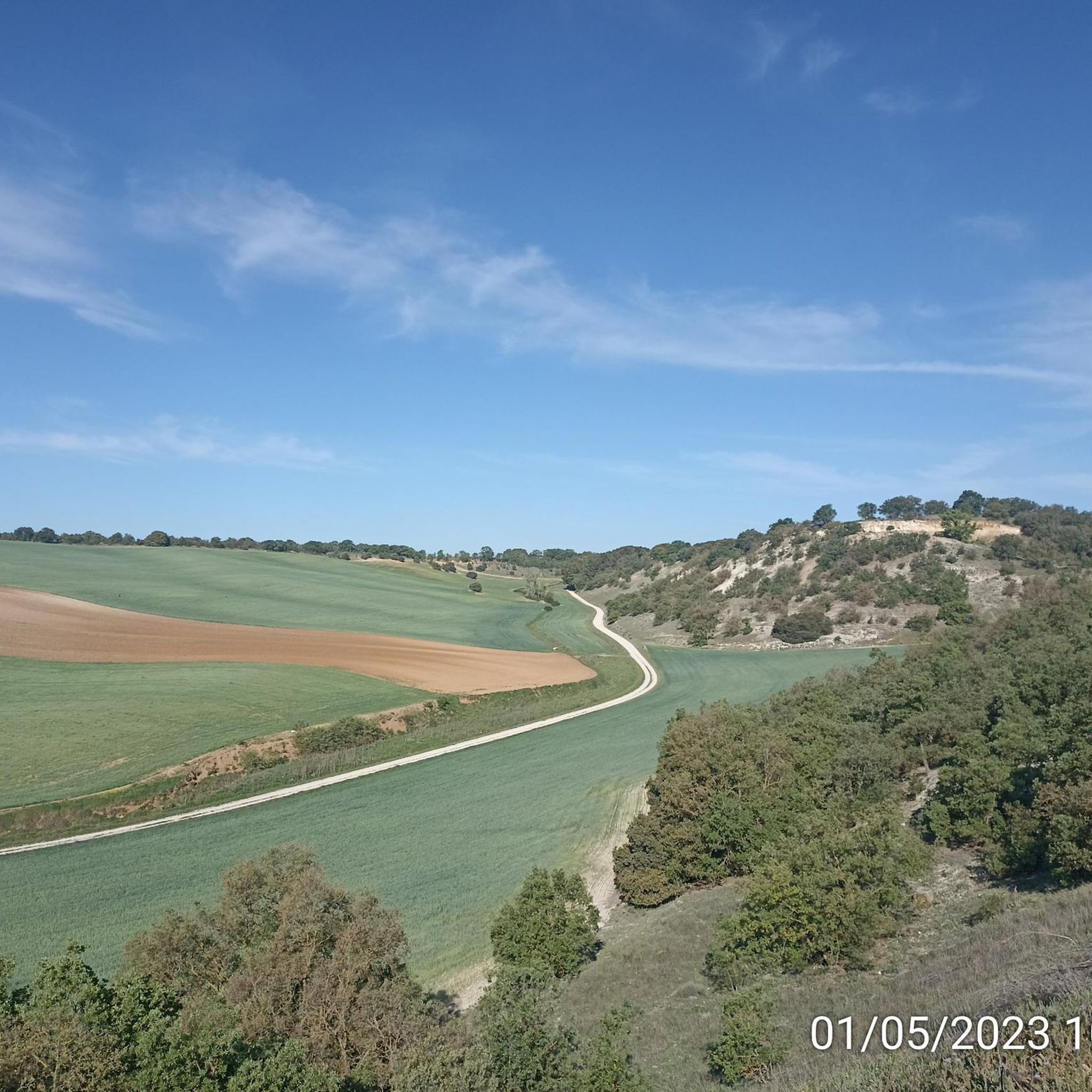
Best attractions and places to see around Villanubla include historical sites and natural landscapes. Villanubla is a village located 12 to 15 kilometers northwest of Valladolid, serving as a base for exploring the cultural heritage of Castilla y León. The area marks the beginning of the Montes Torozos, offering picturesque rural landscapes. It features its own historical monuments and is surrounded by a rich wine region.
Best attractions and places to see around Villanubla
- The most popular attractions is Fuensaldaña…
Last updated: May 21, 2026
Fuensaldaña Castle
Highlight • Castle
Translated by Google •
Tip by

Castillo de Simancas
Highlight • Castle
Translated by Google •
Tip by
Sign up now to discover places like this
Get recommendations on the best single tracks, peaks, & plenty of other exciting outdoor places.
Sign up for free
Plaza Mayor of Valladolid
Highlight • Historical Site
Translated by Google •
Tip by
Church of Santa María la Antigua
Highlight • Religious Site
Translated by Google •
Tip by
Church of Santiago de Cigales
Highlight • Religious Site
Translated by Google •
Tip by
Sign up for free to discover even more attractions around Villanubla.
Sign up for free
Already have an account?
Start today with a free account
Your next adventure awaits.
Login or Signup

Tips from the Community

very well preserved.
0
0

The Plaza Mayor was created when the Royal House of Castile moved its seat to Valladolid. It is the model for all similar squares with the same name that exist in many cities in Spain and Latin America
1
0

It was built in the 15th century by the Vivero family, nobles of Galician origin, as a stately residence. The castle is modeled after the Valladolid school and was conceived more as a residence than as a military fortress. Throughout its history, it has had various palatial uses and was also the headquarters of the Cortes of Castilla y León. Currently, it has been restored and converted into a medieval museum. This castle, which was the headquarters of the Cortes of Castilla y León between 1983 and 2007, is property of the Provincial Council of Valladolid and is currently used as an interpretation center for the castles. 🏰🌟
3
0
The monumental Church of Santiago is a grandiose project begun in 1535 under the design of Rodrigo Gil de Hontañon, considered one of the introducers of the Renaissance in Spain. The project was finally carried out by Juan de Saravia and Diego de Praves, ending in the year 1772.
9
0

Church built in the 13th century, combining Romanesque, Gothic and Renaissance elements. Its imposing façade stands out for its Plateresque doorway and its impressive tower. Inside there are valuable works of art, such as the main altarpiece and the Alderete chapel. It is considered one of the main historical monuments of the city.
1
1
The Castle of Simancas, erected in the 15th century in the same place where the old Arab fortress was located. The castle stands majestically in the town of Simancas, where it stands out for its robust stone walls and its imposing keep. Later, the Catholic Monarchs claimed it for the crown and turned it into a state prison. Witness to history, the Simancas Castle houses the General Archive of Simancas, where valuable documents and manuscripts that narrate the past of Spain rest. a fascinating place
1
1
Fortification built in the 15th century, it stands out for its elegant Gothic architecture and its imposing keep. This castle has witnessed numerous events over the centuries, it was here that the Catholic Monarchs signed their betrothal on October 18, 1469. The castle has stood the test of time with pride.
1
0

A well-preserved fortress, largely due to its importance as a historical archive. The castle was completed in 1480 by the Enríquez family and throughout the centuries valuable objects and administrative documents were collected and kept along its walls. Today, the General Archive of Simancas is an important UNESCO site.
1
1
Frequently Asked Questions
What historical landmarks can I explore within Villanubla itself?
Within Villanubla, you can visit the 16th-century Church of Nuestra Señora de la Asunción, known for its Gothic architecture and altarpiece. Other historical sites include the 17th-century Ermita del Cristo del Humilladero, the emblematic Ayuntamiento in the Plaza Mayor, and the historic Palacio de los Condes de Villanubla. The Church of San Juan Bautista is another beautiful example of local 16th-century architecture.
Are there any notable castles or historical fortresses near Villanubla?
Yes, several impressive castles are easily accessible. The most popular is Fuensaldaña Castle, a 15th-century stately residence now serving as a medieval museum and interpretation center. Another must-see is Castillo de Simancas, a well-preserved 15th-century fortress that houses the significant General Archive of Simancas. Further afield, you can find the impressive Castillo de La Mota in Medina del Campo.
What natural features or landscapes can I discover around Villanubla?
Villanubla marks the beginning of the Montes Torozos, where the Arroyo Hontanija spring originates, offering picturesque rural landscapes. For nature lovers, the Riberas de Castronuño Natural Reserve, located in central-west Valladolid, is excellent for birdwatching and nature walks, featuring diverse aquatic birds and riverside forests.
Are there family-friendly attractions or activities near Villanubla?
Many of the historical sites, such as Fuensaldaña Castle and Castillo de Simancas, are considered family-friendly. In Valladolid, the Campo Grande Park is a large, lush space perfect for relaxation and observing birds like pheasants and peacocks, which is great for families. The Vía Verde del Tren Burra also offers pleasant, easy paths for family walks or bike rides.
What outdoor activities can I do near these attractions?
The area around Villanubla is great for outdoor enthusiasts. You can explore various running, gravel biking, and cycling routes. For example, there are moderate running loops from Villanubla and Zaratán, and cycling routes like the 'Vía Verde del Tren Burra loop from Villanubla'. You can find more details on these activities in the Running Trails around Villanubla, Gravel biking around Villanubla, and Cycling around Villanubla guides.
What is the best time of year to visit Villanubla for sightseeing and outdoor activities?
The spring and autumn months generally offer the most pleasant weather for exploring historical sites and engaging in outdoor activities around Villanubla. The temperatures are mild, making it comfortable for walking, cycling, and visiting attractions without the intense heat of summer or the chill of winter. Spring also brings blooming landscapes, while autumn offers beautiful colors.
Are there any cultural traditions unique to Villanubla?
Yes, Villanubla is one of the few municipalities in Valladolid that preserves the 'paloteo,' a traditional Castilian dance. This unique cultural tradition involves the rhythmic clashing of sticks by dancers, offering a glimpse into the region's rich heritage.
What are some significant religious buildings to visit in the area?
Beyond Villanubla's own churches, Valladolid offers the impressive Church of Santa María la Antigua, a Romanesque jewel known for its slender 13th-century tower. Another notable site is the monumental Church of Santiago de Cigales, a grandiose project begun in 1535 with Renaissance influences.
Can I find wheelchair-accessible attractions near Villanubla?
Yes, the Plaza Mayor of Valladolid is a historically relevant and wheelchair-accessible space in the city center, surrounded by historical buildings. Many modern public spaces in Valladolid are designed with accessibility in mind.
What is there to see in the nearby city of Valladolid?
Valladolid, just 12-15 km away, offers a wealth of history and culture. Key sites include the Plaza Mayor, the National Sculpture Museum, and the impressive Valladolid Cathedral. You can also visit the Campo Grande Park, the Convento de San Pablo y San Gregorio, and various historic palaces and house-museums.
Are there opportunities for wine tasting near Villanubla?
Absolutely. The area around Villanubla is part of the renowned Castilla y León wine region, with the Ribera del Duero region particularly famous for its red wines. Many vineyards in the vicinity offer wine-tasting experiences and tours, providing a great opportunity to sample local vintages.
What do visitors enjoy most about the attractions around Villanubla?
Visitors frequently appreciate the rich historical significance of the castles and religious buildings, often highlighting their well-preserved architecture and the insights they offer into the region's past. The tranquil rural landscapes and the opportunity for outdoor activities like cycling and walking along greenways are also highly valued, providing a peaceful escape.
Most popular routes around Villanubla

Get inspired with the komoot mobile app


Explore more
Still not found the Highlight you’re looking for? See guides of the top attractions in other regions:
