The best walks and hikes around Chillarón De Cuenca
4.5
(401)
1,036
hikers
98
hikes
Hiking around Chillarón De Cuenca offers access to the diverse landscapes of the Serranía de Cuenca Natural Park. The region is characterized by dramatic karst topography, featuring unique geological formations, dense forests, and winding river gorges. This area provides a varied terrain for outdoor activities, with elevations ranging from river valleys to higher viewpoints.
Best hiking trails around Chillarón De Cuenca
- The most popular hiking route is Roman Villa of Noheda Loop, a 5.0 miles (8.1 km) trail that…
Last updated: October 11, 2026
1
hikers
8.11km
02:37
100m
90m
Explore history and nature on the moderate 5.0-mile hike around Villa romana de Noheda and Cerro de los Almorchones, taking about 2.5 hours.
4.7
(12)
74
hikers
11.2km
03:01
150m
150m
Moderate hike. Good fitness required. Easily-accessible paths. Suitable for all skill levels.

4.0
(2)
18
hikers
Easy hike. Great for any fitness level. Easily-accessible paths. Suitable for all skill levels.
5.0
(3)
19
hikers
13.9km
04:08
410m
410m
Moderate hike. Good fitness required. Easily-accessible paths. Suitable for all skill levels.
5.0
(1)
13
hikers
6.64km
01:53
150m
150m
Easy hike. Great for any fitness level. Easily-accessible paths. Suitable for all skill levels.
Get access to more routes and recommendations from other explorers.
Already have an account?
Our route recommendations are based on thousands of hikes, rides, and runs completed by other people on komoot.
Start today with a free account
Your next adventure awaits.
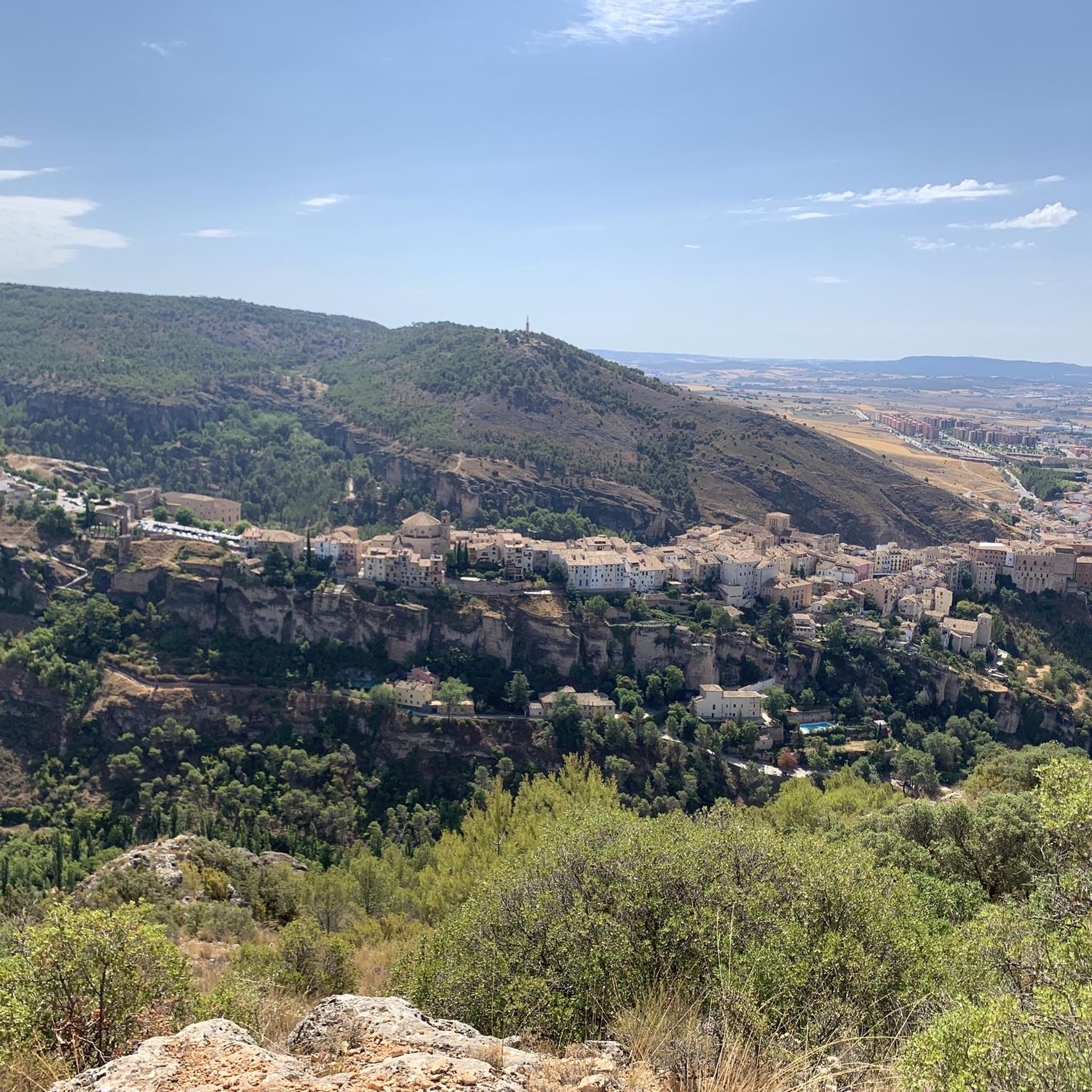
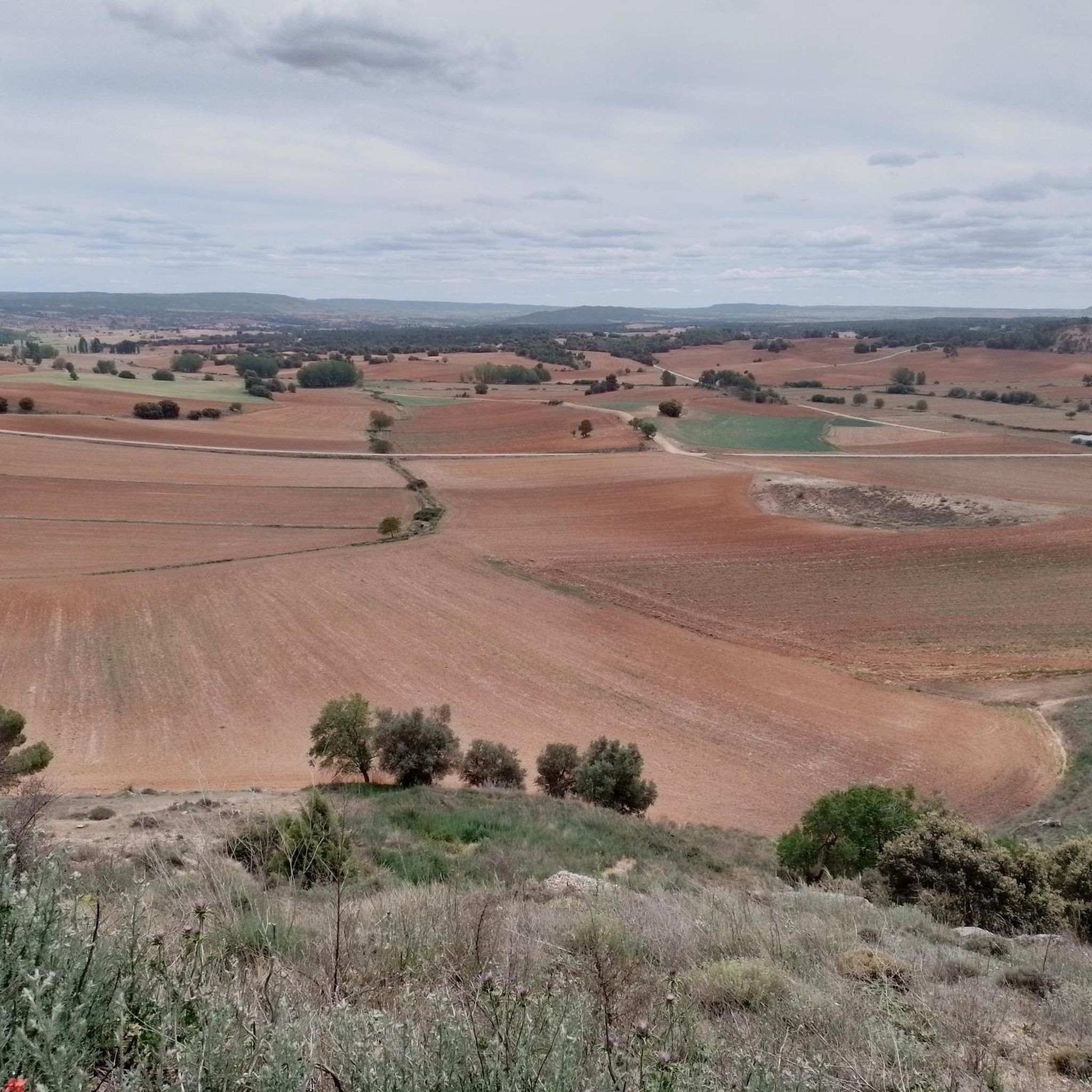
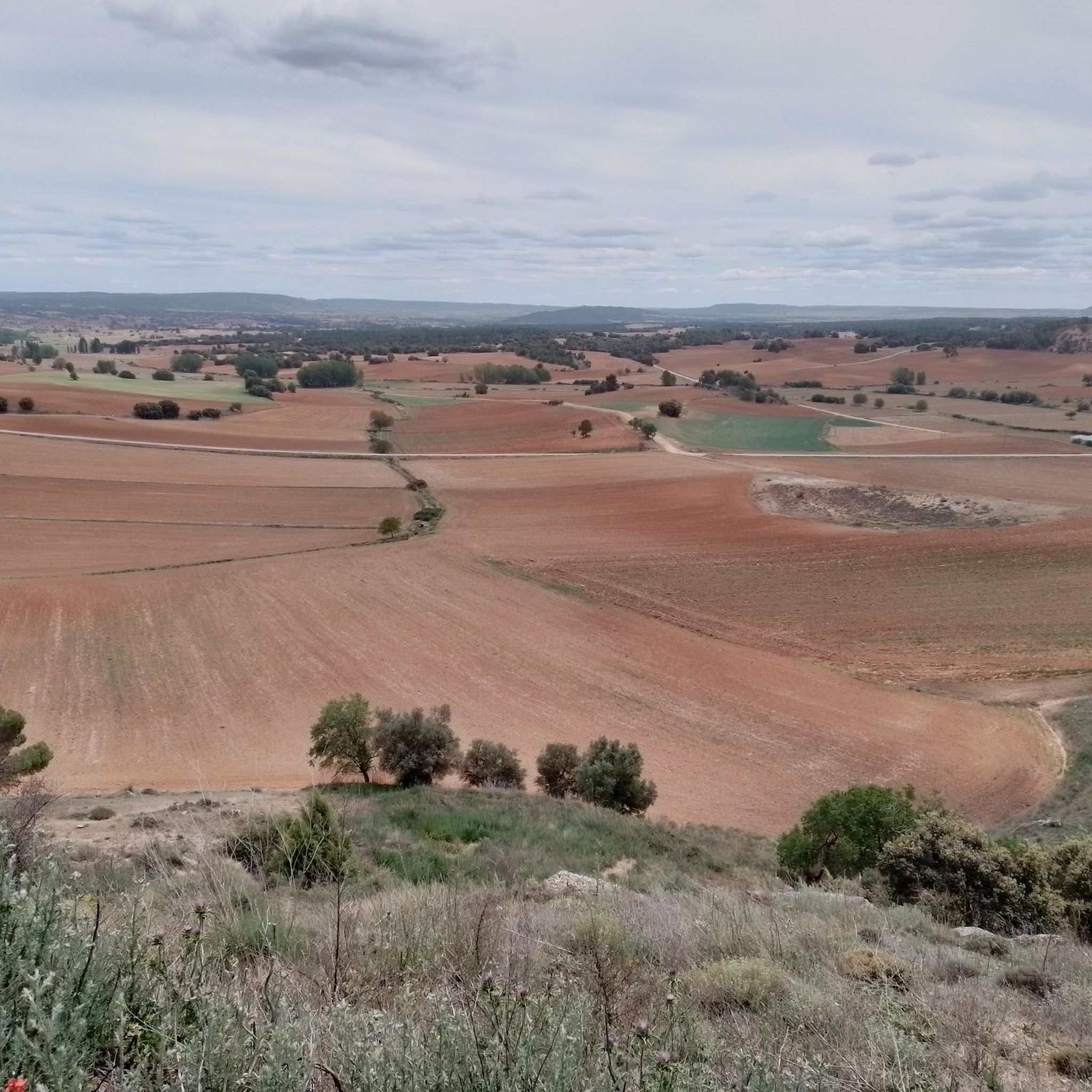
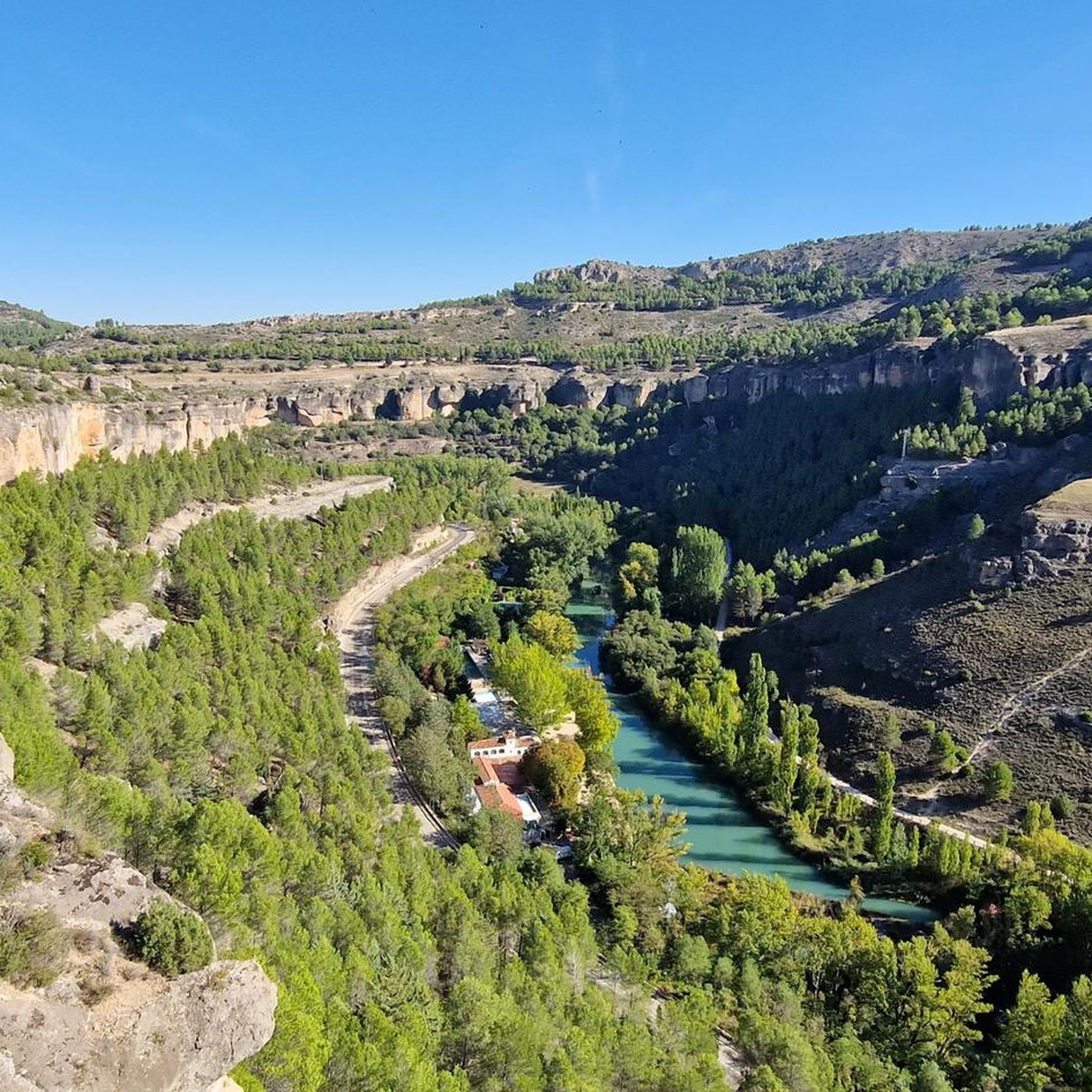

Tips from the Community

The Mangana Tower is one of the most emblematic monuments in Cuenca's historic center and has been listed as a Site of Cultural Interest since 2001. It stands in Mangana Square, built on the site of the former Moorish fortress, the heart of the Jewish quarter and later home to noble palaces. Traditionally, it has served as the city clock since the 16th century. Today, it is a municipal symbol and a visual landmark of Cuenca's skyline.
8
0
The Plaza Mayor of Cuenca is a historic center and one of the most emblematic places in the city of Cuenca, in Castilla-La Mancha. This square is known for its Baroque architecture and its importance as a meeting point and hub of communication in the old part of the city. Main buildings: The Cathedral of Santa María and San Julián, the Cuenca City Hall, and the Convent of San Pedro. The most notable monument in Cuenca began construction at the end of the 12th century after the conquest of the city, but its core took shape in the 13th century. The naves, from the transept to the façade, date from the 14th century, and the ambulatory was transformed in the 16th century to adapt its original structure to new aesthetic trends. Its first façade also dates from this period, replaced in the 18th century by another that had to be demolished at the beginning of the 20th century, when the current Neo-Gothic façade, designed by Vicente Lampérez, was built.
7
0

Common crossing point for going to or returning from the Júcar gorge trail.
3
0
Good place to appreciate the northwest area of Cuenca.
1
1
One of the closest viewpoints to the city.
0
0
Almost next to the San Lesmes viewpoint.
1
1
Some people park their cars there.
2
0
One of the best places to admire the city.
0
0
Frequently Asked Questions
How many hiking trails are available around Chillarón de Cuenca?
There are over 90 hiking routes in the Chillarón de Cuenca area, catering to various skill levels. You'll find a good mix, with about 30 easy trails, over 50 moderate options, and a few more challenging routes for experienced hikers.
What kind of natural features can I expect to see on hikes near Chillarón de Cuenca?
The region is defined by its dramatic karst topography, featuring unique geological formations, dense forests, and winding river gorges. You can expect to encounter impressive viewpoints like the Recreo Peral Viewpoint and the San Julián Cross Viewpoint, as well as the stunning Júcar Gorge. The area is rich in natural monuments and offers diverse landscapes.
Are there any family-friendly hiking options in Chillarón de Cuenca?
Yes, Chillarón de Cuenca and its surroundings offer several family-friendly options. Many of the easier trails along river valleys are suitable for families. For a unique experience, the Vía Ferrata Silo de Chillarón has sections designed for beginners and families, offering a fun and accessible climbing adventure within a repurposed silo.
What are some notable landmarks or attractions accessible from Chillarón de Cuenca?
Beyond the hiking trails, Chillarón de Cuenca is a great base for exploring significant regional attractions. These include the breathtaking Ventano del Diablo viewpoint, the whimsical rock formations of Ciudad Encantada, and the stunning waterfalls at the Source of the Cuervo River. You can also visit the Cueva del Hierro, an ancient Roman iron mine, or observe wildlife at El Hosquillo Hunting Park.
Are there any circular hiking routes available?
Yes, many routes in the area are circular, allowing you to start and end at the same point. An example is the Roman Villa of Noheda Loop, which is a moderate 8.1 km trail exploring historical sites within a natural setting.
What do other hikers say about the trails around Chillarón de Cuenca?
The trails around Chillarón de Cuenca are highly regarded by the komoot community, with an average rating of 4.5 out of 5 stars from over 250 reviews. Hikers often praise the diverse landscapes, the well-maintained paths, and the stunning views of the karst formations and river canyons.
Can I find trails with waterfalls near Chillarón de Cuenca?
Yes, the region is home to beautiful water features. The Júcar Waterfalls Trail – Ascent to the Ermita de San Julian loop from Rio Júcar is a moderate route that takes you past impressive cascades. Additionally, the Source of the Cuervo River, a natural monument, is renowned for its stunning waterfalls and crystal-clear pools, especially vibrant in winter and spring.
Is there parking available at the trailheads?
While specific parking details vary by trailhead, Chillarón de Cuenca and the nearby city of Cuenca offer various parking options. For routes starting further afield, designated parking areas are typically available near popular natural attractions like Ciudad Encantada or Ventano del Diablo. It's advisable to check specific route information for precise parking locations.
What is the best time of year to go hiking in Chillarón de Cuenca?
Spring and autumn are generally the best seasons for hiking in Chillarón de Cuenca. The weather is mild, and the landscapes are particularly beautiful, with lush greenery in spring and vibrant colors in autumn. Summer can be hot, so early morning or late afternoon hikes are recommended, while winter offers a unique, often quieter experience, especially around the Source of the Cuervo River with its frozen waterfalls.
Are there any easy routes suitable for a relaxed walk?
Absolutely. For an easy and pleasant walk, consider the San Antón Bridge – Bridge over the Huécar River loop from Cuenca. This 6.0 km trail leads through riverside areas and urban fringes, typically completed in about 1 hour 36 minutes, offering a gentle experience.
What unique outdoor activities are available directly in Chillarón de Cuenca?
Chillarón de Cuenca is home to the Vía Ferrata Silo de Chillarón, recognized as the longest urban via ferrata in Spain. This unique facility, housed within a repurposed silo, offers both family-friendly and more challenging climbing and caving experiences. The municipality also features rural roads ideal for hiking, connecting to areas of high ecological value.
Can I find trails that lead to natural springs or water sources?
Yes, the region's karst landscape means there are several natural water sources. The Las Grajas Bridge – Martín Alhaja Spring loop from Camping Caravaning Cuenca is a moderate route that will take you to the Martín Alhaja Spring, a notable natural monument.
Most popular routes around Chillarón De Cuenca
Most popular attractions around Chillarón De Cuenca

Get inspired with the komoot mobile app


Explore more
Browse the best Hikes in other regions.
