Attractions and Places To See around Pineda Trasmonte - Top 9
Attractions and places to see around Pineda Trasmonte offer a blend of historical, cultural, and natural points of interest. Situated in the Ribera del Duero region, this municipality in Burgos, Spain, provides a tranquil rural environment. Visitors can explore traditional villages, historical churches, and unique open-air museums. The area is characterized by cultivated fields and native vegetation, reflecting the typical landscapes of the Ribera del Duero.
Best attractions and places to see around Pineda Trasmonte
- The most popular attractions is…
Last updated: May 21, 2026
Untierma Spring
Highlight • Natural
Main features:
Showing Translation
Tip by

Nebreda
Highlight • Settlement
Showing Translation
Tip by
Sign up now to discover places like this
Get recommendations on the best single tracks, peaks, & plenty of other exciting outdoor places.
Sign up for free
Church of San Cipriano
Highlight • Religious Site
Translated by Google •
Tip by

Cabañes de Esgueva
Highlight • Settlement
Translated by Google •
Tip by
Cilleruelo de Arriba
Highlight • Settlement
Translated by Google •
Tip by

Sign up for free to discover even more attractions around Pineda Trasmonte.
Sign up for free
Already have an account?
Start today with a free account
Your next adventure awaits.
Login or Signup


Tips from the Community

The Untierma spring (also known as Fuente Untierma) is a natural water source located in Solarana, in the province of Burgos, Castilla y León, Spain. Main features: Location: Solarana area, within the natural environment of the Arlanza region Environment: It is located in a green and recreational space ideal for resting and having picnics Hydrological importance: Its waters feed the local riverbeds and are part of the landscape of the La Yecla gorge and the fertile valleys along the Arlanza river Tourist use: It is a popular place for outdoor activities, especially for families looking for a day in nature The spring is part of the natural wealth of the Arlanza region, known for its oak forests, limestone canyons, and fertile river valleys.
1
0
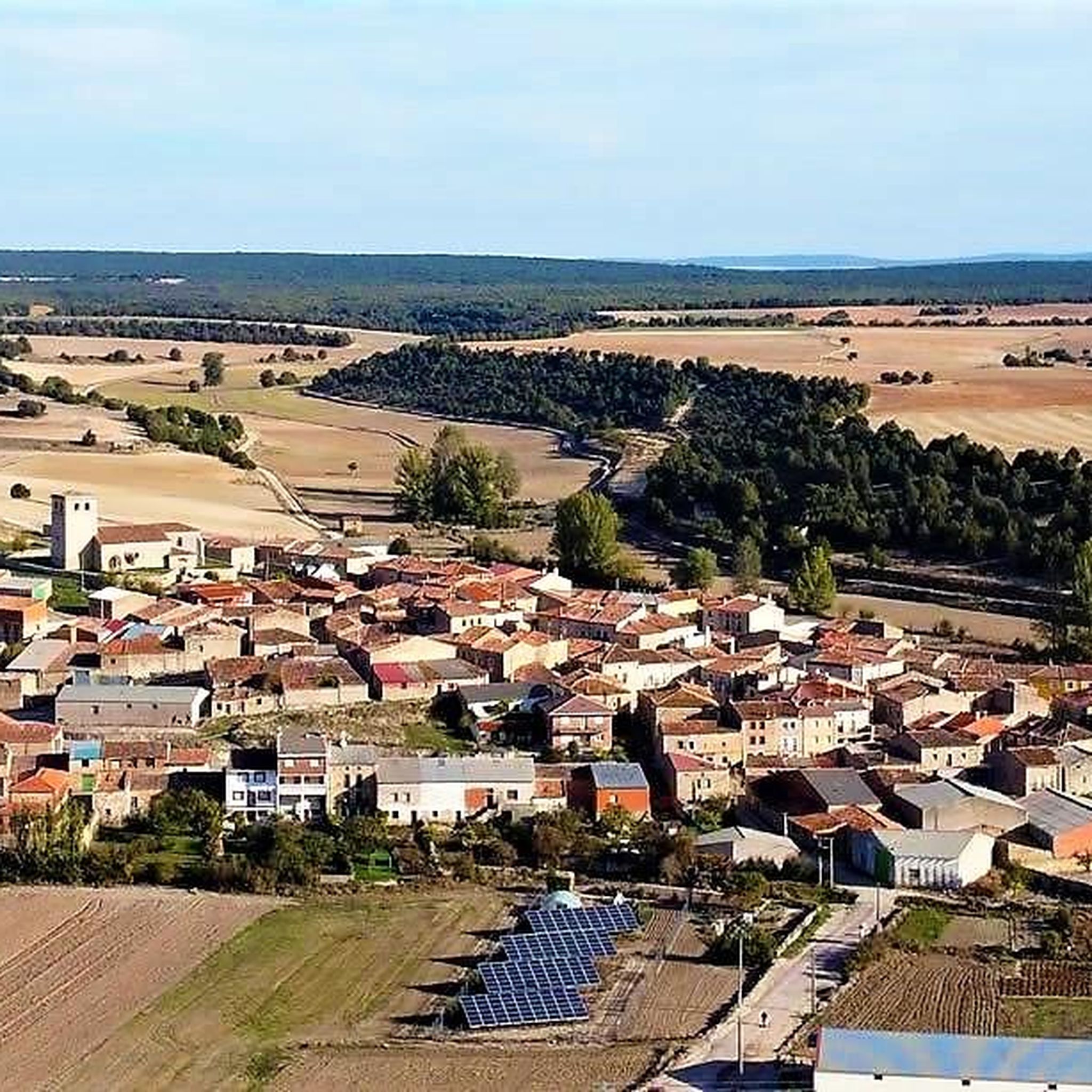
Nebreda is a small municipality located in the province of Burgos, in the autonomous community of Castilla y León, Spain. It belongs to the comarca del Arlanza and is located about 10-12 kilometers from Lerma, in the direction of Santo Domingo de Silos. This village stands out for its wine tradition, preserving wineries and up to four presses where wine was formerly made. One of these presses is sunken, which allows observation of the old winemaking process. Among its places of interest are the different natural springs such as San Juan and del Prado, as well as the village church and the traditional wineries.
0
0

Town located in the valley of the Esgueva river. It has a beautiful church located on a hill and visible from afar, and a Roman bridge.
1
0
Parish Church of San Cipriano is the obligatory point during the visit to Oquillo. Located on a small hill, it is a Romanesque-style church, which stands out for its collection of corbels with animal figures in the apse.
2
0

In the Esgueva river basin, specifically on its right bank is the town of Cilleruelo de Arriba, a small Burgos municipality of 19 square kilometers. With 62 inhabitants, this town rises 967 meters above sea level.
1
0
Frequently Asked Questions
What historical churches can I visit in and around Pineda Trasmonte?
Pineda Trasmonte and its surroundings are rich in religious heritage. You can explore the Iglesia de San Miguel Arcángel in Pineda Trasmonte itself, known for its Romanesque and Gothic styles and a significant Romanesque baptismal font. Another notable site is the Church of San Cipriano in Oquillo, a Romanesque church distinguished by its corbels with animal figures in the apse. Additionally, the Ermita de la Virgen de la Peña is a Romanesque hermitage featuring a Romanesque-Gothic image of the Virgin, and in Bahabón de Esgueva, you can find the Iglesia de Nuestra Señora de la Asunción, often topped with a large stork's nest.
Are there any unique cultural attractions or museums in the Pineda Trasmonte area?
Yes, Pineda Trasmonte offers distinctive cultural experiences. The Artlanza Village Museum is a must-see, recreating a traditional village over 15,000 square meters using repurposed local materials to showcase the traditional ways of life in the Burgos region. The streets of Pineda Trasmonte also function as an Open-Air Street Museum, displaying representations of traditional rural and agricultural tasks on blind windows throughout the town.
What natural landscapes characterize the Pineda Trasmonte region?
The Pineda Trasmonte region is defined by the typical landscapes of the Ribera del Duero. You'll find a tranquil rural environment with cultivated fields and native vegetation. The area is also known for its traditional beekeeping practices using 'dujos,' which are hollow wooden structures housed within dry stone enclosures, reflecting a deep connection to the natural environment.
Can I find hiking trails near Pineda Trasmonte?
Absolutely. The area around Pineda Trasmonte offers several hiking opportunities. A popular option is the 'Sendero del Enebral' (Juniper Path), a 20 km circular route of medium difficulty. Other trails include the 'Sendero de las Grandes Encinas' and the 'Monte de Bahabón Trail'. You can find more details and routes for hiking in the area on the Hiking around Pineda Trasmonte guide.
Are there options for cycling or road cycling around Pineda Trasmonte?
Yes, the region provides various routes for both cycling and road cycling. For road cyclists, there are routes like the 'Sotillo de la Ribera and Mirador del' loop or the 'Alto de Peña Alta' loop. If you prefer general cycling, you can explore routes such as the 'Mirador de los Arcos – Arches Viewpoint of Lerma loop'. More information on these and other routes can be found in the Road Cycling Routes around Pineda Trasmonte and Cycling around Pineda Trasmonte guides.
What are some family-friendly places to visit in Pineda Trasmonte?
Families will enjoy the Artlanza Village Museum, which offers an immersive experience into traditional village life. The settlement of Cabañes de Esgueva is also considered family-friendly, featuring a church on a hill and a Roman bridge. Exploring the unique 'dujos' for traditional beekeeping can also be an educational experience for children.
What is the significance of 'dujos' in Pineda Trasmonte?
The 'dujos' represent a unique and ancient tradition of beekeeping in Pineda Trasmonte. These are hollow vertical wooden structures housed within dry stone enclosures, designed to protect beehives from predators and weather. This practice highlights the community's deep understanding of their natural environment and is celebrated annually during the 'Fiesta de las Abejas' (Festival of the Bees) in January.
What can I see in the nearby settlement of Cabañes de Esgueva?
In Cabañes de Esgueva, a charming settlement in the Esgueva river valley, visitors can find a beautiful church situated on a hill, visible from afar, and a historic Roman bridge. It's a peaceful spot to experience the local architecture and riverine landscape.
Are there any other interesting nearby towns or villages to explore?
Yes, several nearby towns offer unique insights. Cilleruelo de Arriba is a small municipality on the right bank of the Esgueva River, situated at 967 meters above sea level. Bahabón de Esgueva is known for its Iglesia de Nuestra Señora de la Asunción, which often hosts a large stork's nest, and you can still observe houses made of 'betún,' an ancient type of clay used as bricks.
What is the best time to visit Pineda Trasmonte for outdoor activities?
While specific weather data isn't provided, the Ribera del Duero region generally experiences warm, dry summers and cooler winters. For hiking and cycling, spring and autumn typically offer the most pleasant temperatures and conditions, avoiding the peak heat of summer and potential colder, wetter weather in winter. The 'Fiesta de las Abejas' in January offers a unique cultural experience if you visit during winter.
What do visitors enjoy most about the attractions around Pineda Trasmonte?
Visitors appreciate the blend of historical, cultural, and natural points of interest. The Church of San Cipriano is highlighted for its Romanesque style and unique corbels. The Artlanza Village Museum is highly recommended for its recreation of traditional life. The tranquil rural environment and the opportunity to explore traditional settlements and historical churches are also frequently enjoyed.
Most popular routes around Pineda Trasmonte

Get inspired with the komoot mobile app


Explore more
Still not found the Highlight you’re looking for? See guides of the top attractions in other regions:
