The best road cycling routes around Castrillo De La Vega
4.6
(45)
1,159
riders
74
rides
Road cycling routes around Castrillo De La Vega traverse the Ribera del Duero wine region, characterized by extensive vineyards and agricultural fields. The terrain is predominantly flat around the town, bordered by the Duero River, offering varied routes. Cyclists can expect paved surfaces through rural landscapes and natural areas like the Sotos y Ribera del Duero. The region's network of roads provides options for different cycling experiences.
Best road cycling routes around Castrillo De La Vega
- The most popular road…
Last updated: May 17, 2026
5.0
(1)
42
riders
Cycle 30.6 miles (49.2 km) through Ribera del Duero's vineyards and historic villages like Peñaranda de Duero.
5.0
(2)
36
riders
Moderate road ride. Good fitness required. Mostly well-paved surfaces and easy to ride.

Sign up for free
39
riders
61.8km
02:31
340m
340m
Moderate road ride. Good fitness required. Mostly well-paved surfaces and easy to ride.
4.0
(2)
29
riders
80.1km
03:45
1,010m
1,010m
This difficult 49.7-mile (80.1 km) road cycling route in the Sierra de Pradales features significant climbs and potential unpaved sections.
24
riders
Moderate road ride. Good fitness required. Mostly well-paved surfaces and easy to ride.
Get access to more routes and recommendations from other explorers.
Sign up for free
Already have an account?
Our route recommendations are based on thousands of hikes, rides, and runs completed by other people on komoot.
Start today with a free account
Your next adventure awaits.
Login or Signup
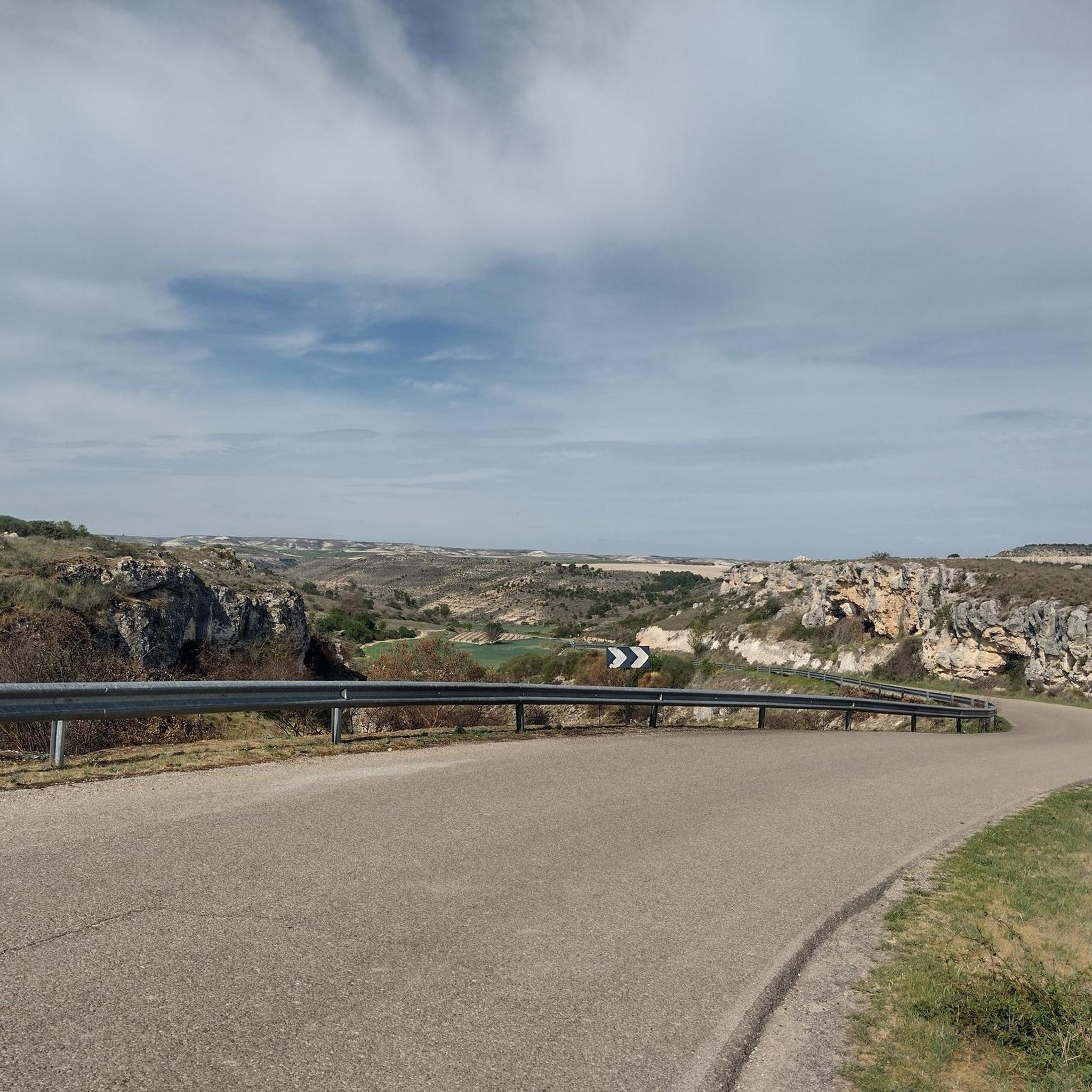
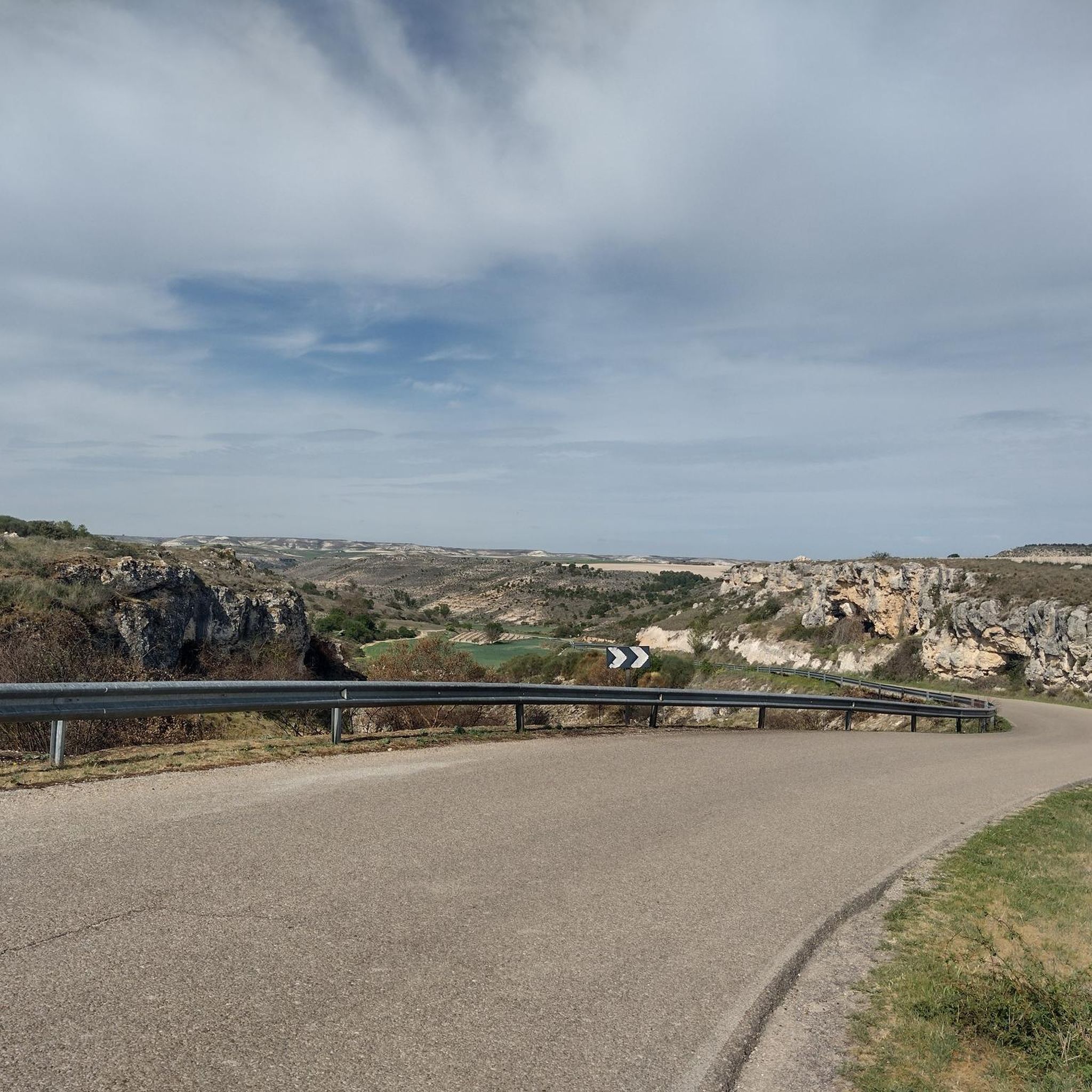


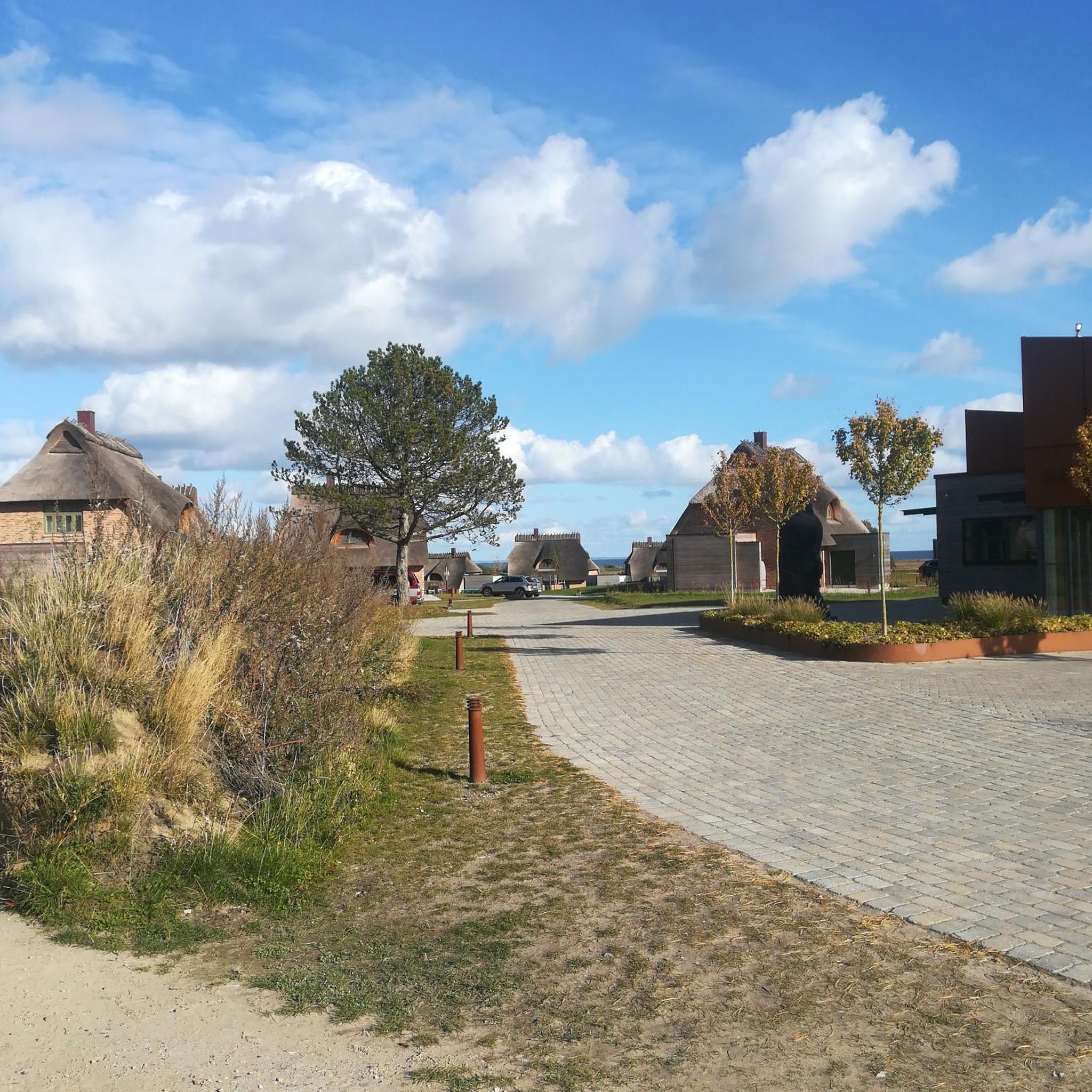
Tips from the Community

Spectacular area for hiking routes
0
0

Peñaranda de Duero is a municipality in Burgos, in the Ribera del Duero region, known for its rich historical heritage. Its old town, declared a Historic Site, is notable for the Peñaranda de Duero Castle, the Palace of the Counts of Miranda, its arcaded Plaza Mayor, and its provincial roll. In addition to its architecture, the town is part of the Ribera del Duero Designation of Origin and has a strong winemaking tradition.
3
0
Aranda de Duero, in the province of Burgos, is the capital of the famous Ribera del Duero wine region. The city is known for its excellent wines and its network of underground wine cellars, medieval tunnels dug beneath the old town. It is also a top culinary destination, famous for its roast lamb and blood sausage. Its heritage includes Gothic churches such as Santa María la Real, which complement the cultural and culinary experience.
4
0

Archaeological site Roman Villa of Baños de Valdearados are important remains of the late imperial Roman villa (4th and 5th centuries). The most interesting element are the spectacular mosaics, for example one dedicated to the god Bacchus. Guided tour 1.5 eur, check the schedule and availability: https://www.bañosdevaldearados.es/horario-de-verano-de-la-villa-romana
1
0
Town located in the Ribera de Duero. The most important point is the square where the Church of San Mamés Mártir is located. In Fuentecén there is also one of the 111 unique trees in the province of Burgos, called "Pino Redondo" for its perfect dome that it had until a few decades ago.
1
0
Aranda de Duero is especially known for its gastronomy (roasted lamb and blood sausage from Aranda) and its wines from the Ribera del Duero Designation of Origin. In terms of architectural heritage, it is worth highlighting the church of Santa María la Real (with an incredible Gothic-Elizabethan façade), the church of San Juan (today a sacred museum), the Sanctuary of San Pedro Regalado and the 7 km of Underground Wine Cellars built between the 12th and 18th centuries in the Old Town.
1
0

The castle of Peñaranda is a great fortress that clearly dominates the hamlet. Although the first defenses of Peñaranda could be raised simultaneously with its repopulation, most of what is currently preserved must be attributed to the first count of Miranda, between the mid and late fifteenth century.
0
0
The main square of Peñaranda de Duero can be seen with its enormous church and "bourgeois" houses where you can still see how the old houses were made in this area.
0
0
Frequently Asked Questions
How many road cycling routes are available around Castrillo De La Vega?
There are over 75 road cycling routes around Castrillo De La Vega, offering a wide range of options for different skill levels and preferences. More than 1200 road cyclists have already explored this area using komoot.
What is the best time of year for road cycling in Castrillo De La Vega?
The Ribera del Duero region, including Castrillo De La Vega, generally offers pleasant cycling conditions during spring (April-June) and autumn (September-October). These seasons provide milder temperatures and beautiful scenery, especially with the vineyards in bloom or changing colors. Summers can be hot, while winters are colder.
Are there options for less experienced road cyclists in Castrillo De La Vega?
Yes, Castrillo De La Vega offers 11 easy road cycling routes. The terrain around the town is predominantly flat, especially along the Duero River, making it suitable for relaxed excursions through the countryside. These routes are perfect for beginners or those looking for a less strenuous ride.
What about more challenging routes for experienced road cyclists?
For experienced riders seeking a challenge, there are 17 difficult road cycling routes available. These routes often venture into the wider Burgos province, featuring more significant elevation changes. An example is the Sierra de Pradales and Hoces del Río Riaza Loop, which includes over 1000 meters of elevation gain.
Are there road cycling routes with scenic views in Castrillo De La Vega?
Absolutely. The region is renowned for its picturesque landscapes. Many routes traverse the iconic Ribera del Duero vineyards and agricultural fields, offering expansive views. Additionally, routes along the Duero River, such as those near the Sotos y Ribera del Duero Natural Space, provide beautiful riparian scenery and opportunities for nature observation.
What historical or cultural attractions can I explore near the cycling routes?
While cycling, you can discover several historical and cultural points of interest. Nearby attractions include the impressive Church of Santa María la Real of Aranda de Duero, the historic Aranda Bridge, and the charming town of Aranda de Duero itself. The ruins of the Renaissance castle, Torre del Monte, also offer panoramic views over the Duero valley.
Are there circular road cycling routes available?
Yes, many of the road cycling routes around Castrillo De La Vega are circular, allowing you to start and end at the same point. Popular circular routes include Congosto Río Riaza — from Aranda del Duero and Baños de Valdearados y Peñaranda de Duero.
What kind of terrain can I expect on road cycling routes here?
The terrain is varied, but generally features well-paved surfaces through rural landscapes. You'll encounter predominantly flat sections around Castrillo de la Vega and along the Duero River, transitioning to rolling hills and some more challenging climbs as you explore further into the Burgos province. The routes often pass through extensive vineyards and agricultural fields.
Can I find routes that pass through the famous Ribera del Duero vineyards?
Absolutely. Castrillo De La Vega is located in the heart of the Ribera del Duero wine region. Many road cycling routes are designed to take you directly through vast vineyards, offering a unique opportunity to experience the iconic landscape and even pass by traditional wineries. The route Fuentecén y Roa — circular desde Aranda de Duero is a great example of a ride through this countryside.
Are there places to stop for refreshments or cafes along the cycling routes?
Given the region's strong wine culture, many routes pass through villages and near traditional wineries (bodegas) where you might find opportunities for refreshments or even wine tastings. Larger towns like Aranda de Duero, often starting points for routes, offer a wider selection of cafes and restaurants. Planning your route with komoot can help you identify potential stops.
What do other road cyclists say about the routes in Castrillo De La Vega?
The road cycling routes in Castrillo De La Vega are highly rated by the komoot community, with an average score of 4.6 stars from over 40 reviews. Cyclists often praise the beautiful vineyard scenery, the quiet rural roads, and the variety of routes suitable for different fitness levels.
Where can I find parking for road cycling routes in Castrillo De La Vega?
When starting a route from Castrillo De La Vega or nearby towns like Aranda de Duero, you can typically find public parking areas. It's advisable to check local parking regulations or use navigation apps to locate suitable parking spots near your chosen starting point, especially in smaller villages.
Most popular routes around Castrillo De La Vega
Most popular attractions around Castrillo De La Vega

Get inspired with the komoot mobile app


Explore more
Browse the best Road cycling routes in other regions.
