Top 11 Mountain Passes around Arce/Artzi
Best mountain passes around Arce/Artzi are situated in a mountainous region, characterized by the Pyrenees and its associated terrain. This area features numerous passes that serve as routes through the landscape, connecting various villages and valleys. The passes often involve significant elevation changes, making them suitable for activities like cycling and hiking. The region's geography includes both gradual ascents and steep climbs, offering diverse experiences for those exploring the mountain passes.
Best mountain passes around Arce/Artzi
- The most popular mountain…
Last updated: June 26, 2026
Ibañeta Pass and the Roland Monument
Highlight • Mountain Pass
Translated by Google •
Tip by

Ibañeta Pass
Highlight • Mountain Pass
Tip by

Sign up now to discover places like this
Get recommendations on the best single tracks, peaks, & plenty of other exciting outdoor places.
Sign up for free
Erro Pass
Highlight • Mountain Pass
Translated by Google •
Tip by

First climbs in the Camino Francés (Navarra)
Highlight (Segment) • Mountain Pass
Descending quickly and pleasantly down from the Ibañeta Pass towards Auritz-Burguete on the N-135 (beware of possible traffic), you have the illusion that …
Tip by
Sorogain Pass
Highlight • Mountain Pass
Translated by Google •
Tip by

Sign up for free to discover even more mountain passes around Arce/Artzi.
Sign up for free
Already have an account?
Start today with a free account
Your next adventure awaits.
Login or Signup
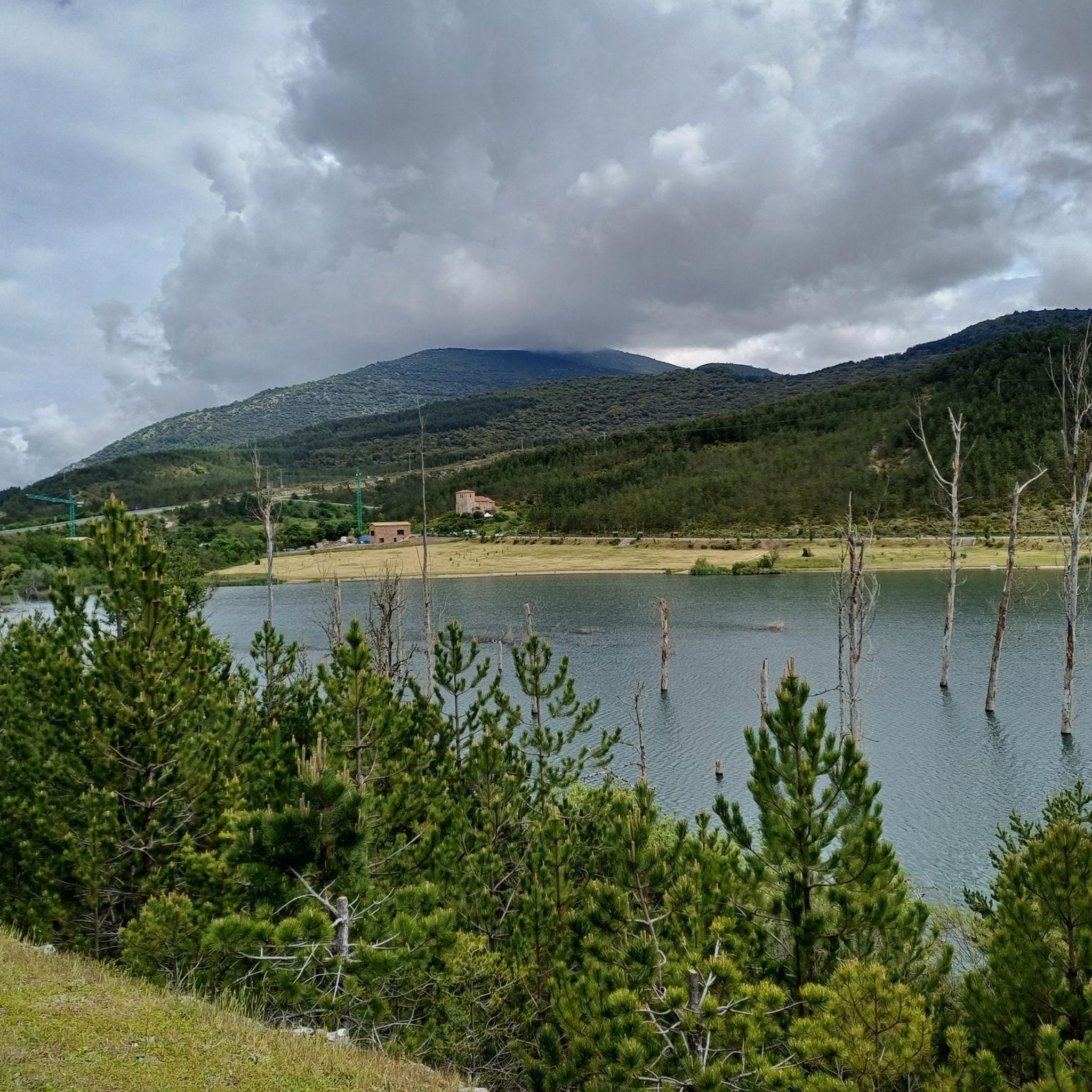
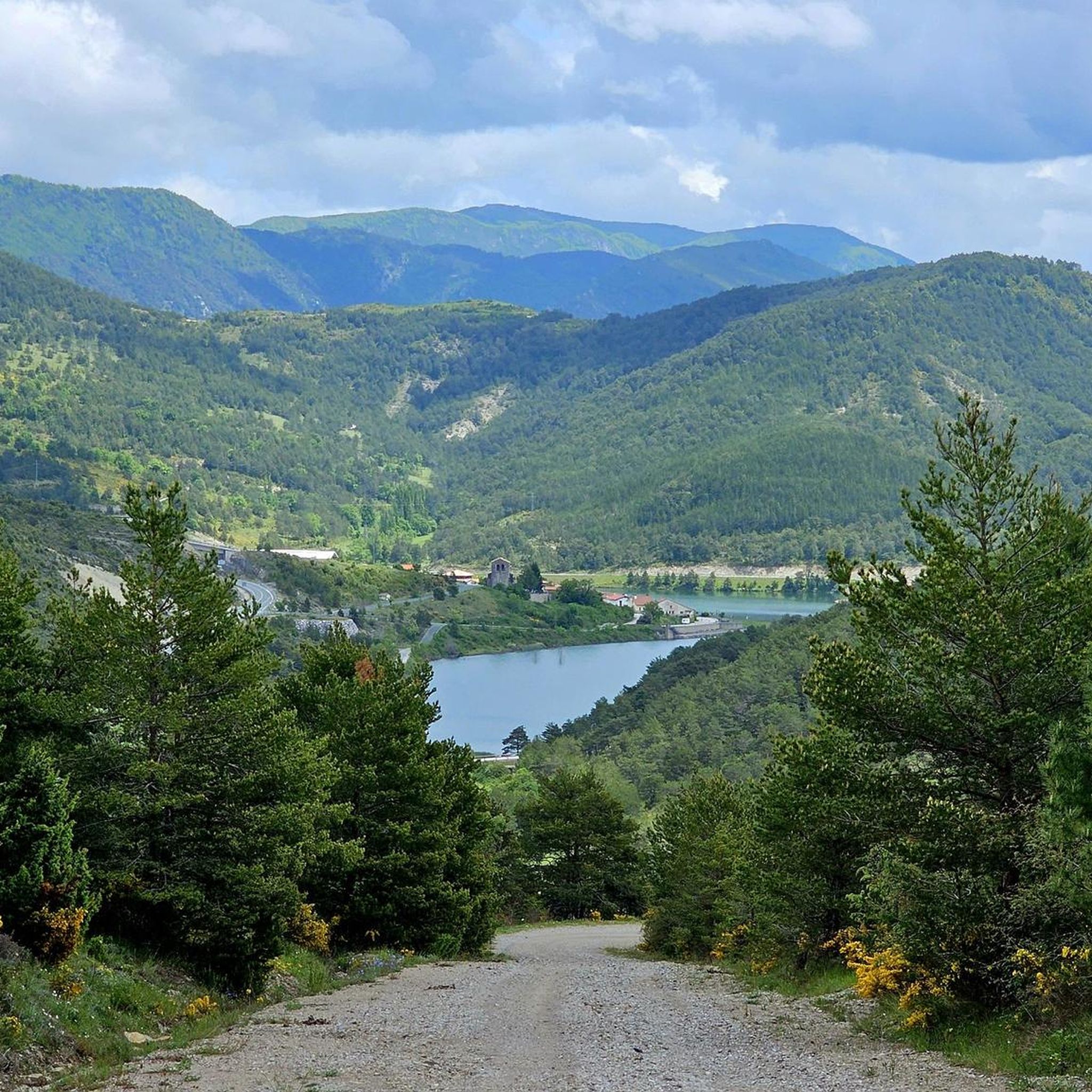
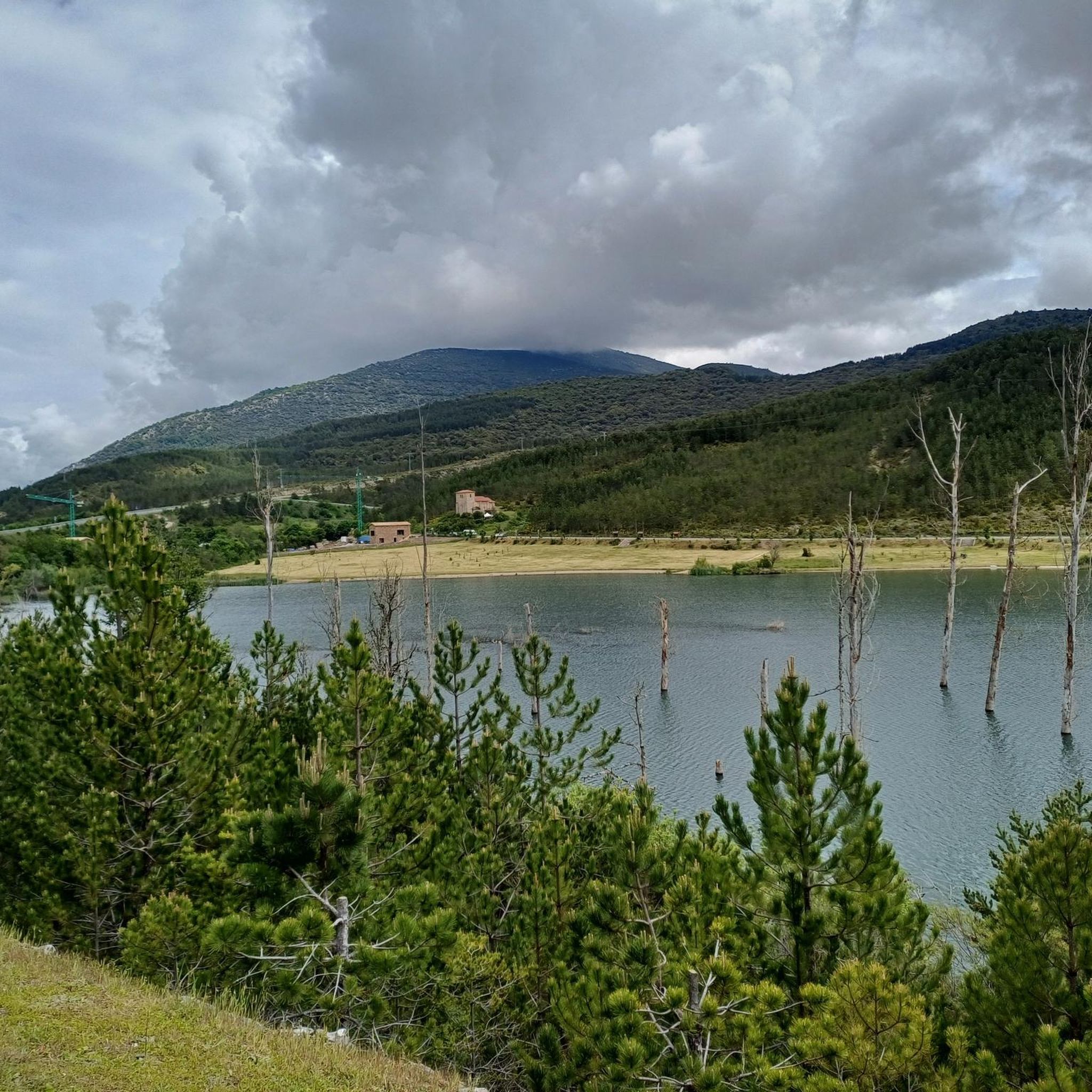
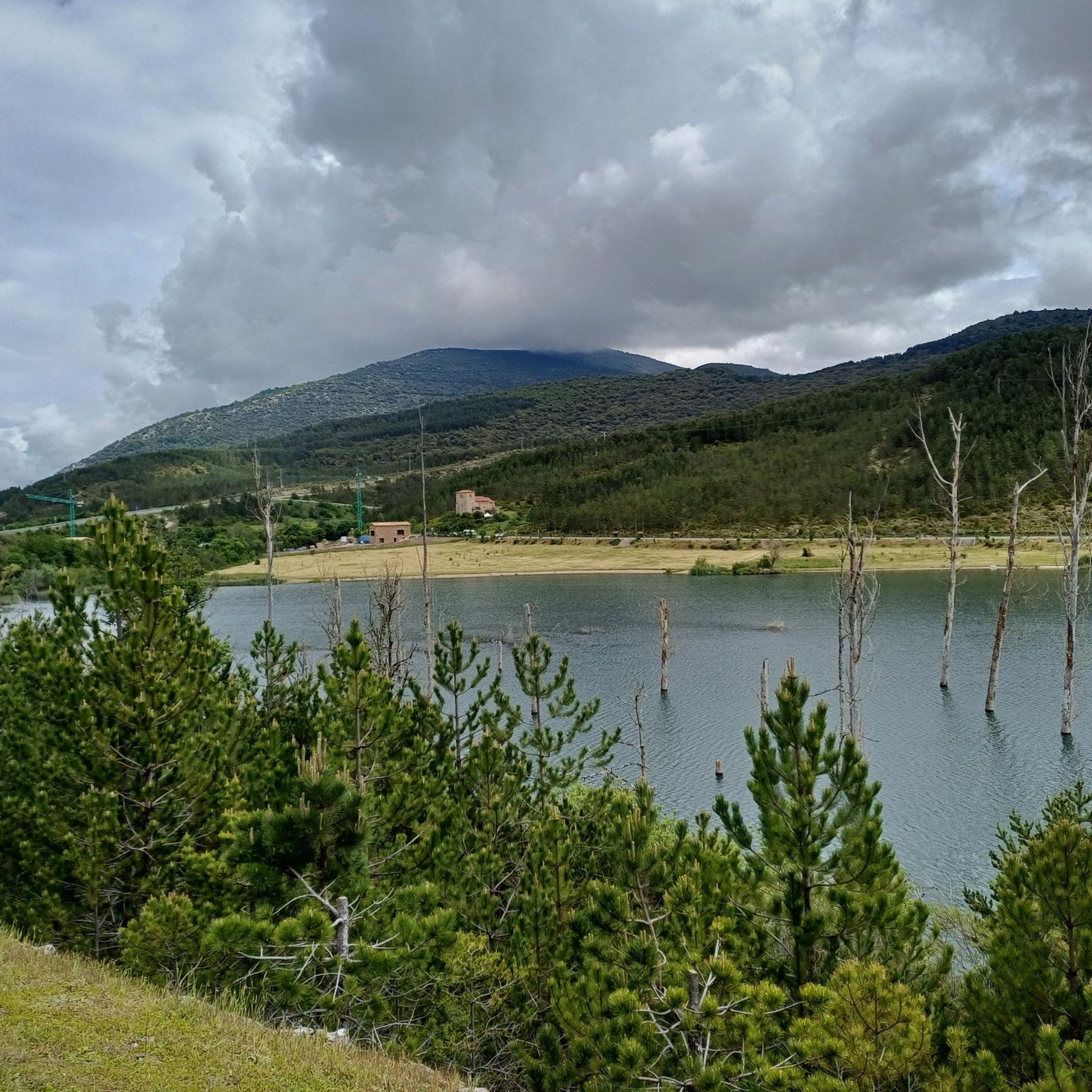

Tips from the Community

One of the best discoveries this year. I was really looking forward to visiting this area of the Pyrenees, and it has clearly exceeded my expectations. In addition, it was a beautiful day, with sun and good temperature. I couldn't ask for more. Sorogain is a border crossing with 2 very different sides. The Spanish side is flat and enjoyable, crossing a beech forest, following the course of a stream and opening up the majestic valley in the final part, surrounded by horses and sheep. It is approximately 8km with an average gradient of 3%, with the last 2km being harder and with irregular slopes. The French side is also spectacular but much harder. It is also 8km but with an average gradient of 8% and peaks of 18%. There are several km with an average gradient of over 10%, and the final slope is 500m at 15%!!! The views of the Urepel valley are wonderful. The road on both sides is in perfect condition, although it is very narrow and you have to be careful with the few cars there are.
0
0
It is a beautiful border pass between Spain and France, well known for being part of the most traditional route of the Camino de Santiago. Sportingly, the climb on both sides is easy, although on the French side it is much longer as it starts at a lower altitude. The Spanish side is just 6 km from Burguete, the last being the most difficult with an average gradient of 7%. On this side you pass the famous and well-known monastery of Roncesvalles. The French side is 18 km from Arnegui and an average gradient of 4%. The hardest part is 5 km from the summit, with one kilometre at 7%. The landscape on this side is of lush vegetation going up a very closed valley that hardly leaves room for views of the surrounding mountains. The road is very twisty. It is a port with very good asphalt and a lot of traffic in general... so, be careful!
1
0

The Ibañeta Pass, also known as the Roncesvalles Pass, is a scenic mountain pass in the Pyrenees, near the border between France and Spain. At an altitude of 1,057 metres, it offers breathtaking views and a rich historical background. The pass is best known for the Battle of Roncevaux in 778, a legendary event sung about in the epic poem “The Song of Roland”. A menhir marks the traditional site of this battle, emphasising the historical significance of the location.
2
0

A great climb up to the pass. Once you reach the top you get a great view. There is a small church at the top and also a monument. There has always been a hospital up here. However, only the foundations of it remain
2
0

An Alto that is not quite as tough on the legs, but you have to go over there first. In August I was looking forward to refreshments, but then the stand was not open... well, then the beautiful descent follows...
3
0
Roland, who is commemorated here, died in 778 as part of the rear guard of Charlemagne's Frankish army. He himself was Margrave of Brittany and was the victim of a Basque revenge campaign against the Frankish conquerors who were retreating from a failed Saracen campaign. Those were complicated times, but things were not to become any less complicated in the Basque Country in the centuries that followed. An epic/song was later sung about Roland, which is part of world literature. The monument itself is simple and rough, exposed up here in the wind of the weather, and can therefore have an immediate effect, without pomp and splendor. Great! https://de.wikipedia.org/wiki/Schlacht_von_Roncesvalles
2
0

nice area with drinking water
0
0

The mountain "Erro" has 801 meters. On the summit, a hawker with soft drinks and chairs has prepared for the many pilgrims.
1
0
Frequently Asked Questions
What are some notable mountain passes in the Arce/Artzi region?
The region features several significant mountain passes. Among them are Ibañeta Pass, which marks a key section of the Camino Francés to Santiago de Compostela, and Erro Pass, connecting Erro and Zubiri. Another notable pass is Sorogain Pass, known for its scenic beauty near the French border.
What historical significance do the mountain passes around Arce/Artzi hold?
Many passes in the region are steeped in history. For instance, Ibañeta Pass and the Roland Monument commemorates the historic Battle of Roncesvalles. The passes also form part of the ancient Camino Francés, a pilgrimage route to Santiago de Compostela, with sites like the foundations of an 11th-century monastery at Ibañeta Pass.
What kind of views can I expect from the mountain passes?
The mountain passes in the Arce/Artzi region offer breathtaking panoramic views, especially from viewpoints like Ibañeta Pass and the Roland Monument. You can expect to see the mountainous Pyrenean landscape, often with forests and valleys stretching out below.
Are there hiking trails near the mountain passes around Arce/Artzi?
Yes, the region is excellent for hiking. Many mountain passes are integrated into or are starting points for various trails. For example, the Running Trails around Arce/Artzi guide features routes like the 'Itoizko urtegia – Artziko hondartza loop'. The passes themselves often involve significant elevation changes, making them suitable for challenging walks.
Can I go cycling on the mountain passes in Arce/Artzi?
Absolutely. The mountain passes are popular for cycling, offering both gradual ascents and steep climbs. Passes like Ibañeta Pass and Erro Pass are well-known climbs. You can find more routes in the MTB Trails around Arce/Artzi and Gravel biking around Arce/Artzi guides.
What is the difficulty level of the mountain passes in Arce/Artzi?
The difficulty varies. Many passes are classified as 'intermediate' and involve significant climbs. For instance, Erro Pass has an average gradient of 4.9%, while the French side of Sorogain Pass can reach peaks of 18%. Some sections of the Camino Francés, like the 'First climbs in the Camino Francés (Navarra)', also present challenging ascents.
Are there family-friendly mountain walks in the Arce/Artzi area?
While many passes involve significant climbs, some sections or nearby trails might be suitable for families depending on their experience. It's advisable to check the specific route details and elevation profiles for each pass or trail. The region offers diverse experiences, so gentler paths might be found in the valleys surrounding the passes.
What do visitors enjoy most about the mountain passes in Arce/Artzi?
Visitors frequently appreciate the stunning panoramic views, the historical significance, and the challenging yet rewarding climbs. The sense of accomplishment after conquering a pass, especially those on the Camino Francés, is a common highlight. The natural beauty of the Pyrenean landscape and the well-maintained roads and trails also receive high praise.
What is the best time to visit the mountain passes around Arce/Artzi?
The best time to visit generally depends on your planned activity. Spring and autumn offer pleasant temperatures for hiking and cycling, with vibrant foliage or blooming wildflowers. Summer is also popular, though some climbs can be more strenuous in warmer weather. Winter can bring snow, making some passes challenging or inaccessible, particularly for cycling.
Are there amenities like cafes or accommodation near the mountain passes?
Yes, especially near the more frequented passes and villages. For example, after descending from Ibañeta Pass, you'll find the village of Roncesvalles, which offers accommodation and services for pilgrims and travelers. Other villages in the valleys also provide amenities, though it's always good to check ahead, especially in smaller, more remote areas.
Can I find information about specific climbs like Alto de Erro or Alto de Mezkiritz?
Yes, these are part of the 'First climbs in the Camino Francés (Navarra)' highlight. Erro Pass (Alto de Erro) is a 2.9 km climb with an average gradient of 4.9%. Alto de Mezkiritz is another climb encountered on this section of the Camino, with varying gradients. These climbs are well-documented for those undertaking the pilgrimage or cycling tours.
Most popular routes around Arce/Artzi
Most popular attractions around Arce/Artzi

Get inspired with the komoot mobile app


Explore more
See even more epic mountain passes by checking out these guides around Arce/Artzi:
