The best road cycling routes around Przemęcki Park Krajobrazowy
4.8
(29)
552
riders
14
rides
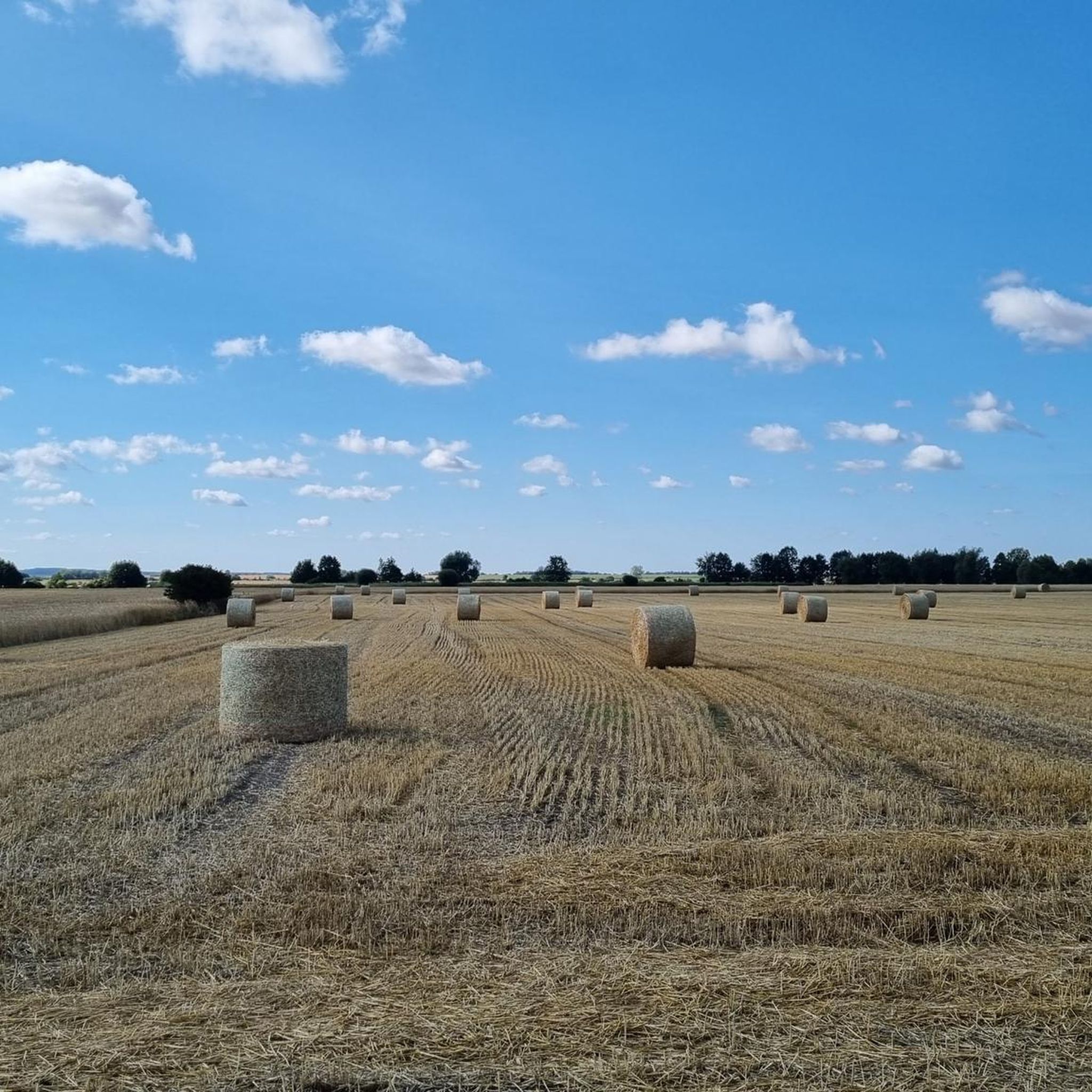
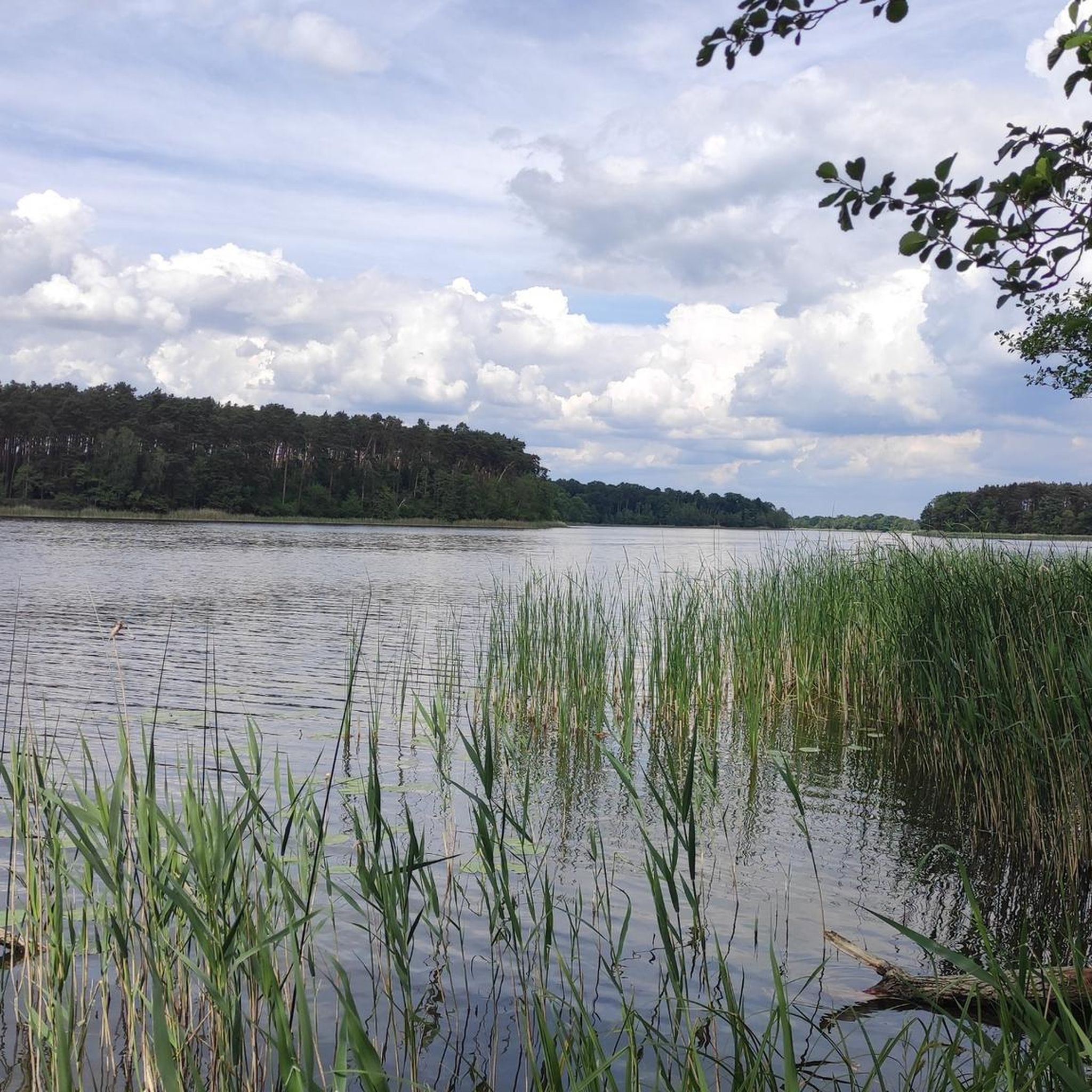
Road cycling around Przemęcki Park Krajobrazowy features a post-glacial landscape characterized by numerous glacial lakes, extensive forests, and varied topography. The region's terrain includes gentle undulations and flat sections, making it suitable for road cycling. Forests cover approximately 40% of the park, providing shaded routes, while 24 glacial lakes offer scenic views. The landscape was shaped by the last glaciation, resulting in a diverse natural environment for outdoor activities.
Best road cycling routes around Przemęcki Park Krajobrazowy
- The most popular…
Last updated: May 23, 2026
4.0
(4)
74
riders
Moderate road ride. Great for any fitness level. Some segments of this route may be unpaved and difficult to ride.
5.0
(6)
46
riders
Moderate road ride. Good fitness required. Some segments of this route may be unpaved and difficult to ride.

Sign up for free
20
riders
48.6km
01:58
160m
160m
Moderate road ride. Great for any fitness level. Some segments of this route may be unpaved and difficult to ride.
5.0
(1)
17
riders
34.9km
01:28
100m
100m
Moderate road ride. Great for any fitness level. Some segments of this route may be unpaved and difficult to ride.
17
riders
Moderate road ride. Great for any fitness level. Some segments of this route may be unpaved and difficult to ride.
Get access to more routes and recommendations from other explorers.
Sign up for free
Already have an account?
Our route recommendations are based on thousands of hikes, rides, and runs completed by other people on komoot.
Start today with a free account
Your next adventure awaits.
Login or Signup

Tips from the Community

The Church of St. Stanislaus Kostka in Śmigiel has a remarkable history, as it originally served as a Protestant (Evangelical) church, and after World War II it was taken over by the Catholic Church.
2
0
The present church was built in the late Gothic style in the first half of the 15th century, most likely between 1439 and 1443. The church was founded by Bishop Andrzej of Bnin of Poznań. It was established as the main parish church of the newly founded city, taking over the functions of the older Church of St. Vitus.
2
0
In Brenna and its surroundings, due to the favourable terrain conditions (open spaces, favourable winds) and developed agriculture, windmills were common. They were used to grind grain into flour, groats, and also to produce animal feed. These were usually windmills of the koźlak type (characteristic of Wielkopolska, with the entire body rotated on a pole – a trestle). Windmills were often owned by wealthy peasants, millers or landowners. They were an important link in the local economy, providing work and basic food products to residents.
2
0
Ant bench 😀
3
0

Very well preserved/renovated windmills... unfortunately in private hands and with no possibility to get closer :(
0
0
Public parking lot, and further on a beautiful forest for mushroom picking ;)
2
0
The place is nicely described. There is also an interesting surprise (for those who like forest workers)... 🐜
0
0
Frequently Asked Questions
What kind of terrain can I expect when road cycling in Przemęcki Park Krajobrazowy?
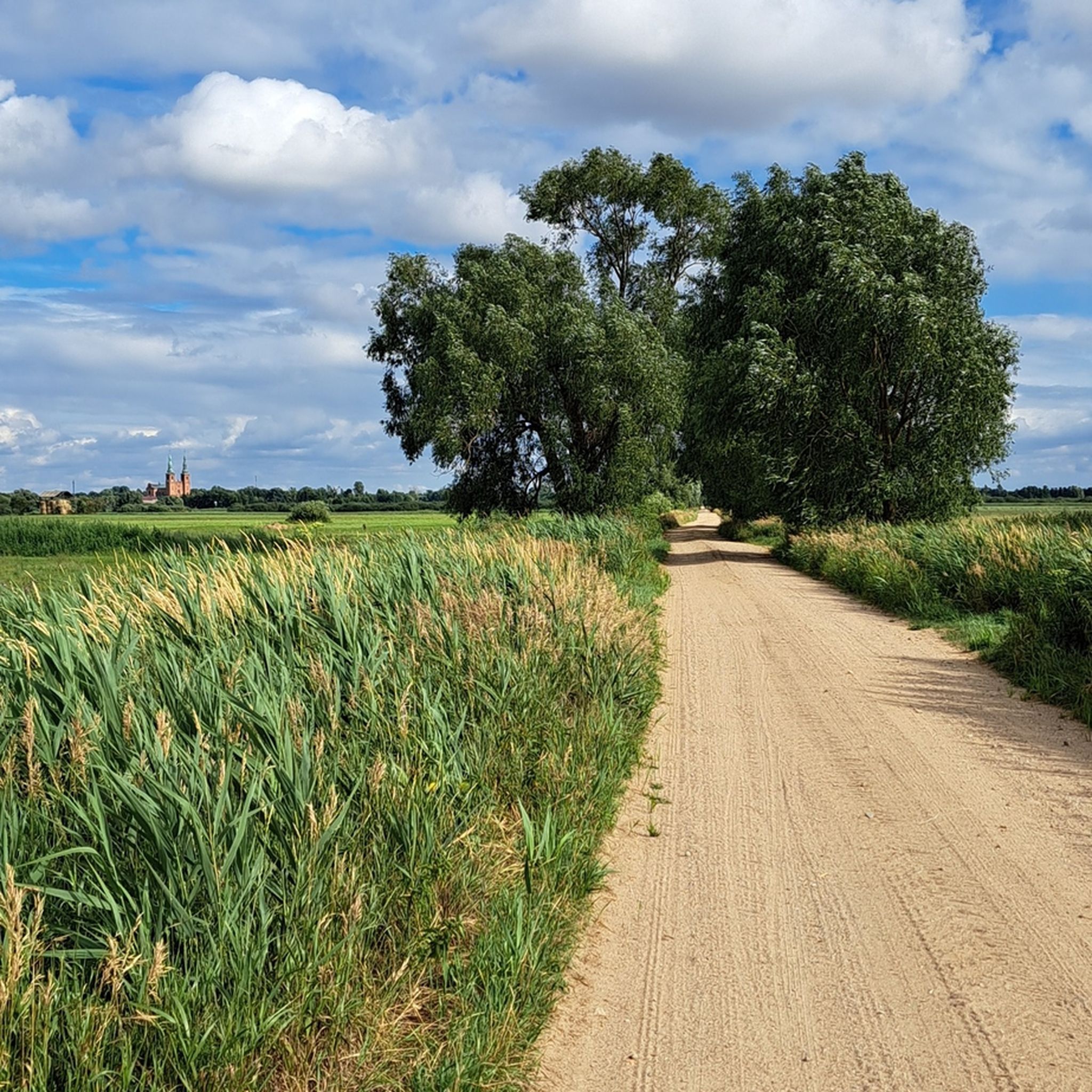
The park features a unique post-glacial landscape with gentle undulations and flat sections, making it suitable for road cycling. You'll encounter a mix of paved roads and quiet routes, often shaded by the extensive forests that cover about 40% of the area. The terrain was shaped by the last glaciation, resulting in a diverse natural environment.
Are there many lakes to see along the road cycling routes?
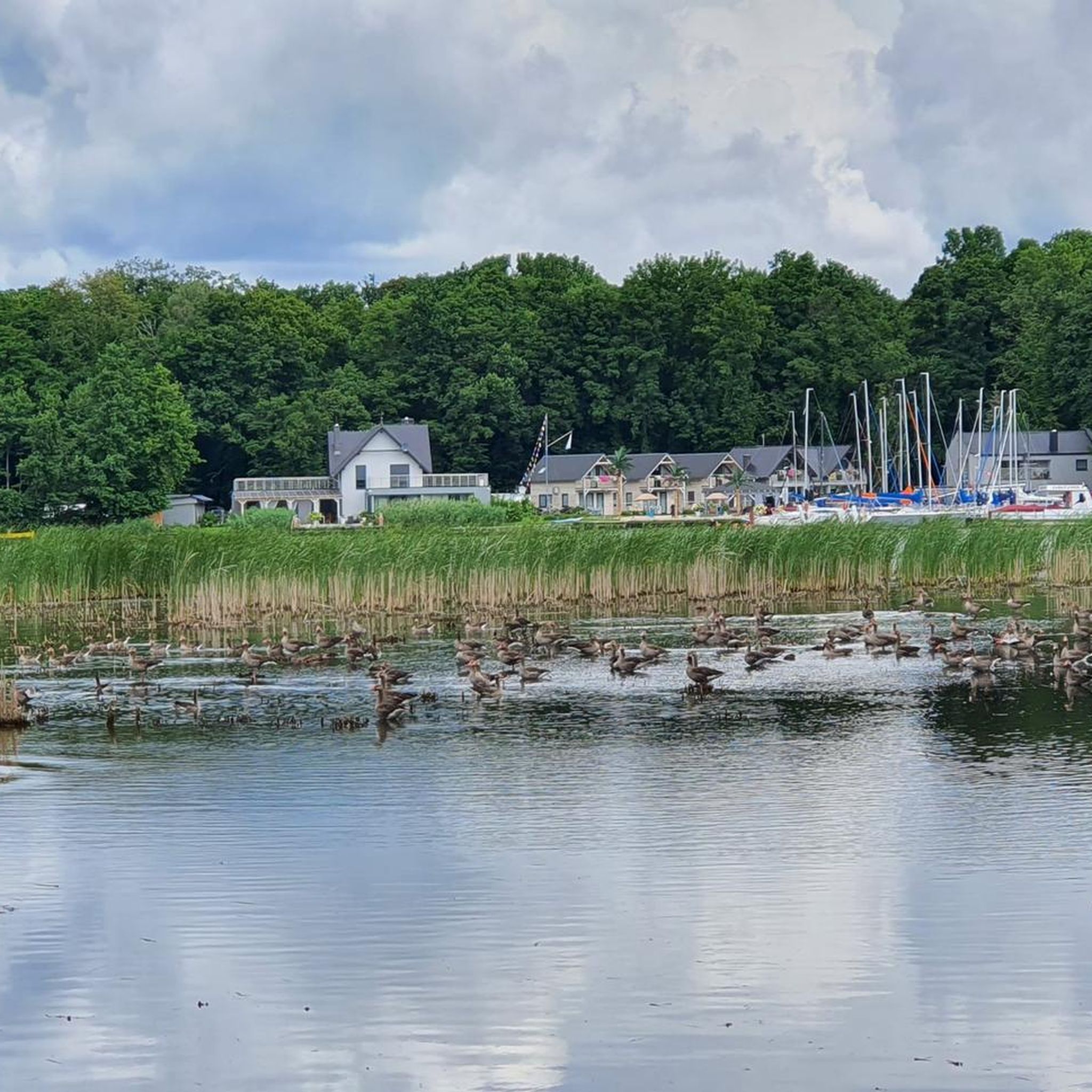
Yes, Przemęcki Park Krajobrazowy is known for its numerous glacial lakes. There are 24 lakes within the park, many of which are interconnected. Key lakes include Dominickie, Przemęckie, and Wieleńskie, offering scenic views along many routes. You can find more details about the lakes, including Lake Dominickie and the Bridge Between Oslonin and Wieleńskie Lakes, in the dedicated guide.
What are the difficulty levels of road cycling routes in the park?
The routes in Przemęcki Park Krajobrazowy cater to various skill levels. You'll find options ranging from easy to moderate. For instance, the Roadbike loop from Zaborówiec is an easy 26.1 km ride, while the Manor in Krzycko Małe – Church of the Holy Trinity loop from Włoszakowice offers a moderate 48.6 km challenge.
Are there any circular road cycling routes available?
Yes, many of the road cycling routes in Przemęcki Park Krajobrazowy are designed as loops, allowing you to start and end at the same point. Examples include the Roadbike loop from Brenno and the Chapel of St. Lawrence loop from Wieleń, both offering scenic circular journeys.
What kind of natural features can I expect to see while cycling?
Beyond the numerous lakes, the park boasts extensive forests, covering about 40% of its area, with diverse tree species like pine, oak, alder, and beech. It's also a haven for wildlife, including 182 bird species, beavers, and badgers. Keep an eye out for protected plant species like the lily of the valley, especially around Wyspa Konwaliowa (Lily of the Valley Island).
Are there any viewpoints or observation towers along the cycling routes?
Yes, for panoramic views of the park's diverse landscape, you can visit one of the three observation towers located in Dominice, Olejnica, or Siekowo. These offer excellent opportunities to appreciate the post-glacial topography and extensive natural beauty.
What do other road cyclists enjoy most about cycling in Przemęcki Park Krajobrazowy?
The area is highly rated by the komoot community, with an average score of 4.8 stars from over 29 reviews. Cyclists often praise the picturesque glacial lakes, the quiet, shaded forest roads, and the varied, yet manageable, post-glacial topography that defines the region's unique cycling experience.
Are there any historical or cultural attractions to visit near the cycling paths?
Beyond its natural beauty, the park offers cultural highlights. You can visit the post-Cistercian church in Przemęt or explore a bird gallery by a folk sculptor in Górsko. Additionally, historical sites like the Former Polish-German Border at Wiatrażna and monuments like Napoleon's Couch are also nearby.
Can I find easy road cycling routes suitable for beginners or families?
Absolutely. The park offers several easy routes perfect for beginners or families looking for a relaxed ride. For example, the Roadbike loop from Zaborówiec is an easy 26.1 km route, and the Church of the Holy Trinity loop from Włoszakowice is an even shorter, easy 13.9 km option.
What is the best time of year to go road cycling in Przemęcki Park Krajobrazowy?
The park is generally pleasant for cycling from spring through autumn. Spring brings blooming flora, while summer offers warm weather for lake views and shaded forest rides. Autumn provides beautiful foliage. Always check local weather conditions before your ride, as some routes may involve mixed surfaces.
Are there educational paths within the park that cyclists can explore?
Yes, the park features designated educational paths, such as "Krzyżowiec" and "Olejnica." While primarily designed for walking, these paths often run alongside or intersect with cycling routes, allowing visitors to learn about the park's natural and historical values as they explore the area.
Most popular routes around Przemęcki Park Krajobrazowy
Most popular attractions around Przemęcki Park Krajobrazowy

Get inspired with the komoot mobile app


Explore more
Browse the best Road cycling routes in other regions.
