Attractions and Places To See around Leiva - Top 20
Best attractions and places to see around Leiva, a historic village in La Rioja, Spain, include ancient landmarks and sites connected to the Camino de Santiago. The region offers a glimpse into medieval times and significant historical structures. Visitors can explore a variety of man-made monuments and religious buildings. These attractions provide insights into the area's rich heritage and its role in historical pilgrimage routes.
Best attractions and places to see around Leiva
- The most popular attractions is Santo Domingo…
Last updated: May 11, 2026
Santo Domingo de la Calzada Cathedral
Highlight • Religious Site
Translated by Google •
Tip by

Santo Domingo de la Calzada Bridge
Highlight • Bridge
At the entrance, on the banks of Santo Domingo de la Calzada, there …
Translated by Google •
Tip by
Sign up now to discover places like this
Get recommendations on the best single tracks, peaks, & plenty of other exciting outdoor places.
Sign up for free
Parish Hostel San Juan Bautista de Grañón
Highlight • Rest Area
Translated by Google •
Tip by

Sajazarra Castle
Highlight • Castle
Between the 12th and 13th centuries the town was fortified. In its beginnings there was a single tower that …
Translated by Google •
Tip by

Bicigrino Statue
Highlight • Monument
Translated by Google •
Tip by

Sign up for free to discover even more attractions around Leiva.
Sign up for free
Already have an account?
Start today with a free account
Your next adventure awaits.
Login or Signup
Tips from the Community

The pilgrimage route repeatedly involves crossing valleys and rivers like the Rio Oja – as here at Santo Domingo de la Calzada. The bridges are sometimes relatively modern, sometimes medieval, and sometimes even older.
1
0

A beautiful, perfectly restored building. It's a shame it's private and can't be visited.
0
0

It crosses the Oja River, connecting different parts of the city. Built in the 12th century by Saint Dominic de la Calzada to facilitate the passage of pilgrims on the Camino de Santiago. The stone bridge features several arches, a fine example of medieval engineering.
2
0
The Cathedral of Santo Domingo de la Calzada, also known as the Cathedral of El Salvador, is an impressive monument located in the town of Santo Domingo de la Calzada. The cathedral was built between the 12th and 13th centuries, combining Romanesque and Gothic styles. A unique feature is its free-standing tower, separated from the main body of the cathedral.
8
0

“Bicigrino” is a term used on the Camino de Santiago and is a combination of the Spanish words “bici”, meaning bicycle, and “peregrino”, meaning pilgrim1. A Bicigrino is therefore a pilgrim who covers the Camino de Santiago by bicycle21. To receive a Compostela certificate, a Bicigrino must complete at least the last 200 km of a Camino route, ending in Santiago de Compostela. It is a trend that has developed in recent years, with more and more pilgrims choosing to do the Camino de Santiago by bicycle. It's a great way to experience the beautiful landscapes and historic sites along the Camino. 😊
6
0
Saint John the Baptist (San JUAN BAUTISTA) is - like Saint Joseph - a man on the threshold of the Old and New Testaments. His parents are Zacharias and Elizabeth. After the announcement of the Incarnation of God through them, the Mother of God visits her relative Elizabeth, who will give birth to a son in her old age, namely John the Baptist. He is half a year older than Jesus and is considered his forerunner/pioneer. He lives in the desert, preaches repentance from sins to the Jewish population and baptizes them in the Jordan. Jesus also comes there to be baptized, and is filled with the Holy Spirit who descends upon him from heaven. The memorial day of San Juan Bautista in the calendar of saints is June 24th, exactly half a year before 'Christmas Eve'.
2
1
Again and again on the pilgrimage route - as here at Santo Domingo de la Calzada - valleys have to be crossed and rivers like the Rio Oja have to be crossed. The bridges are sometimes relatively modern, sometimes medieval and sometimes even older.
7
0
The typical features of almost every pilgrim figure: backpack, hat, walking stick and of course the clearly visible scallop shell; here, another object has been added, namely the bicycle.
8
0
Frequently Asked Questions
What are the most popular historical sites to visit around Leiva?
The area around Leiva, La Rioja, is rich in history, especially along the Camino de Santiago. Key historical sites include the unique Santo Domingo de la Calzada Cathedral, known for its live rooster and hen tradition, and the ancient Santo Domingo de la Calzada Bridge, an 11th-century structure built for pilgrims.
Are there any castles or ancient fortresses near Leiva?
Yes, you can visit Sajazarra Castle, a magnificent walled castle dating from the 12th to 15th centuries. Although private, its well-preserved structure and surrounding gardens are worth exploring. The village of Leiva itself also features an ancient and impressive castle, offering a glimpse into medieval times.
What attractions are suitable for families with children around Leiva?
Families can enjoy several attractions. The Santo Domingo de la Calzada Cathedral with its live rooster and hen tradition is often fascinating for children. The Sajazarra Castle offers an engaging historical experience. Additionally, the Boundary Between La Rioja and Castilla y León on the Camino de Santiago provides an interesting marker with information boards.
Are there any outdoor activities or trails near Leiva's attractions?
Absolutely! The region around Leiva is excellent for outdoor activities. You can find numerous running, hiking, and road cycling routes. For instance, there are moderate running trails like the 'Leiva Castle loop from Leiva' and hiking options such as 'From Redecilla del Camino to Grañón — circular via the Camino de Santiago'. Explore more options on the Running Trails around Leiva, Hiking around Leiva, and Road Cycling Routes around Leiva guide pages.
What is the significance of the Camino de Santiago in this region?
The Camino de Santiago plays a central role in the historical and cultural landscape around Leiva. Many attractions, like the Santo Domingo de la Calzada Bridge, were specifically built to aid pilgrims. You'll also find markers such as the Boundary Between La Rioja and Castilla y León on the Camino de Santiago and the Bicigrino Statue, celebrating those who undertake the pilgrimage by bicycle.
Are there any wheelchair accessible attractions around Leiva?
Yes, some attractions offer wheelchair accessibility. The Santo Domingo de la Calzada Bridge, a historic masonry stone bridge, is noted as wheelchair accessible. Additionally, the Bicigrino Statue, a monument dedicated to cycling pilgrims, is also accessible.
What unique cultural traditions can I experience in the area?
A truly unique tradition can be found at the Santo Domingo de la Calzada Cathedral. Inside, a live rooster and hen are kept, commemorating the legend of the hanged man. This tradition is protected as an Asset of Cultural Interest by the Government of La Rioja.
Where can I find panoramic views of the region?
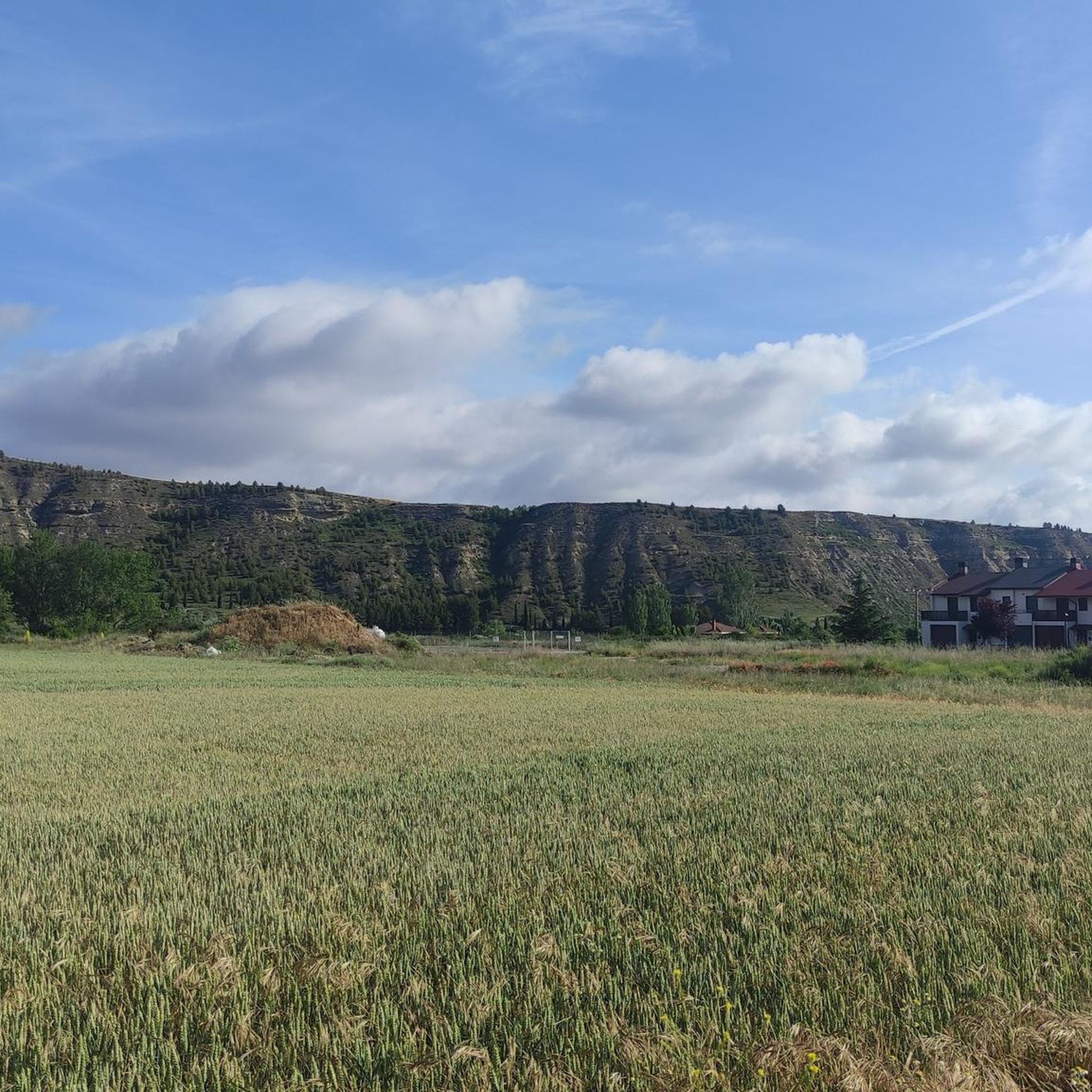
For scenic views, head to the Boundary Between La Rioja and Castilla y León on the Camino de Santiago. This spot, located on a small hill, offers information boards and wonderful views of the surrounding fields and landscape.
What do visitors enjoy most about the attractions around Leiva?
Visitors particularly appreciate the deep historical and cultural roots of the area, especially its connection to the Camino de Santiago. The unique traditions, like the live animals in the Santo Domingo de la Calzada Cathedral, and the well-preserved medieval architecture of places like Sajazarra Castle, are frequently highlighted. The opportunity to combine sightseeing with outdoor activities on the numerous trails is also a big draw.
Are there any specific monuments dedicated to pilgrims or travelers?
Yes, the Bicigrino Statue is a notable monument. It depicts a pilgrim with a bicycle, symbolizing those who undertake the Camino de Santiago by bike. It's a popular spot for cyclists to stop and take a photo.
What is the best way to explore the historical sites like the Santo Domingo de la Calzada Bridge?
The Santo Domingo de la Calzada Bridge is best explored on foot, allowing you to appreciate its 11th-century masonry and 16 arches. There's also a small hermitage and a picnic area nearby, perfect for a leisurely visit. Many of the historical sites are connected by walking or cycling routes, making them ideal for a combined outdoor and cultural experience.
Most popular attractions around Leiva

Get inspired with the komoot mobile app


Explore more
Still not found the Highlight you’re looking for? See guides of the top attractions in other regions:
