Attractions and Places To See around El Madroño - Top 20
Best attractions and places to see around El Madroño include a blend of cultural heritage, historical landmarks, and natural beauty. This tranquil municipality in Seville, Spain, is situated on the foothills of the Sierra de Aracena and is part of the Vía de la Plata tourist region. The area features diverse landscapes of hills, dehesas, pastures, and Mediterranean forests, offering opportunities for rural exploration.
Best attractions and places to see around El Madroño
- The most popular attractions is Touristic Railway…
Last updated: May 17, 2026
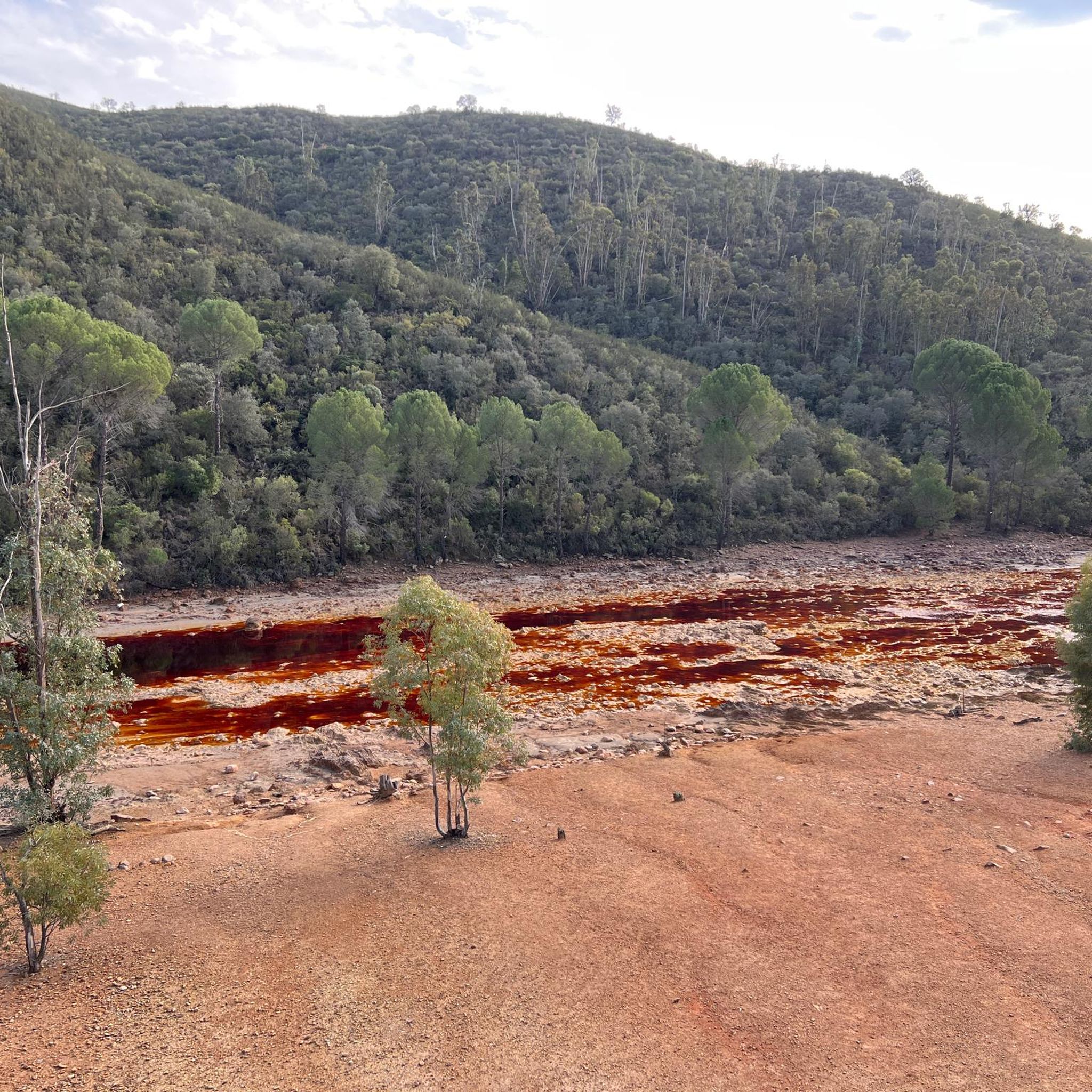
Source of the Río Tinto
Highlight • River
Translated by Google •
Tip by

Corta Atalaya Mine
Highlight • Structure
Translated by Google •
Tip by
Sign up now to discover places like this
Get recommendations on the best single tracks, peaks, & plenty of other exciting outdoor places.
Sign up for free
Peña del Hierro
Highlight • Natural Monument
Translated by Google •
Tip by
Touristic Railway for Rio Tinto Mines
Highlight • Monument
Translated by Google •
Tip by

Path Between Stone Walls
Highlight • Trail
Translated by Google •
Tip by

Sign up for free to discover even more attractions around El Madroño.
Sign up for free
Already have an account?
Start today with a free account
Your next adventure awaits.
Login or Signup
Tips from the Community

The Peña del Hierro Viewpoint, located in Nerva (Huelva), is part of the Riotinto Mining Park and offers one of the most impressive views of the source of the Tinto River, as well as the mining crater of the old pyrite mine.
1
0
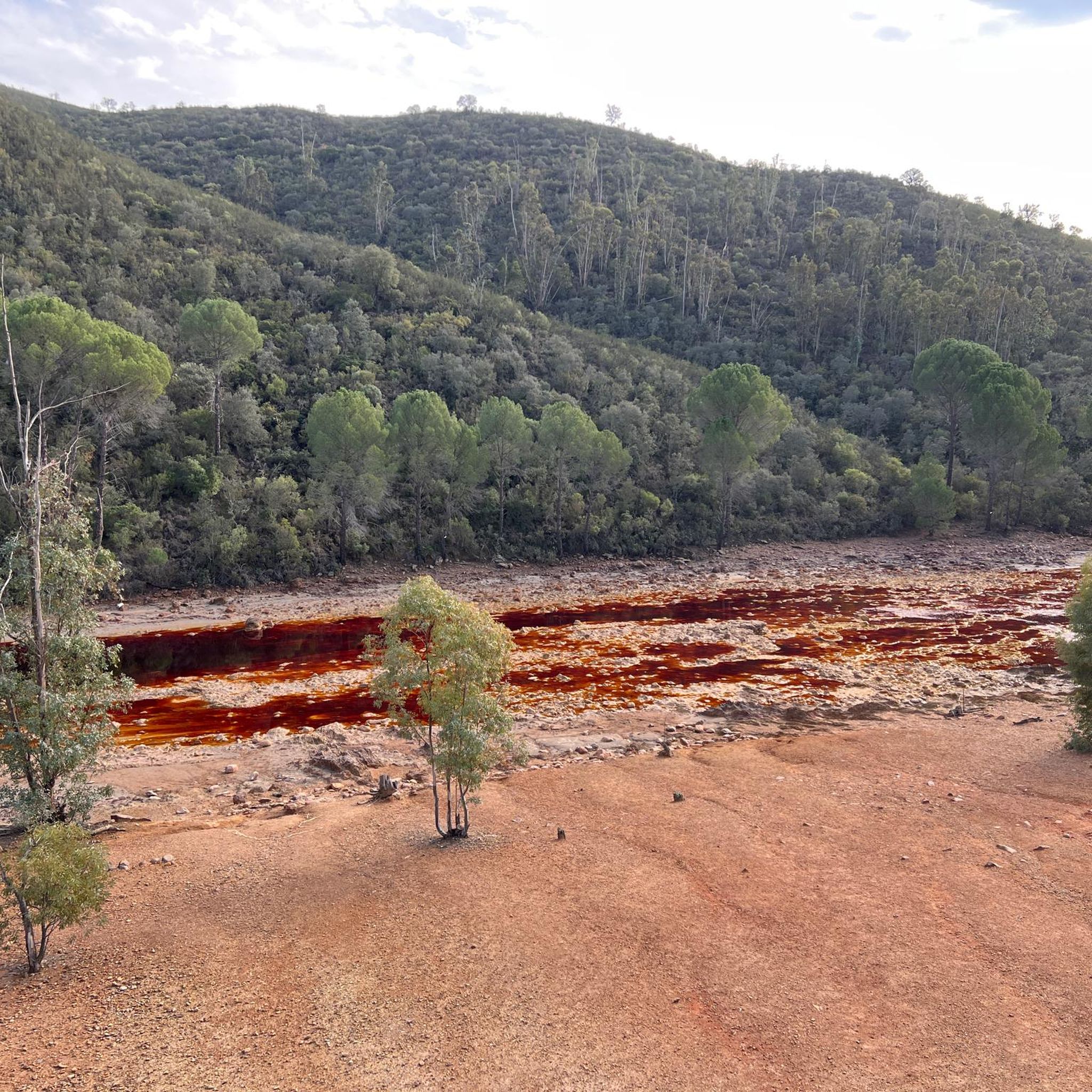
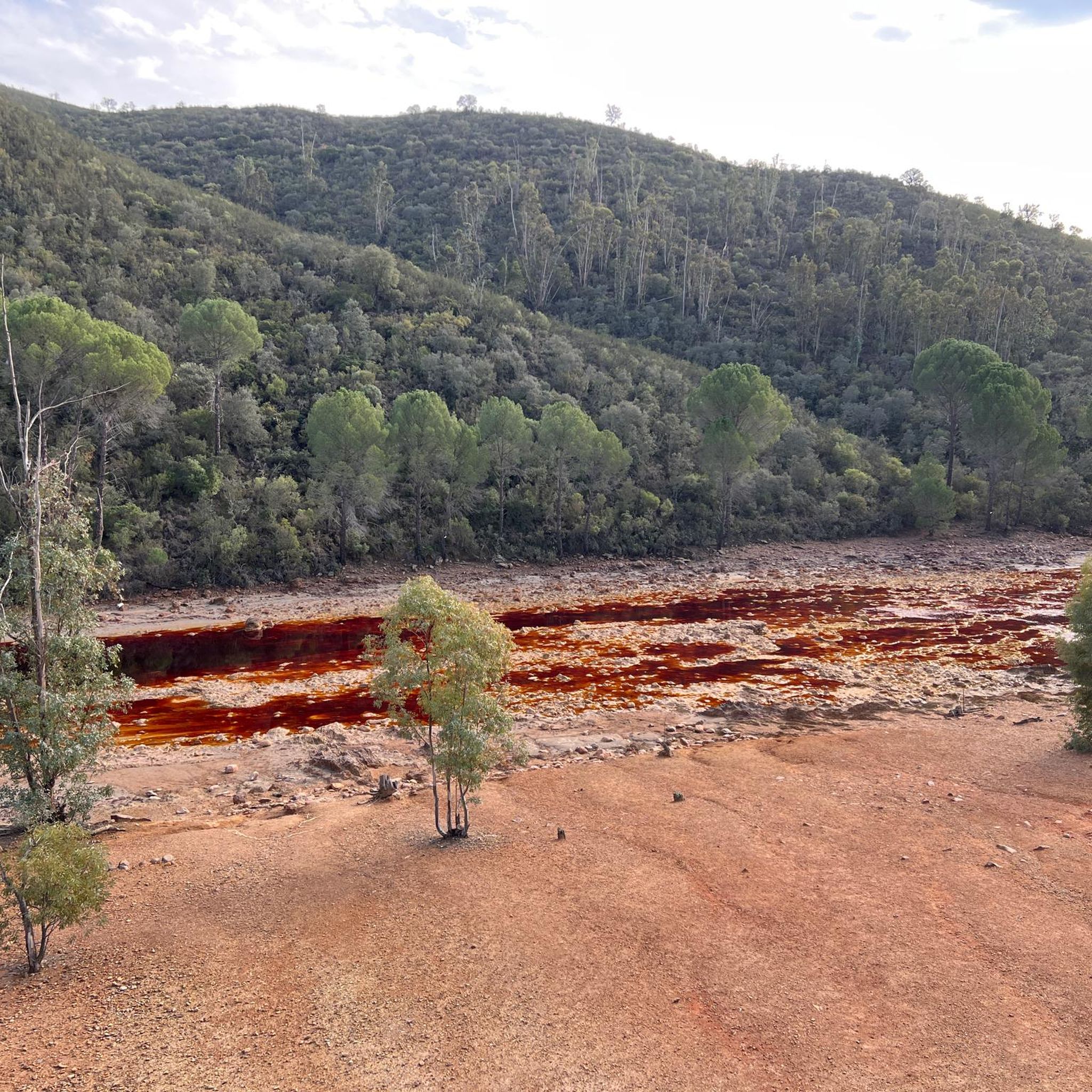
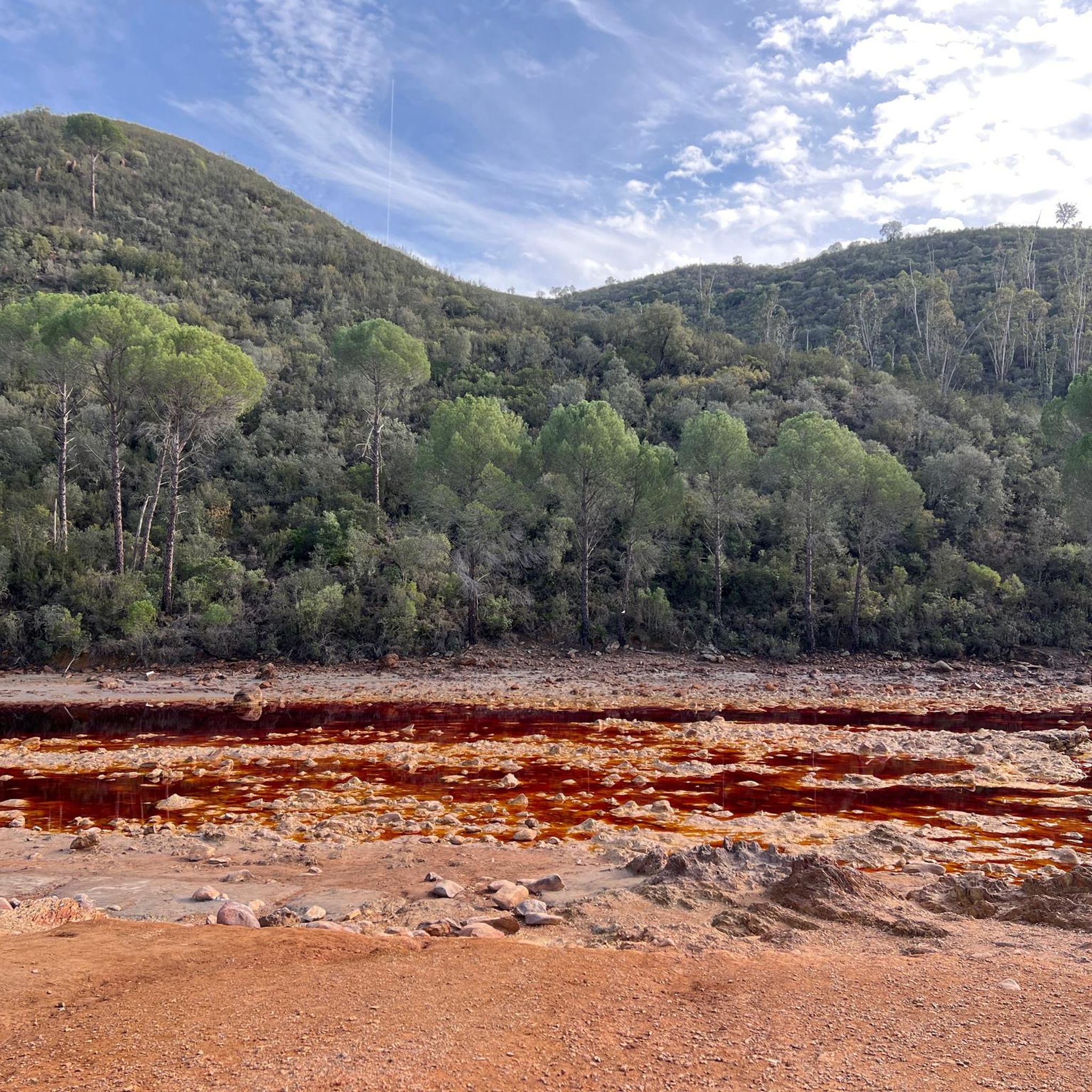
The source of the Tinto River is located in the municipality of Nerva, in the province of Huelva, Andalusia, and is one of the most unique landscapes in Europe due to its reddish color and its scientific and geological value.
1
0

To get to the viewpoint, paid access is required. The hiking trail ends here at a fence. Nevertheless, a somewhat limited view of the opencast mine is possible
2
0
An approximately 3 kilometer long circular route leads around the natural monument Montera de Gossan. Don't miss it because of the beautiful views.
0
0

Impressive images from the river.
2
0

Also known as the Padre Caro mountain range, it indicates the source of the Río Tinto which runs through the interior of Huelva for about 100 km until it reaches the Odiel River. Its name is due to the reddish color of its waters, caused by the weathering of minerals with a high content of heavy metal sulfides that were found and exploited in various deposits along the riverbed.
0
0

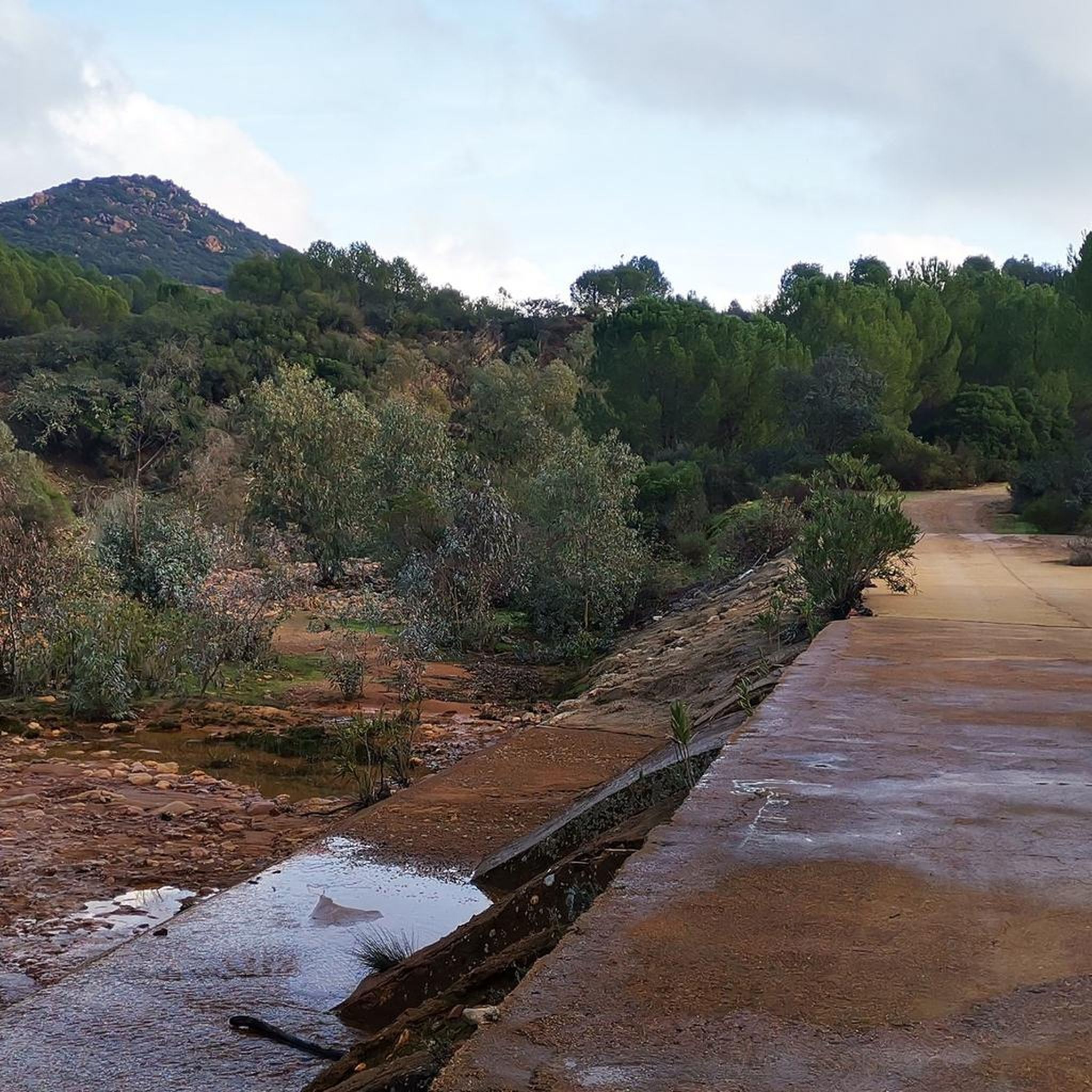
Rural path that runs through the forests of the Sierra de Bermeja, among local species such as mainly oaks, located between dry stone walls.
1
0
The station belongs to the Rio Tinto railway and throughout its history it was used as a siding for the crossing of the mining trains that circulated between Rio Tinto and Huelva, with the aim of regulating traffic in this area. It is currently used as a stop for the tourist train that runs along the Talleres Mina-Los Frailes section.
1
0
Frequently Asked Questions
What unique natural features can I explore around El Madroño?
El Madroño is rich in natural beauty. You can visit the ancient Encina de los Perros Natural Monument, an enormous holm oak with a vast canopy. The area is also known for the strikingly reddish waters of the Río Tinto, whose source, the Source of the Río Tinto, is a significant natural monument. The municipality is nestled in the foothills of the Sierra de Aracena, offering diverse landscapes of hills, dehesas, and Mediterranean forests.
Are there any historical or cultural sites to visit in El Madroño?
Yes, El Madroño boasts several historical and cultural sites. The 16th-century San Blas Church, designed by Hernán Ruiz, is a central landmark. You can also explore the Las Cruces Chapel, important for local traditions, and the ancient Cerro de El Riscal Rock Engravings, which date back to the Middle Bronze Age. The region is also part of the historic Vía de la Plata, an ancient Roman route.
What mining heritage attractions are there near El Madroño?
The area around El Madroño has a rich mining history. You can experience this at the Touristic Railway for Rio Tinto Mines, which offers a journey through landscapes transformed by centuries of mining. Another impressive site is the Corta Atalaya Mine, a vast open-pit mine that was once a global reference. Additionally, the disused Peña del Hierro mine offers unique views of the mining crater and the Tinto River's source.
Are there family-friendly activities or attractions in El Madroño?
Yes, several attractions are suitable for families. The Touristic Railway for Rio Tinto Mines is a popular choice, offering an engaging historical experience. The Corta Atalaya Mine also offers a family-friendly viewpoint to marvel at the scale of the open-pit mine. Exploring the natural monument of the Encina de los Perros can also be a pleasant outing for all ages.
What kind of hiking and walking trails are available around El Madroño?
El Madroño and its surroundings offer a variety of hiking and walking routes through diverse landscapes of hills, dehesas, and Mediterranean forests. You can find trails that lead to natural features like the Encina de los Perros Natural Monument or explore the Path Between Stone Walls through the Sierra de Bermeja. For more detailed options, you can explore the Running Trails around El Madroño guide.
Can I go cycling or mountain biking near El Madroño?
Absolutely. The diverse terrain around El Madroño, including the foothills of the Sierra de Aracena, is ideal for cycling and mountain biking. You'll find routes that traverse hills, dehesas, and forests. For specific routes and difficulty levels, check out the MTB Trails around El Madroño and Cycling around El Madroño guides.
What is the best time of year to visit El Madroño for outdoor activities?
El Madroño offers pleasant conditions for outdoor activities for much of the year. Spring (March to May) and autumn (September to November) are generally ideal, with milder temperatures perfect for hiking, cycling, and exploring the natural and historical sites. Summers can be hot, while winters are typically mild.
Are there any viewpoints to enjoy panoramic scenery around El Madroño?
Yes, there are several spots offering scenic views. The Corta Atalaya Mine provides an impressive viewpoint over the vast open-pit mine. Similarly, the Peña del Hierro offers panoramic views of the mining crater and the source of the Tinto River. The general hilly landscape of the Sierra de Aracena foothills also provides numerous natural vantage points.
What are the 'Four Villages' associated with El Madroño?
El Madroño is the main municipality, but it encompasses four smaller villages: El Álamo, Juan Antón, Juan Gallego, and Villagordo. Exploring these villages offers a deeper insight into the local history, traditions, and rural life of the area, providing a more authentic experience of the Seville countryside.
Are there any natural water sources or springs in the area?
Yes, the region around El Madroño is dotted with several natural water sources, indicating historical human settlements and providing refreshing stops for explorers. Notable springs include Fuente El Zapito, Manantial del Pilar del Coto, Fuente La Madroña, Fuente de los Burros, Fuente del Pilar Lavadero, and Fuente Nueva.
What do visitors enjoy most about the attractions around El Madroño?
Visitors particularly appreciate the unique blend of natural beauty and historical significance. The striking landscapes of the Río Tinto, the scale of the mining sites like Corta Atalaya Mine, and the historical journey offered by the Touristic Railway for Rio Tinto Mines are frequently highlighted. The tranquility and authentic rural experience also make it a cherished destination.
Most popular attractions around El Madroño

Get inspired with the komoot mobile app


Explore more
Still not found the Highlight you’re looking for? See guides of the top attractions in other regions:
