The best MTB trails around Cuevas De Provanco
4.0
(3)
30
riders
8
rides
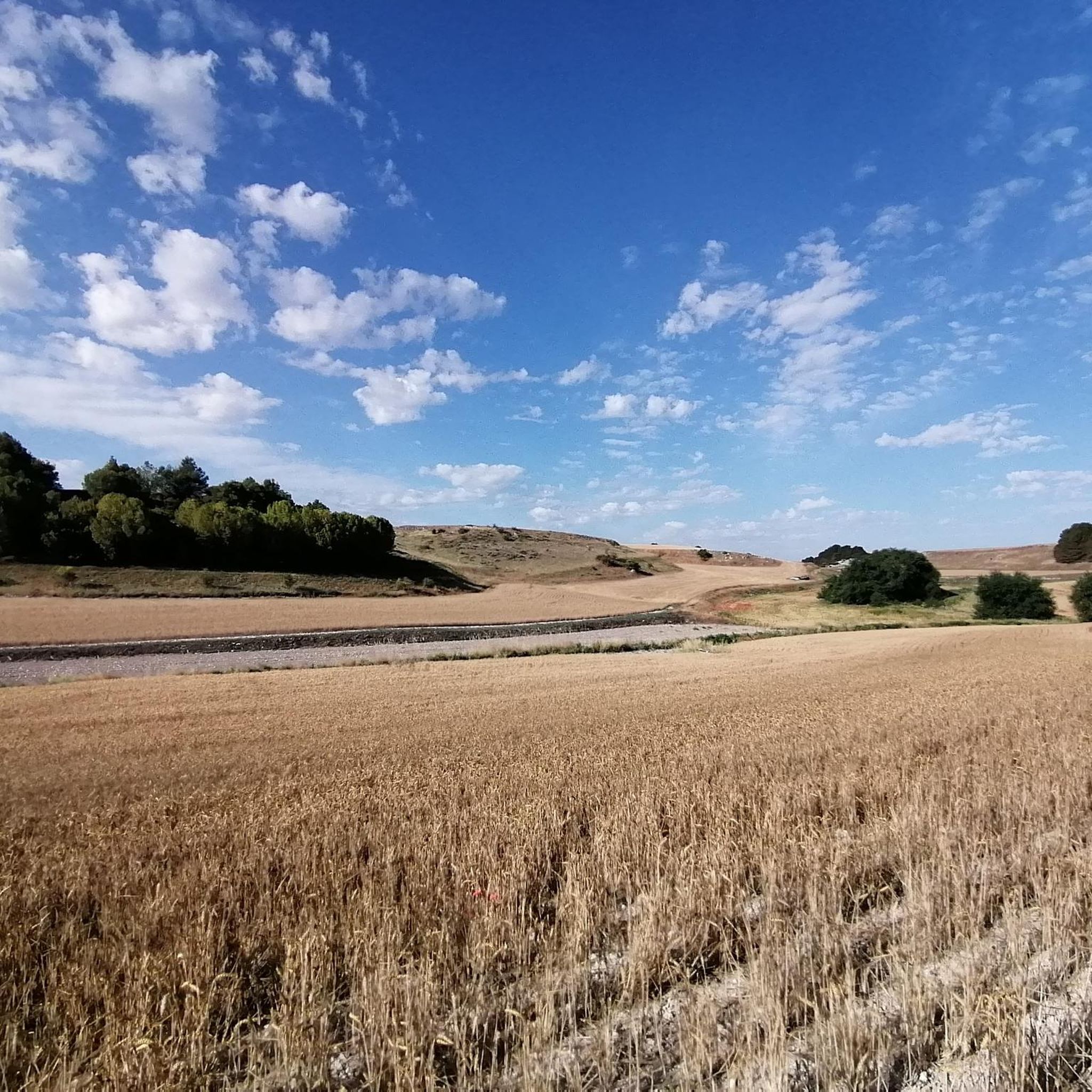
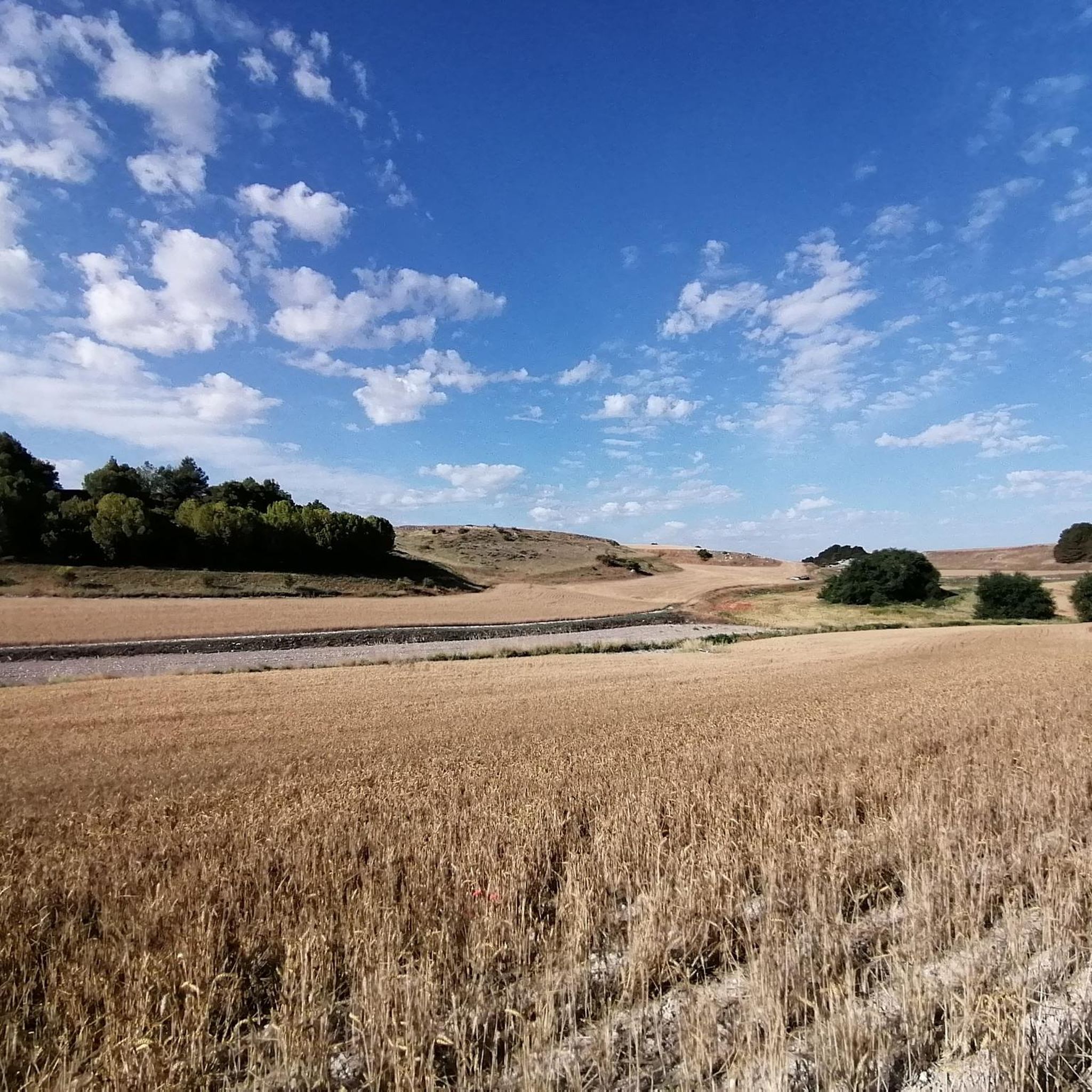
Mountain bike trails around Cuevas De Provanco traverse mountainous valleys and varied elevations, offering diverse terrain for cyclists. The region, situated over 880 meters above sea level, features a landscape shaped by the Botijas River and surrounding vineyards. Historical settlements and ancient fortifications are integrated into the natural environment, providing points of interest along the routes. This combination of natural features and cultural heritage creates a compelling setting for mountain biking.
Best mountain bike trails around Cuevas De Provanco
- The…
Last updated: May 23, 2026
5
riders
55.6km
03:18
360m
360m
Moderate mountain bike ride. Good fitness required. Suitable for all skill levels.
6
riders
103km
08:11
510m
510m
Hard mountain bike ride. Very good fitness required. Suitable for all skill levels.

Sign up for free
5.0
(5)
4
riders
42.2km
03:21
360m
360m
Moderate mountain bike ride. Good fitness required. Suitable for all skill levels.
4.0
(2)
3
riders
47.6km
03:02
530m
530m
Moderate mountain bike ride. Good fitness required. Suitable for all skill levels.
5.0
(1)
2
riders
25.8km
01:39
220m
220m
Easy mountain bike ride. Great for any fitness level. Suitable for all skill levels.
Get access to more routes and recommendations from other explorers.
Sign up for free
Already have an account?
Our route recommendations are based on thousands of hikes, rides, and runs completed by other people on komoot.
Start today with a free account
Your next adventure awaits.
Login or Signup


Tips from the Community

Castrillo de la Vega, in the heart of Ribera del Duero and very close to Aranda de Duero, is a charming small town ideal for a tranquil getaway, highlighting its wine tradition and medieval past; the most interesting aspects are strolling through its old town and Plaza Mayor, visiting the church of Santiago Apóstol and the hermitage of the Virgen de la Vega, and exploring the winery and cellar district, with numerous underground caves where wine was produced, one of the municipality's great attractions. It is also worth seeing historical remains such as the old Roque bridge and the Torre del Monte, and enjoying the natural environment along the Duero river and vineyards, with options for routes and tastings at nearby wineries, thus combining history, nature, and typical local gastronomy.
2
0

Aranda de Duero, in the province of Burgos, is the capital of the famous Ribera del Duero wine region. The city is known for its excellent wines and its network of underground wine cellars, medieval tunnels dug beneath the old town. It is also a top culinary destination, famous for its roast lamb and blood sausage. Its heritage includes Gothic churches such as Santa María la Real, which complement the cultural and culinary experience.
4
0
Peñafiel is a charming destination in the province of Valladolid, ideal for a cultural and wine-related visit. It is perfect for enjoying history, culture and good wine.
2
0
Fuentidueña has remains of Romanesque walls, several gates and towers. Among them, the Puerta de Alfonso VIII stands out, part of the remains of the castle that today is in ruins. The castle, located in the upper part of a large walled area, had the function of a fortress and served as a last stronghold in case of attack on the population. 😊🏰
4
0

The small rural town of Carrascal del Río is one of the gateways to the Hoces del Río Duratón Natural Park. The most notable monument of the town in addition to the river landscape is the Church of Our Lady of the Assumption. You can rest in the shade of the trees next to the church.
0
0
If you like river sports and adventure, the small town of San Miguel de Bernuy is your place. A great place to explore the Duraton River by bike and on the water.
0
0

Aranda de Duero is especially known for its gastronomy (roasted lamb and blood sausage from Aranda) and its wines from the Ribera del Duero Designation of Origin. In terms of architectural heritage, it is worth highlighting the church of Santa María la Real (with an incredible Gothic-Elizabethan façade), the church of San Juan (today a sacred museum), the Sanctuary of San Pedro Regalado and the 7 km of Underground Wine Cellars built between the 12th and 18th centuries in the Old Town.
1
0

Catholic temple located at the top of the town of Castrillo de Duero. Built in the 12th century, only the Romanesque head is preserved, while the rest of the building is in the Baroque style. The rectangular on the outside and semicircular on the inside apse has two windows, and the three naves of the temple are separated by pillars with semicircular arches.
1
0
Frequently Asked Questions
What kind of terrain can I expect on mountain bike trails around Cuevas De Provanco?
The mountain bike trails around Cuevas De Provanco traverse mountainous valleys and varied elevations, situated over 880 meters above sea level. You'll encounter diverse terrain shaped by the Botijas River and surrounding vineyards, offering both challenging ascents and scenic descents.
Are there mountain bike routes suitable for beginners or families in Cuevas De Provanco?
While the region offers a mix of moderate to difficult routes, there are options that can be enjoyed by those looking for a less strenuous ride. For example, the Haza and its castle – Haza Walled Village loop from Fuentelisendo is a moderate 22.8 km trail that can be completed in about 2 hours, making it a good option for families or those newer to mountain biking.
What historical landmarks can I see while mountain biking in the area?
The region is rich in historical sites. Many routes integrate ancient fortifications and settlements. For instance, the Haza and its castle – Haza Walled Village loop from Fuentelisendo passes by the historic Haza and its castle and the Haza Walled Village. You can also explore areas around Castle and village of Fuentidueña on routes like the Peñafiel Castle – Peñafiel Old Town loop from Fuentidueña.
Are there any long-distance mountain bike routes available?
Yes, for those seeking a longer challenge, the Path alongside the Duero – Peñafiel Castle loop from Fuentecén is a difficult 102.8 km trail that follows the Duero River and passes by Peñafiel Castle, typically taking over 8 hours to complete.
What do other mountain bikers say about the trails in Cuevas De Provanco?
The mountain biking routes around Cuevas De Provanco are highly rated by the komoot community, with an average score of 4.0 stars from 3 reviews. Over 30 mountain bikers have used komoot to explore the varied terrain, often praising the combination of natural beauty and historical points of interest.
Can I find circular mountain bike routes in this area?
Yes, many of the mountain bike routes in Cuevas De Provanco are designed as loops, allowing you to start and end at the same point. Examples include the Peñafiel Castle – Peñafiel Old Town loop from Fuentidueña and the Iglesia de San Martín loop from Fuentidueña.
Are there any natural features or viewpoints to look out for on the trails?
The region is characterized by mountainous valleys and the Botijas River, which originates in Cuevas de Provanco. You'll find scenic vistas throughout. While not directly on every trail, the area is also known for its unique underground caves, many converted into wine cellars, and picturesque vineyards. The View of Castillo de Fuentidueña offers a notable scenic point.
What is the typical difficulty level of mountain bike trails in Cuevas De Provanco?
The trails around Cuevas De Provanco offer a range of difficulty, with the majority being moderate. Out of the several routes available, five are rated as moderate and one is rated as difficult, providing options for various skill levels.
Are there any religious or ancient architectural sites along the routes?
Yes, the region has a rich religious and architectural heritage. You might encounter sites like the Church of Nuestra Señora de la Asunción near Castrillo de Duero, or the ancient Romanesque church of the Invención de la Cruz in the broader area, which add cultural depth to your ride.
What are some other notable settlements or towns I might pass through on a mountain bike tour?
Beyond Cuevas De Provanco itself, you might pass through or near historic settlements such as Sacramenia, known for its hermitages, or Haza, a walled town with a history dating back to the 10th century. The Fuentidueña – Sacramenia loop from Fuentidueña is an example of a route connecting these towns.
Most popular attractions around Cuevas De Provanco

Get inspired with the komoot mobile app


Explore more
Browse the best MTB trails in other regions.
