The best road cycling routes around Carpio De Azaba
5.0
(6)
428
riders
32
rides
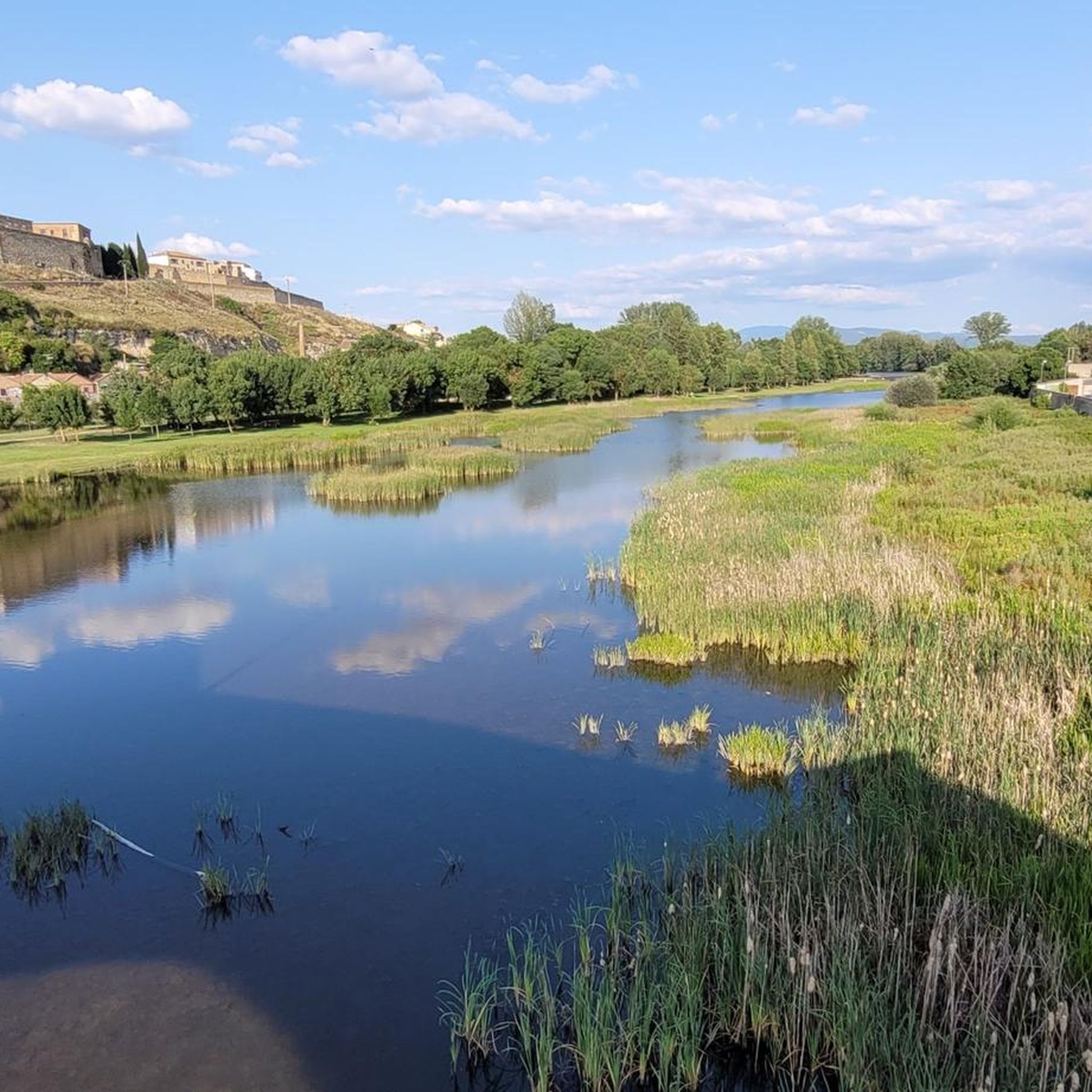
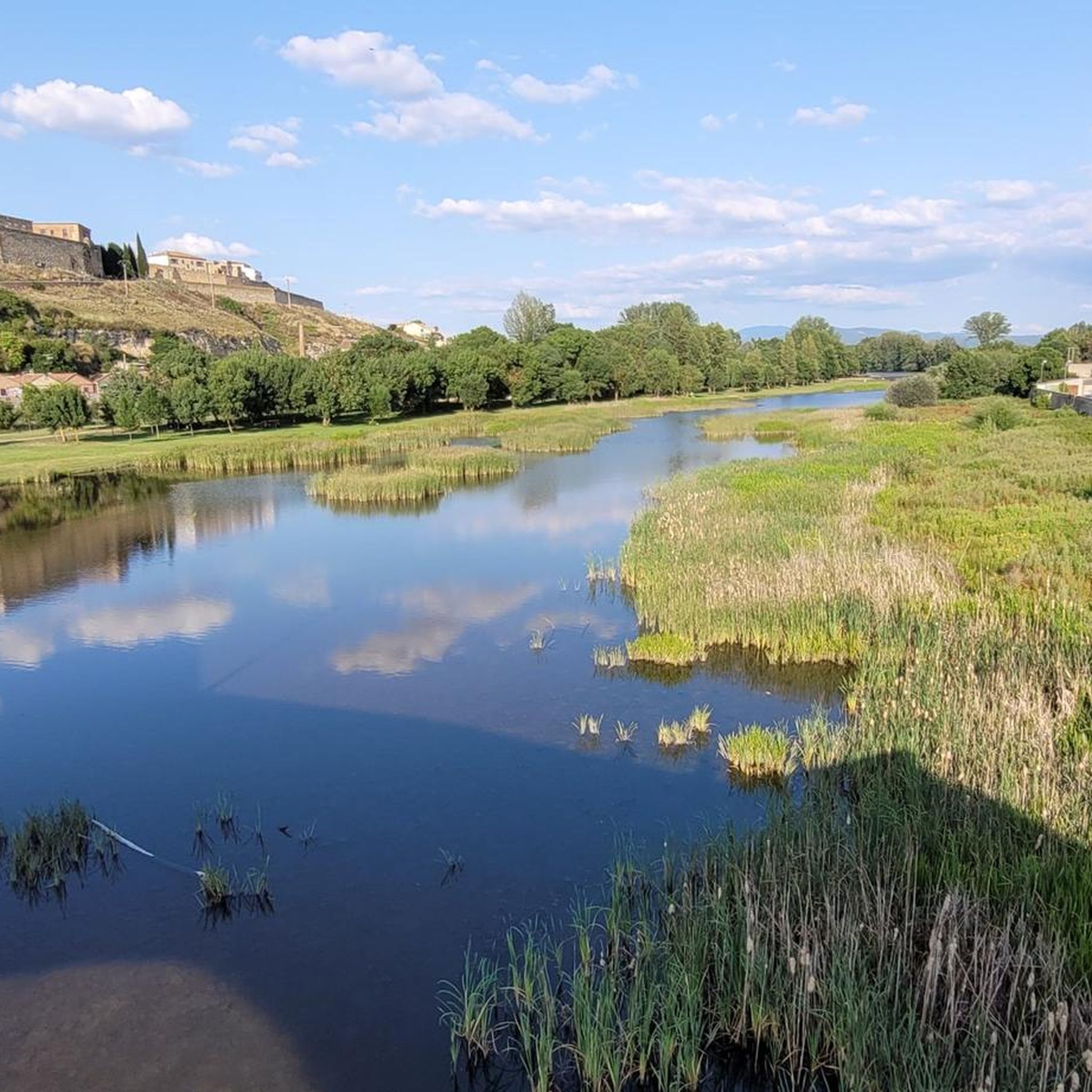
Road cycling routes around Carpio de Azaba traverse the distinctive "dehesa" ecosystem, characterized by expansive fields dotted with ancient holm oaks and cork trees. The landscape offers a blend of open spaces and shaded areas, with varied terrain suitable for road cycling. The region is situated in the western part of Salamanca, Spain, and includes river plains, notably along the Águeda River. This area provides a serene environment for exploration on two wheels.
Best road cycling routes around Carpio de…
Last updated: May 16, 2026
5.0
(1)
22
riders
Moderate road ride. Good fitness required. Mostly well-paved surfaces and easy to ride.
5.0
(1)
9
riders
97.8km
04:13
750m
750m
Moderate road ride. Good fitness required. Mostly well-paved surfaces and easy to ride.

Sign up for free
4
riders
66.0km
02:55
600m
600m
Moderate road ride. Good fitness required. Mostly well-paved surfaces and easy to ride.
5.0
(1)
81
riders
131km
07:07
2,630m
2,630m
Hard road ride. Very good fitness required. Some segments of this route may be unpaved and difficult to ride.
30
riders
93.6km
04:39
1,370m
1,380m
Hard road ride. Very good fitness required. Some segments of this route may be unpaved and difficult to ride.
Get access to more routes and recommendations from other explorers.
Sign up for free
Already have an account?
Our route recommendations are based on thousands of hikes, rides, and runs completed by other people on komoot.
Start today with a free account
Your next adventure awaits.
Login or Signup
Popular around Carpio De Azaba

Tips from the Community

Beautiful view here, now the last stretch to the top with 200 altitude meters to go.
0
0

The Alcázar Gate in Ciudad Rodrigo is one of the historic entrances to the city walls and has great heritage and scenic value. It was opened in 1507 by Antonio del Águila, warden of the Alcázar, when he built the defensive barrier in that area. It is located next to the Castle of Henry II of Trastámara, in the section of the wall facing the Águeda River, known as the Battery, due to the cannons that were once installed there.
4
0
The Plaza Mayor of Ciudad Rodrigo is the historical and social heart of the city, with a rich history that reflects its importance as an urban center: Since the Middle Ages, the Plaza Mayor has been the hub of public life: markets, proclamations, and council meetings were held there in the cloister of the former Church of San Juan. In the 16th century, public butcher shops were built, and it became a consolidated space for commercial and festive activities. Until then, the square was home to the Three Roman Columns, a vestige of the ancient Miróbriga, which had been a symbol of the city since the 13th century. In 1580, the square was expanded, incorporating the space that once housed the old prison and the Audiencia (Courthouse). It even had corridors for watching bullfights, a tradition that continues during carnivals.
7
0
Ciudad Rodrigo's Town Hall is located in the Plaza Mayor and is one of the city's most emblematic buildings. Its history is linked to the urban and political development of Ciudad Rodrigo since the Middle Ages. Medieval Origins: Ciudad Rodrigo was founded in Roman times, but its consolidation as a fortified urban center occurred in the Middle Ages. Municipal government was organized around the council, which initially met in council houses until the current building was built.
1
0

There was a fire not long ago, but it's still spectacular, a WOW little road!
0
0
A scenic road that surrounds the Peña de Francia mountain range through Las Hurdes, with spectacular views on both sides. A steep descent ends at a river where you can take a dip and a series of picturesque villages until you reach Las Mestas.
0
0
This is the Wolves Pass, the end of the climb to Peña de Francia (Granite Throne) ;)
0
0
The Puerta del Alcázar is one of the ancient access gates to the walled enclosure of Ciudad Rodrigo. This gate, along with others such as the Puerta del Sol and the Puerta de Santiago, was part of the city's defensive system.
4
0
Frequently Asked Questions
What kind of landscape can I expect when road cycling around Carpio de Azaba?
The region is characterized by its distinctive "dehesa" ecosystem, featuring expansive fields dotted with ancient holm oaks and cork trees. You'll experience a blend of open spaces and shaded areas, with varied terrain that includes river plains, particularly along the Águeda River. This creates a serene and picturesque environment for road cycling.
Are there road cycling routes suitable for beginners in Carpio de Azaba?
Yes, there are options for various skill levels. While most routes are moderate or difficult, there is at least one easy road cycling route available. In total, komoot offers 32 road cycling routes in the area, so you can find one that matches your experience.
What are some notable cultural or historical landmarks I can see while cycling in the area?
The region offers several points of interest. You can explore the medieval town of Ciudad Rodrigo with its impressive fortifications. Specific highlights include the Castle of Enrique II of Trastámara, the historic Plaza Mayor Ciudad Rodrigo, and the grand Cathedral of Santa María. The prehistoric rock-art site of Siega Verde, a UNESCO World Heritage site, is also accessible along the GR-80 route.
Are there any long-distance or circular road cycling routes available?
Yes, a significant route is the GR-80, also known as the Walled Cities Trail. This 110-kilometer circular route connects the fortified cities of Ciudad Rodrigo in Spain and Almeida in Portugal, offering a journey through diverse natural and cultural border territories. Many local routes, like the Campo de Argañán Loop from Ciudad Rodrigo, are also designed as loops.
What is the best time of year for road cycling in Carpio de Azaba?
The region's moderate climate allows for outdoor activities for much of the year. While winter temperatures can be low, spring and autumn generally offer pleasant conditions for road cycling, with comfortable temperatures and vibrant landscapes. Summer can be warm, so early morning or late afternoon rides are often preferred.
What do other road cyclists say about the routes in Carpio de Azaba?
The road cycling routes in Carpio de Azaba are highly rated by the komoot community, with an average score of 5.0 stars. Cyclists often praise the serene environment, the unique dehesa landscapes, and the varied terrain suitable for different skill levels.
Are there any routes that offer significant elevation gains for more challenging rides?
Yes, while Carpio de Azaba itself features river plains, the broader region around Ciudad Rodrigo includes diverse terrain with significant elevation gains, particularly in the western parts. For example, the difficult route Las Hurdes, El Portillo – Portillo Viewpoint loop from Ciudad Rodrigo features over 2,600 meters of elevation gain.
Can I find routes that pass through natural reserves or areas with rich biodiversity?
Absolutely. The Campanarios de Azaba Biological Reserve is a significant part of the local ecosystem, known for its biodiversity, including over 100 bird species. Cycling routes in the area often traverse these natural settings, allowing for wildlife observation amidst varied habitats, from woodlands to riverine vegetation.
Are there any specific routes that showcase the characteristic dehesa landscapes?
Many routes highlight the dehesa. A popular choice is the Campo de Argañán Loop from Ciudad Rodrigo, which provides an extensive journey through the Campo de Argañán, showcasing the region's characteristic holm oak and cork tree landscapes.
How many road cycling routes are available in total around Carpio de Azaba?
There are over 30 road cycling routes available around Carpio de Azaba on komoot, offering a wide variety of distances and difficulties for exploration.
Are there any routes that follow river plains?
Yes, several routes utilize the plains of the Águeda River. A notable example is the Ciudad Rodrigo and Monasterio de la Caridad - circular through the plain of the Río Águeda, which offers a circular journey through these scenic riverine areas.
What is the typical duration for a moderate road cycling route in this region?
Moderate routes vary in length and duration. For instance, the Ciudad Rodrigo and Monasterio de la Caridad - circular through the plain of the Río Águeda, which is 59.5 km, typically takes about 2 hours and 50 minutes to complete.
Most popular attractions around Carpio De Azaba

Get inspired with the komoot mobile app


Explore more
Browse the best Road cycling routes in other regions.
