Attractions and Places To See around Guarromán - Top 20
Best attractions and places to see around Guarromán include a blend of historical landmarks and natural environments. Located in the province of Jaén, Spain, Guarromán is part of the 18th-century "New Towns of Sierra Morena" project, characterized by its Enlightenment-era grid-like urban planning. The region offers dehesas of pastures, holm oaks, and Mediterranean scrub, bordered by the valleys of the Guarrizas and Rumblar rivers.
Best attractions and places to see around Guarromán
- The most popular attractions is Sanctuary of the…
Last updated: August 26, 2026
Sanctuary of the Virgin of Linarejos
Highlight • Religious Site
Translated by Google •
Tip by

Rumblar Reservoir Dam
Highlight • Lake
Translated by Google •
Tip by

Sign up now to discover places like this
Get recommendations on the best single tracks, peaks, & plenty of other exciting outdoor places.
Sign up for free
Ermita del Cristo del Llano
Highlight • Religious Site
The hermitage was built between the 16th …
Translated by Google •
Tip by
Doña Luci Gardens
Highlight • Structure
Translated by Google •
Tip by
Linares
Highlight • Settlement
Translated by Google •
Tip by
Sign up for free to discover even more attractions around Guarromán.
Sign up for free
Already have an account?
Start today with a free account
Your next adventure awaits.
Login or Signup


Tips from the Community

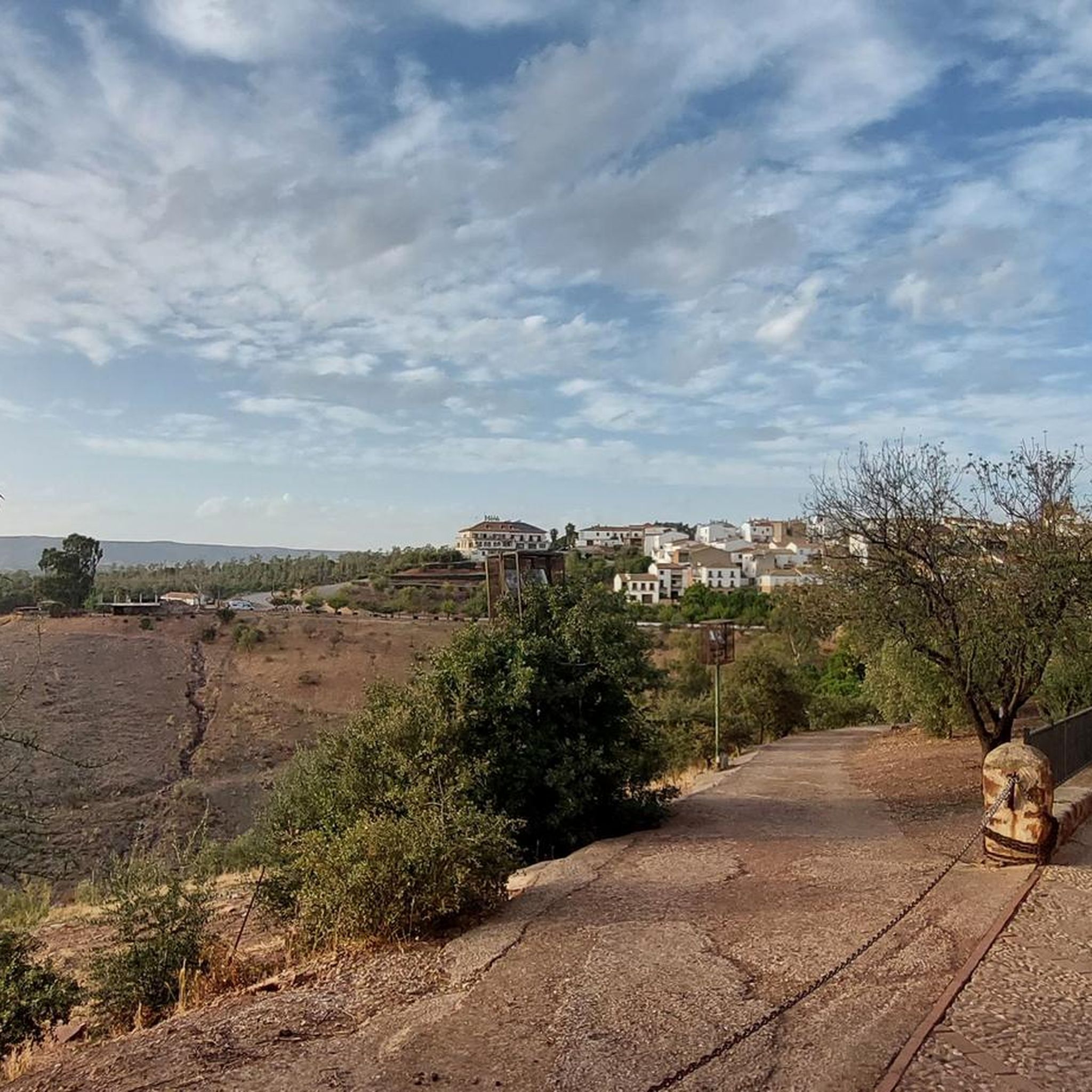
The Doña Luci Gardens in Linares are a green area beloved by locals, located near the Hermitage of the Virgin of Linarejos, near the Paseo de Linarejos. They are known for offering large, shaded areas thanks to their abundant vegetation. They have benches and spaces for resting, making them an ideal place for strolling or relaxing. They are surrounded by residential areas and are part of the urban complex that includes the sanctuary and the monumental promenade.
3
0
The Sanctuary of the Virgin of Linarejos is the main center of Marian devotion in Linares (Jaén), dedicated to its patron saint, the Virgin of Linarejos, honorary and perpetual mayor of the city. Tradition tells us that the Virgin appeared to the shepherd Juan Jiménez in 1227, although more recent research places the event in 1236.
4
0
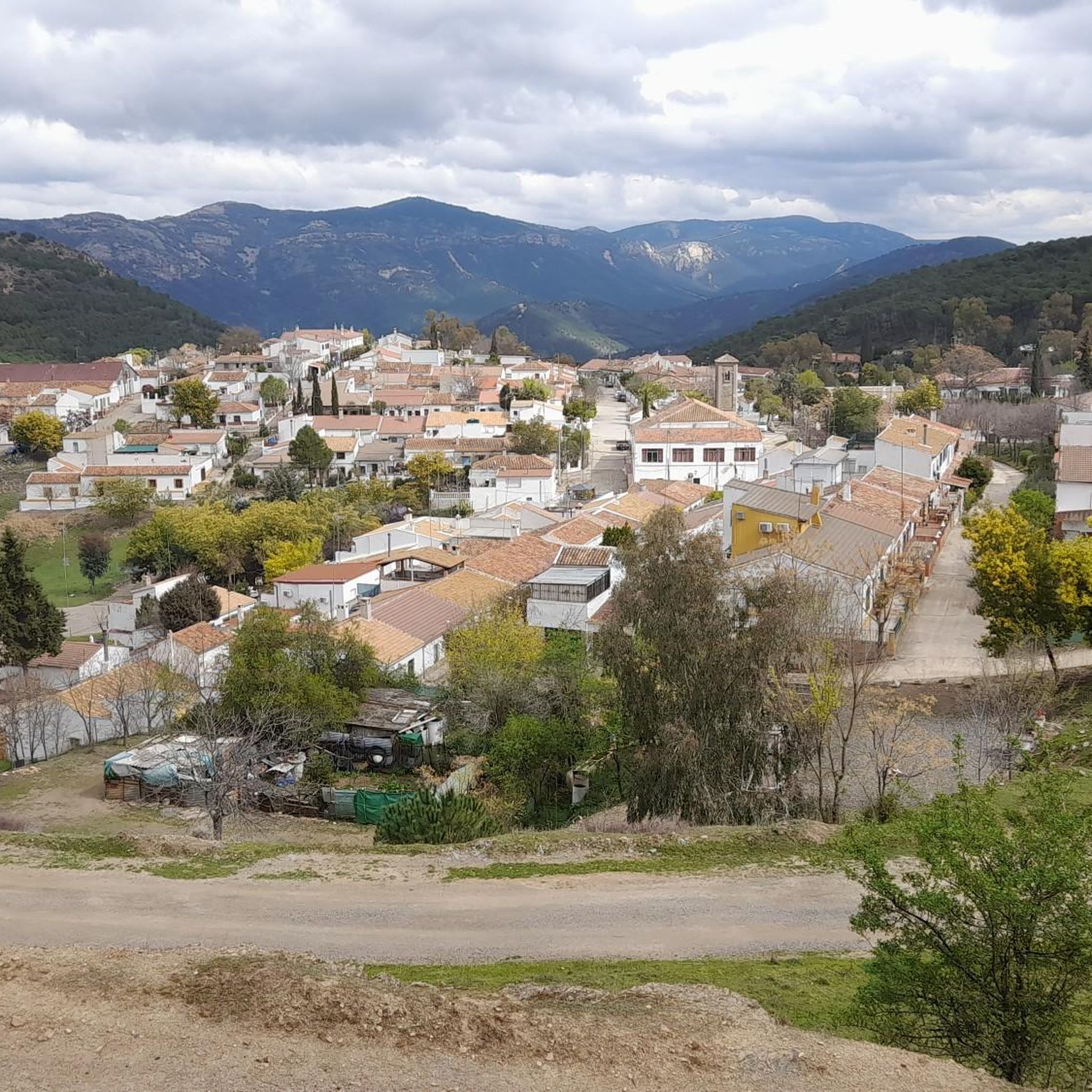
Linares has Iberian roots, with the city of Cástulo as its original center, capital of Oretania. It was first mentioned as such in 1155, during the reign of Alfonso VII. In the 19th century, it experienced its greatest boom thanks to lead mining, becoming a key industrial center in Spain. In 1875, Alfonso XII granted it the title of city. In the 20th century, the automotive industry took center stage with Santana Motor, which manufactured the famous Land Rover Santana.
4
0
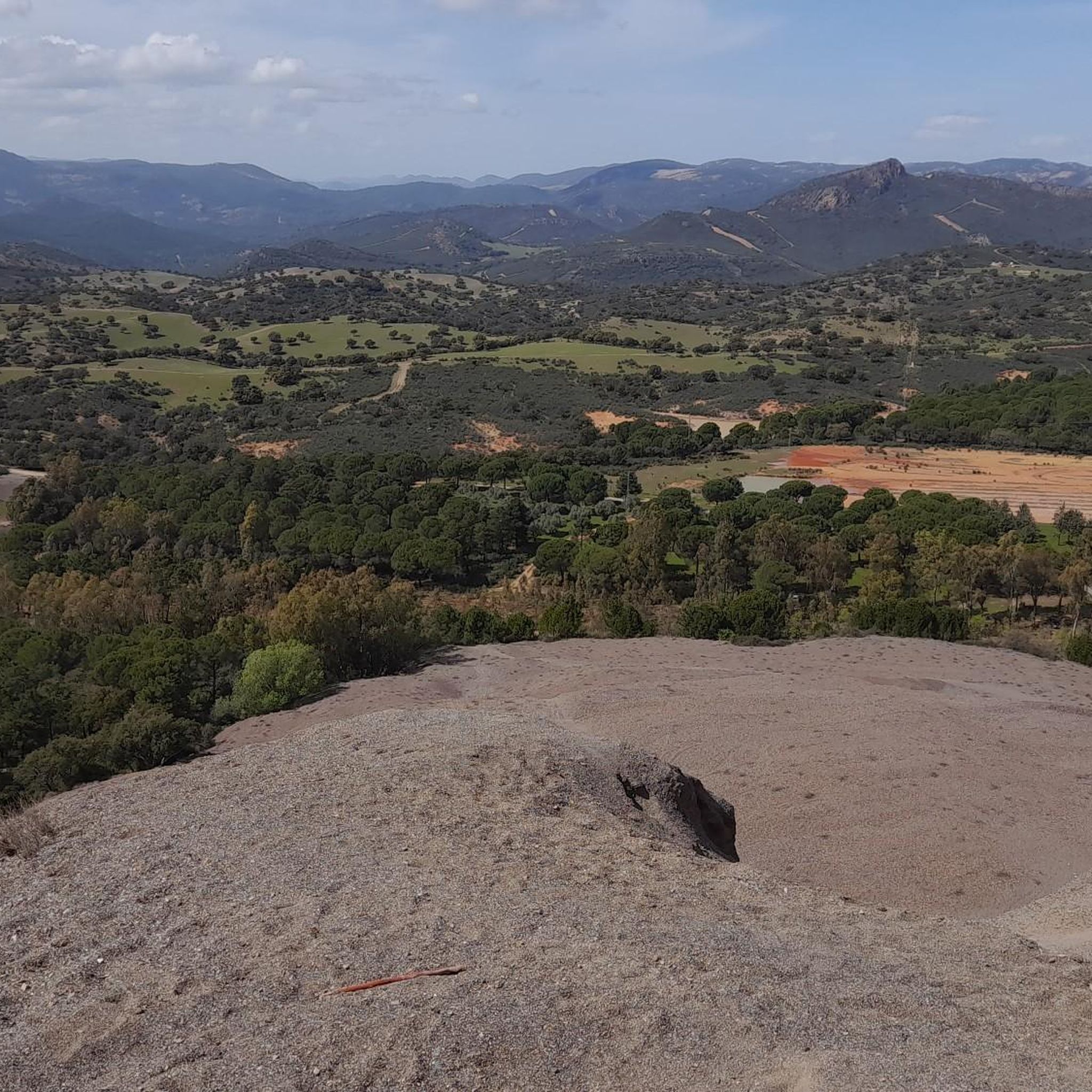
The Rumblar Reservoir Dam is located on the Rumblar River, in the municipality of Baños de la Encina. Built in 1941, this gravity-type dam is made of masonry and concrete. It has a height of 64.9 meters and a crest length of 220 meters. The reservoir's natural environment is listed as a Site of Community Interest, notable for its biodiversity and the presence of species such as the Iberian lynx, the black stork, and various birds of prey. Furthermore, on one of its banks is Tamujoso Beach, a popular area for sports activities such as canoeing and sailing.
2
0

This hermitage is located in the upper part of the city and on a kind of esplanade that served as a rest area. The hermitage was built between the 16th and 17th centuries in reddish stone with a single nave, choir and an almost unique dressing room characteristic of the very ornate and extremely ornate baroque-rococo style in which its beauty requires several minutes, or rather hours, for interpretation.
10
0
This hermitage is located in the upper part of the city and on a kind of esplanade that served as a rest area. The hermitage was built between the 16th and 17th centuries in reddish stone with a single nave, choir and an almost unique dressing room characteristic of the very ornate and extremely ornate baroque-rococo style in which its beauty requires several minutes, or rather hours, for interpretation.
10
0

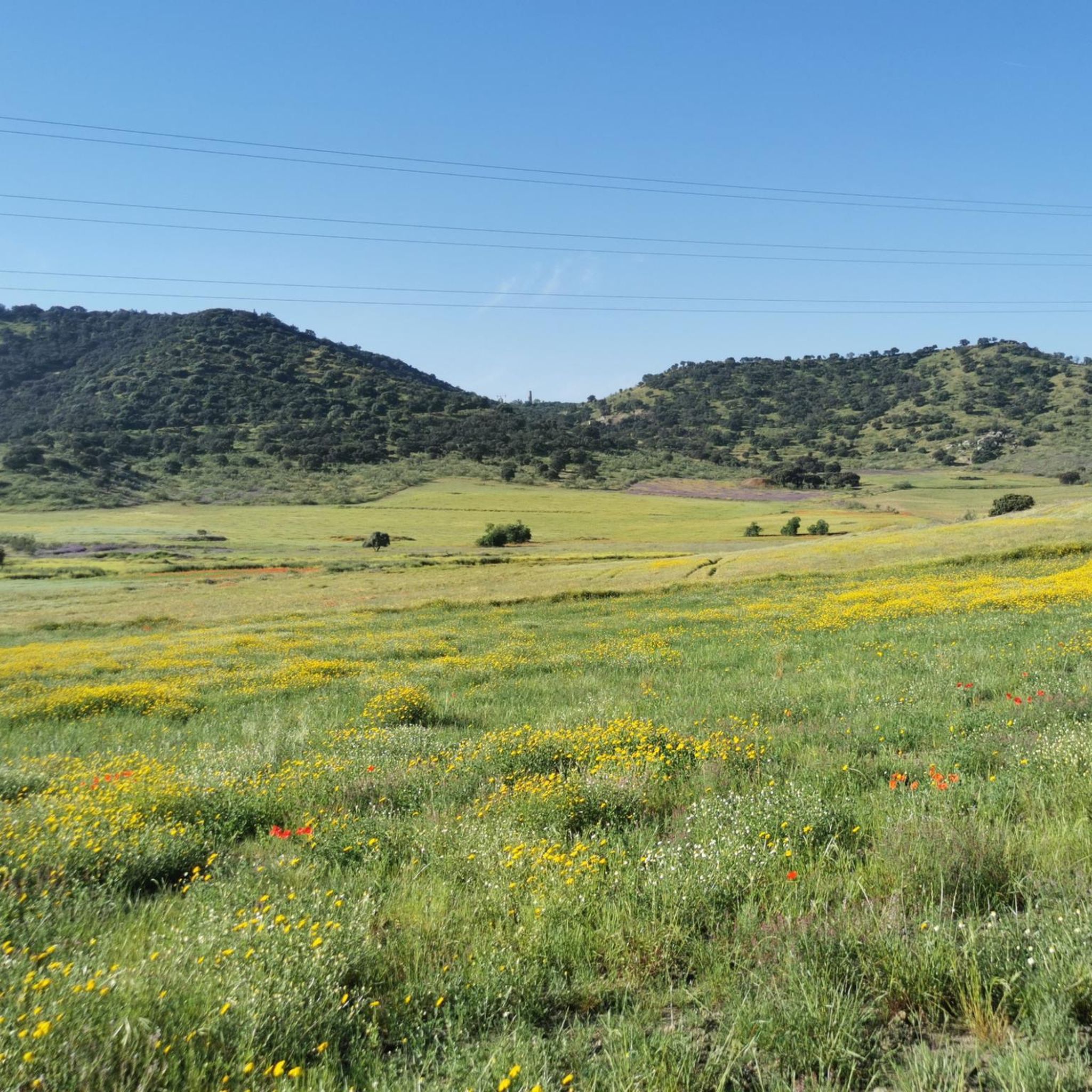
Located in Sierra Morena, this reservoir has the distinction of a place of community interest. The environment is rich in flora and fauna, as it is the habitat of species such as the Iberian lynx. It has recreational areas for bathing and for practicing water sports.
3
0

The JV-5041 highway passes over the dam of the Rumblar reservoir in the province of Jaén. The hydrological dam provides electric power using water collected in the river basin.
2
1
Frequently Asked Questions
What historical and cultural sites can I visit in Guarromán?
Guarromán, founded as part of King Carlos III's "New Towns of Sierra Morena" project, offers several historical and cultural landmarks. You can explore the 18th-century Iglesia de la Inmaculada Concepción, known for its red sandstone façade and colonial belfry. The Pósito de Labradores, completed in 1789, showcases colonial architecture and now houses the municipal library. Additionally, the Palacio del Intendente, dating to 1807, features a notable sundial. While slightly outside Guarromán, the Ermita del Cristo del Llano is a 16th-17th century hermitage with ornate Baroque-Rococo style.
Are there any natural attractions or viewpoints near Guarromán?
Yes, Guarromán is situated in the Sierra Morena region, offering a rich natural environment. A significant natural feature is the Rumblar Reservoir Dam, a Site of Community Interest known for its biodiversity and opportunities for water sports. The area also features dehesas of pastures, holm oaks, and Mediterranean scrub, bordered by the valleys of the Guarrizas and Rumblar rivers, providing scenic views and opportunities to appreciate local flora and fauna.
What are some family-friendly places to visit around Guarromán?
For families, the Doña Luci Gardens in Linares offer large, shaded spaces for relaxation and strolling. The Sanctuary of the Virgin of Linarejos is also considered family-friendly, offering a cultural experience. Additionally, the natural environment around the Rumblar Reservoir Dam provides recreational areas suitable for families to enjoy the outdoors.
What outdoor activities can I do near Guarromán?
The natural surroundings of Guarromán are ideal for various outdoor activities. You can find numerous routes for cycling, gravel biking, and road cycling. For example, explore routes like 'Castillo de Burgalimar and viewpoint to the Rumblar reservoir' for cycling, or 'Linares Town Center – Plaza de Toros de Linares loop' for gravel biking. You can find more details and specific routes on the Cycling around Guarromán, Gravel biking around Guarromán, and Road Cycling Routes around Guarromán guide pages.
Are there hiking trails available near Guarromán?
Yes, the Sierra Morena region surrounding Guarromán offers suitable terrain for hiking. While specific hiking routes are not detailed in the provided data, the 'Piedras del Chantre' trail is mentioned as an option to discover the area's mining heritage. The general natural environment with its dehesas and river valleys provides ample opportunities for walks and exploring the local flora and fauna.
What is the significance of Guarromán's urban planning?
Guarromán's urban planning is a point of interest in itself. It reflects the Enlightenment ideals of King Carlos III's "New Towns of Sierra Morena" project, featuring a distinctive grid-like layout with orderly blocks of houses. This design was revolutionary for its time and offers a unique insight into 18th-century urban development.
What is the <a href="https://www.komoot.com/highlight/5302945" target="_blank" rel="noopener">Sanctuary of the Virgin of Linarejos</a>?
The Sanctuary of the Virgin of Linarejos is a significant Marian sanctuary located in Linares, originating from a Marian apparition in the 13th century. It serves as the main center of Marian devotion in Linares and is dedicated to its patron saint. The temple's interior is adorned with paintings by Francisco Carulla and Francisco Baños.
What is the <a href="https://www.komoot.com/highlight/4008210" target="_blank" rel="noopener">Rumblar Reservoir Dam</a> known for?
The Rumblar Reservoir Dam, located in Sierra Morena, is recognized as a Site of Community Interest due to its rich biodiversity, including species like the Iberian lynx. It offers spectacular views and recreational areas, such as Tamujoso Beach, popular for water sports like canoeing and sailing. The reservoir is also crucial for irrigating agricultural areas in the region.
Are there any unique monuments in Guarromán?
Yes, Guarromán features several unique monuments. The Monumento al Sagrado Corazón de Jesús, erected in 1950, stands on a high pillar along its namesake promenade. The Fuente de las Generaciones, a contemporary artwork by Javier Ruiz Abel, symbolizes the town's seven generations encompassed by a holm oak. Another work by Ruiz Abel, the Monumento a los Mineros, pays tribute to the miners who worked in the Linares-La Carolina district.
What is the <a href="https://www.komoot.com/highlight/5302911" target="_blank" rel="noopener">Doña Luci Gardens</a>?
The Doña Luci Gardens are a beloved green area in Linares, situated next to the Sanctuary of the Virgin of Linarejos. Dedicated to the respected midwife Lucía Ruiz Moreno, these gardens are known for their abundant vegetation, providing large, shaded spaces with benches, making them an ideal spot for relaxation and quiet strolls.
What is the best time of year for outdoor activities around Guarromán?
While specific seasonal recommendations are not provided, the region's Mediterranean climate generally makes spring and autumn ideal for outdoor activities. These seasons offer milder temperatures, perfect for hiking, cycling, and exploring the natural beauty of Sierra Morena and the river valleys without the intense heat of summer or the cooler, wetter conditions of winter.
Is Guarromán known for anything unusual?
Yes, Guarromán holds the distinction of being the headquarters of the International Association of Towns with Ugly, Rare, and Peculiar Names. This unique association adds a quirky and memorable aspect to the town's identity.
Most popular routes around Guarromán
Most popular attractions around Guarromán

Get inspired with the komoot mobile app


Explore more
Still not found the Highlight you’re looking for? See guides of the top attractions in other regions:
