The best road cycling routes around Bormujos
4.3
(127)
7,571
riders
165
rides
Road cycling around Bormujos, situated in the Aljarafe region of Seville, offers a diverse environment for cyclists. The area is characterized by its notable landscapes, extensive green areas, and the presence of the River Pudio. Cyclists can expect mostly paved, low-traffic roads that traverse the Aljarafe countryside and historic olive-growing haciendas. The region provides varied terrain suitable for different skill levels, from flat sections to routes with moderate elevation gains.
Best road cycling routes around Bormujos
- The most popular road…
Last updated: July 5, 2026
4.0
(1)
169
riders
60.5km
02:31
310m
310m
Moderate road ride. Good fitness required. Some segments of this route may be unpaved and difficult to ride.
109
riders
135km
06:03
1,260m
1,260m
Hard road ride. Very good fitness required. Mostly well-paved surfaces and easy to ride.

Sign up for free
3.5
(2)
82
riders
115km
04:37
520m
520m
Moderate road ride. Good fitness required. Mostly well-paved surfaces and easy to ride.
46
riders
102km
04:31
660m
660m
Moderate road ride. Good fitness required. Mostly well-paved surfaces and easy to ride.
25
riders
95.5km
04:00
420m
420m
Moderate road ride. Good fitness required. Mostly well-paved surfaces and easy to ride.
Get access to more routes and recommendations from other explorers.
Sign up for free
Already have an account?
Our route recommendations are based on thousands of hikes, rides, and runs completed by other people on komoot.
Start today with a free account
Your next adventure awaits.
Login or Signup
Tips from the Community

For me, the best way to get to Seville is through its history…
3
0

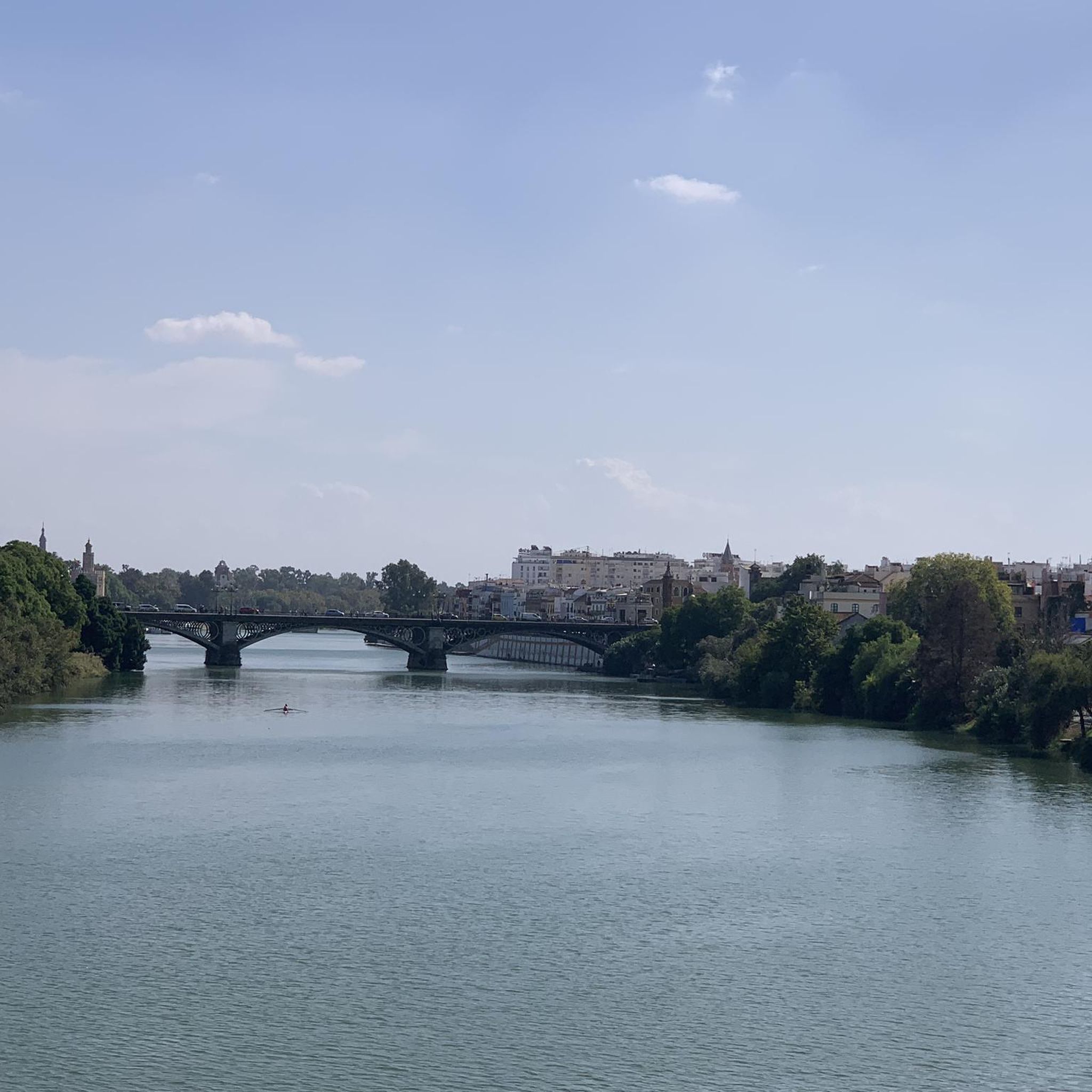
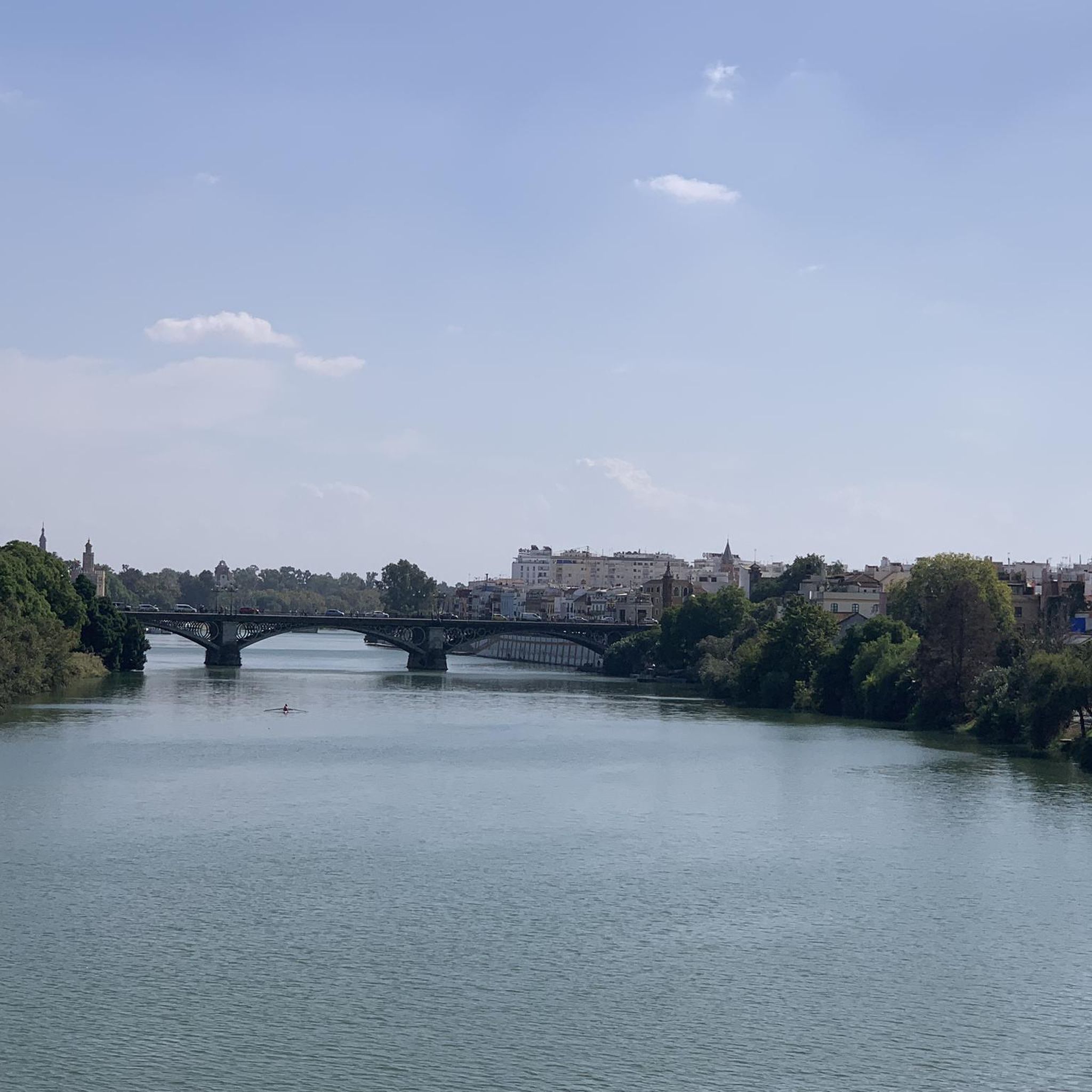
Iron bridge that connects the town of Seville with San Juan de Aznalfarache by bicycle.
3
0

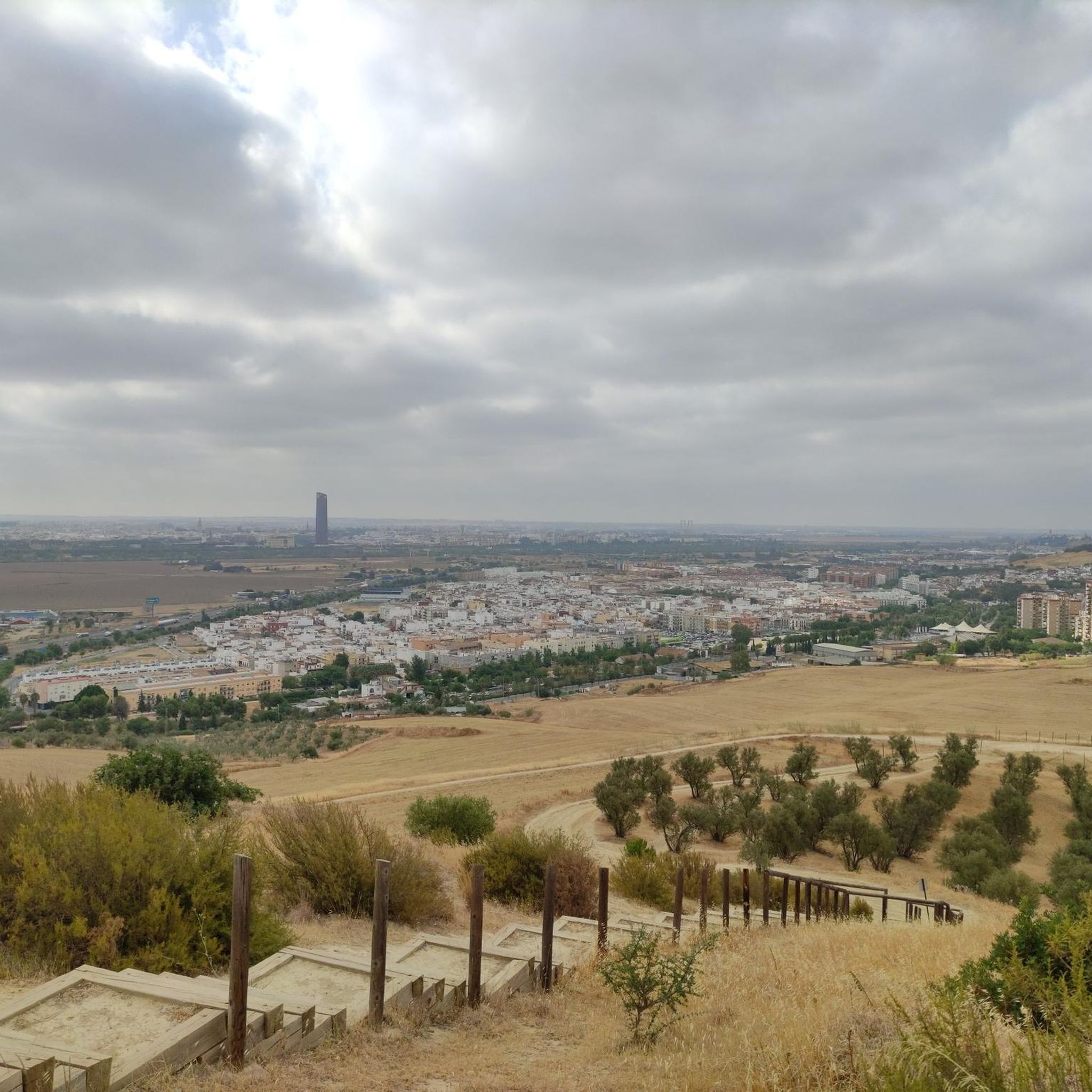
The best option to go up to Aljarafe and the Merida highway area
2
1

The Parish Church of Santa María de la Purificación, due to its volumetric force and its location in an elevated part of the town, becomes the most representative architectural landmark. Despite being initially located away from the urban center, it is a remarkable example of a Sevillian church, in which the Mudejar and Baroque styles converge, following a very characteristic approach to 18th-century construction practice in the area. Built according to Mudejar principles in its original construction, which appears to date from the 15th century, it would later be practically rebuilt after the damage caused by the 1755 earthquake, conforming to the Baroque guidelines prevailing in the second half of the 17th century. A reconstruction in which Pedro de Silva, Antonio Matías de Figueroa, and José Álvarez participated. Among them, Antonio Matías de Figueroa stands out for the significance of his intervention in the complex. His work on the Manzanilla church can therefore be considered one of the last examples of this family's distinctive style—the so-called triumphal baroque—and one of the first signs of the change of direction demanded by the changing times, in their preference for the primacy of Rococo lines over Baroque masses. The appearance of neoclassical elements (the Gospel nave portal), derived from the presence of José Alvarez (1782–1783) as director of the works, also speaks to the formal evolution of the style toward the last quarter of the century. Finally, the tower (1760-1779) stands out, attributed to Lucas Cintora and Francisco Díaz Pinto, and one of the most beautiful examples in the province. It perfectly fits one of the two characteristic typologies of 18th-century Andalusia, originating from the Giralda in Seville. It forms part of a unique group of towers in Huelva, along with that of the Temple of San Pedro in Huelva and that of the Church of San Juan Bautista (La Palma del Condado), all of which follow a very similar model. This building represents another example of the intense religious construction activity that characterized 18th-century Huelva architecture, motivated by a fortunate combination of economic, demographic, and natural circumstances (earthquakes), and which has come to be known as its Golden Age.
0
0
Large wetland park on the west side of the Guadalquivir river, crossed by a bikeable trail and a boardwalk.
1
0


La Cañada de los Pájaros is a naturalized space that had other uses in the past but which currently represents a wetland area where you can see a large number of birds, some that migrate and others that are always there. The area is private and has a cost, however, services such as a restaurant appear there.
1
0
Frequently Asked Questions
What types of road cycling routes can I find around Bormujos?
Bormujos, located in the Aljarafe region, offers a diverse range of road cycling routes. You'll find mostly paved, low-traffic roads that traverse the Aljarafe countryside, passing historic olive-growing haciendas and extensive green areas. The terrain varies from relatively flat sections to routes with moderate elevation gains, catering to different skill levels.
How many road cycling routes are available in the Bormujos area?
There are over 160 road cycling routes available around Bormujos. These routes cater to various fitness levels, with 61 easy routes, 91 moderate routes, and 12 more challenging options.
What is the typical difficulty and terrain like for road cycling in Bormujos?
The difficulty varies, with routes suitable for easy, moderate, and difficult skill levels. The terrain is predominantly paved, offering smooth surfaces ideal for road bikes. While many routes are relatively flat, some, like the San Juan Bridge – Las Pajanosas loop from Cavaleri, feature more varied terrain with a taste of mountain passes and significant elevation changes.
Are there any family-friendly road cycling routes in Bormujos?
While specific 'family-friendly' road cycling routes aren't explicitly detailed, the region offers many easy routes with minimal elevation gain. These shorter, less demanding options, often through green areas and low-traffic roads, can be suitable for families looking for a relaxed ride. Always check the route details for distance and elevation to ensure it matches your family's capabilities.
What natural features or landmarks can I expect to see along the road cycling routes?
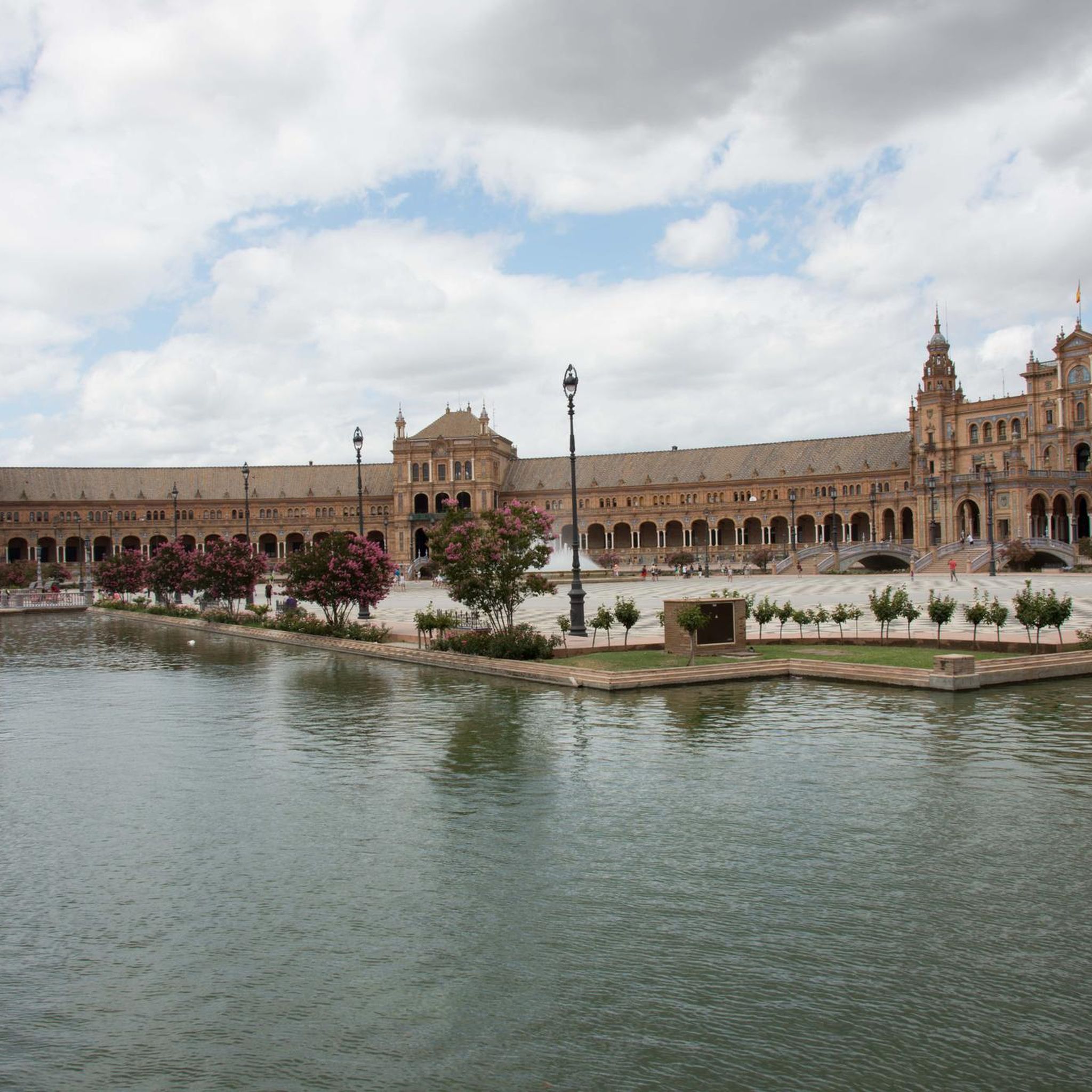
Cycling around Bormujos allows you to experience the characteristic Aljarafe countryside, olive groves, and green spaces like Los Álamos Park. You might also encounter the River Pudio with its Roman bridge. For cultural landmarks, routes can lead you close to Seville's iconic attractions such as the Seville Cathedral, Plaza of Spain, and the Tower of Gold, which are accessible from the wider metropolitan area.
What is the best time of year for road cycling in Bormujos?
The Seville area, including Bormujos, is highlighted as an excellent cycling destination due to its generally favorable weather. While not explicitly stated, spring and autumn typically offer the most pleasant temperatures for cycling, avoiding the intense heat of summer and the cooler, potentially wetter conditions of winter. Low-traffic roads are ideal for training year-round.
Are there any circular road cycling routes available?
Yes, many of the routes around Bormujos are designed as loops, offering circular journeys. Examples include the popular Path Through the Dehesa – Cañada de los Pájaros loop from Ciudad Expo and the more challenging San Juan Bridge – Las Pajanosas loop from Cavaleri.
How long are the road cycling routes around Bormujos?
The routes vary significantly in length. You can find shorter loops, such as those around 3.3 km, suitable for quick rides. Longer routes, like the Path Through the Dehesa – Cañada de los Pájaros loop from Ciudad Expo, extend to over 60 km, while others, like the San Juan Bridge – Las Pajanosas loop from Cavaleri, can be over 135 km, offering rides lasting several hours.
What do other cyclists say about road cycling in Bormujos?
The road cycling routes in Bormujos are highly rated by the komoot community, with an average score of 4.3 stars from over 110 reviews. Cyclists often praise the varied terrain, the presence of low-traffic roads, and the opportunity to explore the beautiful Aljarafe countryside and its olive-growing haciendas.
Are there options for parking or public transport access for cyclists in Bormujos?
While specific parking facilities for cyclists aren't detailed, Bormujos is part of the metropolitan area of Seville, suggesting accessibility. For public transport, the region's integration with Seville's transport network, including the metro, could offer options for reaching starting points, though specific bike carriage policies would need to be checked with local operators.
Can I find cafes or places to stop for refreshments along the routes?
The Aljarafe region is known for its towns and villages. While specific cafes are not listed, many routes pass through or near populated areas where you would typically find opportunities for refreshments. The active cycling community in Seville also suggests that routes are often chosen with convenient stops in mind.
Are there any challenging road cycling routes for experienced riders?
Yes, for experienced riders seeking a challenge, routes like the San Juan Bridge – Las Pajanosas loop from Cavaleri offer a difficult rating, covering over 135 km with significant elevation gain (over 1200 meters). These routes provide varied terrain and a taste of mountain passes on a smaller scale.
Most popular attractions around Bormujos

Get inspired with the komoot mobile app


Explore more
Browse the best Road cycling routes in other regions.
