Attractions and Places To See around Padrones De Bureba - Top 20
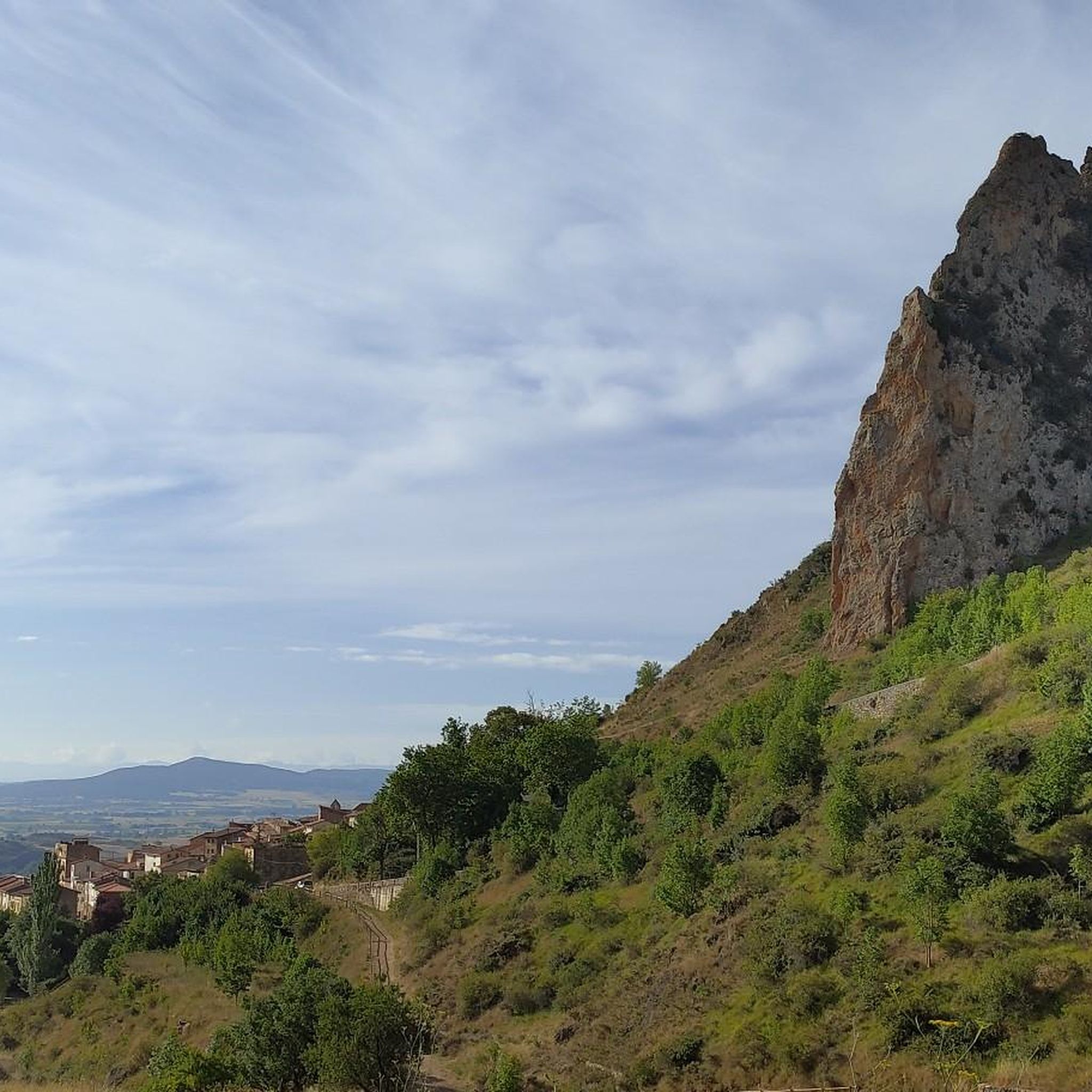
Best attractions and places to see around Padrones De Bureba include a blend of cultural heritage and natural beauty in the Valle de Las Caderechas, Burgos, Spain. The village is known for its water features, with two streams converging to form the Río Vadillo. Situated at the foot of Altotero, the region offers a mountainous terrain with forests of holm oaks, oaks, and pines, providing a rich natural landscape for exploration.
Best attractions and places to see around Padrones De…
Last updated: August 16, 2026
Oña Historic Center
Highlight • Historical Site
Translated by Google •
Tip by

Santander–Mediterranean Greenway
Highlight (Segment) • Cycleway
Translated by Google •
Tip by

Sign up now to discover places like this
Get recommendations on the best single tracks, peaks, & plenty of other exciting outdoor places.
Sign up for free
Parish Church of El Salvador
Highlight • Religious Site
Translated by Google •
Tip by

Oña Historic Town Center
Highlight • Historical Site
Translated by Google •
Tip by

MonasterioDeSanSalvador
Highlight • Religious Site
Translated by Google •
Tip by
Sign up for free to discover even more attractions around Padrones De Bureba.
Sign up for free
Already have an account?
Start today with a free account
Your next adventure awaits.
Login or Signup
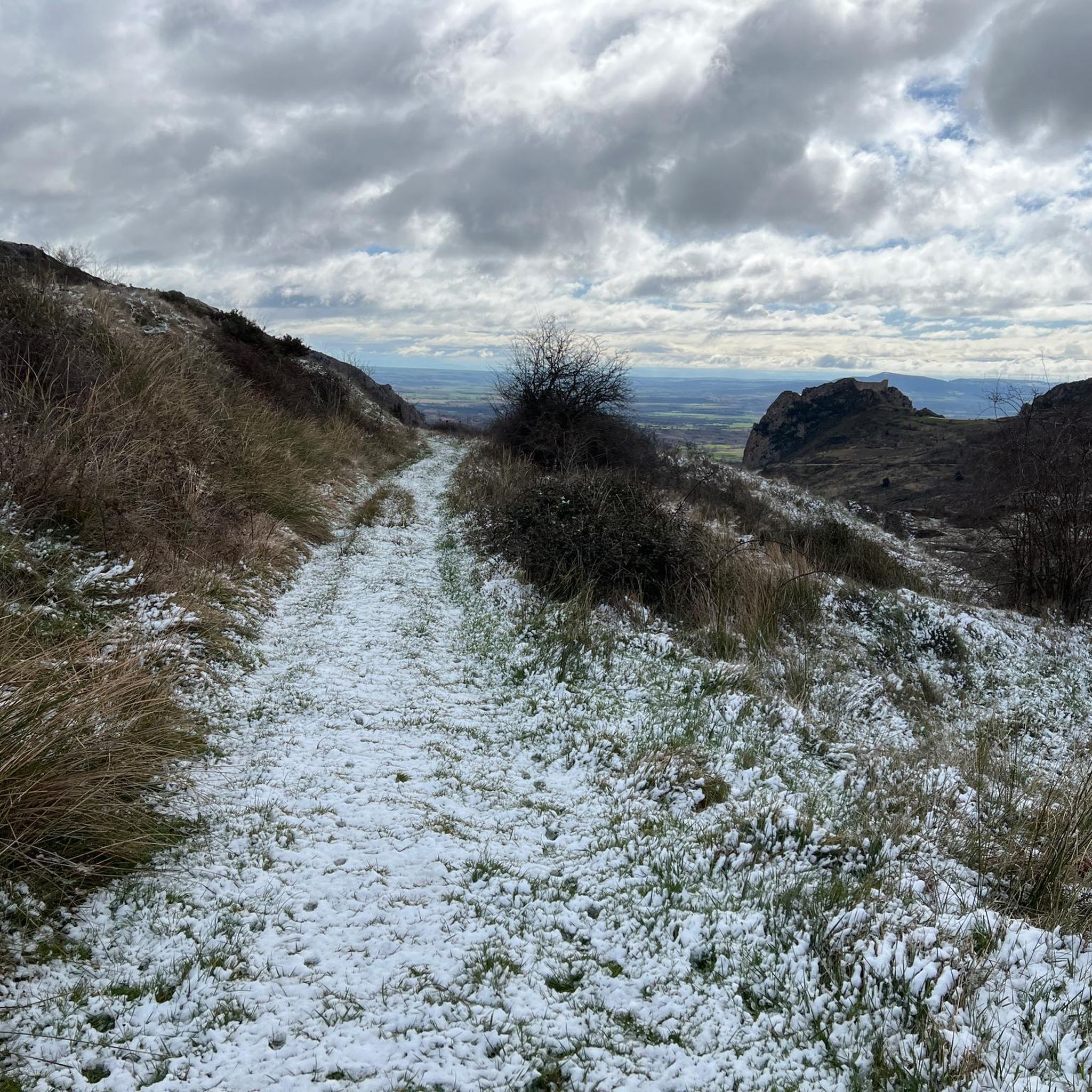
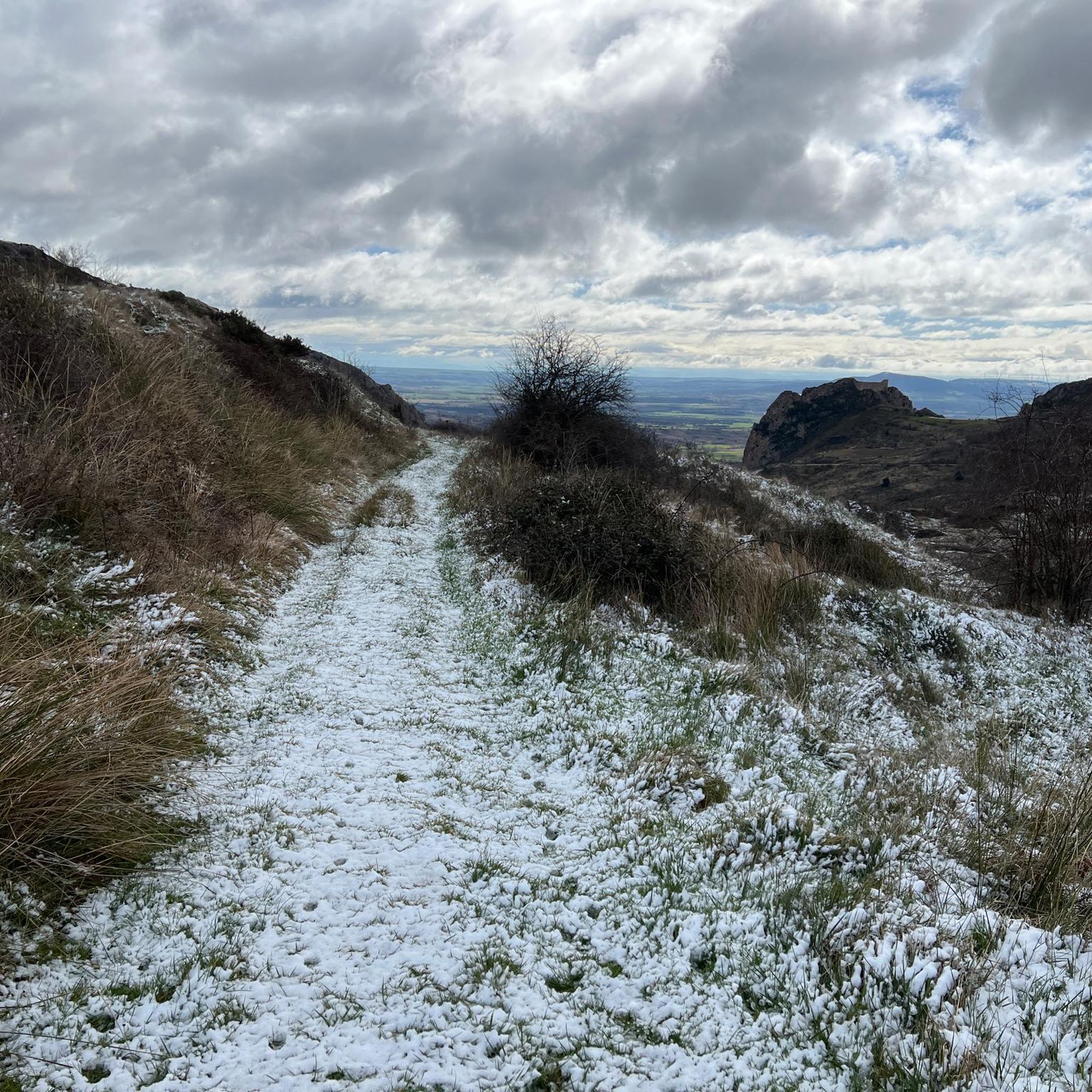
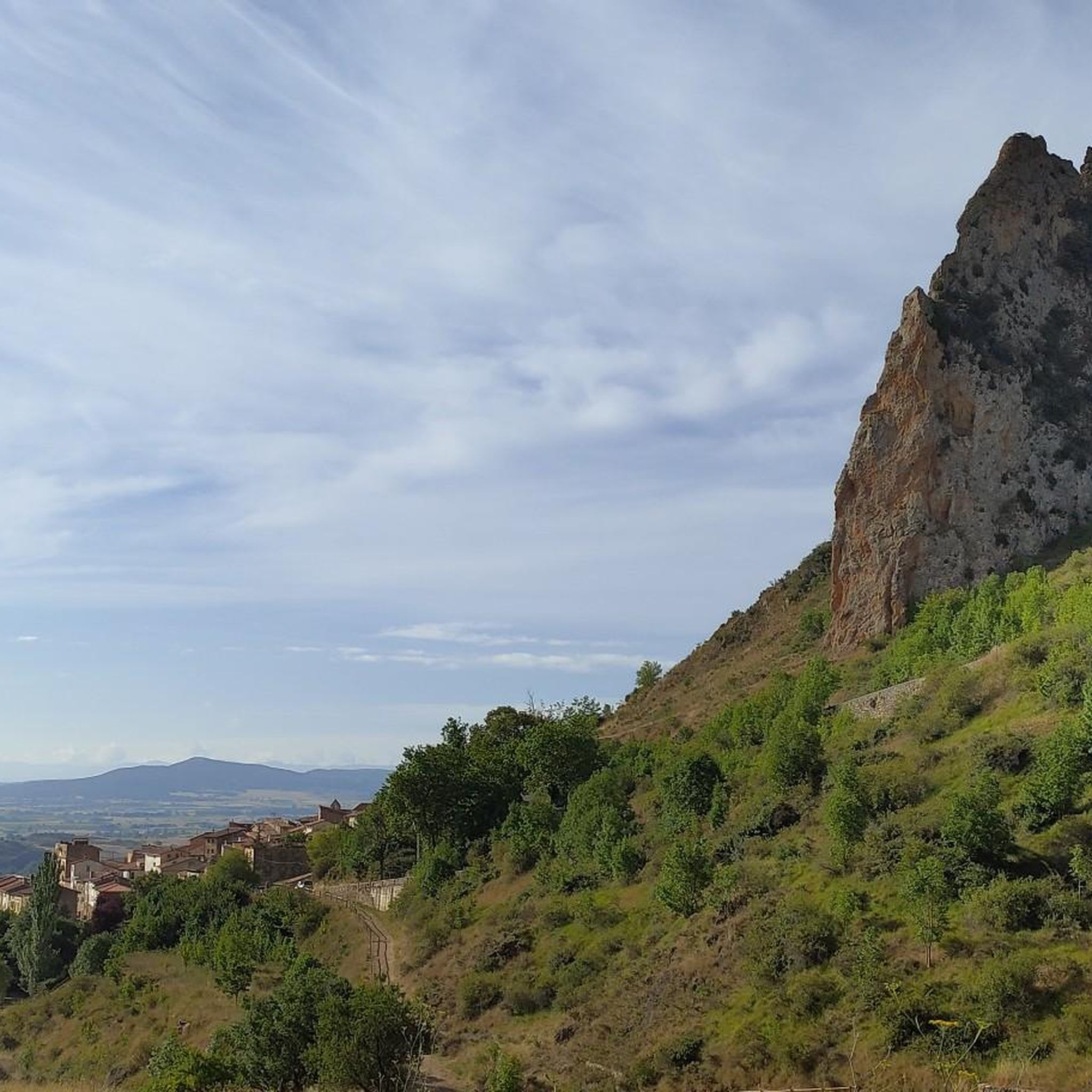
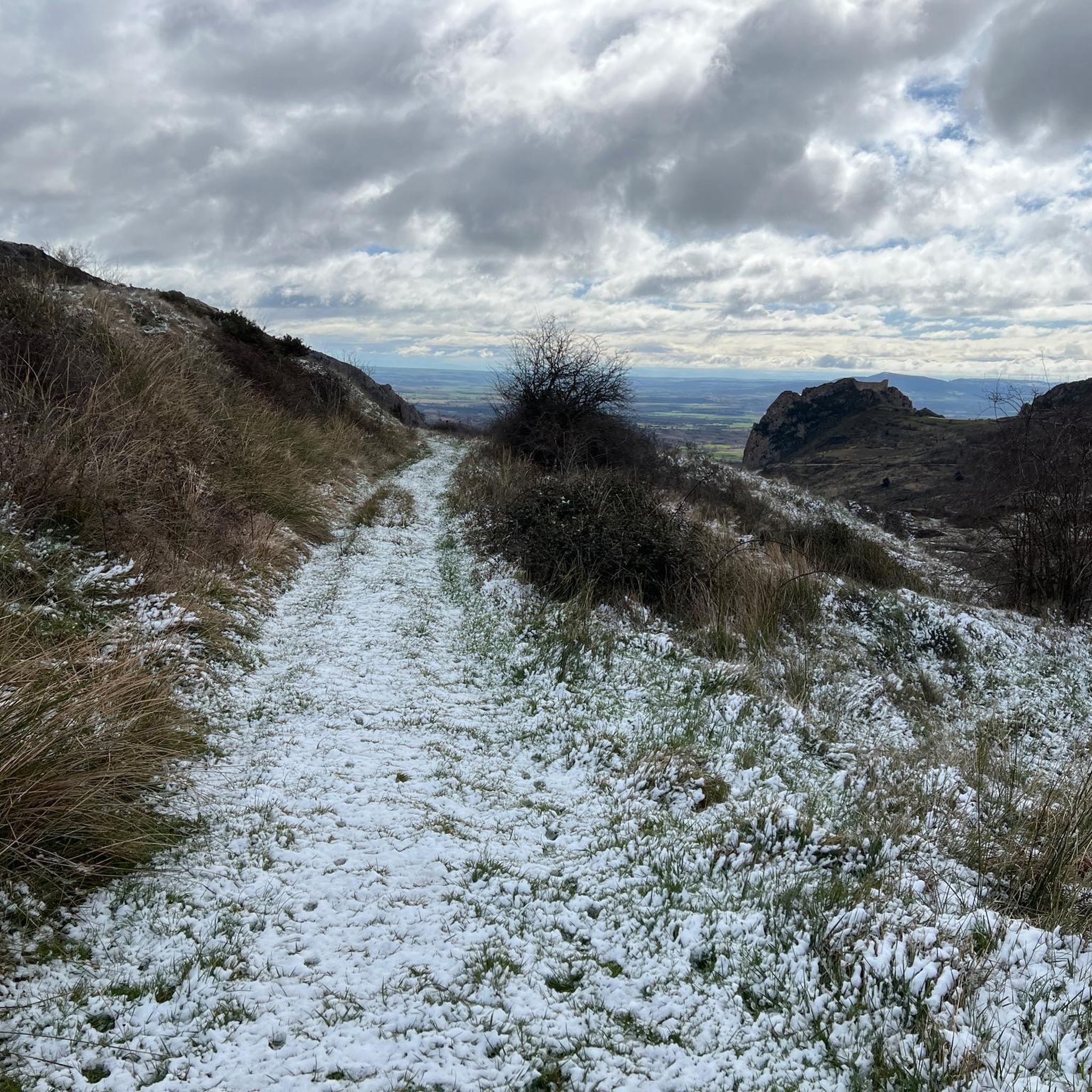

Tips from the Community

A beautiful town in a privileged location. It's well worth a visit, and take a stroll around the surrounding area.
1
0

There are a couple of fountains with cool water... there are several walking areas
0
0

All the bridges are finished, as Raphael H. rightly says. I walked over them the first weekend of April. There are updated photos.
1
1

A beautiful town. I recommend visiting the convent gardens with their canal and the unusual water supply they've had for ages.
1
0

The entire section of the Via Verde Santander Mediterraneo from the closed tunnel at Pedrosa de Valdeporres to Burgos is easily passable. All bridges are completed and the tunnels are illuminated. Over 100 km of railway cycle path fun. You will find out what happens from Burgos to Valencia in the next few days.
1
0

Poza de Sal is about two kilometers from the old railway and we visit in the last stage that is less distance, it is worth the detour. Shortly after is Salas de Bureba, with an interesting group of ancestral houses and popular architecture. And also a couple of restaurants to recharge your batteries. The route of the Natural Trail passes through Castellanos de Bureba, Terminón and reaches the Oña station, rebuilt with good taste and equipped with recreational areas and parking lots. The historic center of Oña has been declared a Site of Cultural Interest and a detour is mandatory to explore its small streets with a medieval atmosphere full of stately houses and emblazoned facades, contemplate the imposing building of the Monastery of San Salvador and the portico of the church of San Juan, In the town hall square. On one side is the Sports bar, if you want to have a drink. The section between Oña and Trespaderme has been cut off until recently due to the works on the Oca and Ebro bridges, now it is perfectly conditioned and is a natural fantasy. The Buitre and Pastorcillo tunnels cross the Oca gorge and the greenway enters the La Sante jungle, an old palace with a romantic atmosphere that seems condemned to ruin and abandonment in a place with a certain mystery. Passing through the Horadada tunnel prevents us from contemplating the confluence of the Oca in the Ebro river and along a fantastic forest walk the Ebro bridge appears, recovered after some time in works to give continuity to the Santander-Mediterranean Nature Trail in Las Merindades, Burgos. . The route passes through another tunnel and leaves the Horadada gorge, in the background is Trespaderne, which is the end of the next day. Now the trip continues along the gravel road to go up the Nela River basin to the foot of the Cantabrian Mountains, passing through the town of Nofuentes and then the old stations of Pradolamata, Moneo, Bustillo and Medina de Pomar appear, the town most populated in Las Merindades with 18 districts and 17 neighborhoods. Medina de Pomar has held the title of city since 1894, it is outside the greenway a couple of kilometers. The Velasco Castle, also called Alcázar de los Condestables, or simply Las Torres, is the building that attracts attention from the Nature Trail. In the historic center there are houses with emblazoned facades, palaces, stone streets, squares with arcades and original doors from the old medieval wall, a good reason to visit the town and learn about the historical and monumental heritage of the region. The railway route continues through the Nela valley, passes through several bridges rebuilt in the last refurbishment of the track and reaches the Villacaryo-Horna station, where we mark the end of the first stage. Access to the center and the picturesque Plaza Mayor is easy via Avelino Alonso de Porres Castro Street. Villarcayo is the capital of Las Merindades Burgos, it has all kinds of services.
1
0

a beautiful route, but you have to take into account, some bridges that continue with the reform
1
0
Frequently Asked Questions
What historical sites can I visit in and around Padrones De Bureba?
In Padrones De Bureba itself, you can explore the 14th-century Iglesia de San Mamés Mártir, an outstanding monument. Nearby, the village is close to the ruins of the Monasterio de San Bernardino. Further afield, the Oña Historic Town Center is a must-see, declared an Asset of Cultural Interest, featuring the Monastery of San Salvador and the parish church of San Juan Bautista. You can also visit the impressive MonasterioDeSanSalvador, a former Benedictine abbey with significant historical and religious importance.
Are there any notable natural attractions near Padrones De Bureba?
Yes, the area is rich in natural beauty. A significant highlight is the Cascada de la Huevera, a stunning waterfall formed by the Valdelapelilla stream, especially impressive after rain or snowmelt. The village is also defined by its abundant water, with two streams converging to form the Río Vadillo. The surrounding landscape features forests of holm oaks, oaks, and pines, and is situated at the foot of Altotero (1,176 m).
What kind of outdoor activities can I do in the area?
The region offers excellent opportunities for hiking and mountain biking, with numerous well-marked trails. You can find various routes for different sports, including hiking, gravel biking, and cycling. For detailed routes, explore the guides for hiking, gravel biking, and cycling around Padrones De Bureba.
Are there specific hiking trails recommended around Padrones De Bureba?
Absolutely. A popular choice is the PRC-BU-220, a designated 10-kilometer circular route that leads directly to the Cascada de la Huevera, offering a great way to explore the natural surroundings. Other moderate hiking options include the 'San Mamés Mártir Church – CascadaDeLaHuevera loop from Padrones de Bureba' and 'Las Salinas de Poza Trail'. You can find more options in the hiking guide.
Can I find cycling routes near Padrones De Bureba?
Yes, the area is well-suited for cycling. The Santander–Mediterranean Greenway is a notable route, offering over 100 km of railway cycle path fun with completed bridges and illuminated tunnels. There are also various gravel biking and road cycling routes, such as the 'Oña Historic Town Center – Trespaderne loop from Oña' for gravel biking, and longer, more challenging routes like 'Oña — circular from Poza de la Sal' for road cycling. Consult the cycling guide for more details.
What is the best time to visit Padrones De Bureba for outdoor activities?
The Cascada de la Huevera is particularly stunning during winter or after periods of rain and snowmelt, making these times ideal for experiencing its full grandeur. Generally, spring and autumn offer pleasant temperatures for hiking and cycling, with lush landscapes. The region's natural beauty, including its forests and water features, can be enjoyed throughout the year, with each season offering a unique perspective.
Are there family-friendly attractions in Padrones De Bureba?
While Padrones De Bureba itself is a small village, the surrounding region offers attractions suitable for families. The Oña Historic Town Center and MonasterioDeSanSalvador are listed as family-friendly historical sites. Additionally, the Zona de Ocio Fuente Goz provides a designated recreational spot perfect for relaxation amidst nature, and many of the easier walking trails are suitable for families.
What is the significance of the water features in Padrones De Bureba?
Water is a defining characteristic of Padrones De Bureba. The village is known for its abundant water, with two streams converging within the town to form the Río Vadillo. Historical water features like the Fuente Goz and Washing Place are also points of interest, reflecting the village's deep connection to its water sources. The stunning Cascada de la Huevera further highlights the region's natural aquatic beauty.
What are the main features of the Oña Historic Center?
The Oña Historic Center is a historical site with a captivating medieval atmosphere. Visitors can wander through its small streets, admire stately houses and emblazoned facades, and explore architectural jewels such as the imposing Monastery of San Salvador and the portico of the parish church of San Juan Bautista. It's a place rich in history and monumental heritage.
Are there any unique natural features like specific trees in the area?
Yes, the region boasts a rich natural landscape, including forests of holm oaks, oaks, and pines. A particularly notable and beautiful tree is the Roble de Navaespina (Navaespina Oak), which can be observed along the route to the Cascada de la Huevera. This ancient oak adds to the charm of the natural trails.
Where can I find a good place to relax outdoors in Padrones De Bureba?
For a designated spot to unwind, the Zona de Ocio Fuente Goz is an excellent choice. It's a recreational area perfect for relaxation amidst the natural setting of the village. You can also find peaceful spots along the Río Vadillo or within the surrounding forests.
What is the Oña Old Railway Station?
The Oña Old Railway Station is a historical site that now serves as part of the greenway along the old train track. It's a point of interest for those exploring the Santander–Mediterranean Greenway, offering a glimpse into the region's past railway heritage and providing recreational areas and parking for visitors.
Most popular routes around Padrones De Bureba
Most popular attractions around Padrones De Bureba

Get inspired with the komoot mobile app


Explore more
Still not found the Highlight you’re looking for? See guides of the top attractions in other regions:
